





Italian winery listings
Page 9 of 11 in the Italian winery directory, with estate profiles, tasting options, cellar tours, booking details, and wine availability.


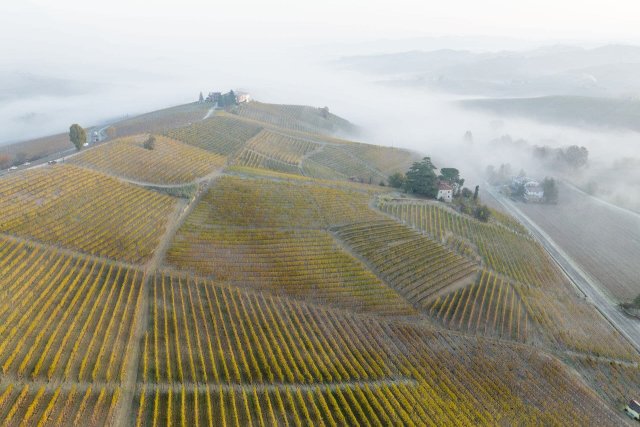
 Piedmont
Monforte d'Alba
Alessandro e Gian Natale Fantino
Eight hectares in the Dardi corner of Bussia, farmed by two brothers, with the oldest vines planted in the 1940s. Their declassified Barolo Riserva, Laboro Disobedient, wears a cartoon label.
 Nebbiolo
 2


 Tuscany
Montalcino
Azienda Agraria Le Chiuse
Small family estate on Montalcino's north slope, on old Biondi Santi land. Brunello, a ten-year Riserva, and three rooms among the vines.
Sangiovese
 Marche
Cupra Marittima
Azienda Agricola Oasi degli Angeli
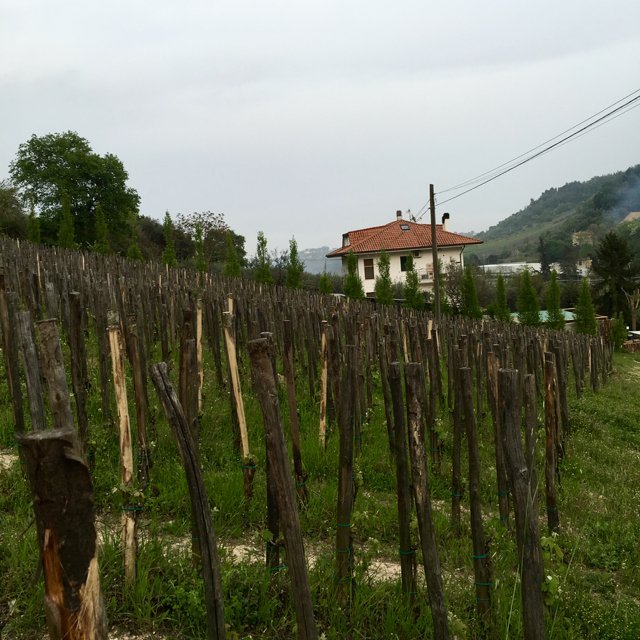
Two-wine estate at Cupra Marittima known for Kurni, a pure Montepulciano first bottled in 1997 that redrew what the southern Marche could do. Its partner Kupra is a Bordo Grenache from century-old vines, aged in cement eggs and new French oak, with only around 500 bottles a year.
Alicante
Montepulciano
 Liguria
Riomaggiore
Azienda Agricola Possa
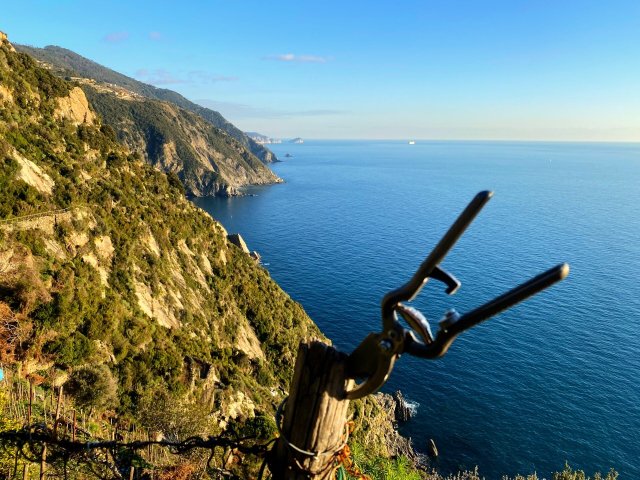
Estate on the cliffs above Riomaggiore, where Heydi Samuele Bonanini reclaims abandoned terraces of Bosco, Albarola and Vermentino by hand. Tense, salty whites and the rare sweet Sciacchetrà DOP, including a sea-aged Underwater bottling that has become a Ligurian reference.
Albarola
Bosco
Rossese
 Est. 1880
 Umbria
Orvieto
Bigi
Bigi has made wine in Orvieto since 1880, first in a former monastery in the town and since 1972 at Ponte Giulio. Its own vineyards are in the Classico zone. Its range runs from Orvieto Classico Secco and Amabile to the single-vineyard Vigneto Torricella and Sartiano, a Sangiovese and Merlot red. Part of Gruppo Italiano Vini.
 Grechetto
Malvasia
Trebbiano Toscano
 Tuscany
Radda in Chianti
Castello di Radda
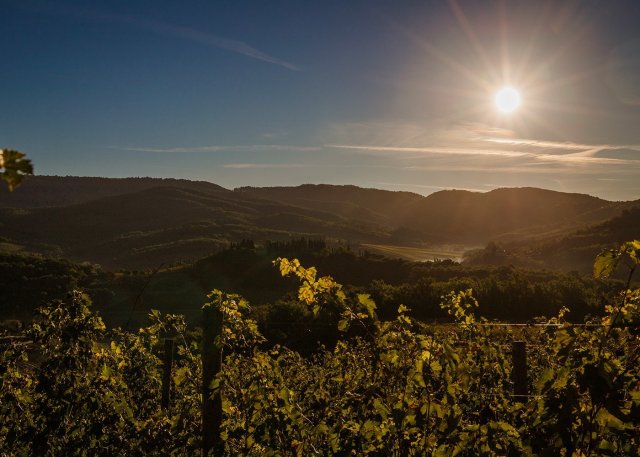
On the hill facing the village of Radda in Chianti, in one of the coolest, stoniest corners of Chianti Classico. The vineyards run from 350 to 450 metres in Radda and Gaiole, all of them certified organic since 2020, and the cellar is dug out of the rock so that almost nothing shows above ground. Seven visits can be booked, and the cellar shop is open six days a week.
Sangiovese

 Puglia
Carosino
Feudo Croci
The Tinazzi family's Puglian arm in the Manduria zone, bought in 2001. Its Primitivo di Manduria DOC comes as Imperio LXXIV, the entry label, and Byzantium, drawn from older bush-trained vines.
Primitivo
 Est. 2005
 Sardinia
Nurri
Panevino
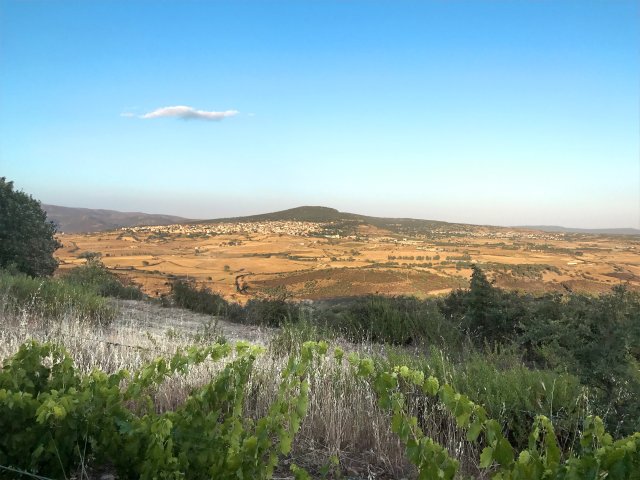
The baker of Nurri turned winemaker: Gianfranco Manca's old Sardinian bush vines make unfiltered field blends that change name with every vintage.
Cannonau
 Est. 1972
Marche
Poggio San Marcello
Sartarelli
A third-generation family estate in Poggio San Marcello that bottles only Verdicchio. The range runs from the sparkling Brut to the cult Castelli di Jesi Verdicchio Riserva DOCG Balciana, named Best White Wine in the World in 1999.
Verdicchio
 Est. 2001
Tuscany
Cortona
Stefano Amerighi
Stefano Amerighi began his Rhone-selected Syrah project on two hills at Poggiobello di Farneta in 2001. Demeter-certified farming, foot-trodden grapes, concrete vats and no additions; Apice, his top wine, waits two and a half years in bottle.
Syrah
 Lazio
Colonna
Tenuta Principe Pallavicini
A Castelli Romani estate above Colonna, where the Pallavicini family has farmed Frascati and Roma DOC vineyards since the 1600s. The volcanic hills of Marmorelle give the whites and the Stillato passito. A vineyard at Cerveteri, above the Tyrrhenian, carries the reds towards the coast.
Malvasia
Trebbiano
 Piedmont
Cossano Belbo
Toso
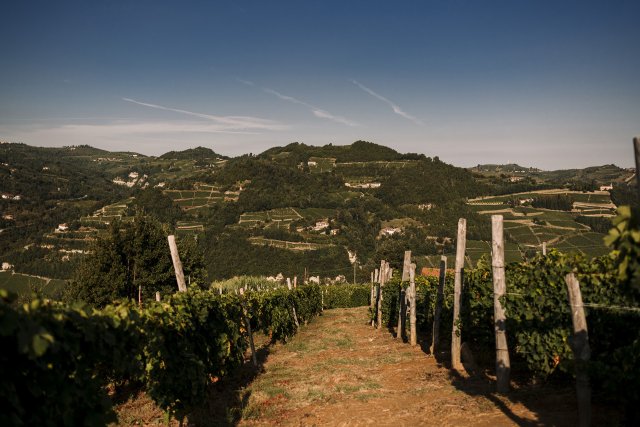
Toso has made Moscato d'Asti and Asti Spumante in the Belbo valley since 1910 and now fills around 28 million bottles a year, half of them vermouth, bitters and liqueurs led by Gamondi and Toccasana. A wine museum next to the winery at Cossano Belbo is open on weekdays.
Brachetto
Moscato
 Basilicata
Barile
Vigne Mastrodomenico
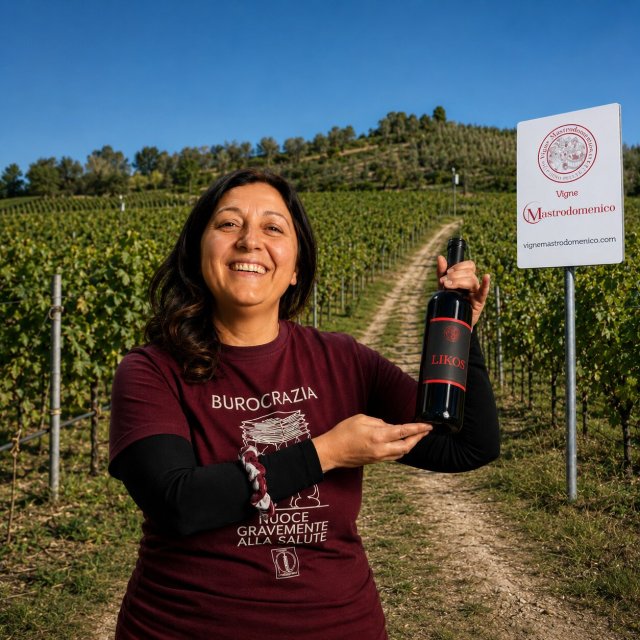
Vigne Mastrodomenico is a family estate in Barile, on the eastern slopes of Mount Vulture in Basilicata. It farms eight organically certified hectares of Aglianico at Acquarossa, near Rapolla. The cellars are hand cut caves in the volcanic tuff, and the flagship Likos Aglianico del Vulture DOC has drawn 90+ scores from Vinous and Robert Parker.
Aglianico
 Est. 1901
 Friuli Venezia Giulia
Oslavia
Azienda Agricola Gravner Francesco
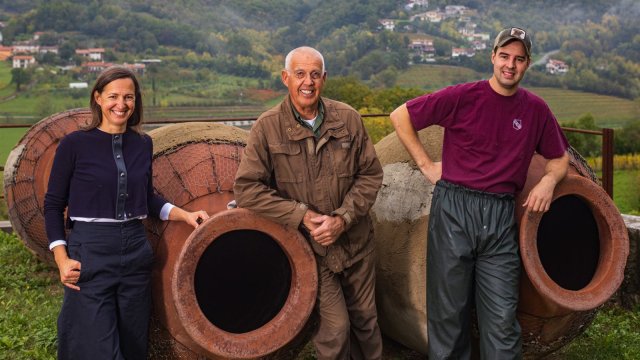
Azienda Agricola Gravner Francesco sits on the Collio slopes above Oslavia, on the Italian-Slovenian border in Gorizia province. Joško Gravner ferments his whites in qvevri, Georgian clay vessels buried in the cellar floor, and releases Ribolla Anfora only after about seven years. Around 35,000 bottles a year; visits by appointment for up to six guests.
Ribolla Gialla
 Umbria
Orvieto
Azienda Agricola Palazzone
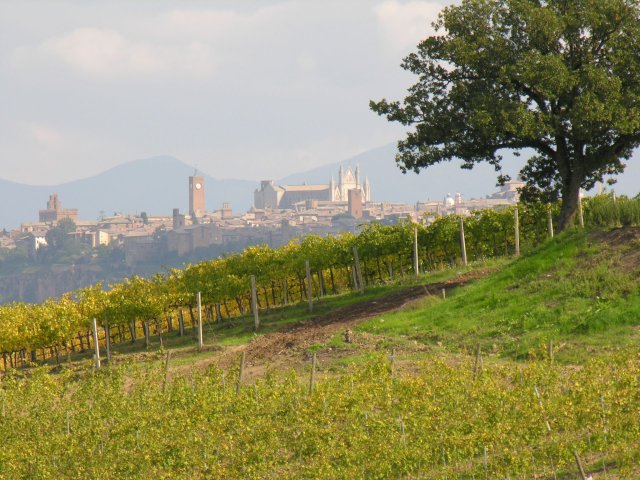
The Dubini family's estate at Rocca Ripesena, a few kilometres north-west of Orvieto. Its 24 hectares of vines grow on old seabed clay. Campo del Guardiano rests 18 months in bottle before release. The sweet Muffa Nobile is made from grapes touched by noble rot. Tastings and tours can be booked online, one of them in an Etruscan cave. The 13th-century palace has suites to stay in.
Grechetto
Malvasia
Trebbiano Toscano
 Campania
Tufo
Cantina dell’Angelo
Angelo Muto farms five hectares of Greco right above the abandoned sulphur mines of Tufo, in Campania's Irpinia hills. Three generations of family farming stand behind around 20,000 bottles a year, led by the Torrefavale and Miniere Greco di Tufo DOCG bottlings.
Coda di Volpe
 Tuscany
Montespertoli
Castello di Poppiano
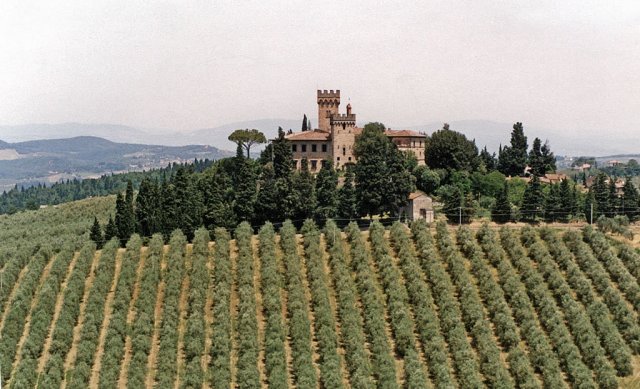
A medieval castle on a ridge south-west of Florence, in Guicciardini hands since at least 1199. 140 hectares of vines and 12,000 olive trees make Chianti Colli Fiorentini, Vin Santo and a Laudemio oil. Tours and tastings by appointment.
Alicante
Sangiovese
 Est. 1500
Tuscany
Rufina
Castello Pomino - Marchesi Frescobaldi
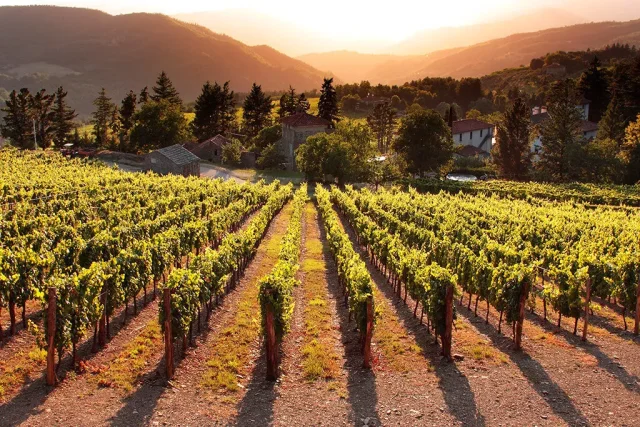
Pomino has been on Tuscany's fine-wine list since Cosimo III named it in 1716. At Frescobaldi's high, forest-ringed castle estate the wines turn white and sparkling, and you can taste, lunch, or stay the night in one of five castle rooms.
Pinot Nero
Sangiovese
 Aosta Valley
Morgex
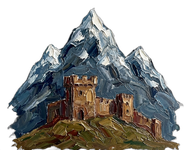
Cave Mont Blanc de Morgex et La Salle
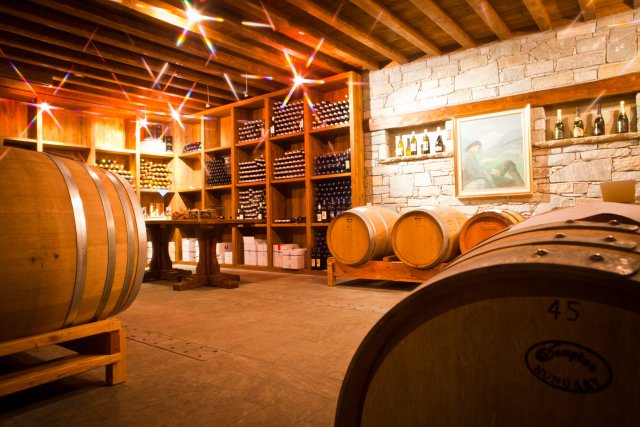
Cooperative winery in the upper Valle d'Aosta. Around 80 growers share 44 acres of pergola-trained Prié Blanc on Mont Blanc terraces between 900 and 1,200 metres, on ungrafted vines in a phylloxera-free zone. The cellar makes the still Blanc de Morgex et de La Salle DOC and a benchmark range of classic-method spumanti, led by Cuvée du Prince and Cuvée des Guides.
Prié Blanc
 Tuscany
Manciano
Tenuta Montauto
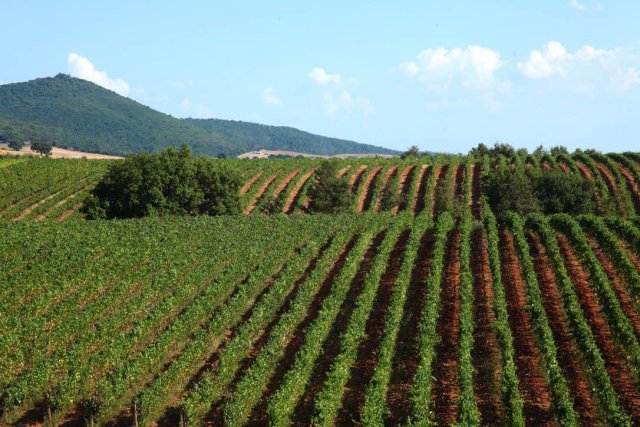
Inland from the Maremma coast near Manciano, about ten kilometres from the sea and 200 metres up, on clay full of quartz. The same family has farmed here for over sixty years; Riccardo Lepri made it a wine estate in 2001. Sea breeze and cold nights make it white-wine country, and one Italian guide called its Sauvignon the best in the country in 2024.
Ciliegiolo
 Tuscany
Cinigiano
Tenuta Ribusieri
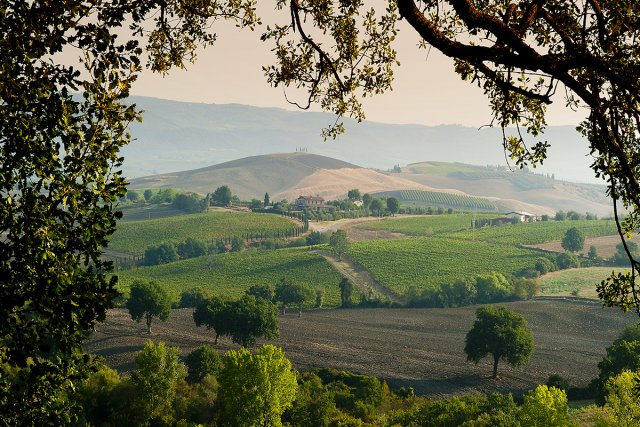
Cinigiano estate on Monte Amiata's volcanic slopes: Chiaranotte Vermentino, Le Maciole Montecucco Rosso and Solaura Sangiovese, plus three guest villas that borrow the wines' names.
Vermentino
 Umbria
Allerona
Argillae
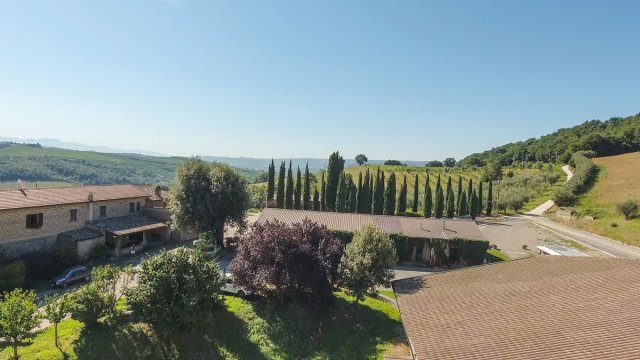
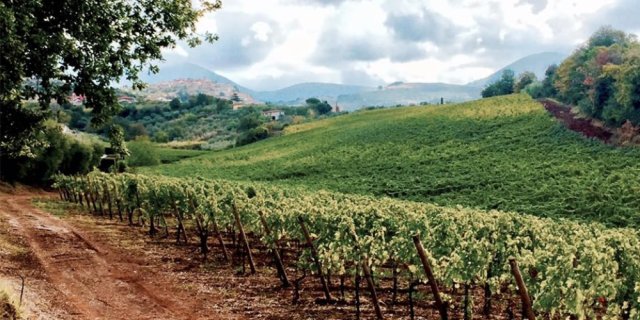
The Bonollo family's estate in the clay hills between Allerona and Ficulle, about 13 km north-west of Orvieto. Panata, its Orvieto Classico Superiore, won Tre Bicchieri in Gambero Rosso's 2026 guide. Tastings, vineyard and cellar tours, lunches by an Orvieto trattoria, a cooking class and a picnic in the vines, all booked on the estate's website.
 Est. 1986
Lazio
Cori
Azienda Agricola Carpineti Marco
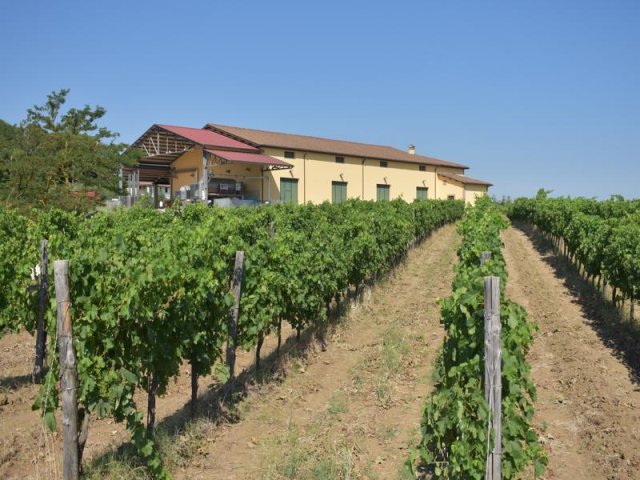
An organic Cori estate working native Lazio grapes, above all Bellone and Nero Buono di Cori. The traditional-method Kius sparkling family sits at the heart of the range, beside still whites, local reds and the Ludum passito.
 Est. 1965
Umbria
Orvieto
Azienda Agricola Custodi
The Custodi family farm at Canale, on mostly volcanic soil just south of Orvieto, with 37 hectares of vines among olive groves and fields of grain. Laura and Chiara Custodi carry on the work their father began in 1965. Three Orvieto Classico whites, from the dry Belloro to the sweet Pertusa, sit beside Umbria IGT reds and a Brut Rosé. Guided cellar and vineyard visits with a tasting, all year by arrangement.