





Italian winery listings
Page 10 of 10 in the Italian winery directory, with estate profiles, tasting options, cellar tours, booking details, and wine availability.


 Tuscany
Radda in Chianti
Castello di Monterinaldi
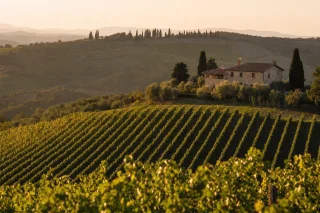
On a hill at Lucarelli in the parish of Radda in Chianti, named after a Lombard count who held it in 1010. Vines were only planted in 1961, seventeen separate parcels of them, and the estate has been certified organic since 2018 and Equalitas certified since 2023. Ten visits can be booked, from a fifteen-euro tasting to lunch in the painted rooms of Villa Pesanella.
 0

 Tuscany
Montespertoli
Castello Sonnino
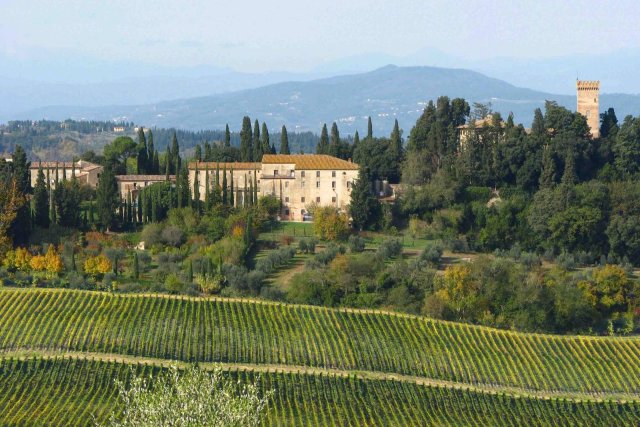
Castello Sonnino, Montespertoli. The Sonnino family's castle 20 minutes from Florence, once home to the statesman Sidney Sonnino and restored since 1987 by Baron Alessandro and Baroness Caterina de Renzis Sonnino. Chianti Montespertoli from its own Sangiovese and Canaiolo, Vin Santo dried in the old Vinsantaia, and Laudemio olive oil. Tastings, lunches, cooking classes and stays in the tower.
 Est. 1990
 Molise
San Martino In Pensilis
Catabbo
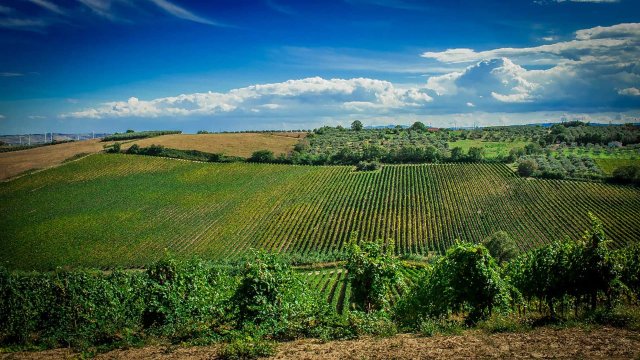
Family winery on the stony hills above Molise's Biferno valley, at San Martino in Pensilis. Vincenzo Catabbo founded it in the early 1990s. He now runs it with his children Sarah, Carla and Pasquale, across 128 acres of certified organic vines. The family is one of the producers leading the modern revival of Tintilia, the rare native red of Molise, alongside Falanghina del Molise and the everyday Petriera range.
 Est. 1971
 Aosta Valley
Donnas
Cave Cooperatives de Donnas
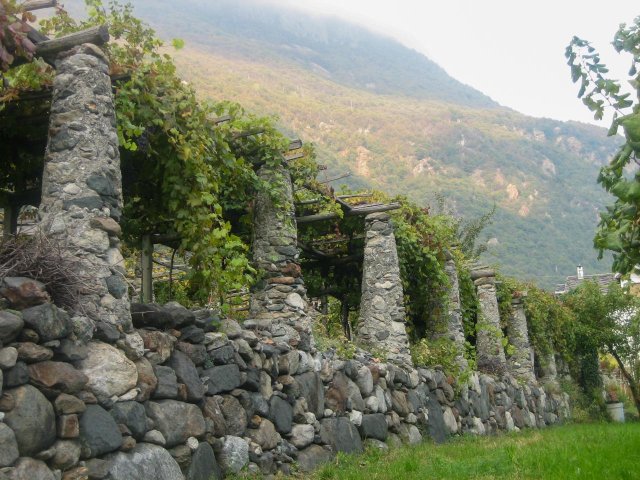
Founded in 1971, the year Donnas won the first DOC in Valle d'Aosta. The cooperative works mostly with Picotendro, the local strain of Nebbiolo, on steep stone terraces above the village. Cellar tastings pour four wines from the lineup, including the flagship Donnas DOC. The original 1971 to 1976 cellars are now the village wine ecomuseum, open on Sundays.
 Aosta Valley
Aymavilles
Cave des Onze Communes
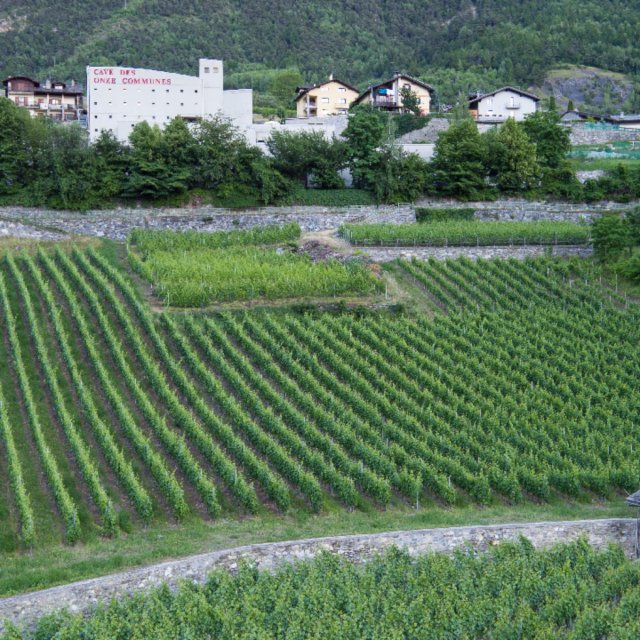
Eleven Aostan villages, one cellar at the foot of Aymavilles castle. Cave des Onze Communes is the largest cooperative in the Valle d'Aosta: 170 grower members farm terraces between 550 and 800 metres. Twenty-five DOC labels run from Petite Arvine and Muller-Thurgau to Torrette, Petit Rouge, Fumin, Cornalin and Mayolet, plus a Fletry Muscat Petit Grain DOC straw wine.
 Lazio
Olevano Romano
Damiano Ciolli
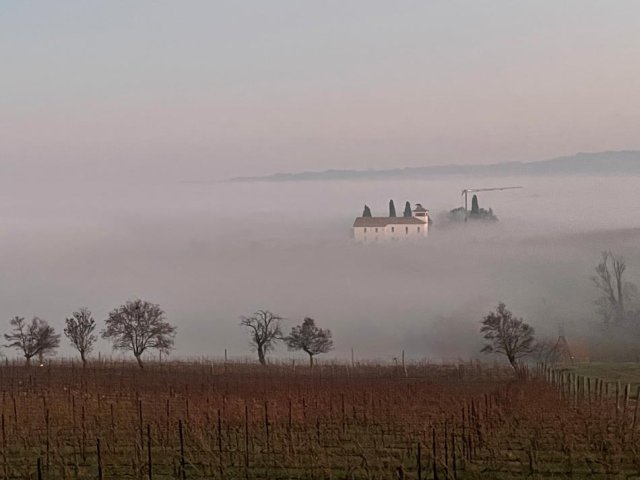
Old Ciolli family vineyards on volcanic Olevano Romano soil, farmed without chemicals by Damiano Ciolli and winemaker Letizia Rocchi. The wines are Silene, Cirsium and the white Botte Ventidue.
 Emilia Romagna
Forlì
Drei Donà – Tenuta La Palazza
Drei Donà - Tenuta La Palazza farms 23 hectares above Forlì in the Predappio area of Romagna DOC. Sangiovese leads, beside the Cabernet Sauvignon that Claudio Drei Donà planted in the early 1980s. The family works the estate on organic and biodynamic lines, with tastings in the old stables.
 Tuscany
Terranuova Bracciolini
Fattoria Di Romignano
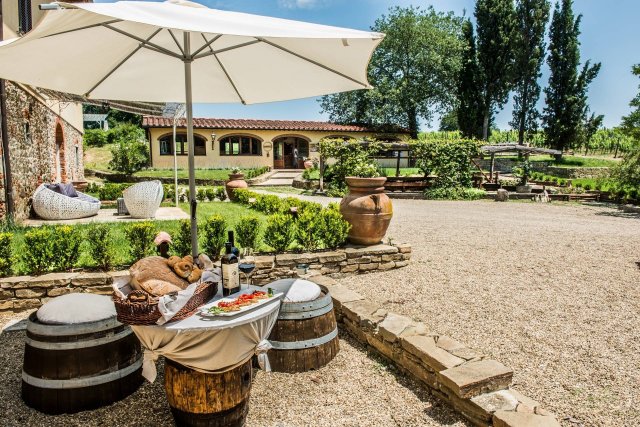
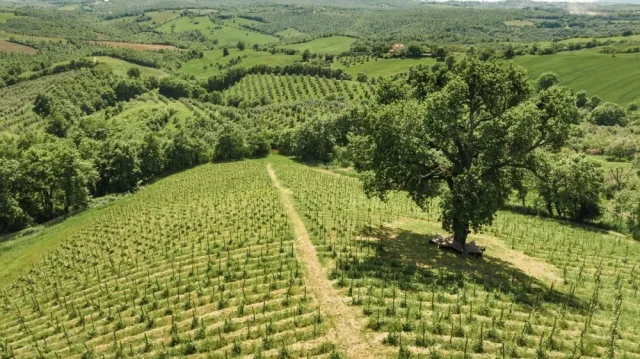
A Valdarno farm held by the same owners since the early 1900s: Sangiovese farmed organically for 30 years by the estate's account, natural cuvees with no added sulphites, and sunset tastings in the vines.
 Est. 2010
Tuscany
Manciano
Fattoria La Maliosa
Antonella Manuli's Saturnia farm has been certified organic since it began in 2010. Old Maremma grapes, native ferments and zero additives shape the Metodo Corino wines; the farm is open daily with tastings from 8 euros, vineyard picnics and StarsBOX cabins.
 Tuscany
Scandicci
Fattoria San Michele a Torri
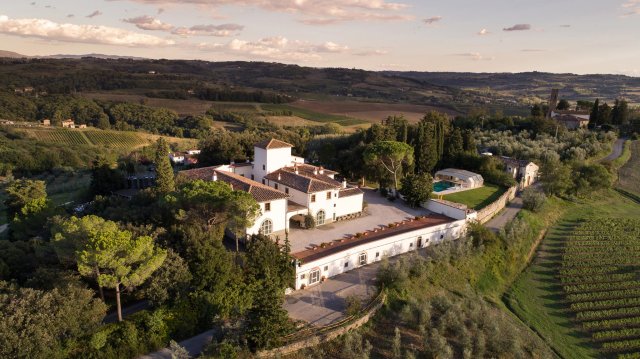
An organic farm in the hills of Scandicci, 15 km from Florence, on ground fought over in 1944. It makes Chianti Colli Fiorentini, Chianti Classico, Laudemio olive oil and Cinta Senese cured meats. Tastings, lunches and a picnic in the vines are sold on its own website.
 Liguria
Pornassio
Guglierame
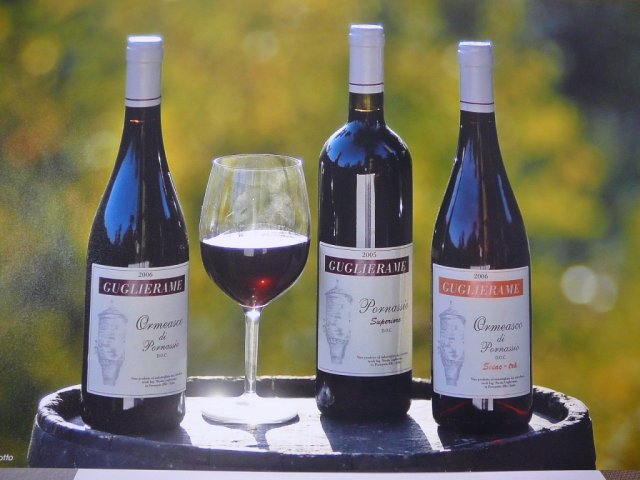
A historic Ormeasco di Pornassio specialist in the hills behind Imperia. The Guglierame family began bottling in 1958, from cellars set inside their medieval castle. They were the first in the zone to release Ormeasco under their own label. Vineyards inherited from the Marchese Scarella line terraces above the Arroscia valley, planted to Dolcetto. The brand passed to the PeQ Agri group in 2021 and continues as their Ormeasco line.
 Est. 1929
Tuscany
Barberino Tavarnelle
Guidi 1929
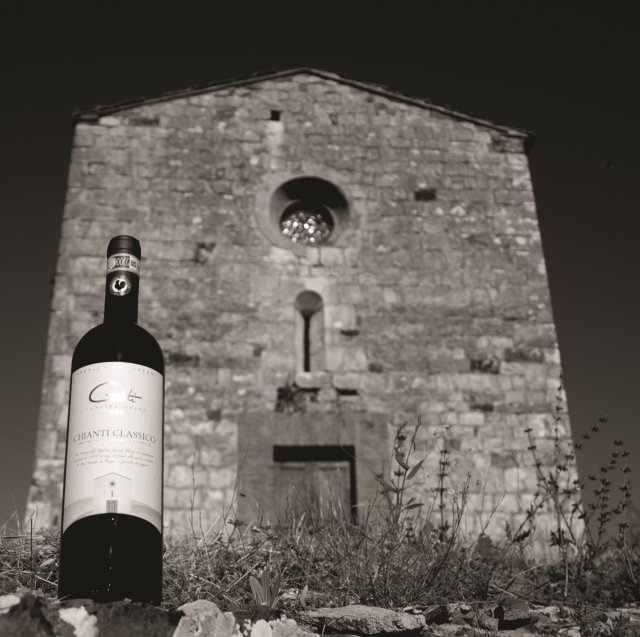
The Guidi family has made wine since 1929. Avio Guidi runs it with his sons Giacomo and Nicola. Chianti Classico and Vernaccia di San Gimignano from more than 30 hectares of their own vines, and private tastings near San Donato in Poggio.
 Est. 1985
 Veneto
Farra di Soligo
Perlage Wines
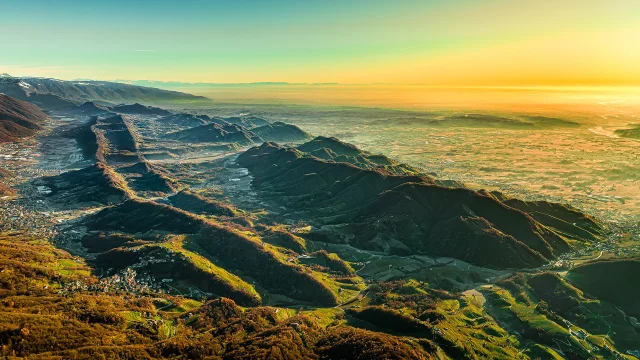
Family-run organic Prosecco estate at Farra di Soligo, founded in 1985 by the seven Nardi siblings. Valdobbiadene Prosecco Superiore DOCG and Prosecco DOC, all certified vegan, plus tastings and cellar tours from 15 euros.
 Emilia Romagna
Modigliana
Ronchi di Castelluccio
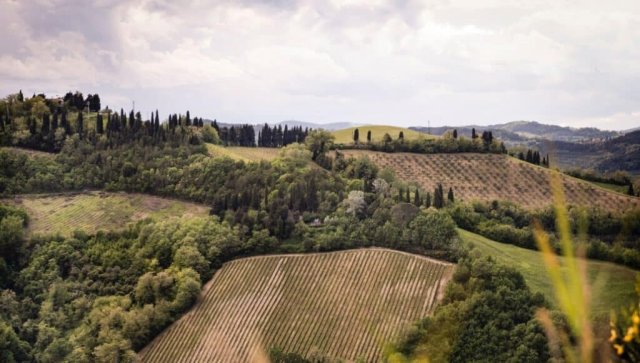
Ronchi di Castelluccio sits on the wooded Apennine slopes above Modigliana, in the Forli-Cesena hills of Romagna. Nine clearings cut from the forest, the ronchi, each make their own wine. Ronco del Re, a Sauvignon Blanc planted in 1974, is the flagship, and Sangiovese fills the Romagna Sangiovese Modigliana DOC reds. Around 65,000 bottles leave the cellar each vintage.
 Campania
Boscotrecase
Sorrentino
Tenuta Sorrentino farms roughly 35 hectares on the southern slope of Mount Vesuvius, inside the national park. Five native grapes go into the certified organic Classic range, the single-vineyard Crù Prodivi wines and the DòRè sparkling line.
 Liguria
Sarzana
Tenuta La Ghiaia
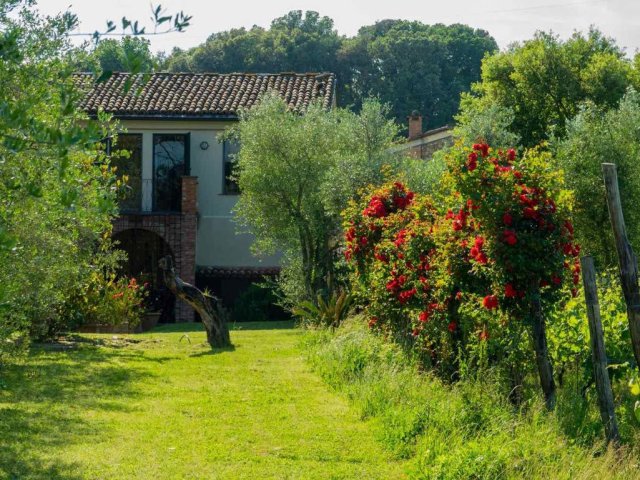
A family estate at Sarzana on the gravel of the old Magra river, where Liguria meets Tuscany. Five hectares of organic Colli di Luni vines give three Vermentini and the Undicinodi DOC red. The nineteenth-century manor holds a five-suite Maison de Charme.
 Est. 1720
Tuscany
Ulignano
Tenuta Torciano
The Giachi family has made wine at Ulignano, near San Gimignano, since 1720. Tastings, lunches, cooking classes and truffle hunts run every day of the year. Its Vernaccia sits beside Chianti Classico and Brunello in the range.
 Sicily
Alcamo
Tenute Baglio Passofondo Rural
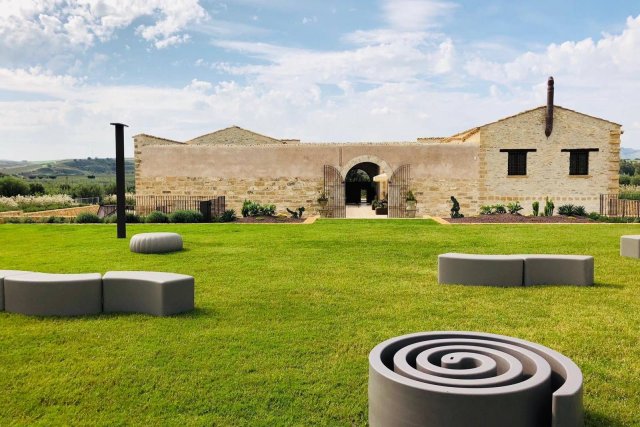
Tenute Baglio Passofondo, Alcamo. A 19th-century farm courtyard in the hills between Palermo and Trapani, restored as a ten-suite hotel with a pool, among vines of Zibibbo, Catarratto and Calabrese and old olive trees. Tastings of five estate wines, vineyard and olive-grove walks, e-bike rides, picnics and cooking classes, all booked online.
 Est. 2006
Molise
Montenero di Bisaccia
Terresacre
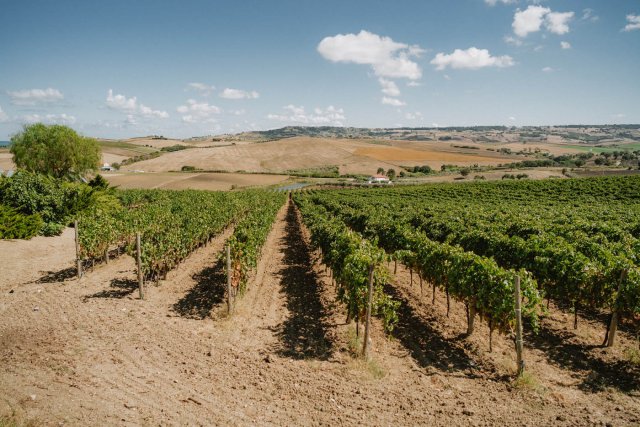
A family-run estate at Montenero di Bisaccia, in the lower Molise hills 270 metres above the Adriatic. Tenuta Terresacre planted thirty-five hectares of Tintilia, Montepulciano, Falanghina, Trebbiano and Chardonnay around its Contrada Montebello cellar in 2006. Its reputation rests on the rescue of Tintilia, the region's only truly indigenous red grape. Robert Parker's Wine Advocate awarded the Tintilia 2009 a 90-point score, an early validation of the project. Visits and tastings run year-round by appointment.
 Tuscany
Arezzo
Villa La Ripa
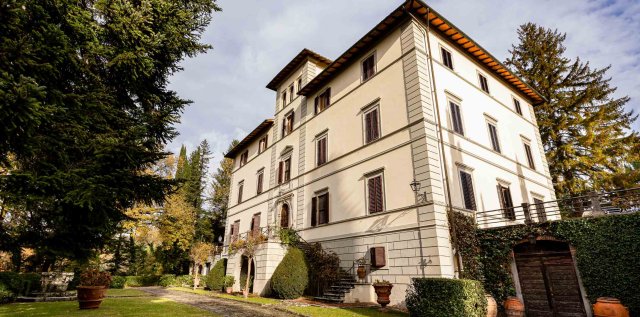
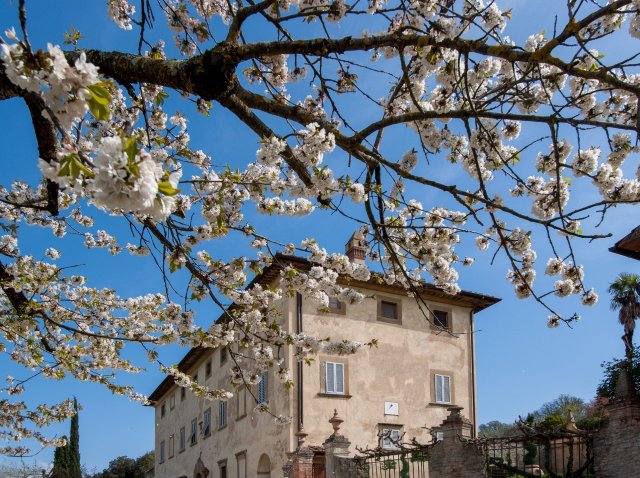
Renaissance villa near Arezzo making Sangiovese reds, with tastings, long lunches and a truffle hunt.
 Tuscany
Gaiole in Chianti
Winestillery
A family winery and distillery in Gaiole in Chianti where gin, vermouth and vodka all start from the estate's own wine.