





Italian winery listings
Page 2 of 9 in the Italian winery directory, with estate profiles, tasting options, cellar tours, booking details, and wine availability.


 Sardinia
Santadi
Sardinia
Santadi
Cantina Santadi
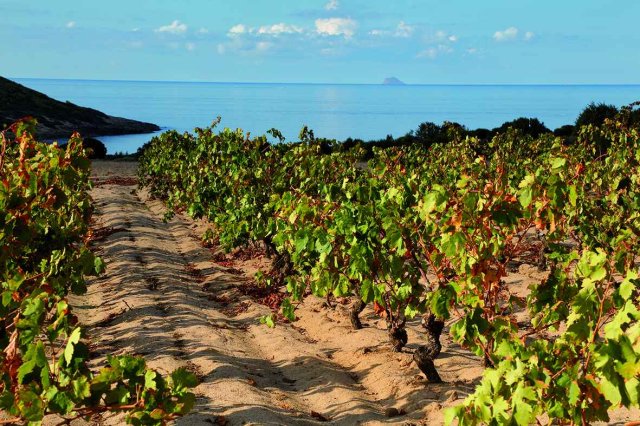
A Sulcis cooperative founded in 1960, built on Carignano del Sulcis from sandy, ungrafted vineyards by the sea. Terre Brune Superiore, Rocca Rubia Riserva and the Villa Solais Vermentino lead the Sardinian range.
 Carignano
 Vermentino
Nuragus
Vermentino
Nuragus
 21
21

 Est. 1904
 Trentino-Alto Adige
Mezzocorona
Trentino-Alto Adige
Mezzocorona
Gruppo Mezzacorona
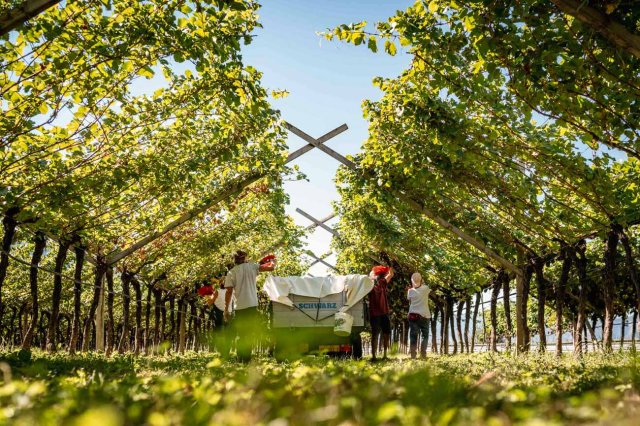
Growers' cooperative at Mezzocorona, north of Trento, founded in 1904 and owned by more than 1,500 member families. It makes Teroldego Rotaliano and Trentino DOC Pinot Grigio, fined with bentonite only, and Rotari Trento DOC sparkling wines. Guided tours and tastings at the Cittadella del Vino are by request.
Teroldego
Chardonnay
Lagrein
 Piedmont
Neive
Piedmont
Neive
Bruno Giacosa
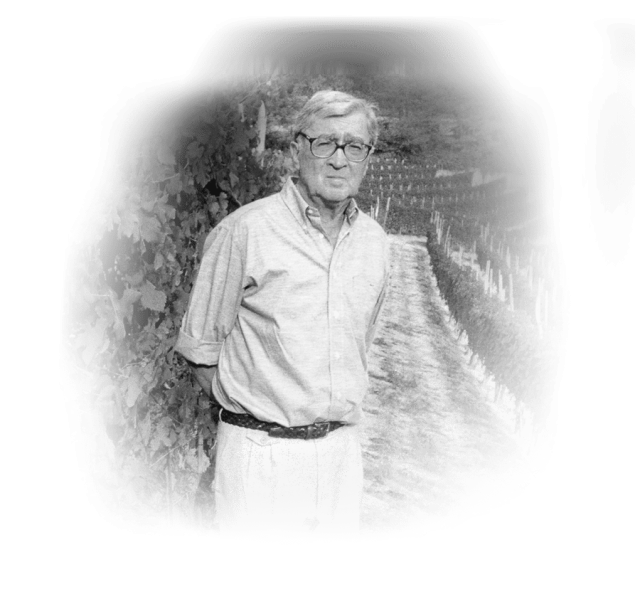
Piedmontese house at Neive, founded 1900. Barolo and Barbaresco of the first rank, the rare red-label Riserva, and a Roero Arneis.
Nebbiolo
Dolcetto
Arneis
 Campania
Atripalda
Campania
Atripalda
Casa Vinicola Mastroberardino
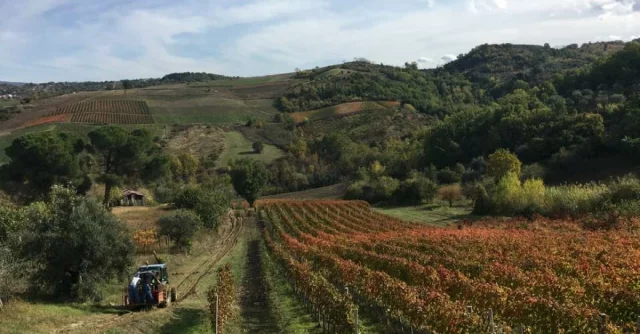
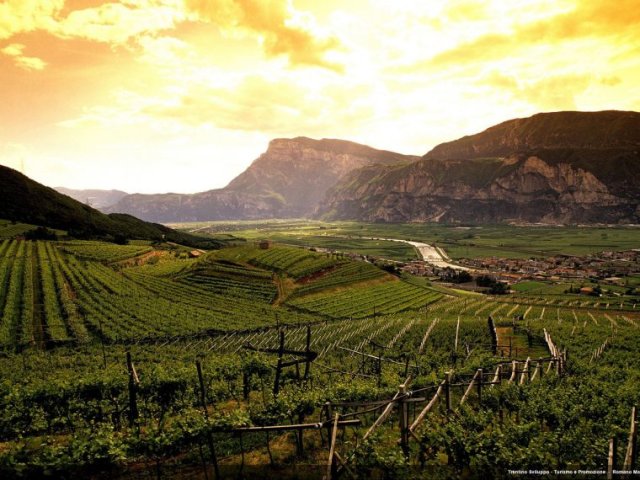
Mastroberardino is a Campanian wine estate in Atripalda, deep in the Irpinia hills outside Avellino. The linked bottle range currently centres on Campania IGT, with grapes such as Aglianico.
Aglianico
Fiano
Piedirosso
 Est. 1902
Trentino-Alto Adige
Trento
Est. 1902
Trentino-Alto Adige
Trento
Cantine Ferrari
Trentodoc since 1902. Chardonnay-led Metodo Classico from organic mountain vineyards in Trentino, run by the third generation of the Lunelli family.
Chardonnay
Pinot Nero
 Est. 1937
Piedmont
Alba
Est. 1937
Piedmont
Alba
Ceretto
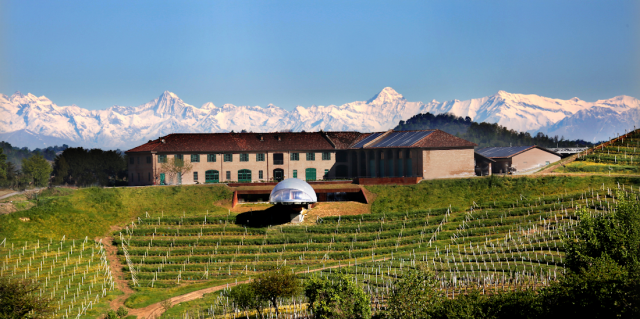
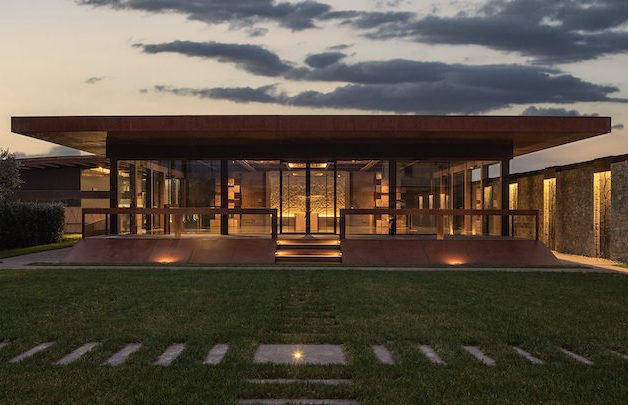
Three generations of single-vineyard Barolo and Barbaresco from Alba, farmed organically. Glass tasting pavilions stand among the vines, and the Sol LeWitt and David Tremlett Chapel of Barolo sits above La Morra.
Nebbiolo
Arneis
Barbera
 Est. 1877
 Tuscany
Bagno a Ripoli
Tuscany
Bagno a Ripoli
Ruffino
The 1877 Chianti house behind Riserva Ducale, now welcoming visitors at Casa Ruffino, its villa estate ten minutes from Florence.
Sangiovese
Merlot
Cabernet Sauvignon
 Est. 1924
 Veneto
Negrar di Valpolicella
Veneto
Negrar di Valpolicella
Giuseppe Quintarelli
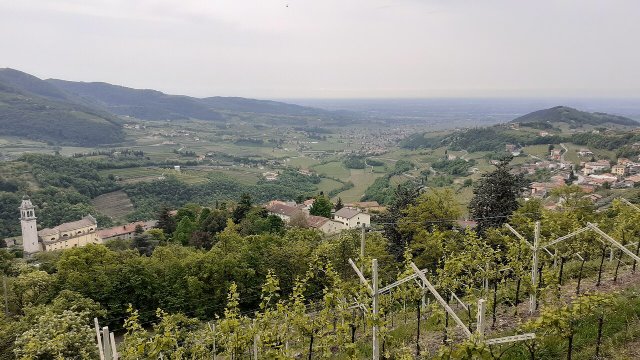
The reference Amarone della Valpolicella estate, founded at Cerè in 1924 and run today by the fourth generation. Grapes dry for months before years in Slavonian oak casks, shaping the Amarone Classico, Recioto, the Cabernet blend Alzero and Rosso del Bepi.
Rondinella
Corvina
Corvinone
 Lombardy
Borgonato
Lombardy
Borgonato
Guido Berlucchi
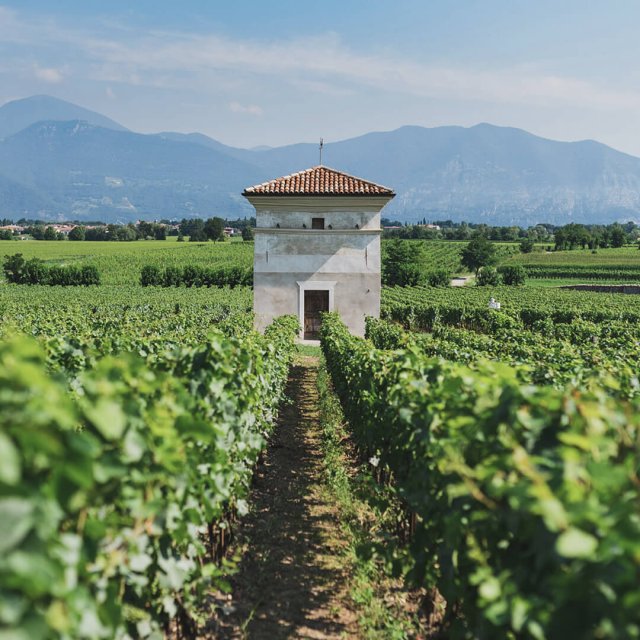
The cellar that produced Italy's first metodo classico in 1961, founded by Guido Berlucchi and Franco Ziliani at Palazzo Lana in Borgonato. The Ziliani siblings now lead the largest single estate in Franciacorta. Its 85 hectares of certified organic vines support a range that climbs from Cuvee Imperiale to the cellar-aged Palazzo Lana Riserva.
Chardonnay
Pinot Nero
 Puglia
Fasano
Puglia
Fasano
Tagaro
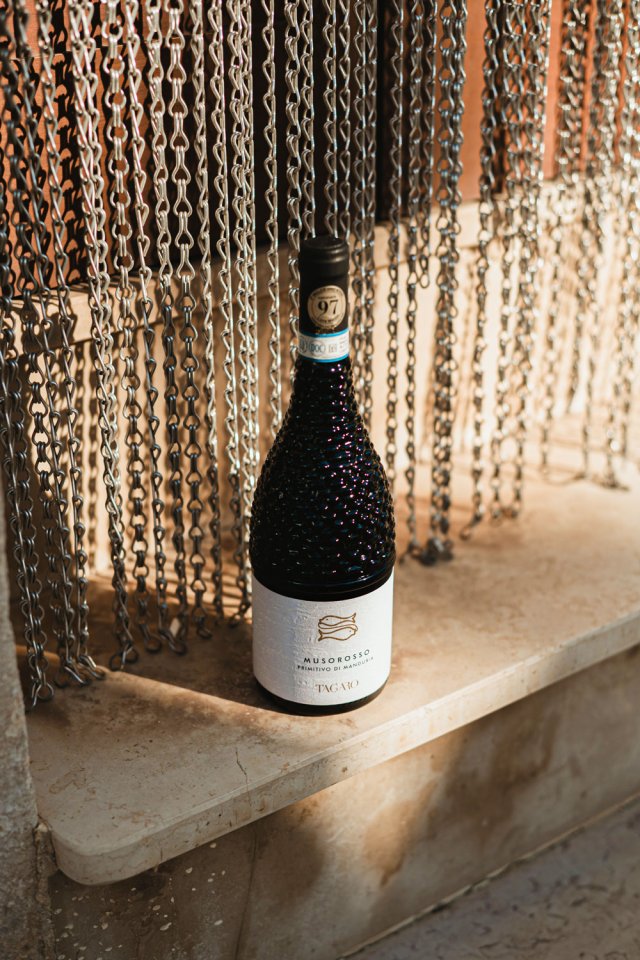
Tagaro is a family-run Apulian estate at Fasano, farming around forty hectares across the Itria Valley, the Salento and the Murgia. Mancinello Nero di Troia, Cinquenoci Primitivo, Sei Caselle Negroamaro and the Pinataro line sit under Puglia IGT. Muso Rosso and the flagship Gravità Riserva carry Primitivo di Manduria DOC.
Primitivo
Negroamaro
Merlot
 Est. 1772
Veneto
Gargagnago di Valpolicella
Est. 1772
Veneto
Gargagnago di Valpolicella
Azienda Agricola Masi
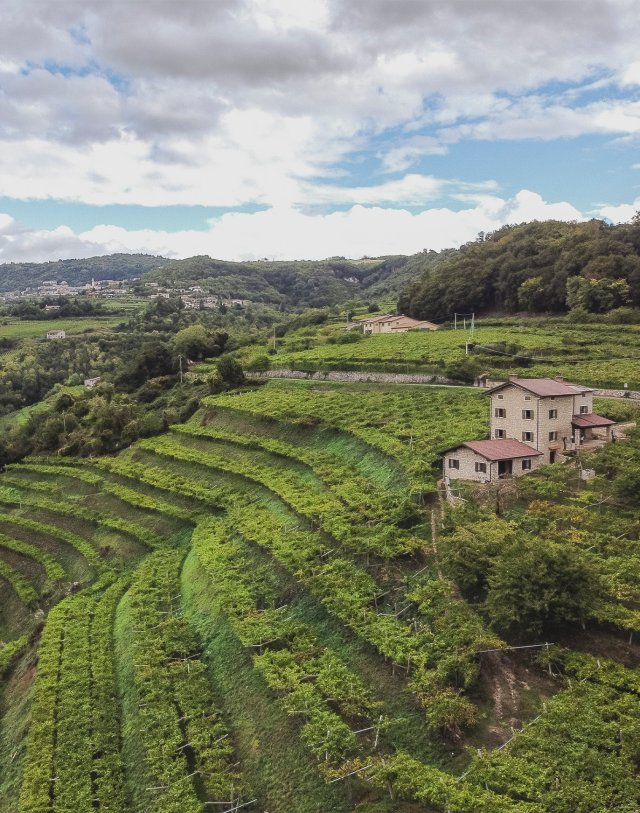
Founded in 1772 by the Boscaini family, who still run it through the sixth, seventh and eighth generations. The base is Monteleone21 above Sant'Ambrogio di Valpolicella, with cellar tours, tastings and the Locanda Costasera restaurant. The house signature is Costasera Amarone della Valpolicella Classico DOCG.
Molinara
Rondinella
Corvina
 Marche
Ascoli Piceno
Marche
Ascoli Piceno
Azienda Vitivinicola Velenosi
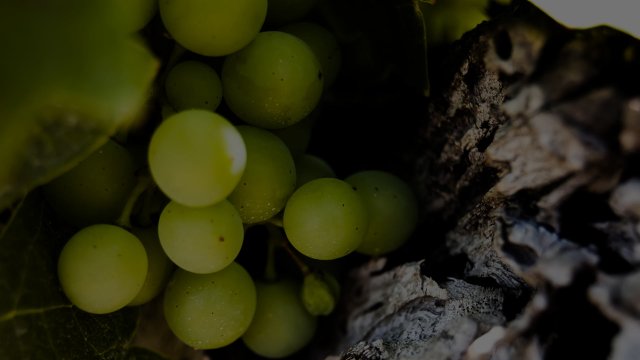
Founded in 1984 in Ascoli Piceno by Angela and Ercole Velenosi. Five Marche estates plus an Abruzzo vineyard make around 2.5 million bottles a year, with Equalitas certification. The reference reds Roggio del Filare and Ludi anchor the Piceno range, with a certified organic Pecorino Offida DOCG on the white side.
Montepulciano
Passerina
Chardonnay
 Piedmont
Barbaresco
Piedmont
Barbaresco
Gaja
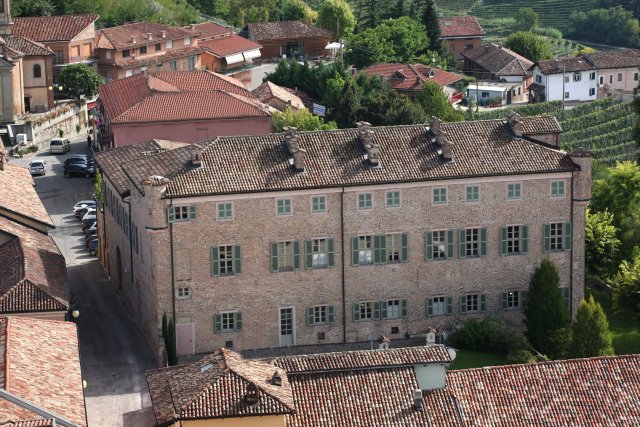
A family estate in Barbaresco run by the Gaja family since 1859. Nebbiolo leads through Barbaresco, Barolo Sperss and the single-vineyard Sori Tildin, with the Langhe blend Sito Moresco alongside.
Nebbiolo
Cabernet Sauvignon
Chardonnay
 Friuli Venezia Giulia
Brazzano Cormons
Friuli Venezia Giulia
Brazzano Cormons
Livio Felluga
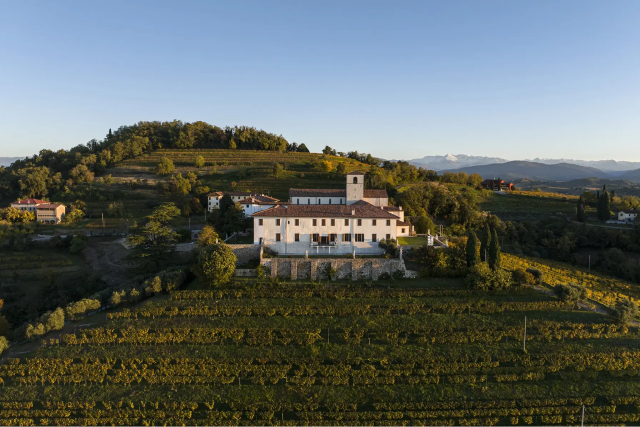
Livio Felluga put a map of Friuli on his labels in 1956 and rebuilt the Rosazzo hills. His children run the estate today: Terre Alte, Picolit, everyday Friulano and Pinot Grigio, and tastings by appointment at the Abbey of Rosazzo.
Chardonnay
Ribolla Gialla
Friulano
 Liguria
Ortonovo
Liguria
Ortonovo
Lunae
Four generations of the Bosoni family farm 65 hectares of Ligurian Vermentino, Albarola and Vermentino Nero in the Colli di Luni, between the Apuan Alps and the Gulf of La Spezia. Etichetta Nera and Etichetta Grigia set the modern benchmark for the appellation, with Tre Bicchieri 2026 and a Wine Spectator Top 100 listing. Visits run year-round at Ca' Lunae, an 18th-century farmhouse turned tasting room and Wine Museum.
Vermentino
Albarola
Albarossa
 Est. 1926
Veneto
Valdobbiadene
Est. 1926
Veneto
Valdobbiadene
Valdo Spumanti
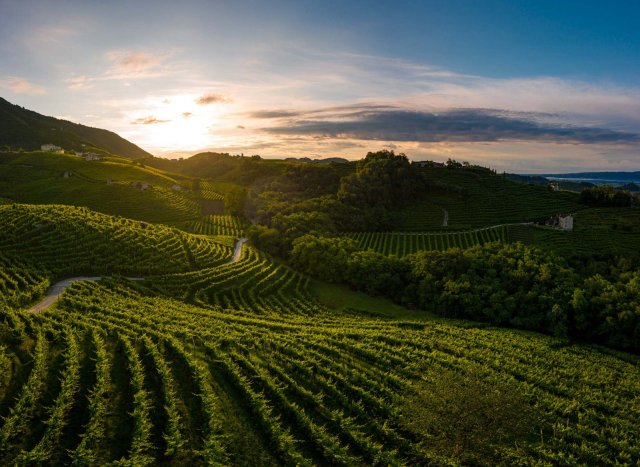
Valdo is the Bolla family's sparkling wine house in Valdobbiadene, founded in 1926 and one hundred years old in 2026. Seventy growers supply the cellar, whose best-known labels are Marca Oro, Cuvée di Boj and the Cartizze Cuvée Viviana. Visitors can book guided tastings at the cellar and sleep at Casa Valdo, the family's country house among the Pradase vines.
Glera
Chardonnay
Garganega
 Friuli Venezia Giulia
Dolegna del Collio
Friuli Venezia Giulia
Dolegna del Collio
Azienda Agricola Venica & Venica
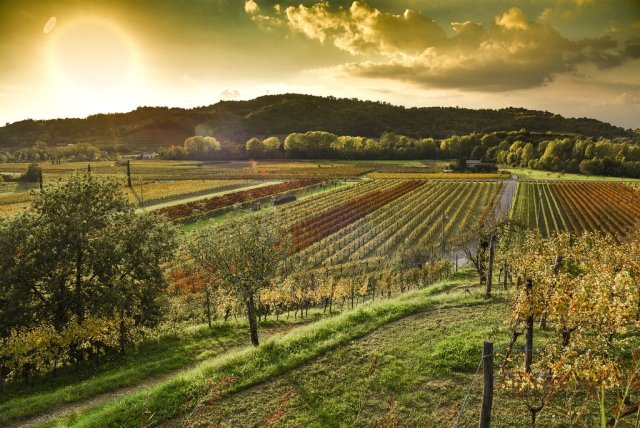
Fourth-generation family estate at Dolegna del Collio: Tre Bicchieri Sauvignon and Friulano, cellar visits Monday to Saturday, and rooms among the vines.
Friulano
Merlot
Sauvignon Blanc
 Tuscany
Cetona
Tuscany
Cetona
Barbanera
Tuscan wine house at Cetona, founded 1938 and now in its fourth family generation. Soft Toscana IGT reds, a Chianti and a governo-method Saracosa.
Merlot
Sangiovese
 Puglia
Cellino San Marco
Puglia
Cellino San Marco
Cantine Due Palme
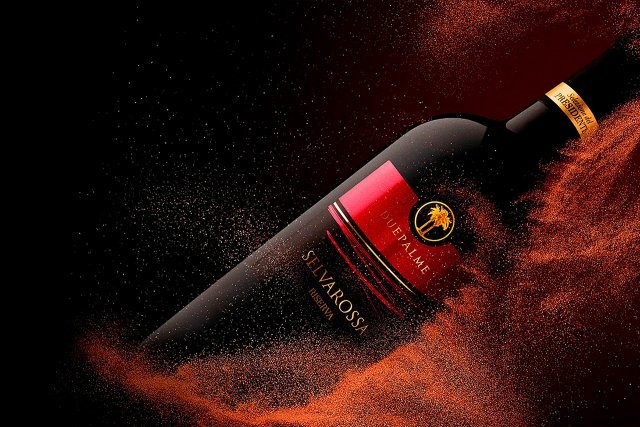
A cooperative of more than 1,200 Salento growers based in Cellino San Marco. Its reds run from Brindisi DOP and Salice Salentino riservas to Salento IGP Negroamaro, Primitivo and Susumaniello, all made in one cellar.
Negroamaro
Malvasia Nera
Primitivo
 Est. 1919
Piedmont
Gavi
Est. 1919
Piedmont
Gavi
La Scolca
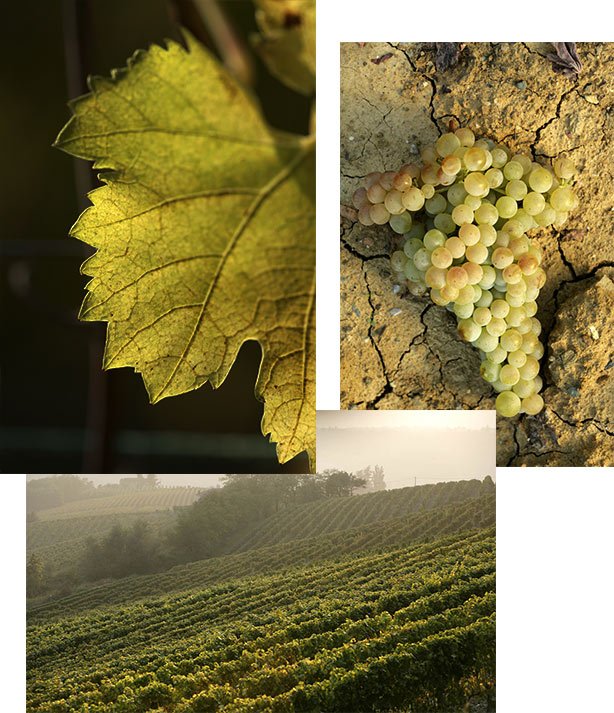
The Soldati family's Gavi DOCG estate at Rovereto di Gavi, founded in 1919. Home of the Black Label Gavi dei Gavi.
Cortese
Pinot Nero
 Umbria
Torgiano
Umbria
Torgiano
Lungarotti
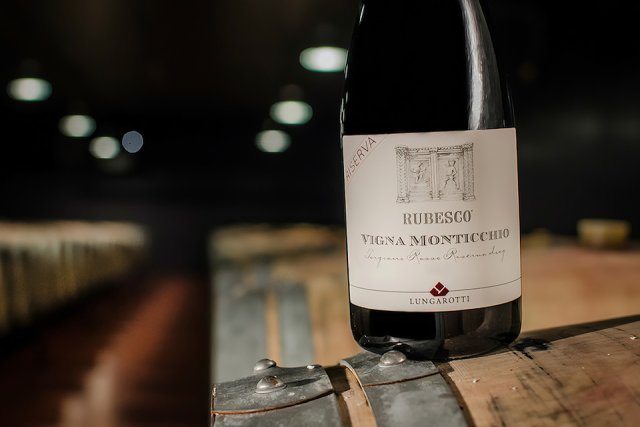
The Lungarotti family's modern winery, founded by Giorgio in 1962 in the Tiber valley town of Torgiano. It bottles Umbria's first DOCG, Torgiano Rosso Riserva, from the Vigna Monticchio cru, alongside the everyday Rubesco Rosso di Torgiano DOC and a Montefalco Sagrantino range from Tenuta Brancalupo. VIVA-certified and run by the sisters Chiara and Teresa, with two cellars open for tasting, two museums and the Le Tre Vaselle relais.
Sangiovese
Grechetto
Vermentino
 Umbria
Montefalco
Umbria
Montefalco
Arnaldo Caprai
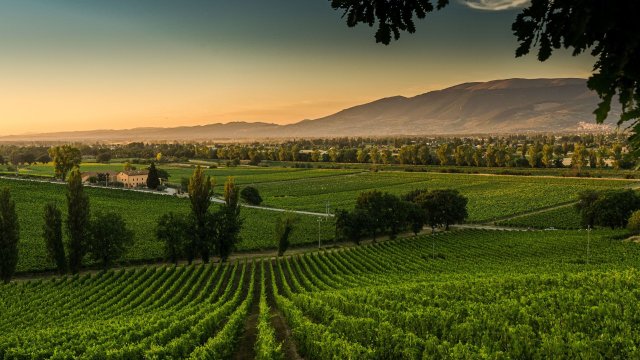
Founded by Arnaldo Caprai in 1971 and led by his son Marco since 1986, this Montefalco estate set the modern dry Sagrantino style. The 25 Anni is its benchmark wine. The cellar runs tastings every day and holds the Equalitas sustainability standard.
Sagrantino
Merlot
Sangiovese
 Tuscany
Montepulciano
Tuscany
Montepulciano
Avignonesi
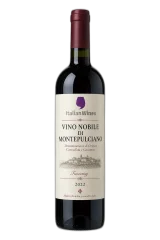
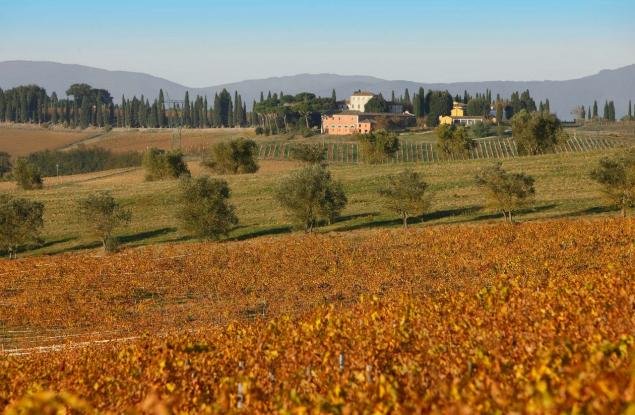
Avignonesi makes Vino Nobile di Montepulciano, Rosso di Montepulciano and Vin Santo at Le Capezzine, near Montepulciano. The estate farms organically and biodynamically and hosts tastings, tours and cooking classes. Its listed bottles span Toscana IGT and Bianco dell'Empolese DOC, with grapes such as Sangiovese, Grechetto and Merlot.
Sangiovese
Merlot
Cabernet Sauvignon
 Lombardy
Lugana di Sirmione
Lombardy
Lugana di Sirmione
Azienda Agricola Ca’ dei Frati
Founded in 1939 by Felice Dal Cero on a Lugana site documented since 1782, Ca' dei Frati helped create the Lugana DOC in 1969. The family farms Turbiana for I Frati and the Brolettino. A wider Garda range runs from Pratto and Rosa dei Frati to Ronchedone and a small Pietro Dal Cero Amarone.
Turbiana
Marzemino
Sangiovese