About Lunae
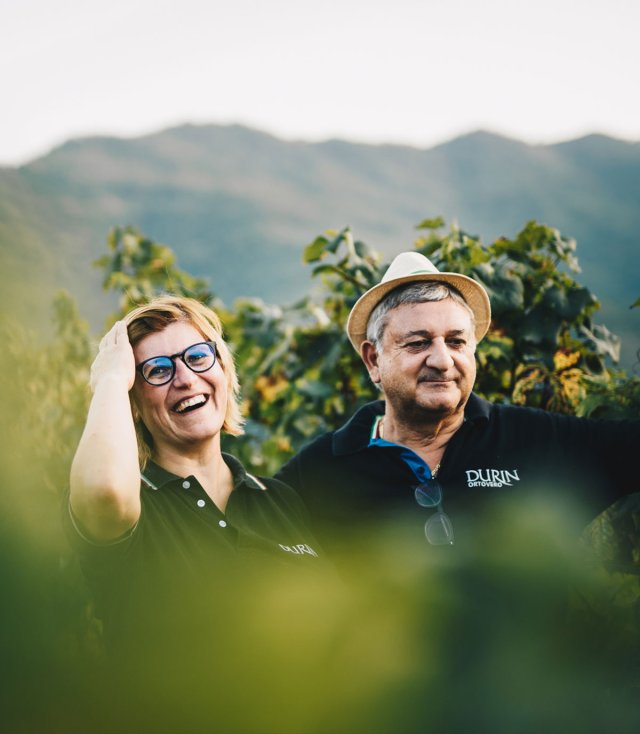
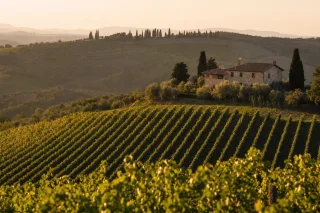
The Bosoni family has farmed the Magra valley for four generations. The Romans called this wine zone Portus Lunae, after the colony they founded at the river's mouth in 177 BC. Pliny the Elder rated the area's wines above the rest of Etruria. That long pedigree gave the winery its name. Today the estate is made of small parcels scattered across hill and foothill soils. Fruit from roughly 100 small local growers adds to the family's own 65 hectares.
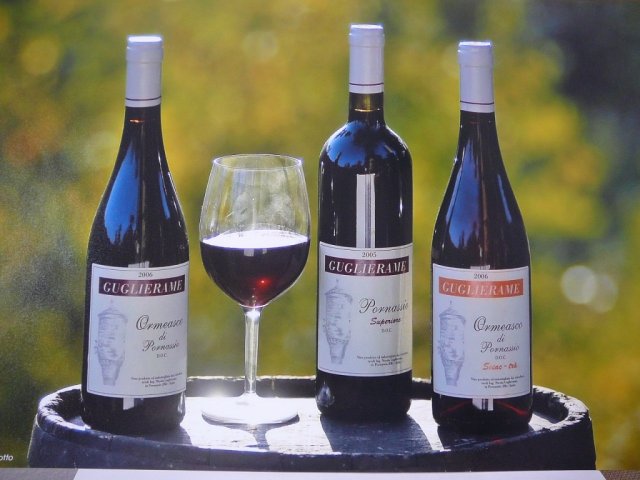
Vermentino is the grape the estate is known for. Etichetta Nera and Etichetta Grigia are the labels that defined the modern Colli di Luni style. James Suckling scored the 2024 vintages 95 points for Etichetta Nera and 93 for Etichetta Grigia. Etichetta Nera 2024 also took Tre Bicchieri from Gambero Rosso, and Etichetta Grigia made Wine Spectator's Top 100 of 2025. Beyond Vermentino, the range protects local varieties most other producers had abandoned. Albarola, Vermentino Nero, Pollera Nera and Massareta are among them.
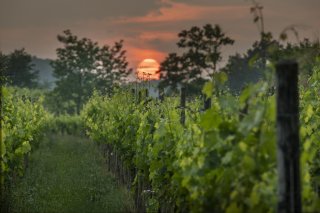
The LVNAE cellar, built with the designer Andrea Del Sere, is part of the public identity. Sloping planes covered in grass echo the Apuan terraces. The wine ferments in temperature-controlled stainless steel, and ageing leans on large oak casks. A solar roof, ground-source climate control and rainwater capture handle most of the energy load. In the vineyards the team works without herbicides, feeds the soil naturally and harvests by hand into small crates.
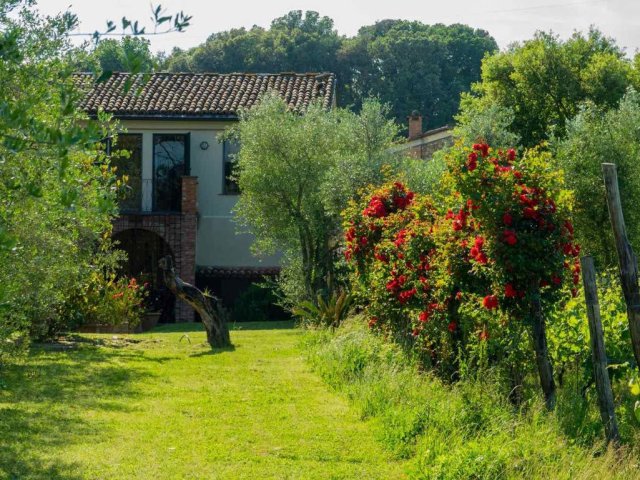
The visitor side runs out of Ca' Lunae, an 18th-century farmhouse in Castelnuovo Magra. The family restored it as an enoteca, tasting room, liqueur shop and Wine Museum. The museum grew from Paolo Bosoni's collection of old farm objects from the region. Three set visit paths run all year round, with booking ahead. The family's stated view is that the producer should go with the wine, not force it, so it can speak for the land it comes from.
Editorial · ItalianWines.co.uk










 Liguria
 14 wines
  Tastings
 Tours
Tours
 Booking required