






Visiting Friuli's Wineries: How to Book and Where to Go
TL;DR
- Friuli has almost no walk-in cellar doors, so a visit here means booking a small family estate weeks ahead by email.
- Expect about 25 to 45 euros a head for a tasting with a cellar walk, usually poured by the family who made the wine.
- The Collio estates sit within about 20 kilometres of each other, so three visits in a day is comfortable without a long drive.

My day
Tap + Add to my day on any estate below. The driving order and the day's timing work themselves out here.
My day
Drawing your day...
Friuli Does Not Really Do Cellar Doors
If you have toured Chianti or the Langhe, unlearn the habit first. In Friuli you cannot drive up a track, park, and walk into a tasting room. Almost every estate here is a family holding of a few hectares. There is no visitor centre and often no one whose job is visitors.
That sounds unwelcoming. It is the opposite. Book properly and you get something the big regions cannot sell you. The person pouring is usually the grower, or their son or daughter. They will walk you into the actual cellar, not a room built to look like one.
Sicily's estates, by contrast, are set up for visitors arriving in numbers, with staff whose job is exactly that. Friuli never built any of it, and does not intend to.
Every Friulian estate we list asks you to book first. Not one takes walk-ins. Plan around that and the region opens up. Turn up hoping, and you will spend the day looking at closed gates.
The trade-off is that you must decide your route before you leave home. Two or three estates a day is the sensible ceiling, because each visit runs an hour or more and nobody is rushing you out.
Eight Villages, Twenty Kilometres
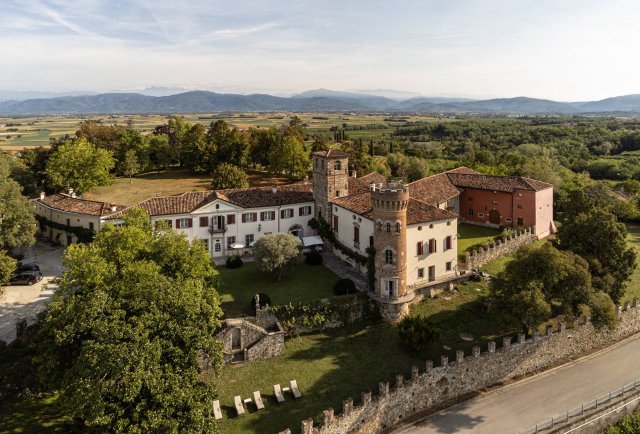
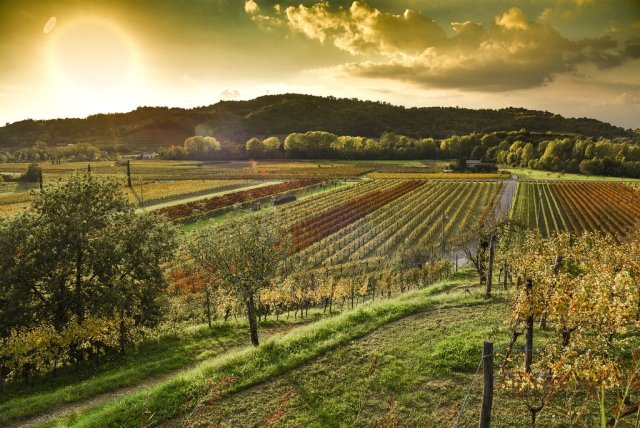
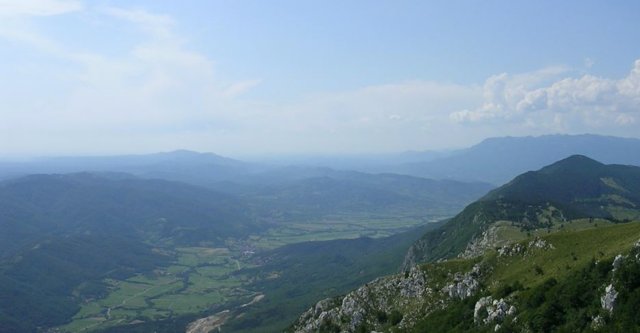
The Collio is the hilly strip along the Slovenian border, north and west of Gorizia. Its vineyards spread across eight villages: Cormons, Capriva del Friuli, Dolegna del Collio, Farra d'Isonzo, Gorizia, Mossa, San Floriano del Collio and San Lorenzo Isontino.
The whole zone fits inside roughly 20 kilometres. That is the single most useful fact for planning. Estates that sound scattered on a map are ten or fifteen minutes apart on small roads.
It is also busier than it looks. The Collio consortium counts around 270 growers and bottlers working about 1,300 hectares, so those eight villages hold far more producers than any shortlist can show. Almost none of them has a shop front, which is why the region feels empty when you drive through it.
Cormons is the natural base. It sits at the southern end, has places to eat and sleep, and puts you within half an hour of nearly every cellar worth the trip. Gorizia works too if you want a town with more going on in the evening.
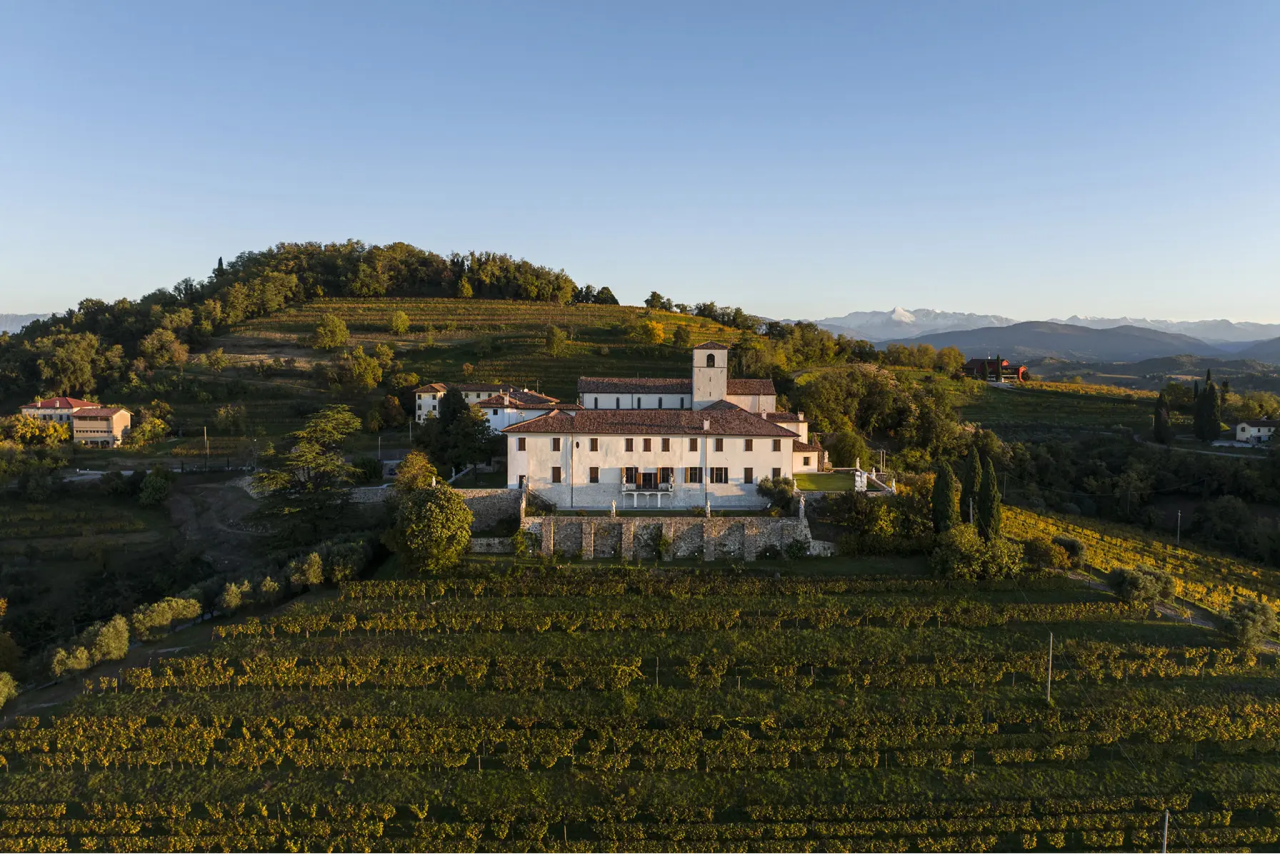
West of Cormons the hills carry on as the Colli Orientali, around Cividale del Friuli, Buttrio and Prepotto, twenty to thirty minutes away. This is where visiting is easiest. Livio Felluga pours in its tasting rooms at the Abbey of Rosazzo, and Bastianich runs cellar tastings outside Cividale. Castello di Buttrio is a castle hotel with four tastings to book. Spolert at Prepotto does picnics in the vines and cooking classes.

 16
16


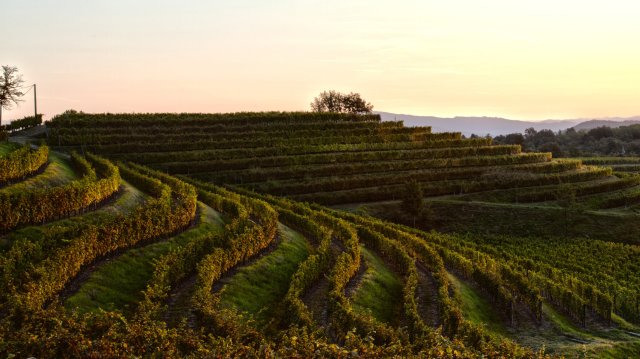
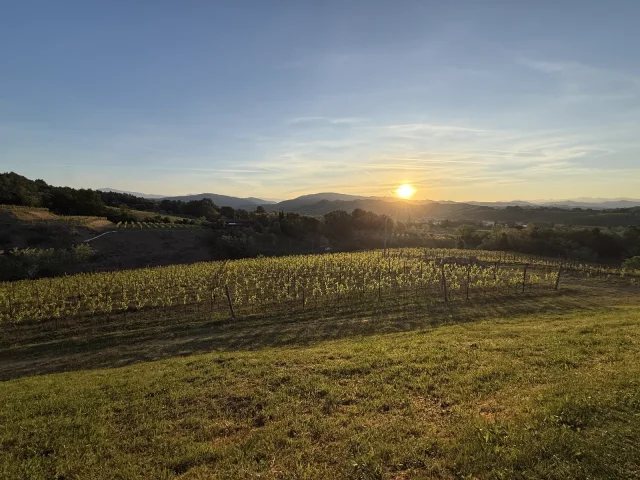
South of the hills, the flat Isonzo plain grows fine whites on gravel rather than marl. It is a short hop, and worth it if you like a leaner, more precise style. Lis Neris at San Lorenzo Isontino is the easiest place to see the difference. Further west, the Grave is the wider region's big everyday zone, and Carso is a rocky sliver above Trieste.
Do not try to combine Collio and Carso in one day. They are an hour apart and pull in different directions.
How to Book: Email First, Weeks Ahead
Write, do not phone. Most estates read email in English, and a written request gives them time to answer properly. Phone calls tend to reach a mobile in the middle of a vineyard.
Three to four weeks ahead is comfortable in spring and autumn. In August and during harvest, make it longer. A small estate with one family answering can genuinely be full.
Say four things in the first message.
- How many of you there are.
- Which day and rough time.
- Whether you want a cellar walk or just a tasting.
- What you already like, because that changes what they open.
Keep the group small. Many of these cellars comfortably hold six to ten people, and some prefer fewer. If there are twelve of you, expect to be turned down or split.
Confirm a few days before you travel. Plans change on a farm, and a short note avoids a wasted drive.
If you do not know where to start, the region runs an official network called the Strada del Vino e dei Sapori del Friuli Venezia Giulia. It lists the estates, shops and restaurants that have signed up to receive visitors, which is a faster filter than guessing from a wine list.
One practical warning: do not book two estates back to back with thirty minutes between them. A Friulian visit overruns because the grower is enjoying it. Leave an hour of slack.
What a Tasting Costs and How Long It Takes
The going rate across the Collio is about 25 to 45 euros a head. That is not a token fee for a splash in a plastic cup. It buys a proper sit-down with several wines and someone explaining them.
| What you are planning | Typical figure | What it means for you |
|---|---|---|
| A tasting | 25 to 45 EUR | 25 EUR for five wines at Schiopetto; 35 EUR for five wines with a cellar walk at Venica & Venica; 40 EUR adds the cellar and the vineyards over about two and a half hours |
| Time at one estate | 60 to 120 minutes | An hour at minimum, two with the cellar; leave an hour of slack between estates |
| Booking | Every estate asks | Email three to four weeks ahead in spring and autumn, longer in August and at harvest |
| Group size | Six to ten people | Many cellars hold six to ten; twelve will be turned down or split |
| When to go | May to JuneSeptember to October | Long light and open cellars in late spring; harvest in autumn, when growers have least time |
At Schiopetto in Capriva del Friuli, 25 euros gets you five of the estate's wines, and 40 euros adds the cellar and the vineyards over about two and a half hours. Russiz Superiore, in the same village, runs a similar ladder: three wines in an hour, four wines in ninety minutes, or five over two hours. Venica & Venica at Dolegna charges 35 euros for five wines with a cellar walk and 45 for seven, two of them older vintages.
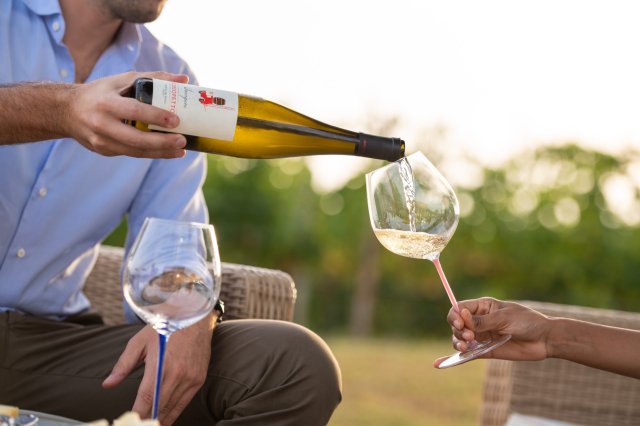
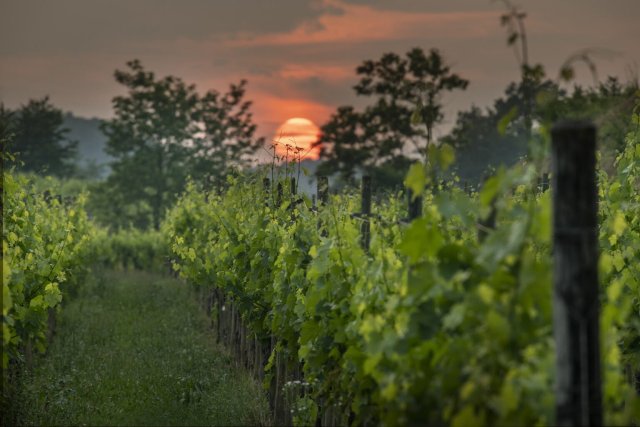
Those numbers are typical rather than exceptional. Budget 40 euros a head and you will rarely be surprised.
Expect an hour at minimum and two hours if the cellar is included. Nobody here does a fifteen-minute pour.
Most tastings walk you through the house range in order. That usually means Friulano and Pinot Grigio before anything unusual comes out of the cellar.
Bring cash as a backup. Card machines exist but are not universal in a working farm building, and phone signal in the hills is patchy.
Most estates will sell you bottles at the door, and that is usually the only way to buy the small cuvees that never leave the region. The bigger names do reach UK shelves, so you can taste before you travel.
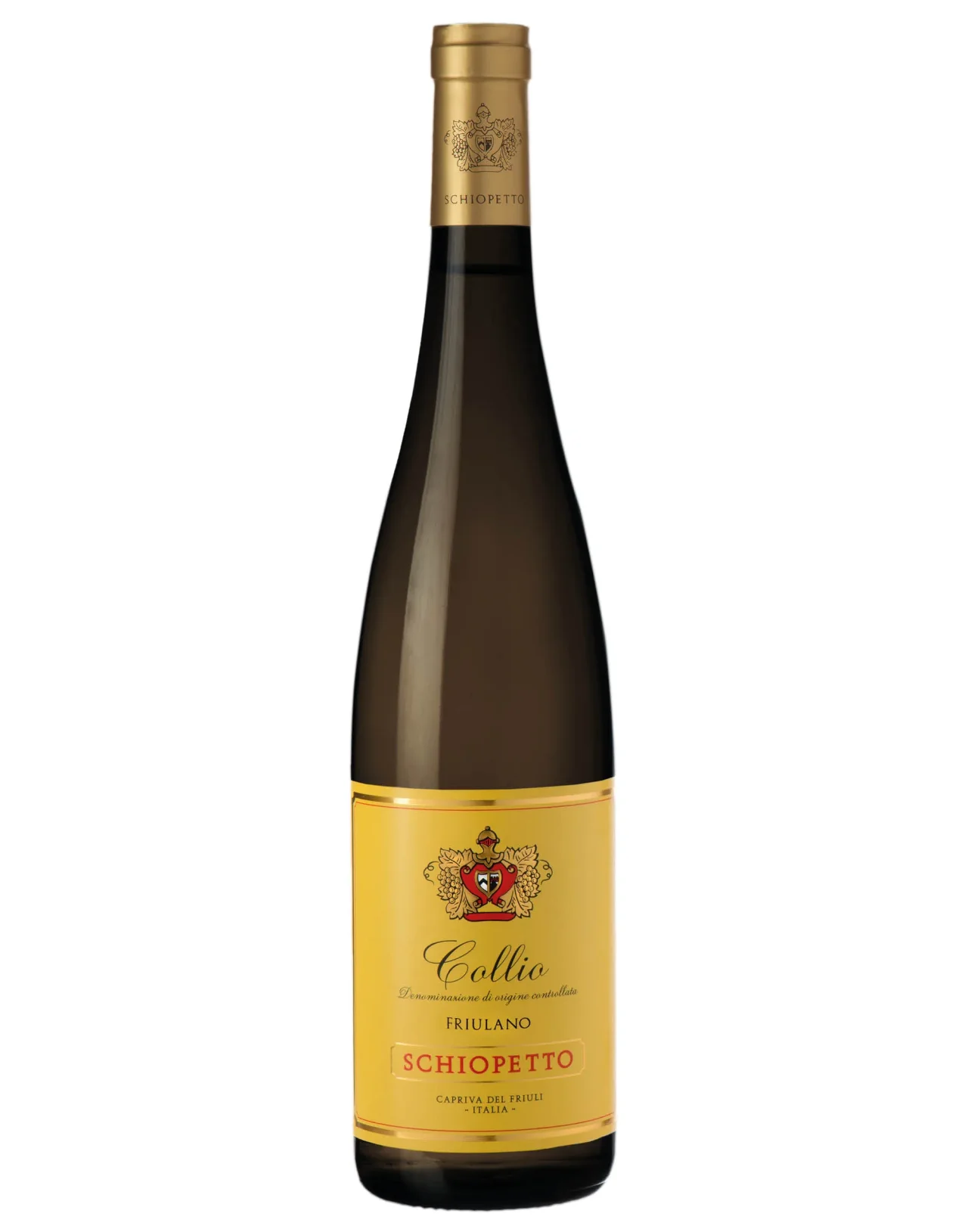
Collio DOC Friulano Schiopetto 2024
View Wine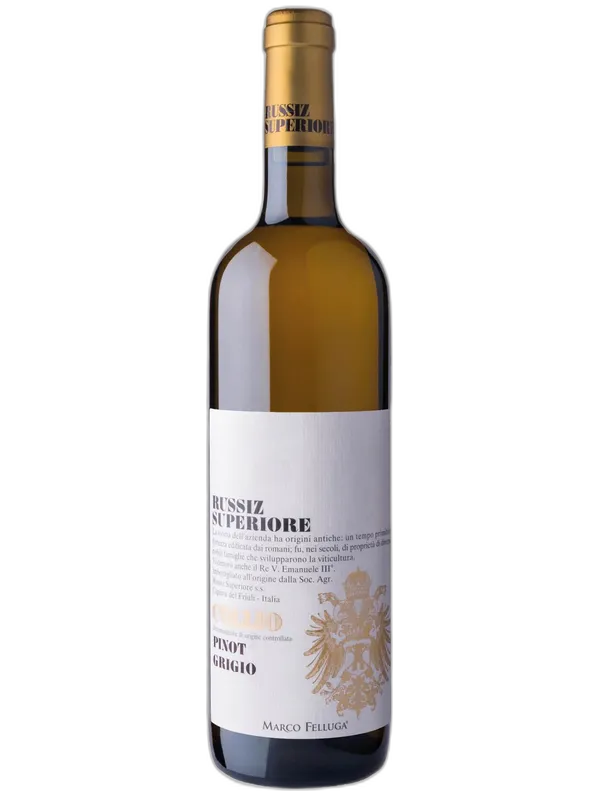
Collio Pinot Grigio DOC Russiz Superiore 2025
View Wine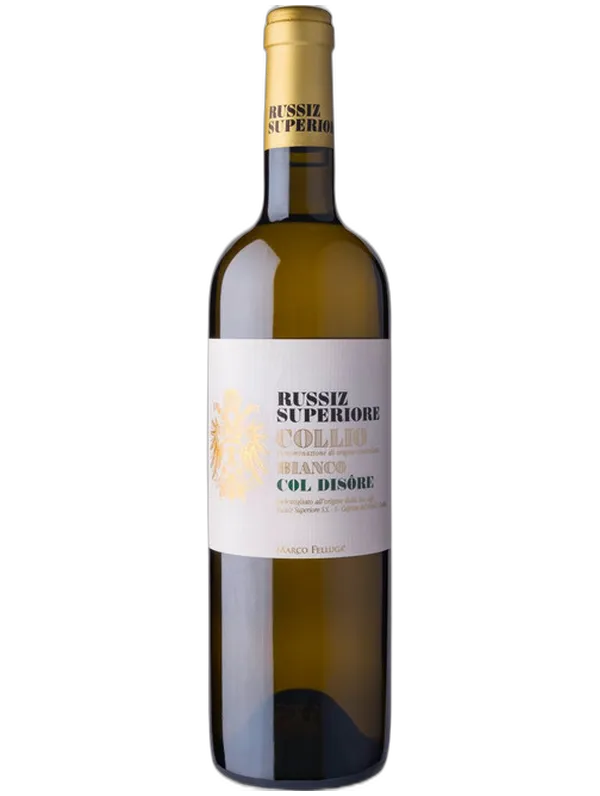
Azienda Agricola Russiz Superiore Col Disore 2022
Russiz Superiore's flagship Collio Bianco: a barrel-fermented blend of Pinot Bianco, Friulano, Sauvignon and Ribolla Gialla. Straw-gold, with acacia, grapefruit, stone fruit and almond, a salty texture and a long, age-worthy finish.
View Wine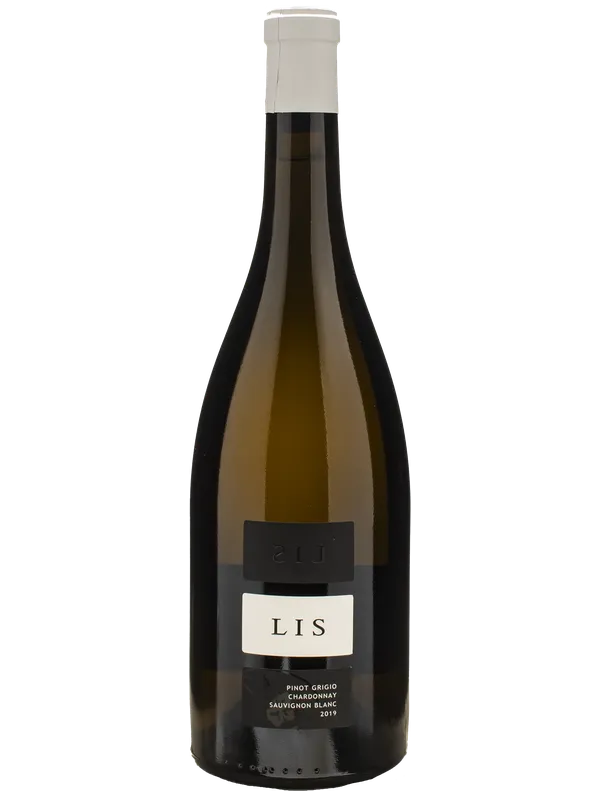
Friuli Isonzo Bianco DOC Lis Neris 2019
View Wine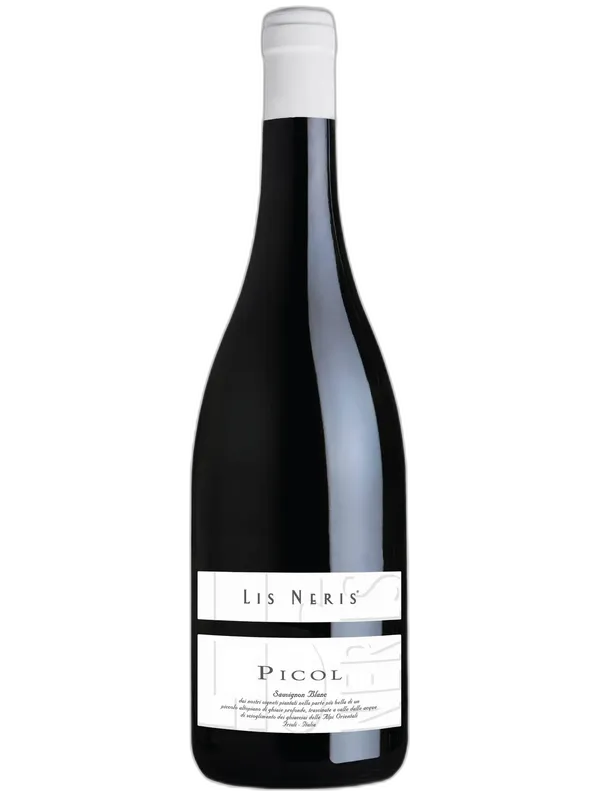
Friuli Isonzo Sauvignon DOC Picol Lis Neris 2022
View WineOslavia: One Ridge, Three Amphora Cellars
Oslavia is a hamlet above Gorizia, and it is the reason a certain kind of wine drinker comes to Friuli at all. Three of its estates sit within a few minutes of each other, and between them they restarted skin-contact white wine for the modern world.
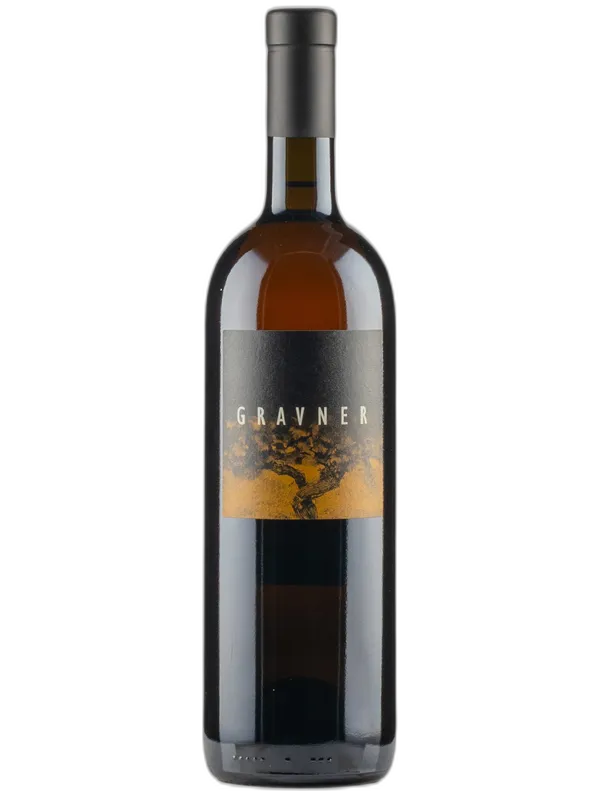
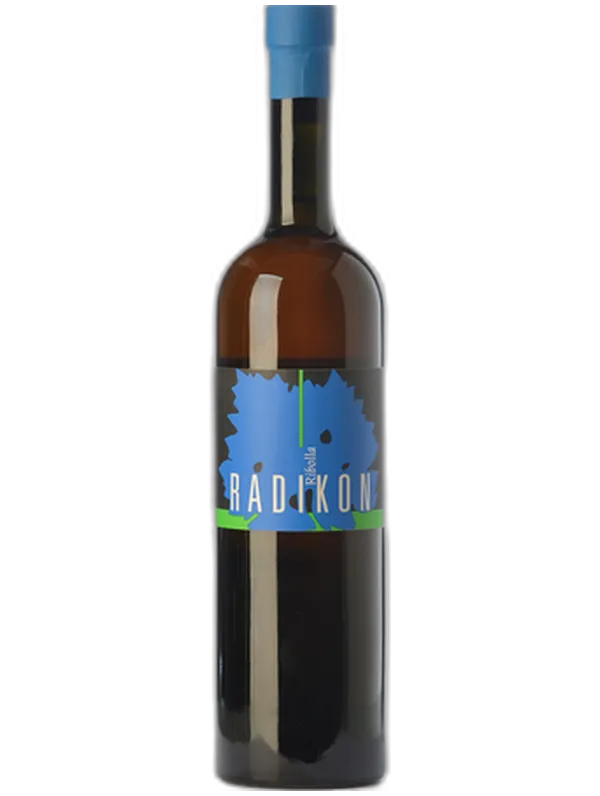
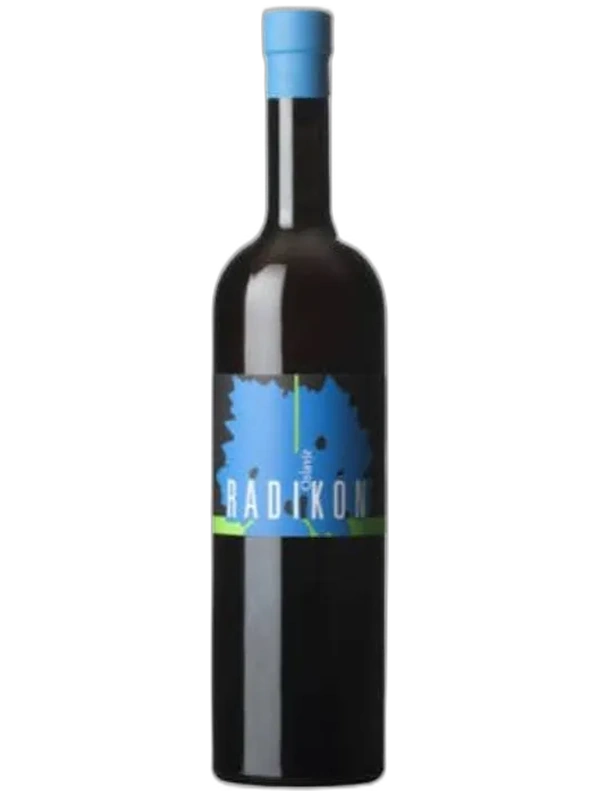
Josko Gravner buries Georgian clay vessels in the floor of his cellar and ferments Ribolla Gialla in them on the skins. Stanko Radikon's family did the same thing on their own terms and their wines still arrive in unusual bottle sizes. La Castellada, on the same ridge, works in the same idiom with a lighter touch.
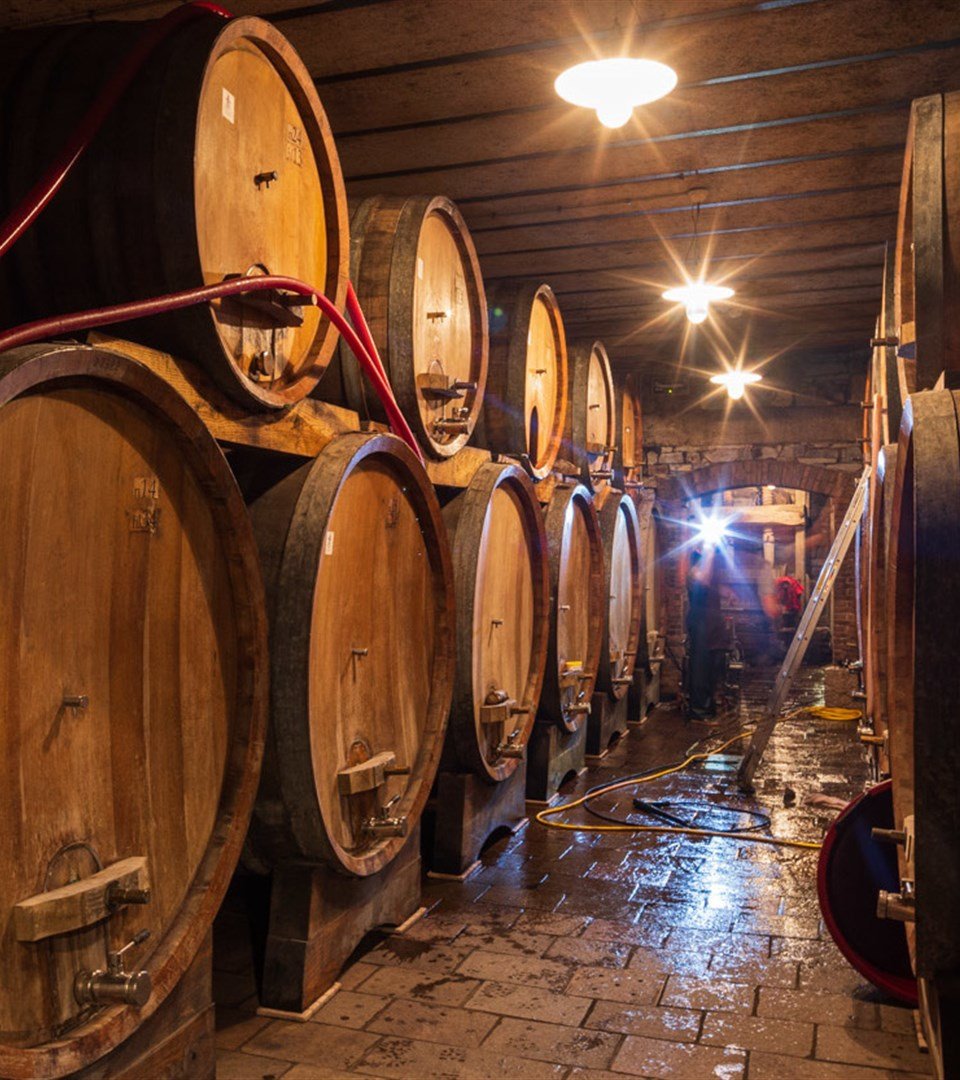
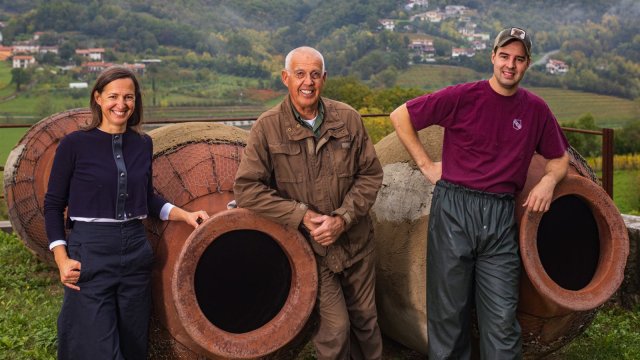
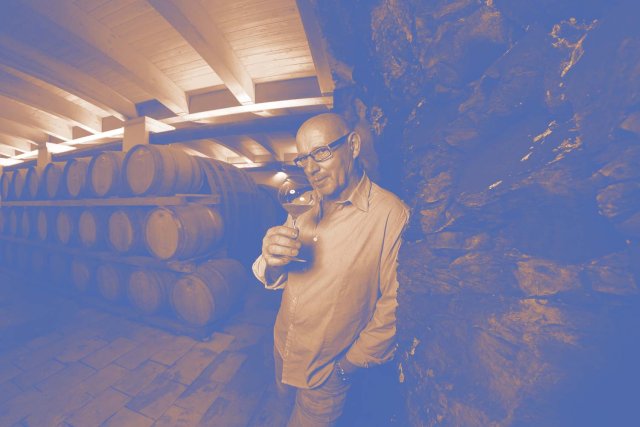
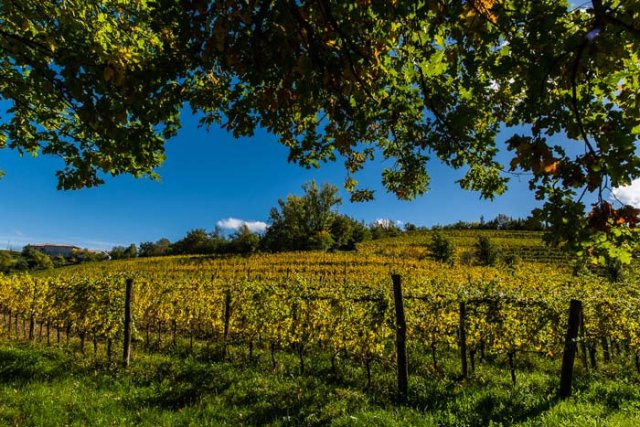
Seeing all three in a day is geographically easy and mentally heavy going. These are serious, tannic, oxidative whites, and three cellars of them in six hours is a lot. Two is a better day.
Ask to see the vessels. The buried amphorae are not a marketing prop, and standing over them explains the wines faster than any tasting note.
If skin-contact whites are new to you, taste one before you commit a day to the hill. They divide people sharply, and there is no point driving to Oslavia to discover you dislike the whole idea.
The Border Runs Through the Vineyards
The Collio does not stop at the border. It carries on into Slovenia as Brda, the same hills with a different language. Some growers own rows on both sides.
Crossing is unremarkable now. Both countries are in the Schengen area, so on the small roads you often only notice because the signs change. Take your passport anyway, and check your car hire agreement covers Slovenia, because some UK-booked rentals do not.
Gorizia and Nova Gorica are effectively one city split by a line drawn after the Second World War. In 2025 they held the European Capital of Culture title together, the first time it had been shared across a border. Piazza Transalpina, the square that sits astride the border, is worth ten minutes.
Practically, this doubles your options. If a Collio estate cannot fit you in, the Brda side is twenty minutes away and works the same grapes.
Guided days in the Collio: what is on sale
Friuli sells very few guided wine days, which follows from everything above: the estates are small and the visits are booked directly. What exists is mostly private, priced per person for a car and a guide from Trieste, Cividale or the Isonzo plain, and a few single-cellar tastings. If nobody in your party will drive, they are the way in. If someone will, the estates in this guide cost less and put the grower in front of you.
The table lists what our partners sell in the region with a real cellar stop. The private days name their estates on booking. The Karst day from Trieste crosses the Carso plateau rather than the Collio, and it is here because the Carso is the other Friulian wine you can reach from the city. Every wine road page lists the guided tours that follow it.
| Tour | From, length | Price, rating |
|---|---|---|
| Collio: Cividale del Friuli and Wine Tastings from TriesteBook viaViator | Trieste, 5 h | 135.69 EUR9 reviews |
| Wine Tasting in the Collio with a Guided Tour of CividaleBook viaViator | Cividale, 6 h, private | 499 EUR2 reviews |
| Vespa and Vineyards: Collio Goriziano with TastingBook viaViator | San Pier d'Isonzo, 8 h by Vespa | 90 EUR, no reviews yet |
| Discovering the Native Friulian Vines, with a TastingBook viaViator | 2 h at one estate | 80 EUR, no reviews yet |
| Guided Tasting and Vineyard Visit at a Wine Castle in the GraveBook viaViator | Grave del Friuli, 2 h | 18 EUR5 reviews |
| Family Winery Tour and Tasting in GradoBook viaViator | Grado, 1.5 h, five wines | 41.10 EUR5 reviews |
| Prosecco's Roots and the Karst Region from TriesteBook viaViator | Trieste, 6 h | 128.91 EUR13 reviews |
| Trieste's Essence: Wine and Olive Oil TastingBook viaViator | Trieste, 1 h | 32 EUR6 reviews |
When to Go, and Where to Sleep
Late spring and early autumn are the best windows. May and June give you long light and open cellars. September and October bring the harvest, though that is exactly when growers have least time.
Avoid the middle two weeks of August. Much of Italy shuts, and the estates that stay open are stretched.
Winter is quieter than people expect and can be excellent. Cellars are calm, the grower has time, and you will often be the only visitor. Bring a coat, because these are unheated working buildings.
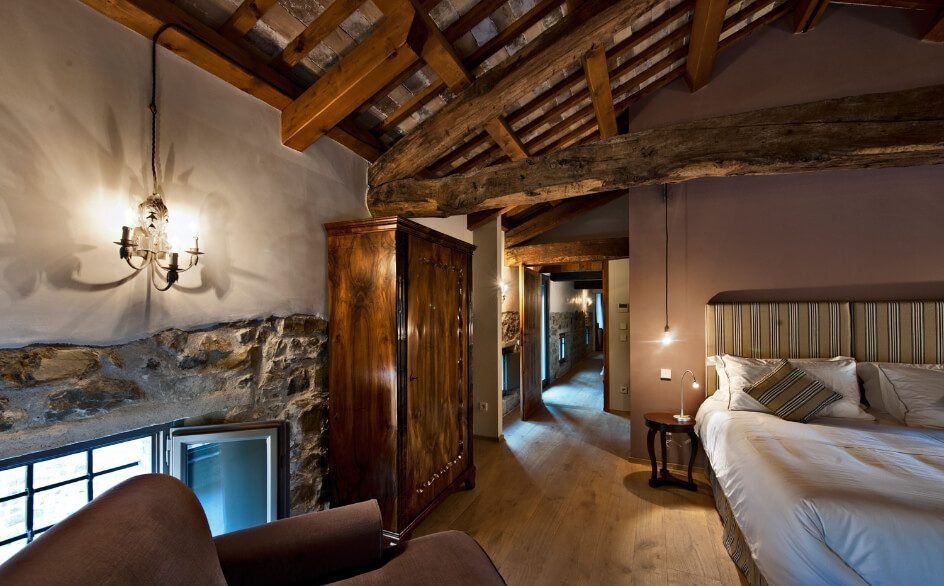
For sleeping, several estates take guests. Radikon rents rooms on the property in Oslavia, and Schiopetto has rooms at its own osteria. Venica runs six rooms and two apartments among its vines, and Castello di Buttrio is a hotel inside the castle. Staying on a working estate removes the drink-driving problem entirely, which in a region this small is the real luxury.
Eat locally and cheaply. Friuli's osterie serve San Daniele ham, frico, and cured meats that were designed for these wines long before anyone wrote a pairing guide.
Fly into Trieste, whose airport is about half an hour from Cormons. Venice and Treviso are both under two hours by road and usually cheaper from the UK.
The Friuli wine road
The Collio and Colli Orientali road has a page of its own, with the stops in drive order, the leg times and the estates on the way, and it can be saved as a trip in one click. The Carso trail above Trieste and the Grave loop past San Daniele appear on the Friuli wine roads index.
- Collio and Colli Orientali Wine Road: two days along the Slovenian border, the Gorizia loop through Oslavia, San Floriano, Cormons and Capriva, then over the Judrio into the Colli Orientali for Prepotto, Rosazzo, Buttrio and Cividale.
How this guide is built
The estates are the Friulian wineries with a page in the Italian Wines atlas that receive visitors, grouped by the hills they sit in. When an estate joins the atlas, it joins this guide; the carousels are not a fixed list. Each page was written from the estate's own site and history, and the visit facts on each card come from the estate's own booking pages and from the partner listings on Winalist and Winedering. Where an estate publishes no price, the card says so rather than guessing.
The guided days are picks from the Friuli tours sold by GetYourGuide and Viator, chosen by rating, number of reviews and whether the itinerary includes a cellar. Ratings and prices are the partners' figures on the day of publication. No estate on this page has hosted us.
Frequently asked questions
Three to four weeks is comfortable for spring and autumn, and longer for August or harvest. Friulian estates are small family businesses, so the person answering your email is often the person who makes the wine and picks the grapes. Every estate we list in Friuli Venezia Giulia asks you to book, and none takes walk-ins. Send a short email naming your group size, your date and what you like drinking.
Budget about 25 to 45 euros a head. At the lower end you get a seated tasting of several wines. At the upper end you also walk the cellar and the vineyards, usually over two hours or more. That is genuinely good value for a region making wines of this quality, and it is far less than the equivalent in Barolo or Bolgheri. Bring some cash, because card machines are not universal in working farm buildings.
Cormons for the Collio. It sits at the southern edge of the Friuli Venezia Giulia wine hills, has somewhere to eat and sleep, and puts almost every Collio estate within half an hour. Cividale del Friuli is the better base for the Colli Orientali estates, and Gorizia puts you next to the Slovenian border. Udine and Trieste are both workable but add driving to every day.
It is hard. There are trains to Cormons, Cividale and Gorizia, but the estates sit on hill roads with no useful bus service. The realistic options are hiring a driver for the day, joining an organised tour, or basing yourself at an estate that rents rooms and walking. Cycling works in good weather, since the distances are genuinely small, but the hills are steeper than the map suggests.
May, June, September and early October. Spring gives you open cellars and long evenings. Early autumn gives you the harvest, though growers are busiest then. Avoid mid-August, when much of Italy closes. Winter is underrated: the cellars are quiet, the grower has time to talk, and you may be the only visitor. Just dress for an unheated barn.
Start with Friulano, the region's own white, which finishes on bitter almond. Then Ribolla Gialla, which is the grape behind the orange wines of Oslavia. Ask for Malvasia Istriana if you see it, since it rarely leaves the area. Our Friuli white wine guide covers how these taste in more depth.