






Sicily Wine Tours: Where the Volcanic Soil Changes Your Glass
TL;DR
- Sicily is not one volcanic wine region but several, and the slope you are standing on changes the wine in your glass more than the label on the bottle does.
- Book ahead and build the trip around two or three estates a day rather than five, because the drive between Etna and the western coast is longer than the map suggests.
- A Nerello Mascalese grown on Etna's cool northern flank tastes nothing like the sun-baked Zibibbo of Pantelleria, yet both are volcanic Sicily.

My day
Tap + Add to my day on any estate below. The driving order and the day's timing work themselves out here.
My day
Drawing your day...
Sicily Has More Than One Volcano
Say "volcanic Sicily" to most people and they picture Etna, smoking gently above Catania. Fair enough: it is Europe's most active volcano and the source of the island's most collected wines. But it is not the whole story. Two hundred and fifty miles to the south-west, closer to Tunisia than to Palermo, the island of Pantelleria grows its vines in hollows scooped out of black volcanic ground. North of Milazzo, the Aeolian islands do something different again.
Each of these places is volcanic, and each tastes volcanic in a completely different way. That is the useful thing to understand before you book anything, because it turns a Sicilian wine trip from a list of cellar doors into something with a shape. If you already know the Etna wines and want the background on how the style came to be collected, our guide to Etna wines covers the history and the flavour profile in depth. This piece is about standing in the vineyards.
Etna: 133 Contrade and Four Slopes
Etna DOC was created in 1968, the oldest denomination in Sicily. What makes it unusual is that the rulebook does not stop at the boundary of the zone. It divides the volcano into named contrade, the local word for a parcel of land, and since 2011 these have been written into the rules as official sub-zones. There are 133 of them across 20 communes, and the Consorzio has since identified 9 more, which is why the newest map published by the growers shows 142.
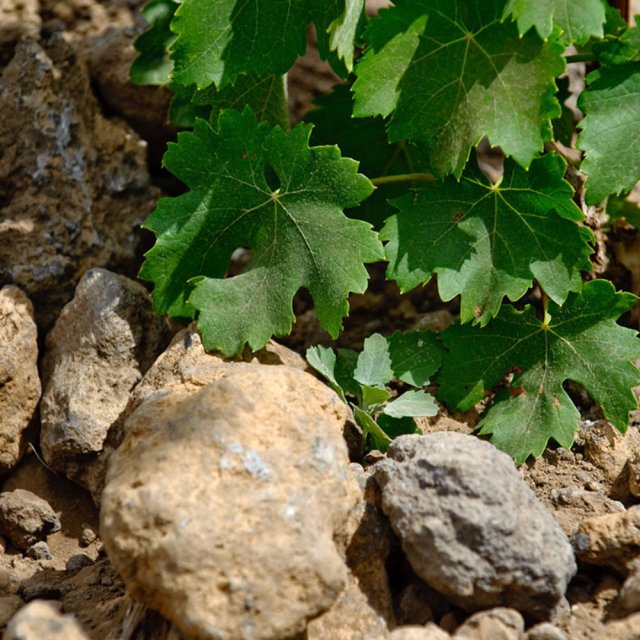
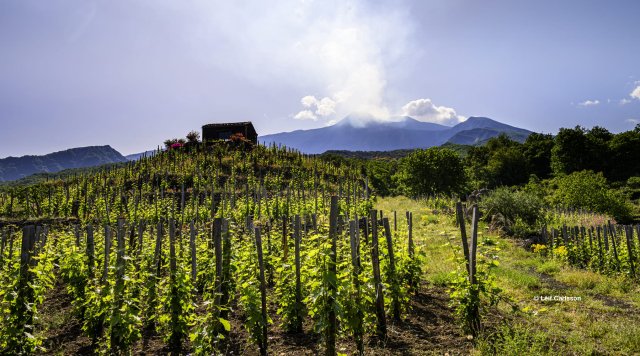
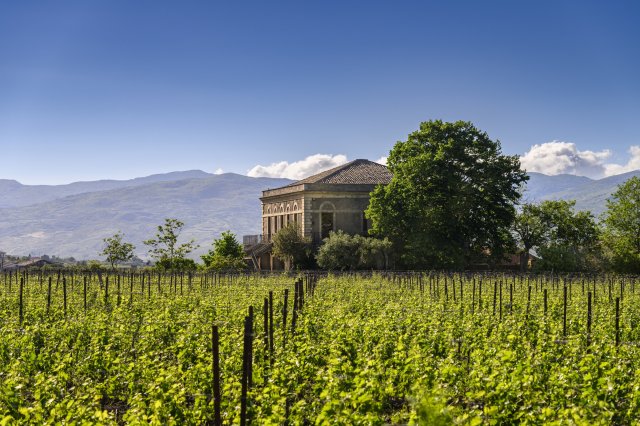
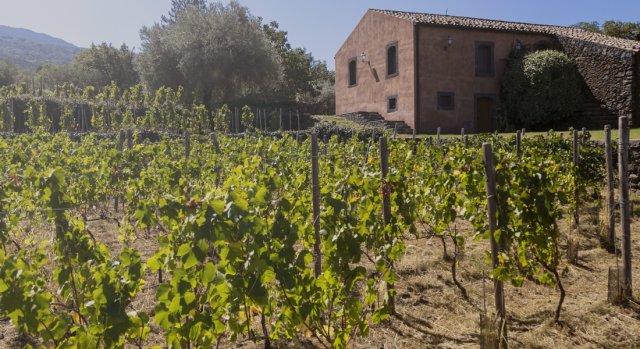
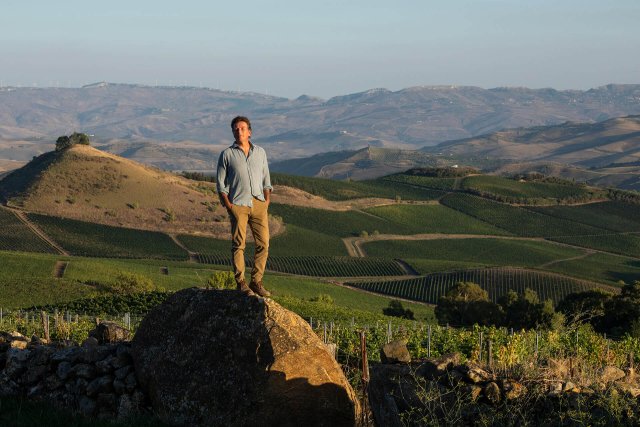
The vineyards sit on four slopes: north, east, south-east and south-west. There is no western flank, because that side of the mountain is where the lava tends to go. Vines climb to between 1,000 and 1,200 metres, which in Sicily is the difference between a wine that tastes southern and a wine that tastes almost alpine. Nerello Mascalese makes up at least 80 per cent of Etna Rosso, with Nerello Cappuccio allowed up to 20. The white is Carricante at 60 to 80 per cent, with Catarratto filling the rest.
The practical consequence for a visitor is simple. When a producer pours you two glasses of Etna Rosso and both are 100 per cent Nerello Mascalese from the same vintage, the difference between them is the contrada. Once you know that, tastings stop being a parade of names and start being a comparison you can actually follow.
North Slope Against South-East, in the Glass
The two slopes that most visitors end up choosing between are the north, around Randazzo and Castiglione di Sicilia, and the south-east above Catania around Viagrande, Trecastagni and Milo. Castiglione di Sicilia alone holds 41 contrade and Randazzo another 25, which is why the north has become the collectors' side of the mountain. The south-east is warmer, closer to the sea, and easier to reach if you are flying into Catania.
On the north flank, Tenuta delle Terre Nere runs cellar tours and seated tastings at Contrada Calderara, covering the Etna DOC range and, when stock allows, its single-contrada bottlings. A few minutes away at Solicchiata, Pietradolce shows visitors a lava-stone vat cellar and an underground barrel room before pouring the contrada wines and the Archineri cru. Planeta runs the most explicit version of the exercise: its two-hour Vertical Etna at Sciaranuova walks the north-slope vineyards and the old palmento, then pours Contrada Taccione and Contrada Feudo di Mezzo across three vintages, from EUR 130 per person.
On the south-east side, Benanti at Viagrande has built its visits around the same idea. The house tasting starts at EUR 60 for two hours, and the Contrade flight at EUR 90 sets the parcels side by side, which is the whole argument of the mountain in a single sitting.
| Where you are | What it feels like | What tends to be in the glass | Estates that open |
|---|---|---|---|
| North slope: Randazzo, Castiglione di Sicilia | Cooler, higher, later harvest | Taut, savoury Nerello Mascalese; the single-contrada bottlings | Terre Nere, Pietradolce, Planeta at Sciaranuova |
| South-east: Viagrande, Trecastagni | Warmer, closer to Catania and the sea | Rounder reds; the classic Carricante whites | Benanti |
| Milo, east-facing | Wettest side, high and cloud-catching | Etna Bianco Superiore, the only place it may be made | Small growers, book well ahead |
| Pantelleria | Wind from five directions, near-African heat | Zibibbo, dry and sweet, from vines grown in pits | Donnafugata at Khamma |
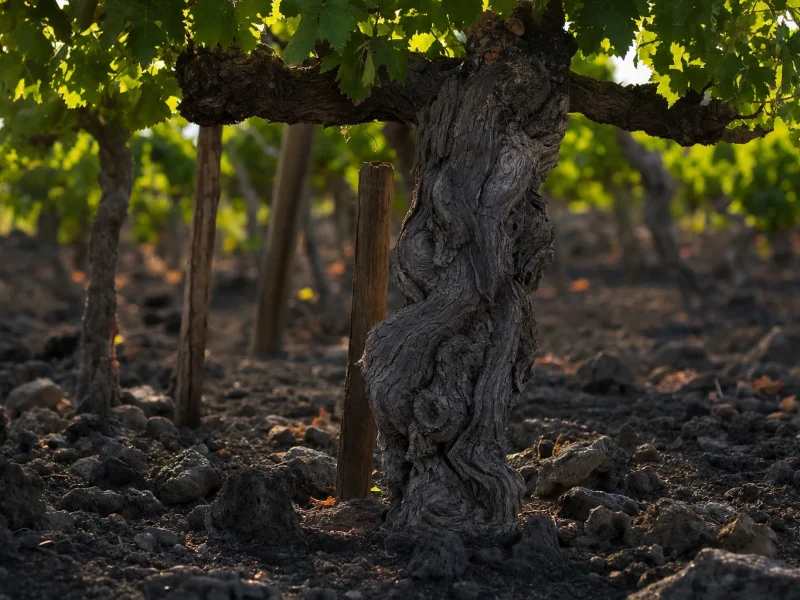
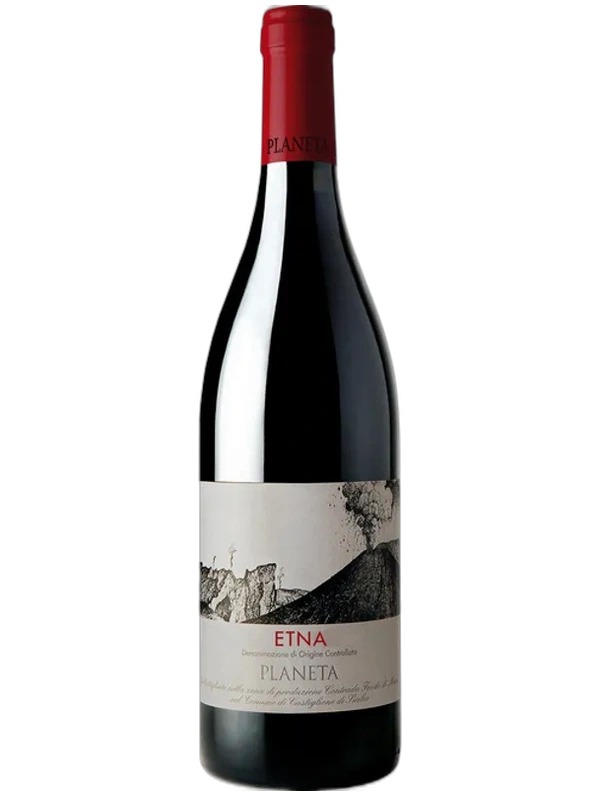
Etna Rosso Contrada Feudo di Mezzo 2024
Planeta's single-contrada Etna Rosso, grown at 610m on Feudo di Mezzo's black volcanic sand. Nerello Mascalese with 12% Nerello Cappuccio: sour cherry, wild strawberry and wild rose over a smoky, peppery frame, bright and finely tannic.
View Wine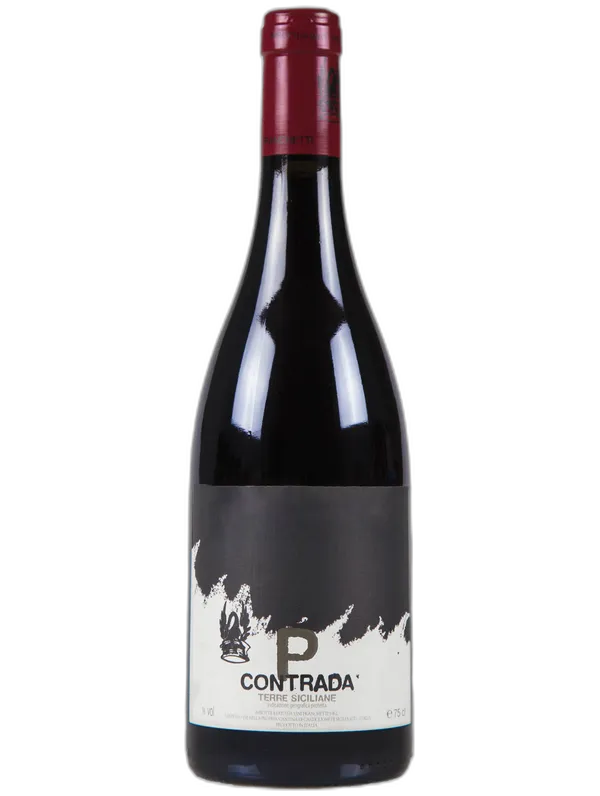
Terre Siciliane IGT Nerello Mascalese Contrada P Passopisciaro 2024
View Wine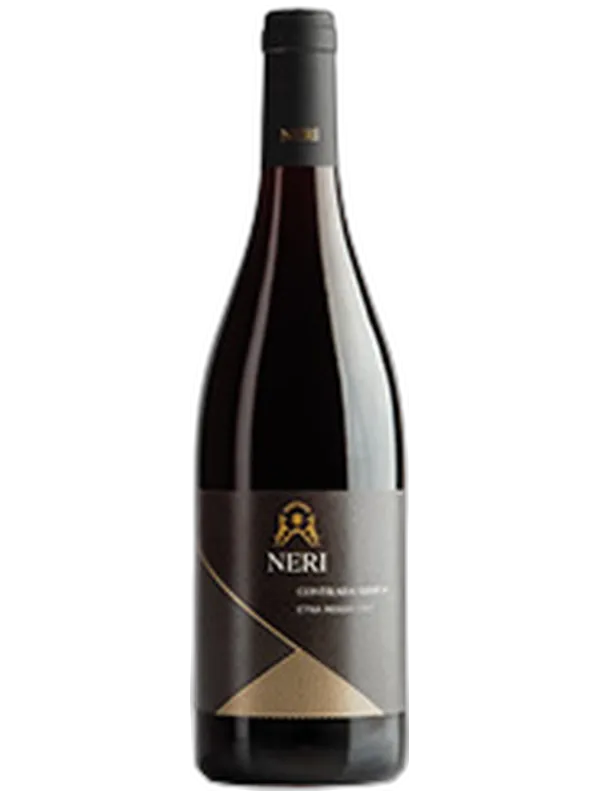
Etna DOC Rosso Contrada Arrigo Neri 2024
View Wine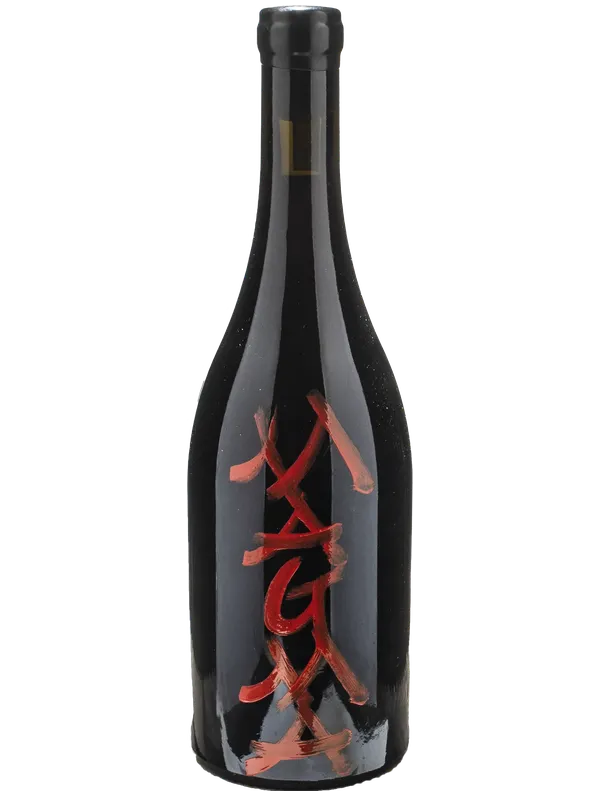
Sicilia Nerello Mascalese DOC Magma Rosso Contrada Barbabecchi Cantina Frank Cornelissen 2021
View Wine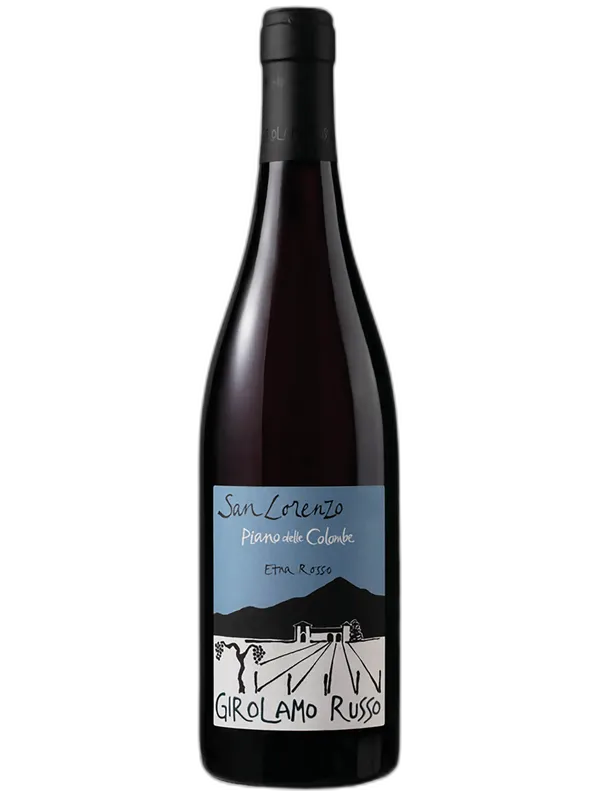
Etna Rosso Contrada San Lorenzo DOC Piano delle Colombe Girolamo Russo 2022
View Wine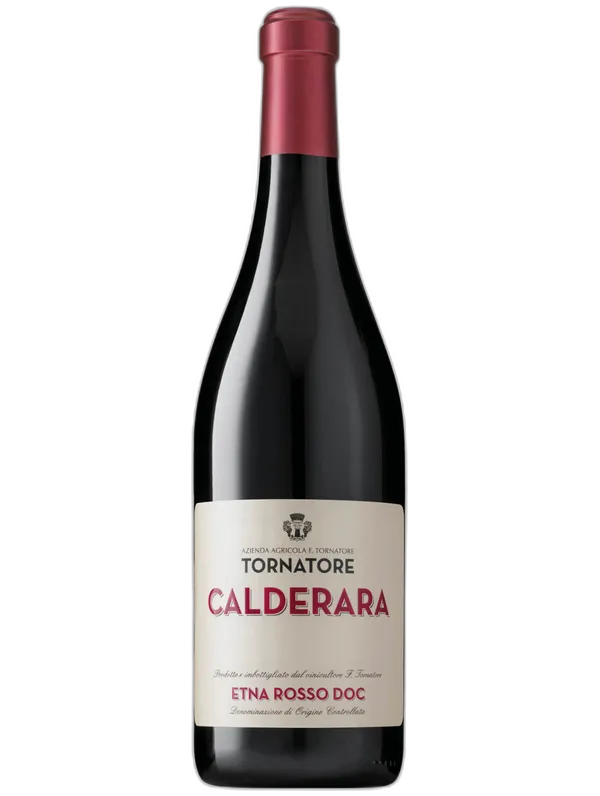
Etna DOC Rosso Contrada Calderara Tornatore 2019
View Wine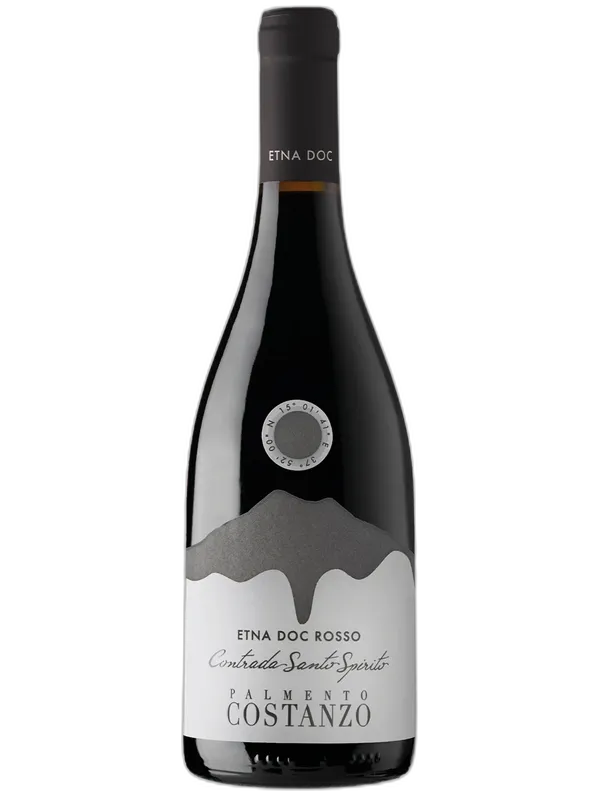
Etna Rosso DOC Contrada Santo Spirito Palmento Costanzo 2021
View Wine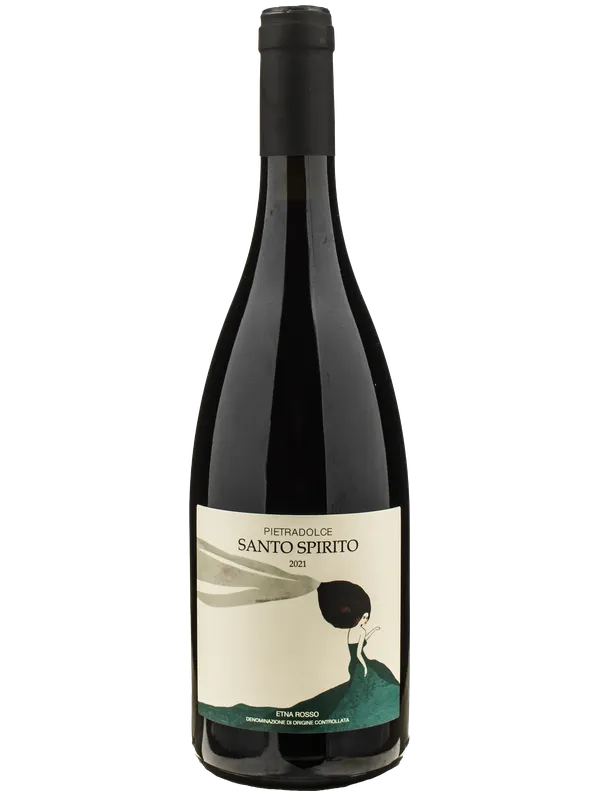
Etna Rosso DOC Contrada Santo Spirito Pietradolce 2021
View Wine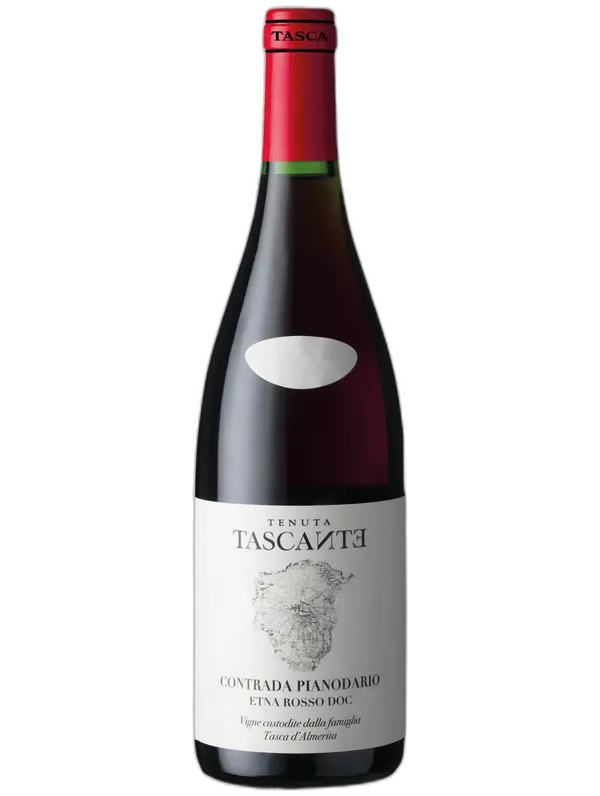
Etna Rosso DOC Tascante Contrada Pianodario Tasca d'Almerita 2020
View Wine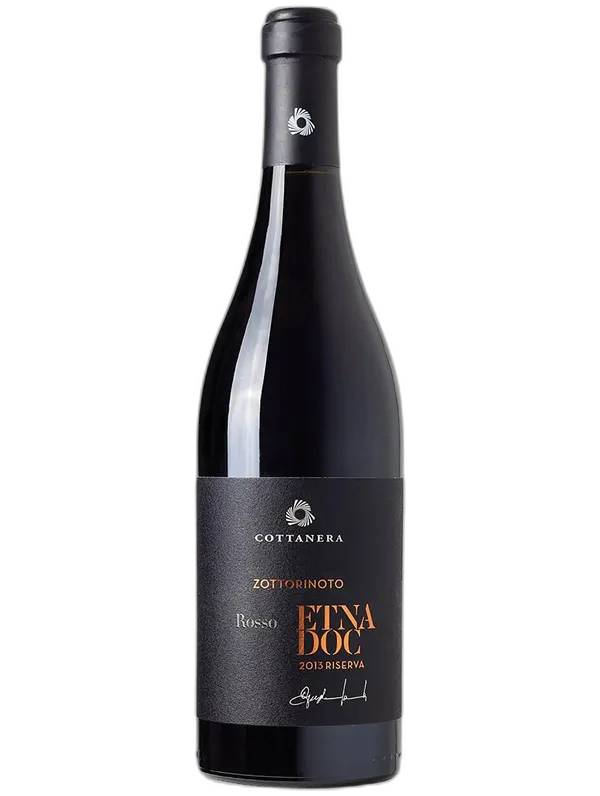
Etna Rosso Riserva Contrada Zottorinoto DOC Cottanera 2019
View Wine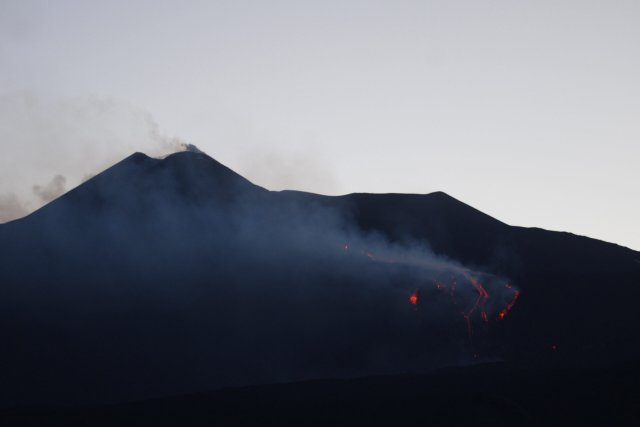

 13
13


Milo, and the One White With Its Own Rule
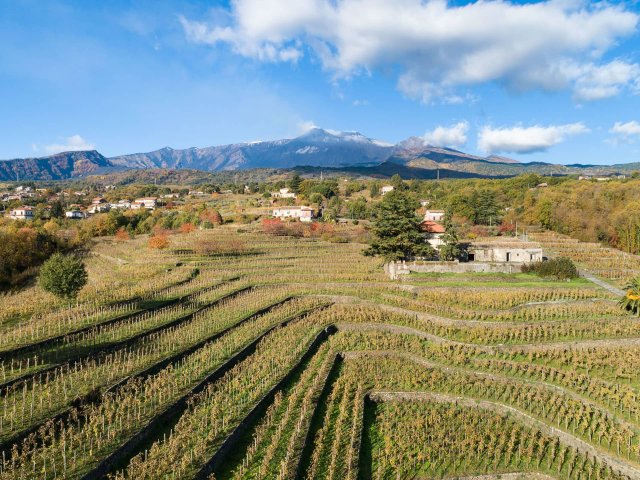
Worth a detour on the eastern face: Milo is the only commune in the whole denomination allowed to put Etna Bianco Superiore on a label, and to earn it the wine must be at least 80 per cent Carricante rather than the 60 per cent minimum elsewhere. It is a rare case of Italian wine law naming a single village for a single white wine.
Carricante is worth the trip on its own account. It holds acidity at altitude in a way few southern Italian whites manage, and it ages into something saline and almost smoky. If Soave is the northern benchmark for a high-acid Italian white, Carricante is the volcanic answer to it. We covered the grape and how to read its labels in a separate guide to Carricante and Etna Bianco.
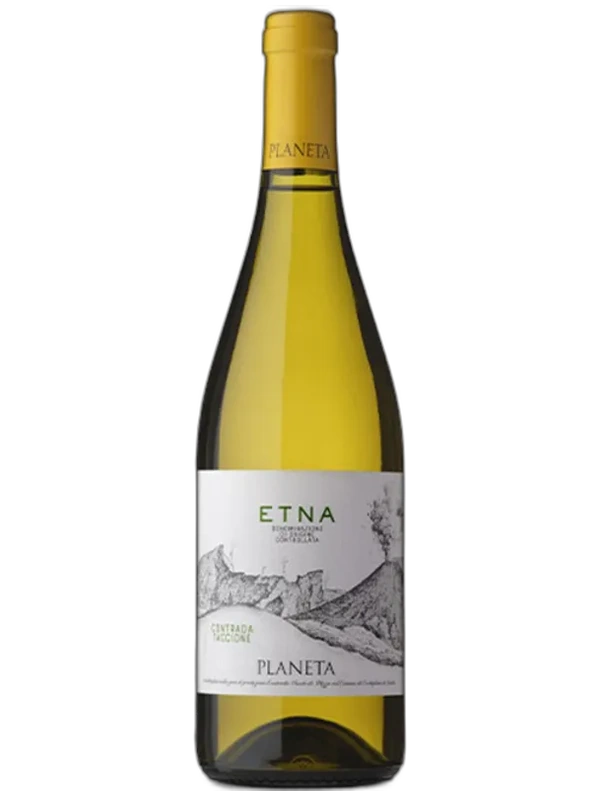
Etna Bianco Contrada Taccione 2024
Planeta's single-vineyard Carricante from the Montelaguardia plot at Castiglione di Sicilia, grown on black volcanic sands at 690 to 720 metres on Etna's northern slopes. Acacia, mountain peach and bitter almond meet a stony, salty spine.
View Wine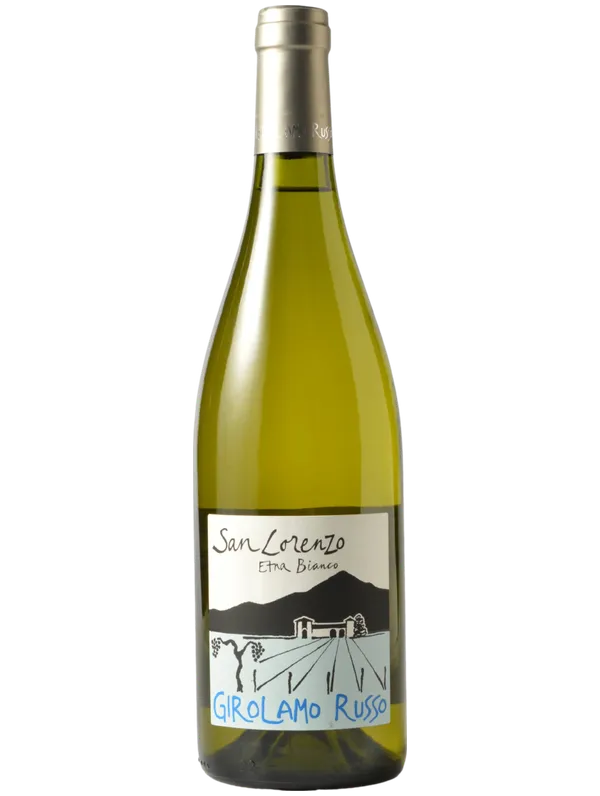
Girolamo Russo San Lorenzo Etna Bianco 2024
Girolamo Russo's single-contrada Etna Bianco: 90% Carricante off 80-year-old alberello vines at 750 m in Contrada San Lorenzo, Randazzo. Citrus and light spice over a long saline finish; just 1,200 bottles made.
View Wine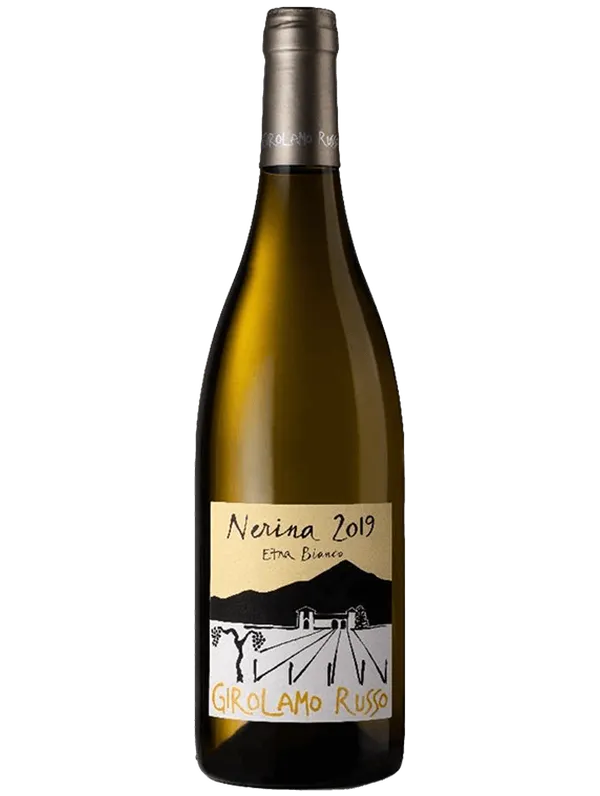
Azienda Agricola Girolamo Russo Nerina Etna Bianco 2024
Giuseppe Russo's Carricante-led Etna Bianco, grown on old vines at 650 to 800 metres on the volcano's north face and fleshed out with Catarratto, Grecanico and Inzolia. Citrus and white fruit lead over a smoky, salty, stony edge that finishes taut.
View Wine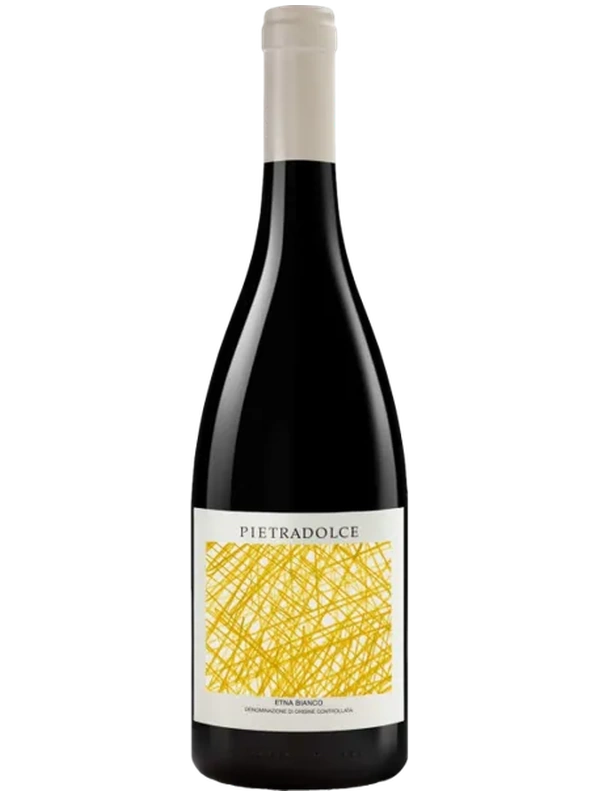
Pietradolce Etna Bianco 2025
View Wine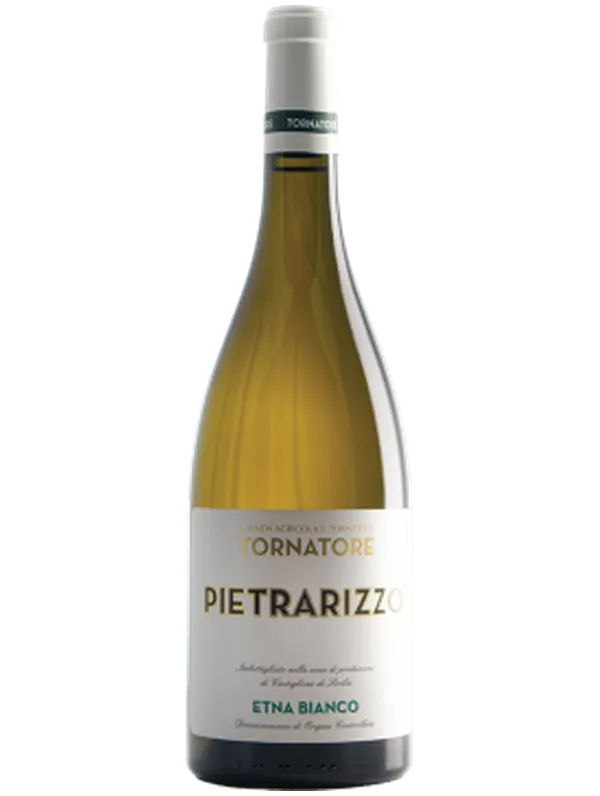
Pietrarizzo Etna Bianco - Tornatore 2025
Tornatore's single-contrada Etna Bianco: 100% Carricante grown at 650-700 m on 1908 lava-flow soils above Castiglione di Sicilia. Grapefruit, white peach and a salty, stony palate. Around £26-28 in the UK; Decanter rated the 2023 at 93.
View Wine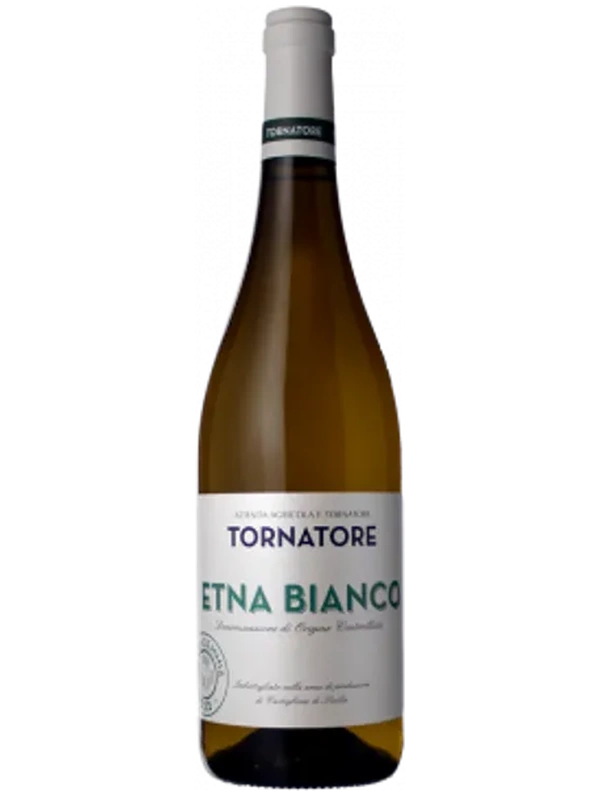
Etna Bianco - Tornatore 2025
Carricante from Tornatore's terraced vineyards on Etna's north slope at Castiglione di Sicilia. Concrete-fermented, three months resting on its spent yeast: green apple, grapefruit and a salty volcanic stoniness, from £20.60 in the UK.
View Wine
Arcurìa, Etna Bianco, Graci, Sicily, Italy 2023
Graci's Arcurìa is 100% Carricante from a 2.5-hectare plot at 600m on Etna's volcanic north slope, where lava-rich sand drives saline tension. Lemon, orange blossom and green apple lead to a stony, almond finish. A benchmark Etna white for seafood.
View Wine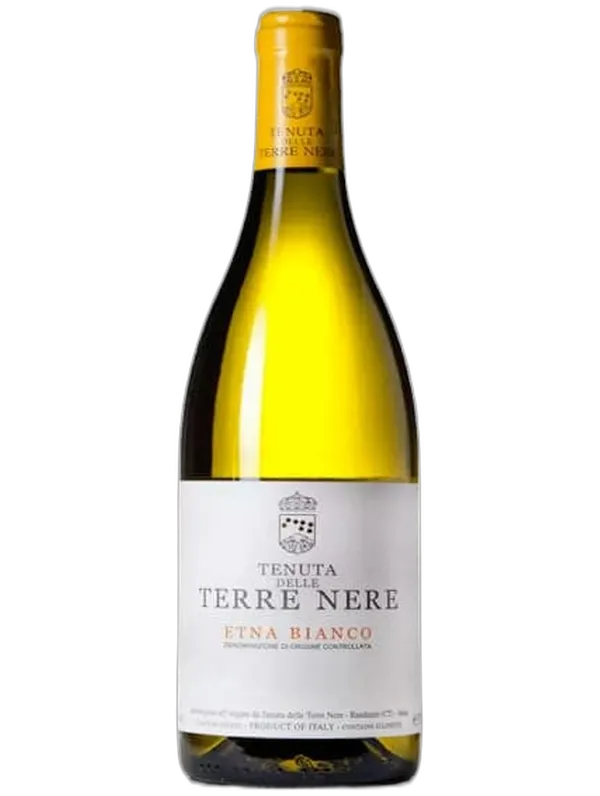
Tenuta delle Terre Nere Etna Bianco 2025
A Carricante-led white from old vineyards at 600 to 900 m on Etna's north slope. Linden blossom, lemon and wet-stone salinity in a light, bone-dry frame. The benchmark Etna estate's most versatile bottling, from about £19 in the UK.
View Wine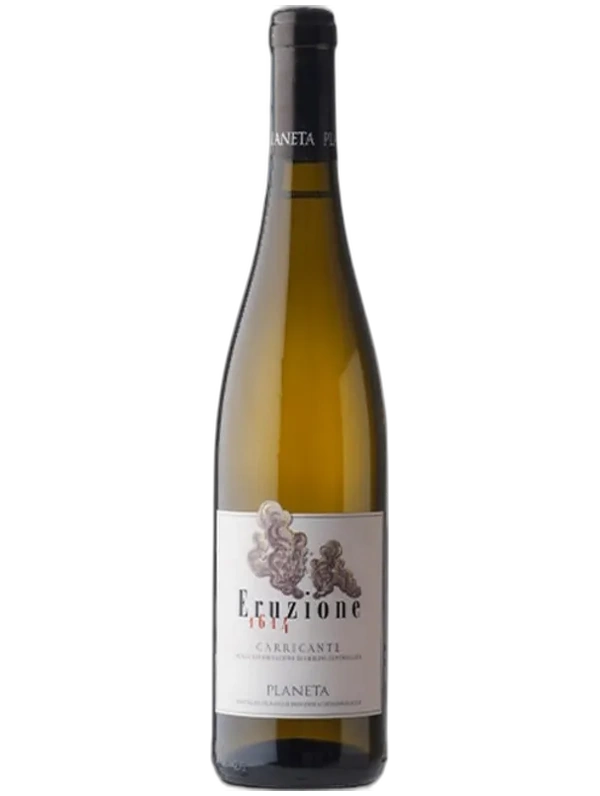
Eruzione Bianco Carricante 2024
View Wine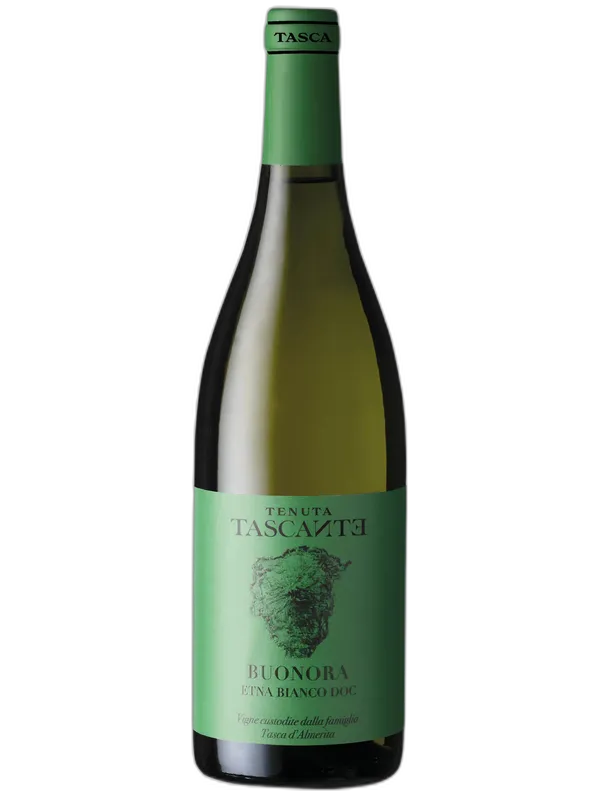
Etna Bianco DOC Tascante Buonora Tasca d'Almerita 2025
View WinePantelleria: Vines Grown in Pits
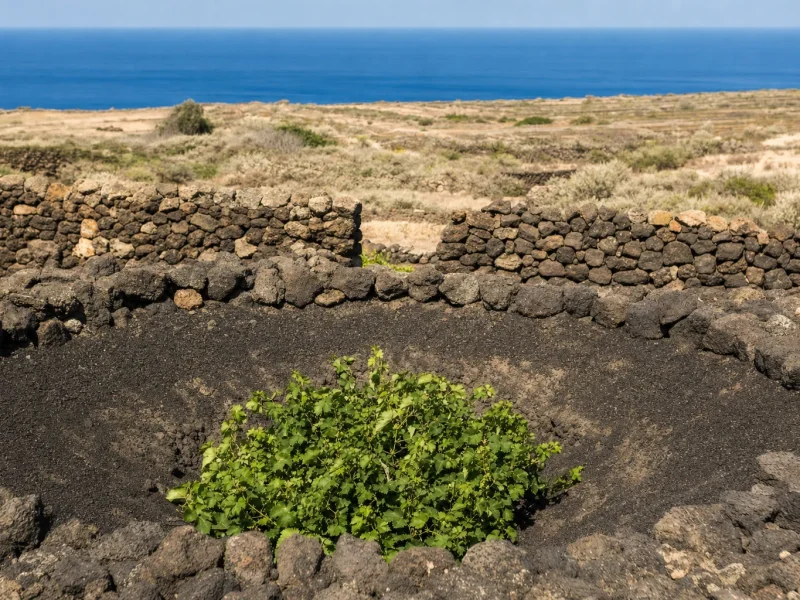
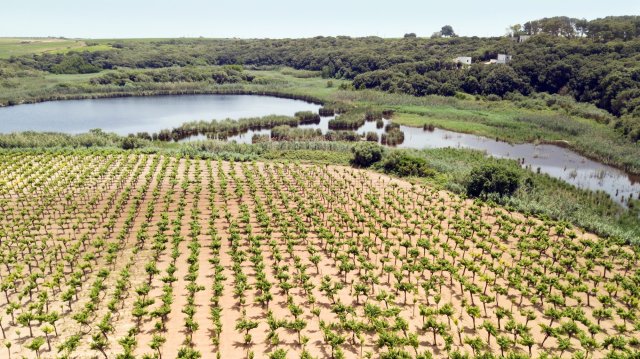
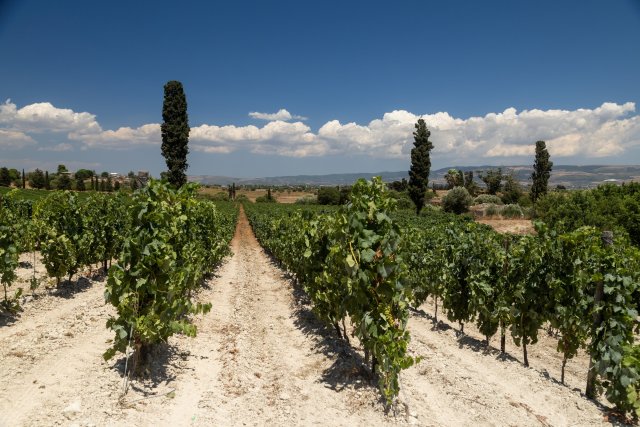
Pantelleria is the trip most people skip and the one that changes how you think about the word volcanic. The island is closer to Africa than to Sicily, it gets around 400 millimetres of rain a year, and the wind arrives from five named directions. Vines cannot stand up to that, so they are not asked to. Each plant is grown low in a hollow dug into the ground, a single bush sheltered below the wind line, catching what little moisture condenses at night.
The technique is called alberello pantesco, and in November 2014 UNESCO added it to its register of intangible cultural heritage. It was the first agricultural practice anywhere in the world to be listed. The grape is Zibibbo, the Sicilian name for Moscato of Alexandria, and it goes into everything from a bone-dry white to the great sweet wines of the island.
Donnafugata is the practical way in. Its Pantelleria tasting runs 60 minutes from EUR 40 and is built specifically around the volcanic wines; the same house also opens La Tonnara at Marsala for 90 minutes from EUR 55, and Donna Vittoria at Acate from EUR 65. That trio is a neat way to taste three separate Sicilies in one holiday without changing producer.
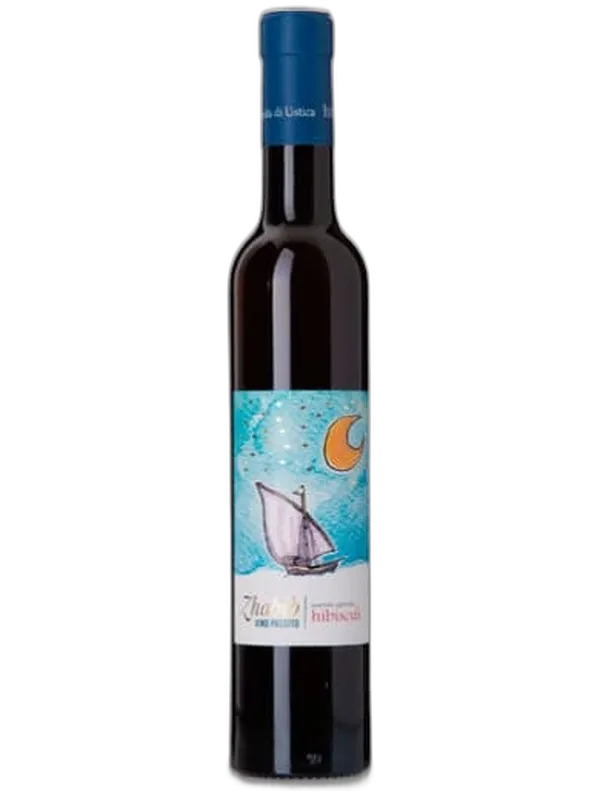
Hibiscus Zibibbo Passito Zhabib 2024
View Wine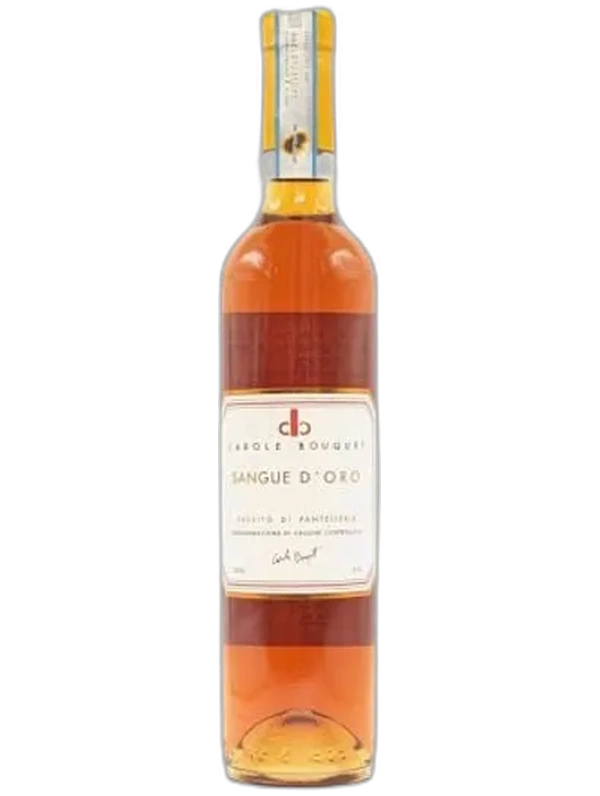
Carole Bouquet Sangue d'Oro Passito di Pantelleria 2022
View Wine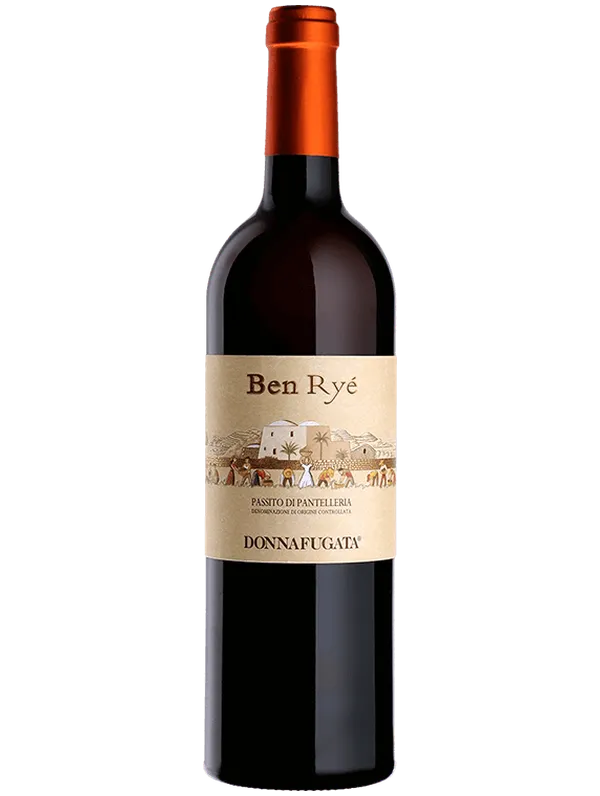
Donnafugata Ben Ryé Passito di Pantelleria 2023
Donnafugata's benchmark passito from volcanic Pantelleria, made from sun-dried Zibibbo. Amber-gold, with apricot, candied orange peel, dried fig and honey lifted by sea-salt freshness. Pour it with blue cheese, almond pastries or alone.
View Wine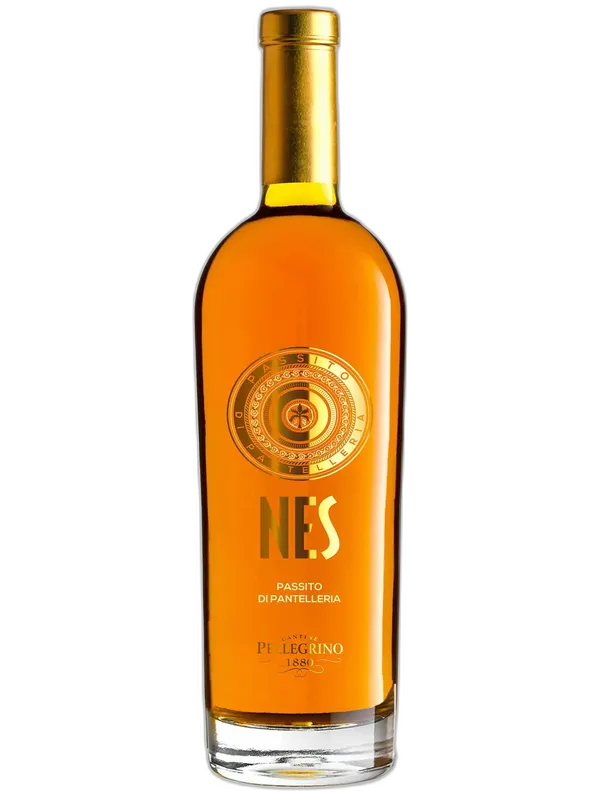
Passito di Pantelleria DOC Nes Pellegrino 2024
Nes is Pellegrino's sweet Passito di Pantelleria, made from Zibibbo with raisins added to the fermenting must. Expect candied orange peel, dried apricot and honey. The 2024 won Gold with 96 points at the Decanter World Wine Awards 2026.
View Wine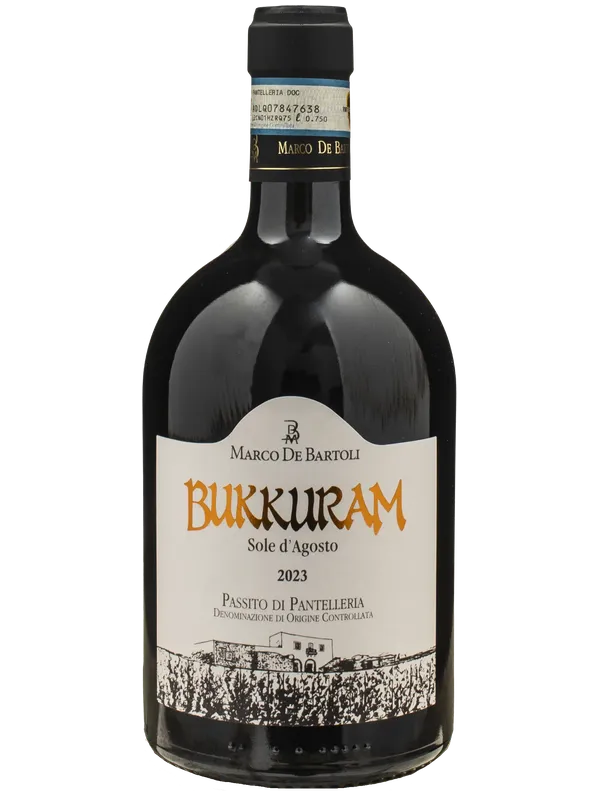
Marco De Bartoli Bukkuram Passito di Pantelleria Sole d'Agosto 2023
Marco De Bartoli's younger Passito di Pantelleria, made every year from Zibibbo in the Bukkuram vineyard. Part of the crop dries in the August sun. Expect raisin, apricot and honey, with a fresh, fruity lift.
View Wine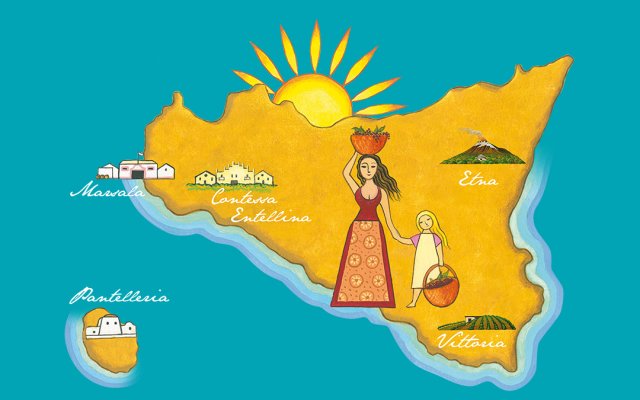
Building a Route That Survives Contact With the Map
Sicily is bigger than it looks. Catania to Marsala is roughly four hours of driving, and Pantelleria is a flight or a ferry rather than a detour. The trips that work tend to pick one base and go deep, rather than trying to cross the island.
An Etna-first trip bases itself around Randazzo or Linguaglossa for the north slope and adds a day on the south-east. A western trip runs Marsala, Menfi and the coast, where Planeta at Ulmo pours Menfi DOC wines with its own olive oil from EUR 55, and Cusumano receives visitors at Tenuta San Carlo near Partinico by arrangement. A south-eastern trip takes in Noto and Vittoria, home of Nero d'Avola and Frappato, where Planeta's Buonivini estate sits in the Baroque hills.
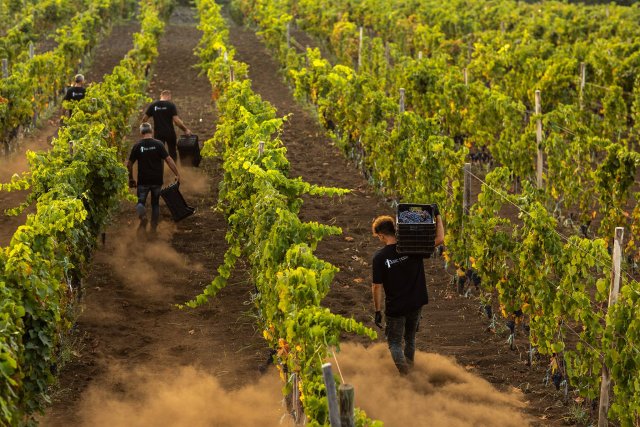
Two things to plan around. Almost every estate here requires booking in advance; among the Sicilian estates we hold visit details for, Pietradolce is the one exception. And harvest on Etna runs late, often into October on the high north slope, so a September visit that would be frantic in Piedmont can still be calm on the mountain.
| What you are planning | Typical figure | What it means for you |
|---|---|---|
| A tasting | 40 to 130 EUR | 60 minutes from 40 EUR at Donnafugata on Pantelleria; Benanti's house tasting is 60 EUR and its Contrade flight 90 EUR; Planeta's two-hour Vertical Etna starts at 130 EUR |
| Time at one estate | 60 to 120 minutes | Two or three estates a day is the ceiling; Catania to Marsala is about four hours of driving |
| Booking | Nearly every estate asks | Book ahead; Pietradolce is the one exception in our records |
| Harvest | September to October | Late on the high north slope, so a September visit stays calm on the mountain |
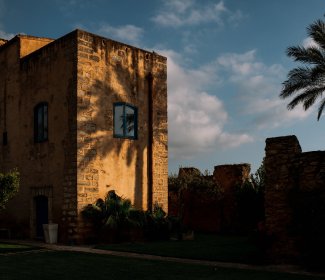
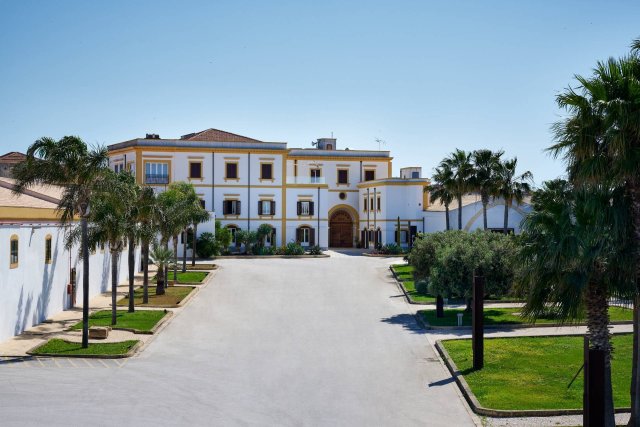
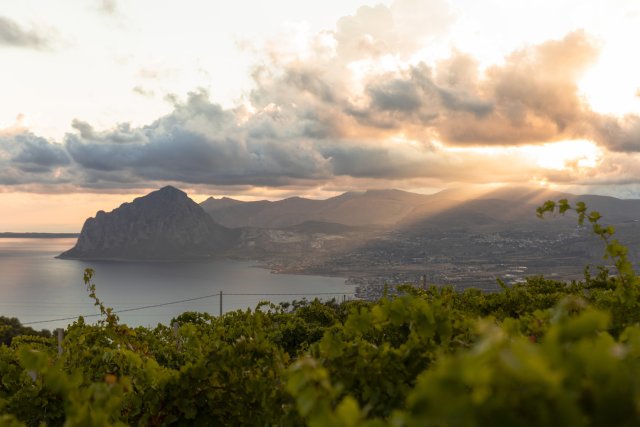
Sicily wine tours from Taormina, Catania and Marsala
Etna is a mountain road with lava on both sides, and Italy's drink-drive limit is 0.5 grams per litre, lower than England's. If everyone in the car wants to taste, book a driver. The market is built around the volcano. Coach and minibus days from Taormina and Catania cost 58 to 125 EUR, pair a walk on the lava fields with one or two winery stops, and usually include lunch. A private day with three estates costs about 330 EUR a head. On the west coast the scale changes: Marsala is a town you walk, and its historic houses run cellar tastings of an hour or so from 25 EUR.
The table lists picks from the Sicily tours our partners sell, chosen by rating, review count and a real winery stop. One visits an estate in this guide, Cantine Florio at Marsala. The Etna coaches name their winery on the day, so treat them as a day on the volcano with wine rather than a visit to a chosen cellar; for that, book the estates above directly. Every wine road page lists the guided tours that follow it.
| Tour | From, length | Price, rating |
|---|---|---|
| Taormina: Guided Etna Wine Tasting Half-Day TourBook viaGetYourGuide | Taormina, 5 h coach | 58 EUR560 reviews |
| From Catania: Mount Etna, Wine and Alcantara Tour with LunchBook viaGetYourGuide | Catania, 8 h minibus | 95 EUR506 reviews |
| Etna, Wine and Alcantara Tour from TaorminaBook viaViator | Taormina, 9 h | 115 EUR479 reviews |
| Mount Etna and Wine Tasting Tour from CataniaBook viaViator | Catania, 8 h | 106.50 EUR364 reviews |
| Etna: Wine Tasting and Food TourBook viaGetYourGuide | Etna, 7 h minibus, two estates | 125 EUR316 reviews |
| Private Tour of Three Etna Wineries with Food and Wine TastingBook viaViator | Private car, 6 h, three estates | 329 EUR452 reviews |
| Marsala: Florio Winery Tour with Food-Paired Wine TastingsBook viaGetYourGuide | Marsala, 1.5 h on foot, at Cantine Florio | 51 EUR128 reviews |
| Authentic Marsala Wine Tasting Experience in a Historic WineryBook viaViator GetYourGuide | Marsala, 1 h on foot | 25 EUR152 reviews |
Stay at a winery: Sicilian estates with rooms
A night at the estate solves the drive back down the mountain, and on an island this size it can save a day. The estates below have rooms: Planeta at Menfi, Feudi del Pisciotto's wine relais in the Cerasuolo di Vittoria zone, with fifteen rooms among the vines and a restaurant in the cellar, and Tasca d'Almerita, which takes guests at Regaleali in the centre of the island and at Capofaro on Salina. Room rates change with the season, so each estate page links to the estate's own booking page rather than quoting a price that will be stale by the time you read it.
The three Sicilian wine roads
Each road below has a page of its own, with the stops in drive order, the leg times and the estates on the way, and each can be saved as a trip in one click. Use one as the spine of a self-drive day and hang estates from the sections above on it.
- Strada del Vino dell'Etna: two days over the volcano from Randazzo to Viagrande, through the contrada crus around Passopisciaro, Linguaglossa, the Milo terraces and the southern cellars.
- Strada del Vino Cerasuolo di Vittoria: Sicily's only DOCG in one flat day on the Ragusa plain, from Comiso and Vittoria to Acate and the coast at Gela.
- Strada del Vino Marsala e Pantelleria: three days in the west, from the Marsala fortified cellars to the Zibibbo terraces of Pantelleria.
What to Ask Once You Are in the Cellar
The difference between a nice hour and a genuinely useful tasting is usually four questions.
- Which contrada is this from, and which slope of the mountain does it sit on?
- What altitude is the vineyard? 600 metres and 950 metres on the same flank make different wines.
- Are the vines grown as alberello bush vines or trained along wires?
- How old is the vineyard? Etna still has pre-phylloxera vines on their own roots, which is rare in Europe.
Those four answers let you taste comparatively rather than politely. They also travel: the same instinct that separates two Etna contrade is the one that separates two Barolo communes, and Nerello Mascalese is often described as Sicily's answer to Nebbiolo for exactly that reason.
And if the volcanic thread is what draws you, it does not end in Sicily. Campania grows vines on Vesuvius and in the Campi Flegrei, and the Aeolian islands make a salty Malvasia worth chasing. Sicily is simply where the idea is easiest to taste side by side.
How this guide is built
The estates are the Sicilian wineries with a page in the Italian Wines atlas that receive visitors, grouped by where their cellar door is. When an estate joins the atlas, it joins this guide; the carousels are not a fixed list. Each page was written from the estate's own site and history, and the visit facts on each card come from the estate's own booking pages and from the partner listings on Winalist and Winedering. Where an estate publishes no price, the card says so rather than guessing.
The guided tours are picks from the Sicily tours sold by GetYourGuide and Viator, chosen by rating, number of reviews and whether the itinerary includes a winery. Ratings and prices are the partners' figures on the day of publication. No estate on this page has hosted us.
Frequently asked questions
Almost always, yes. Of the six Sicilian estates we hold visit details for, five require advance booking, and only Pietradolce is listed as receiving visitors without it. Etna estates in particular are small operations where the person pouring your wine may also be the winemaker. Book at least a week ahead in summer and early autumn, and confirm by email rather than assuming a web form has reached anyone.
A contrada is a named parcel of land on the volcano. Since 2011 they have been written into the Etna DOC rules as official sub-zones, 133 of them across 20 communes, with 9 more identified since. Because Nerello Mascalese is so transparent to where it grows, two wines from the same producer and vintage can taste markedly different if the contrade differ. It is the closest thing Italy has south of Piedmont to a cru system.
They do different things rather than one being better. The north, around Randazzo and Castiglione di Sicilia, is cooler and higher, harvests later, and is where most single-contrada bottlings come from. The south-east above Catania is warmer and nearer the sea, giving rounder reds and the classic Carricante whites. If you have one day, the north has more estates within a short drive; if you are flying into Catania, the south-east is far easier.
Late spring and early autumn. May and June give you green vineyards and open cellar doors without August heat, which on the western coast is severe. September and October catch harvest, and because Etna picks late, often into October on the high north slope, you can see fruit coming in there when northern Italy has finished. Avoid August, when many family estates close and the island fills with domestic holidaymakers.
You can, but treat it as its own leg rather than a day trip. Pantelleria sits closer to Tunisia than to Palermo and is reached by flight or ferry. Donnafugata runs a 60-minute tasting there from EUR 40 built around the volcanic wines, and the vineyards themselves are the attraction: bush vines grown in hollows dug against the wind, a practice UNESCO listed as intangible cultural heritage in 2014.
On Etna, Nerello Mascalese and Carricante are the reason to be there. Elsewhere, Nero d'Avola is the island's benchmark red, Grillo and Grecanico carry the western whites, and Zibibbo defines Pantelleria. Frappato, grown around Vittoria, is the pale, perfumed one worth asking for by name even though it rarely leaves the island. And if a producer offers a skin-contact bottling, take it: Sicily makes some of Italy's more convincing orange wines.