The Gravner family arrived in Oslavia in 1901 from Hum, a few kilometres east in what is now Slovenia. They bought a small house with about five acres of vines. Joško Gravner, born in 1952, took over the cellar from his father Francesco at twenty-one. The company still carries the father's name: Azienda Agricola Gravner Francesco. Today Joško's daughter Mateja leads the estate, and her son Gregor is learning at her side.
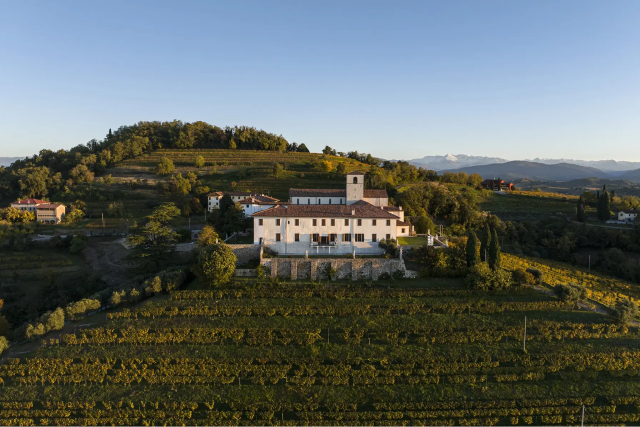
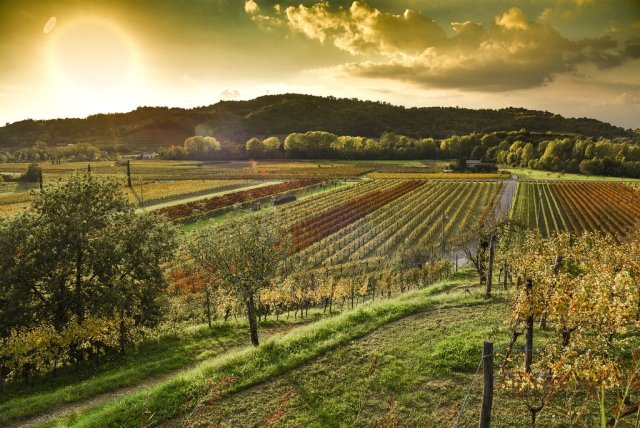
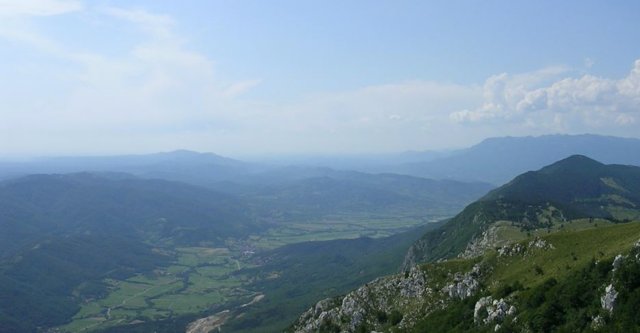
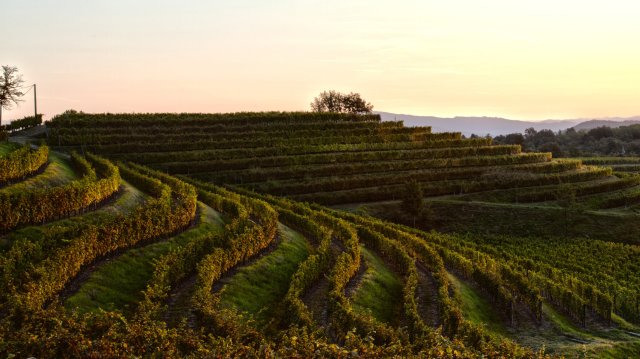
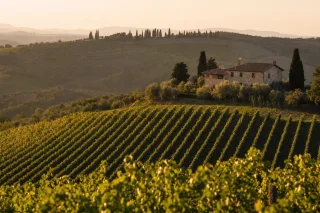
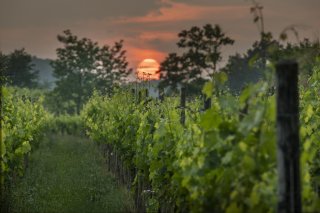
Oslavia is one of five informal pockets inside the Collio Goriziano, a band of hills with the Julian Alps to the north and the Adriatic to the south. The property covers about 46 football pitches of land. Vines grow densely on south-facing slopes of ponca, the Collio's soft, crumbly rock. Between the rows sit ponds, woods, meadows and cypress trees, kept as one living landscape.
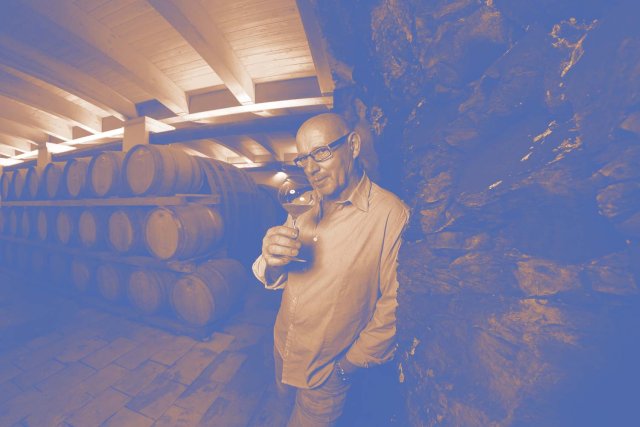
Joško tried every fashion of his era and walked away from each one. In the 1970s the cellar ran on temperature-controlled steel tanks. In the 1980s it filled with small French oak barrels. By the 1990s he had gone back to large casks. Then hail wrecked the 1996 harvest, and he went looking for something older. He travelled to Georgia in 2000 and, from the 2001 vintage, fermented his whites in qvevri, Georgian amphorae buried in the cellar floor. The reds followed in 2006. Forty-seven of them now sit beneath the cellar.
Ribolla Gialla is the heart of the estate. The wine ferments on its skins in qvevri, then spends six months on the skins, six months off, six years in big oak casks and six more months in bottle. Only then is it released as Ribolla Anfora. Bianco Breg blends the estate's other whites, given the same long time and the same touch of air. The reds follow the same patient clock: Rosso Gravner, made only from Pignolo, and Rosso Breg.
From 2007 the labels left the Collio DOC for IGT Venezia Giulia, a quiet refusal of the zone's house style. The farming is organic and biodynamic in practice, with no certificate on the bottle. Joško has said he works that way for the vineyards, not for the label. Around 35,000 bottles a year are made, aged and bottled at Lenzuolo Bianco.
Those buried jars became a reference point. They revived skin-contact whites across Friuli and far beyond, and Gravner's own bottles remain among the most discussed white wines in Italy.







 Friuli Venezia Giulia
 Est. 1901
  1 wine
  Tastings
 Tours
Tours
 Booking required



 Wine grape