




Italian winery listings
Page 4 of 9 in the Italian winery directory, with estate profiles, tasting options, cellar tours, booking details, and wine availability.


 Est. 1967
 Lazio
Le Ferriere
Lazio
Le Ferriere
Azienda Agricola Casale del Giglio
Founded by the Santarelli family in 1967 and reshaped by a 1985 grape trial, Casale del Giglio farms 180 hectares between Aprilia and Latina. Its twenty-two labels run from Bellone and Cesanese to the flagship Syrah-led Mater Matuta.
 Chardonnay
Fiano
Greco
Chardonnay
Fiano
Greco
 10
10

 Est. 1901
 Trentino-Alto Adige
Mezzolombardo
Trentino-Alto Adige
Mezzolombardo
Azienda Agricola Foradori
Family-run Trentino estate that rebuilt Teroldego by replanting cuttings from its best old vines. Demeter-certified biodynamic, with Granato, Morei, Sgarzon and the Fontanasanta whites at the heart of the range.
 Teroldego
Manzoni Bianco
Nosiola
Teroldego
Manzoni Bianco
Nosiola
 Abruzzo
San Martino sulla Marrucina
Abruzzo
San Martino sulla Marrucina
Azienda Agricola Masciarelli
Masciarelli was founded in 1981 in San Martino sulla Marrucina by Gianni Masciarelli and is now run by Marina Cvetic. The estate works more than sixty parcels across every Abruzzo province, with its green credentials audited under EMAS. Set tastings and stays run at Castello di Semivicoli, the family's seventeenth-century palace north of San Martino.
Montepulciano
Chardonnay
Merlot
 Est. 1880
 Veneto
Soave
Veneto
Soave
Azienda Vitivinicola Pieropan Leonildo
Fourth-generation family estate in Soave Classico, certified organic by the EU from the 2015 vintage and a FIVI grower-bottler since 2008. Pieropan farms about 40 hectares of Garganega and Trebbiano di Soave on the basalt and limestone hills around Soave town. Calvarino and La Rocca are treated as named crus in the Burgundy manner. A second base in Valpolicella covers the Corvina-led Monte Garzon reds and the Villa Cipolla Wine Relais.
Garganega
Corvina
Corvinone
 Tuscany
Grosseto
Tuscany
Grosseto
Belguardo
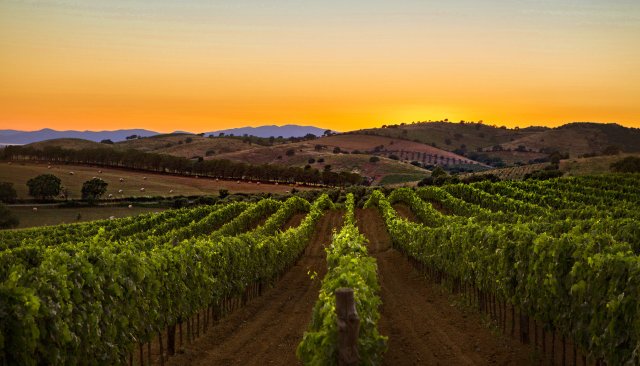
Six centuries of Mazzei winemaking applied to the Maremma coast: gravel and alberese soils, a Riserva the estate cites in Wine Spectator's Top 100, and tastings at the estate's country-house enoteca.
Vermentino
Alicante
Cabernet Franc
 Est. 1940
 Umbria
Ficulle
Umbria
Ficulle
Castello della Sala
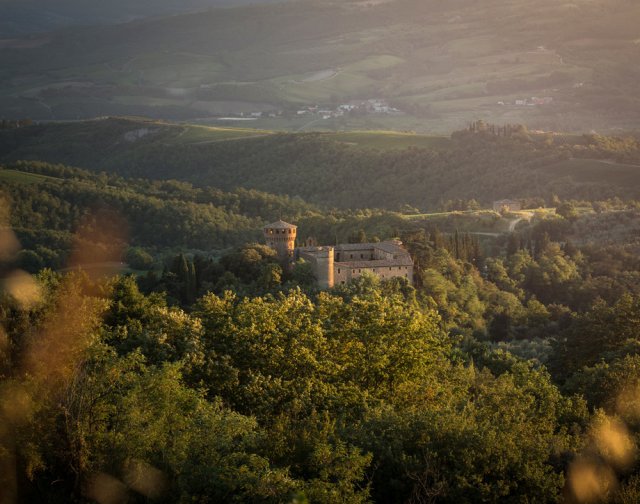
Castello della Sala is Antinori's Umbrian estate near Ficulle, built around a 14th century fortress. It is known for Cervaro della Sala, Muffato della Sala and Pinot Nero della Sala. The listed bottles centre on Umbria IGT, with grapes such as Chardonnay, Grechetto and Sauvignon Blanc.
Chardonnay
Grechetto
Semillon
 Piedmont
Elio Grasso
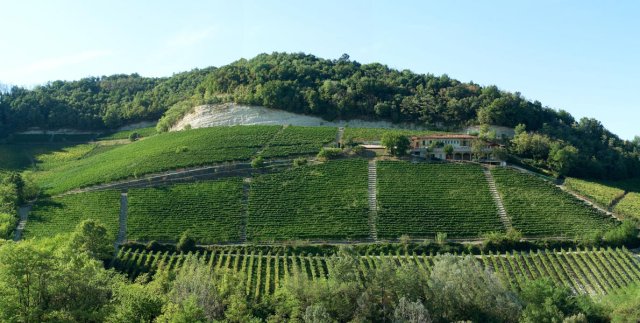
A family estate on the Ginestra hill of Monforte d'Alba, bottling single-vineyard Barolo since 1978. The Gavarini Chiniera and Ginestra Casa Maté Barolos sit alongside Langhe Nebbiolo, Barbera d'Alba, Dolcetto and the Educato Chardonnay.
Nebbiolo
Chardonnay
Dolcetto
 Friuli Venezia Giulia
San Lorenzo
Friuli Venezia Giulia
San Lorenzo
Lis Neris
The Pecorari family's estate on the Isonzo gravel plain, farmed since 1879. Alvaro Pecorari turned the cellar toward single-vineyard whites in the 1980s: Gris (Pinot Grigio), Picol (Sauvignon Blanc), Jurosa (Chardonnay) and La Vila (Friulano) under Friuli Isonzo DOC, with the Venezia Giulia IGT blends Lis, Confini and the Tal Luc passito above them. A four-suite Wine Relais and three set tastings make it a working base for visiting Collio and eastern Friuli.
Pinot Grigio
Sauvignon Blanc
Chardonnay
 Est. 1981
Tuscany
Castagneto Carducci
Est. 1981
Tuscany
Castagneto Carducci
Ornellaia
Bolgheri's most representative estate: Cabernet-led reds from vines between the village and the sea, with art-labelled collector editions.
Cabernet Sauvignon
Merlot
Cabernet Franc
 Est. 2005
 Sicily
Solicchiata
Sicily
Solicchiata
Pietradolce
Pietradolce farms thirty hectares of high-altitude bush vines on Etna's northern slopes, with single-contrada bottlings from Rampante, Santo Spirito and Feudo di Mezzo and the prized Vigna Barbagalli. Pre-phylloxera Nerello Mascalese and Carricante anchor a range that runs from the entry-level Pietradolce Etna Rosso to the Barbagalli flagship.
Nerello Mascalese
Carricante
 Est. 1974
Tuscany
Greve in Chianti
Est. 1974
Tuscany
Greve in Chianti
Querciabella
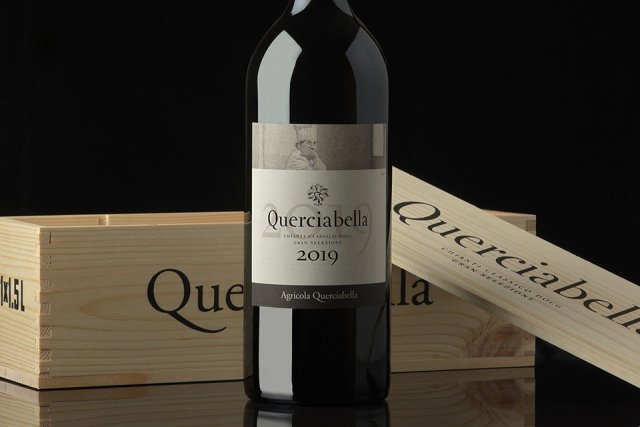
Castiglioni family estate above Greve in Chianti, organic since the 1990s and vegan biodynamic since 2000. It makes Chianti Classico and three single-site Gran Selezione bottlings, the Camartina and Palafreno reds, and Batar, the Chardonnay and Pinot Bianco white made since 1988.
Sangiovese
Merlot
Cabernet Sauvignon
 Est. 1997
Friuli Venezia Giulia
Cividale del Friuli
Est. 1997
Friuli Venezia Giulia
Cividale del Friuli
Bastianich
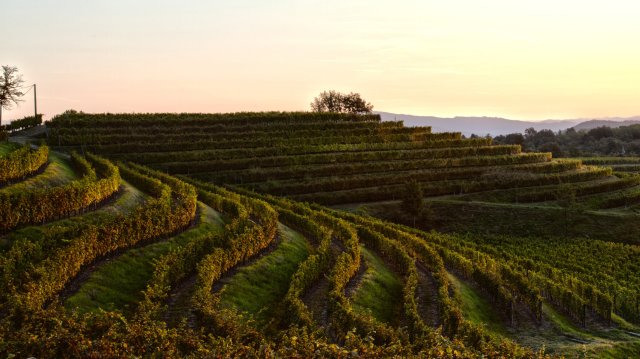
The New York restaurant family's Friulian estate, planted in 1997 outside Cividale: Vespa Bianco and Plus from the warm Premariacco hill, the everyday Orsone range from the cooler Cividale hill, and 90-minute tastings you can book online.
Merlot
Ribolla Gialla
Sauvignon Blanc
 Sicily
Viagrande
Sicily
Viagrande
Benanti
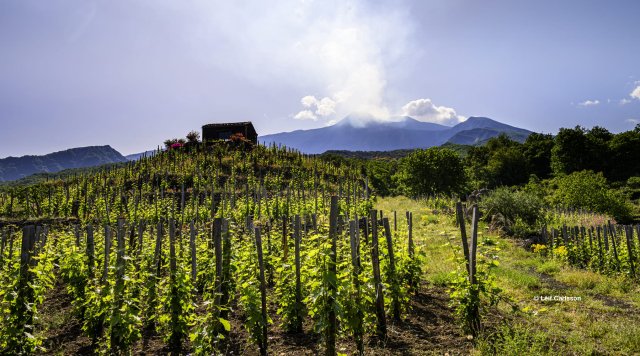
Family estate below Monte Serra in Viagrande, on Etna in Sicily. Benanti pioneered bottling the volcano's sites one by one, and its Pietra Marina from Milo showed that Carricante whites can age. Brothers Antonio and Salvino Benanti now farm all four slopes. Serra della Contessa and Rovittello lead the Etna Rosso Riserva wines. Noblesse, released in 2002, was the first traditional-method sparkling Carricante on Etna. Tours and tastings run Tuesday to Sunday, by reservation.
Carricante
Nerello Mascalese
Nerello Cappuccio
 Est. 1856
Piedmont
Serralunga d'Alba
Est. 1856
Piedmont
Serralunga d'Alba
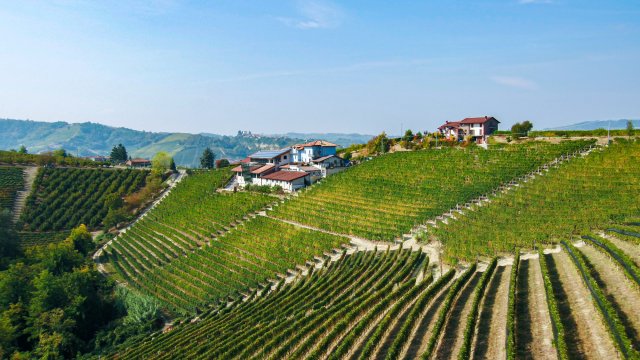
Ettore Germano
Family estate at Località Cerretta in Serralunga d'Alba, in the same hands since 1856 and bottling as Ettore Germano since 1975. Ten hectares of Barolo vineyards include Cerretta, Prapò, Vignarionda and a Lazzarito Riserva, with nine more at Cigliè in the Alta Langa for Riesling Hérzu and sparkling wine. A member of the Viticoltura Armoniosa programme, now converting to organic farming.
Nebbiolo
Barbera
Chardonnay
 Est. 1950
Tuscany
Montalcino
Est. 1950
Tuscany
Montalcino
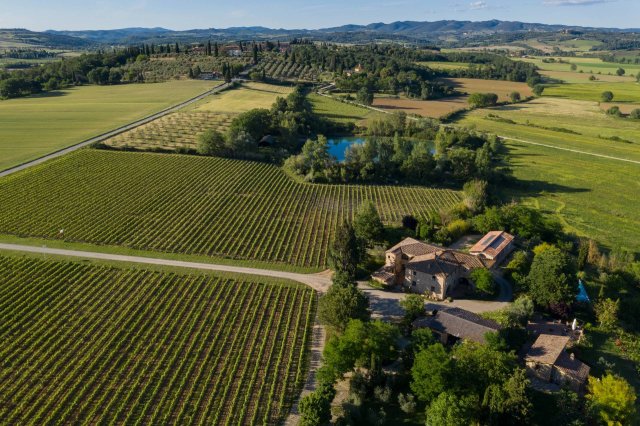
Tenute Silvio Nardi
Silvio Nardi bought Casale del Bosco in 1950, bottled Brunello from 1954 and helped found the Consorzio. Today 80 hectares over two estates give the single-vineyard Manachiara and Poggio Doria, and three tours can be booked online.
Sangiovese
Merlot
Malvasia
 Est. 1870
 Lombardy
Provaglio d'Iseo
Lombardy
Provaglio d'Iseo
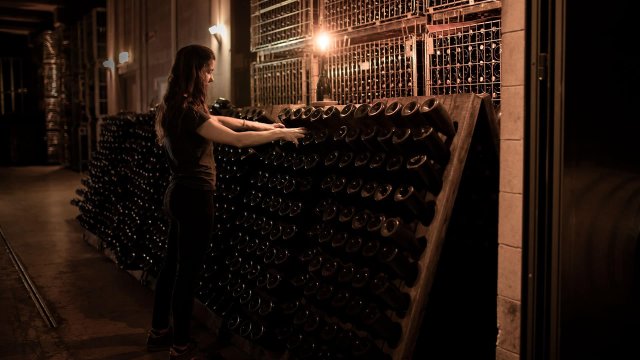
Azienda Agricola Barone Pizzini
One of Franciacorta's oldest estates, founded 1870 near Lake Iseo, and the first to make certified organic Franciacorta. Around 300,000 bottles a year of Animante, Satèn, Rosé and the Bagnadore Riserva, all vegan-certified, with tours and tastings bookable online from 28 euros.
Chardonnay
Pinot Nero
Pinot Bianco
 Est. 2001
Tuscany
Terricciola
Est. 2001
Tuscany
Terricciola
Casanova della Spinetta
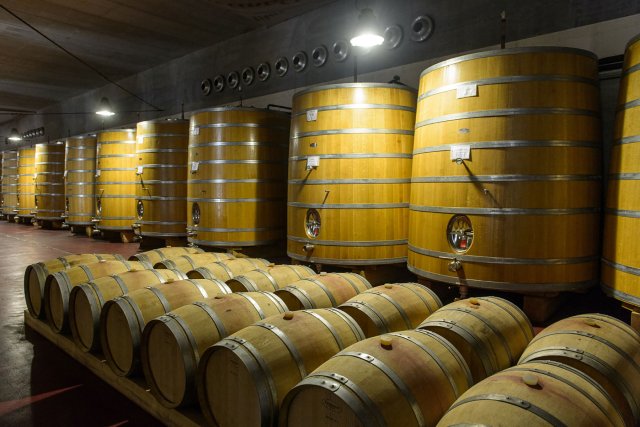
Casanova della Spinetta is the Tuscan winery of the Rivetti family of La Spinetta. It was founded in 2001 at Terricciola, in the province of Pisa. The listed bottles centre on Toscana IGT, led by Sangiovese and Vermentino.
Sangiovese
Vermentino
 Est. 1957
Tuscany
Montalcino
Est. 1957
Tuscany
Montalcino
Castello di Camigliano
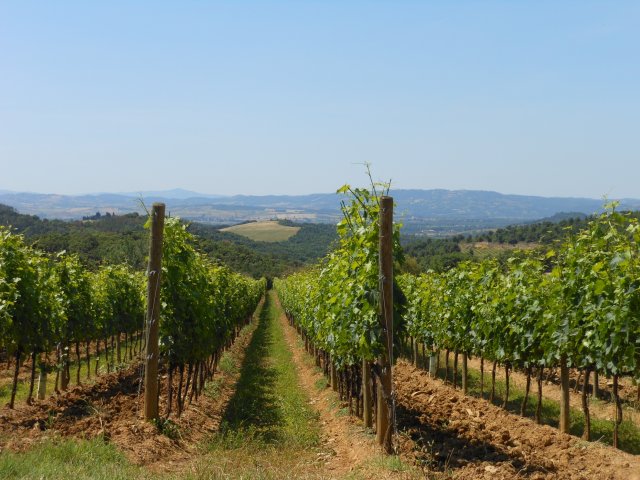
The Ghezzi family's castle village in the Montalcino hills: organic vineyards, a centuries-old cellar under the castle, and Brunello tastings paired with Pienza pecorino.
Sangiovese
Cabernet Sauvignon
Merlot
 Est. 1954
Friuli Venezia Giulia
Gorizia
Est. 1954
Friuli Venezia Giulia
Gorizia
La Castellada
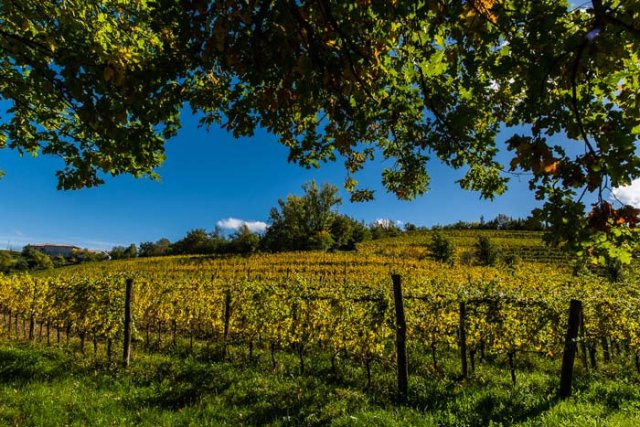
Ten hectares on the Oslavia ridge above Gorizia, farmed by three generations of the Bensa family. The property began as a tavern in 1954 and has bottled under the La Castellada label since 1985. The estate is a founding voice in the Ribolla di Oslavia association, which turned this thick-skinned local grape into a serious macerated white. Whites ferment with native yeasts and long skin contact in conical vats, age in old Slavonian botti and tonneaux, and are bottled without filtration. The range covers Ribolla Gialla, Friulano, Sauvignon, Chardonnay, Pinot Grigio Ramato and a long-macerated Bianco della Castellada blend, plus a small-parcel Merlot.
Chardonnay
Friulano
Merlot
 Emilia Romagna
San Clemente
Emilia Romagna
San Clemente
Tenuta Mara
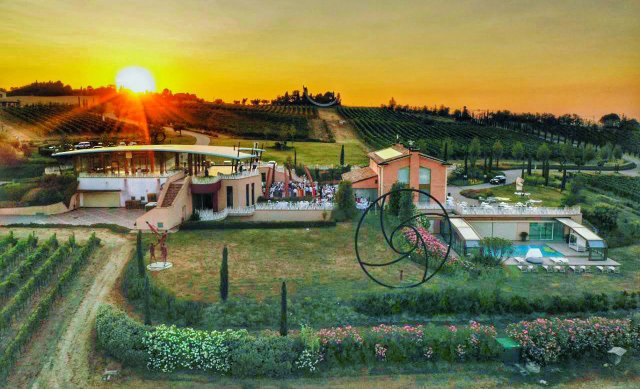
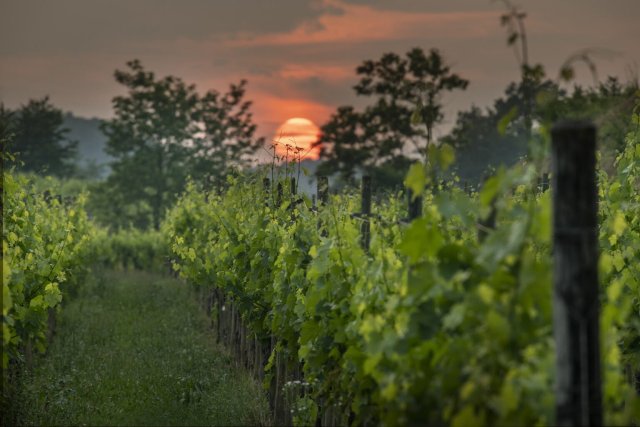
Tenuta Biodinamica Mara farms Sangiovese di Romagna to Demeter-certified biodynamic rules, twelve kilometres inland from the Adriatic in the Rimini hills. The wines ferment spontaneously and age in three decorated cellar rooms. The flagship is MaraMia, and the estate pairs its cellar with art, music, a restaurant and the four-suite Casa Mara.
Sangiovese
Pinot Nero
 Est. 1967
Friuli Venezia Giulia
Capriva del Friuli
Est. 1967
Friuli Venezia Giulia
Capriva del Friuli
Azienda Agricola Russiz Superiore
Sixth-generation Felluga estate at Capriva del Friuli in the Collio hills, bought by Marco Felluga in 1967. Whites lead: Friulano, Pinot Bianco, Ribolla Gialla and Sauvignon Blanc, plus the Col Disore blend and the red Rosso Riserva degli Orzoni. The farm is VIVA-certified, the cellar runs on its own solar power, and there are three bookable tastings and rooms at the Relais on the estate.
Pinot Bianco
Ribolla Gialla
Sauvignon Blanc
 Est. 1898
 Sardinia
Cabras
Sardinia
Cabras
Azienda Vinicola Contini Attilio
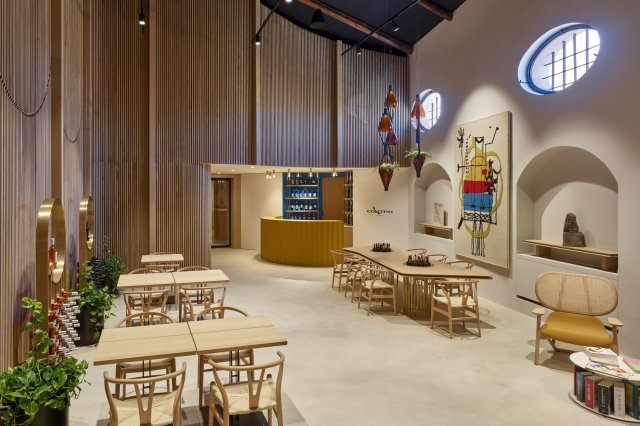
Sardinia's oldest working winery, run by the Contini family in Cabras since 1898 and the defining producer of Vernaccia di Oristano, the island's first DOC. Antico Gregori leads more than thirty labels, from Karmis, the Vermentino and Vernaccia blend, to Pariglia Vermentino, 'Inu Cannonau and Elibaria Vermentino di Gallura DOCG. The organic Mamaioa range and the Attilio sparkling wines round it out.
Vermentino
 Est. 1349
Tuscany
Vagliagli
Est. 1349
Tuscany
Vagliagli
Bindi Sergardi
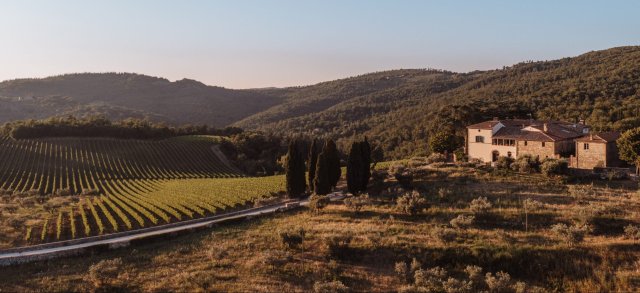
The Bindi Sergardi family has made wine around Siena since 1349. Today sisters Alessandra and Maddalena farm three estates, from Chianti Classico at Tenuta Mocenni to Vino Nobile country at Chiusi, and host tastings you can book online from 45 euros.
Sangiovese
Chardonnay
Malvasia
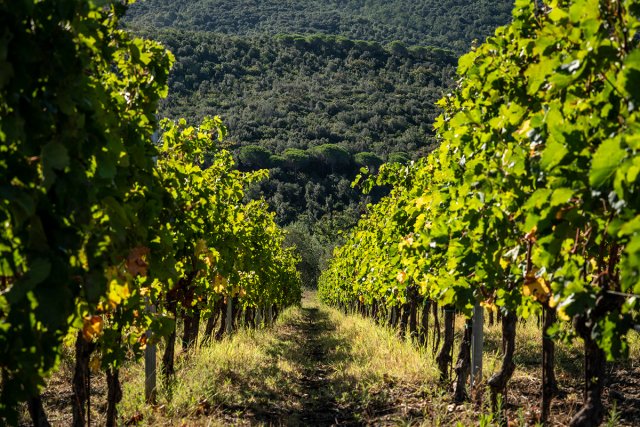 Tuscany
Castagneto Carducci
Tuscany
Castagneto Carducci
Caccia al Piano 1868
Bolgheri estate on the Via Bolgherese at Castagneto Carducci, bought in 2003 by Franco Ziliani of Guido Berlucchi and now run by his children. Cabernet, Merlot and Syrah come off four coastal sites. A small-batch Bolgheri Bianco, a Toscana rosato and a sparkling rosé complete the range, with booked cellar tastings between the hills and the sea.
Cabernet Sauvignon
Merlot
Vermentino