






Italian winery listings
Page 5 of 9 in the Italian winery directory, with estate profiles, tasting options, cellar tours, booking details, and wine availability.


 Tuscany
Radda in Chianti
Tuscany
Radda in Chianti
Castello di Albola
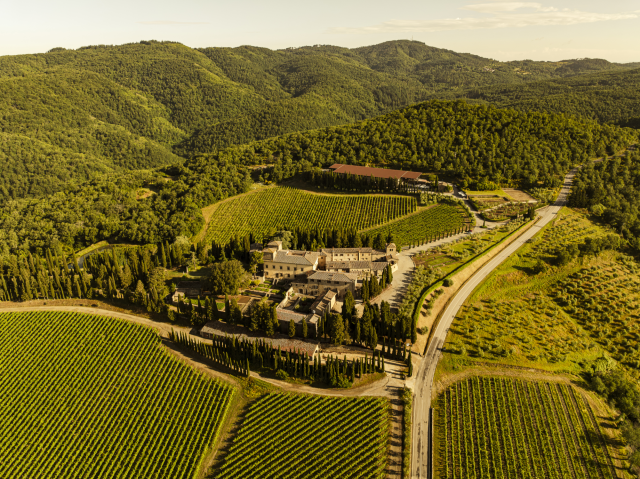
A medieval village above Radda in Chianti, owned by the Zonin family since 1979. Organic Sangiovese from vineyards at 350 to 650 metres, single-vineyard Gran Selezione, eight bookable tastings, three suites and an osteria.
 Sangiovese
Cabernet Sauvignon
Sangiovese
Cabernet Sauvignon
 7
7

 Tuscany
Montalcino
Tuscany
Montalcino
Ciacci Piccolomini d’Aragona
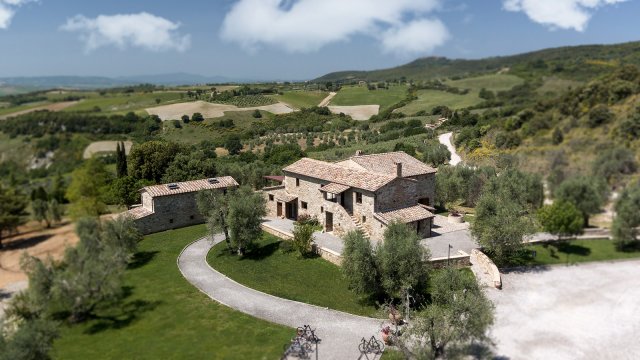
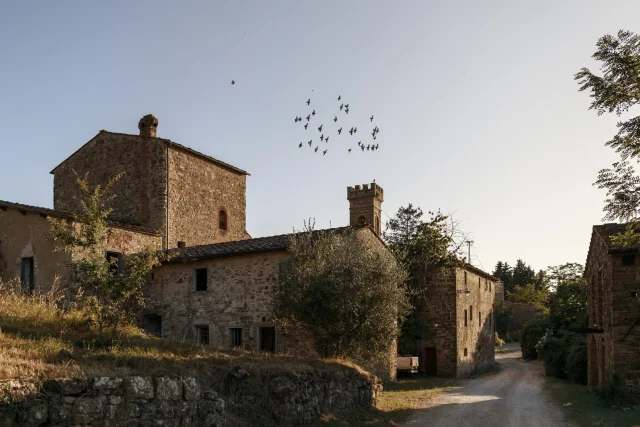
A family estate beside the abbey of Sant'Antimo in Montalcino. Its wines centre on Brunello di Montalcino DOCG, Rosso di Montalcino DOC and Sant'Antimo DOC, from grapes including Sangiovese, Cabernet Sauvignon and Merlot.
Sangiovese
Cabernet Sauvignon
Merlot
 Est. 1956
Tuscany
Barberino Tavarnelle
Est. 1956
Tuscany
Barberino Tavarnelle
Isole e Olena
Two historic hamlets joined into one estate in 1956, and the birthplace of Cepparello, the pure Sangiovese released every first of April.
Sangiovese
Cabernet Franc
Cabernet Sauvignon
 Veneto
Crocetta del Montello
Veneto
Crocetta del Montello
La Gioiosa
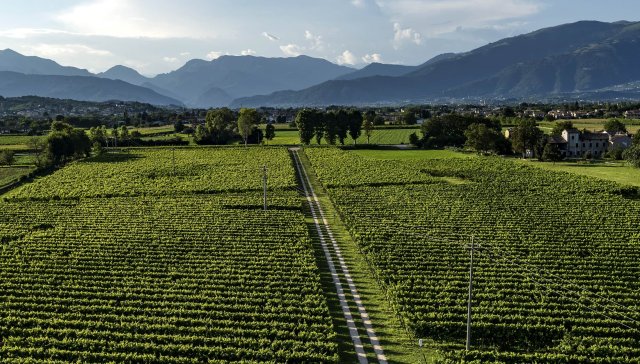
Prosecco house of the Moretti Polegato family at Crocetta del Montello, sister to Villa Sandi. Prosecco DOC Treviso, Prosecco Rosé, Valdobbiadene and Asolo Prosecco Superiore DOCG, all confirmed suitable for vegans. No public visits.
 Glera
Glera
 Friuli Venezia Giulia
Prepotto
Friuli Venezia Giulia
Prepotto
Spolert Winery
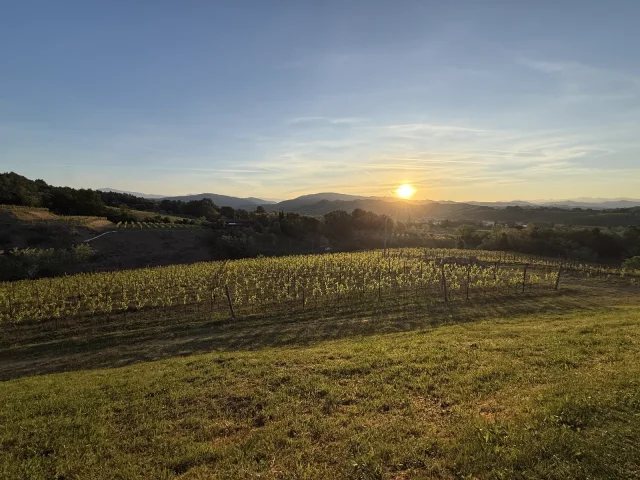
A small artisan cellar at Prepotto built around Schioppettino, with a fresh concrete-made range and an amphora-aged range. Tastings at the bar or in the garden, picnics in the vines, cooking classes, walks, e-bikes and rooms to stay in.
Friulano
Schioppettino
Merlot
 Veneto
Tarzo
Veneto
Tarzo
Tenuta di Ville d Arfanta
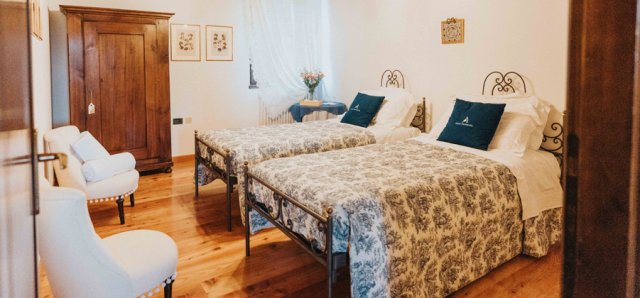
Six hectares of Glera on the cool north flank of the Conegliano-Valdobbiadene hills. The Serena family runs the restored country house for Prosecco tastings, vineyard walks and overnight stays.
Glera
 Est. 1999
 Abruzzo
Loreto Aprutino
Abruzzo
Loreto Aprutino
Torre dei Beati
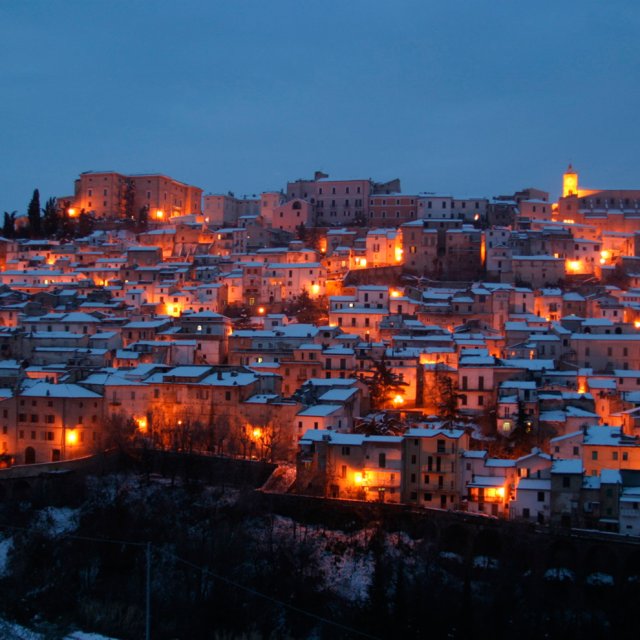
Adriana Galasso and Fausto Albanesi farm 21 certified organic hectares around Loreto Aprutino. The inland Pescara town sits between the Adriatic and the snow line of the Gran Sasso. Their range circles three native grapes: Montepulciano in juicy and Riserva form, Pecorino with bright acidity, and Trebbiano d'Abruzzo. The Cerasuolo d'Abruzzo Rosa-ae was Gambero Rosso's Rosé of the Year in 2020.
Montepulciano
Pecorino
Trebbiano
 Veneto
S. Pietro in Cariano
Veneto
S. Pietro in Cariano
Azienda Agricola Brunelli Luigi
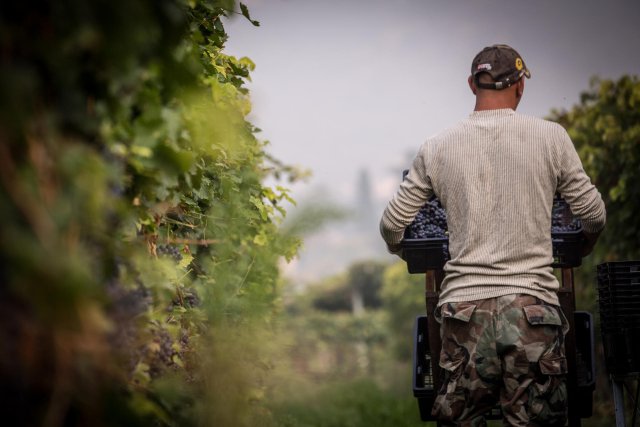
Family estate at San Pietro in Cariano, making Amarone since 1936. Tastings without booking, and rooms in a restored country house.
Corvina
Corvinone
Rondinella
 Molise
Campomarino
Molise
Campomarino
Azienda Agricola Di Majo Norante
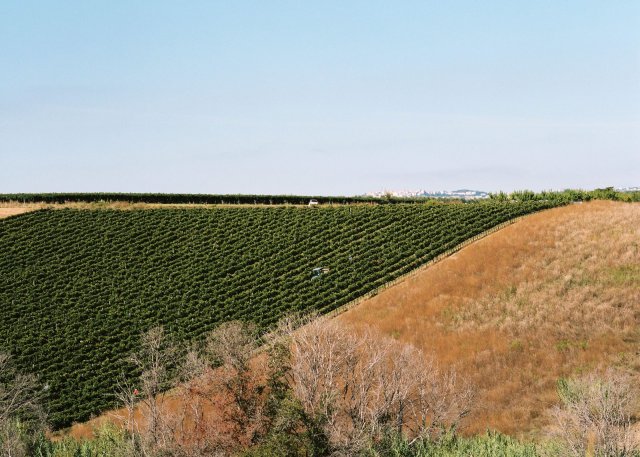
Family estate at Campomarino farming 123 hectares of native Molise grapes. It brought Tintilia back from near-extinction, and its Don Luigi Riserva is the regional benchmark for aged Montepulciano.
Aglianico
Montepulciano
Sangiovese
 Campania
S. Agata dei Goti
Campania
S. Agata dei Goti
Azienda Agricola Mustilli
Family estate in Sant'Agata de' Goti, in the Sannio hills of inland Campania. Leonardo Mustilli bottled the first wine made from Falanghina alone in 1979 and led the campaign that won the town its own DOC in 1993. His daughters run the estate today, with cellar tours, a wine bar and a small B&B in the family's 17th-century palazzi.
Aglianico
Falanghina
Greco
 Est. 1990
 Piedmont
La Morra
Piedmont
La Morra
Azienda Agricola Poderi Marcarini
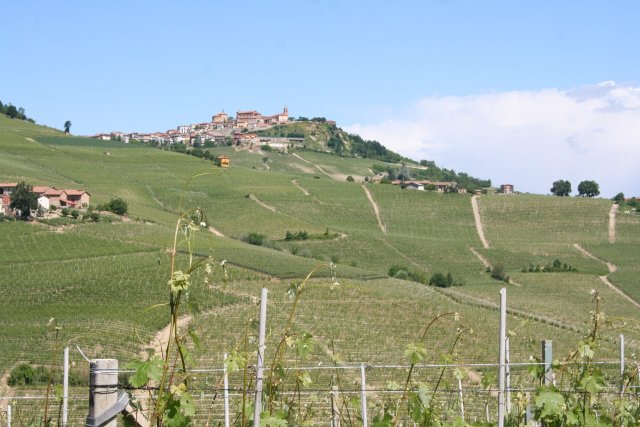
Six generations of Barolo at La Morra, from a cellar built into an 18th century house beside a medieval tower. Marcarini has held land in Brunate and La Serra for generations. It named one vineyard on a Barolo label back in 1958. At Berri it still farms a patch of Dolcetto that grows on its own roots. The village wine shop runs cellar tours and tastings.
Nebbiolo
Arneis
Barbera
 Tuscany
Greve in Chianti
Tuscany
Greve in Chianti
Castello Vicchiomaggio
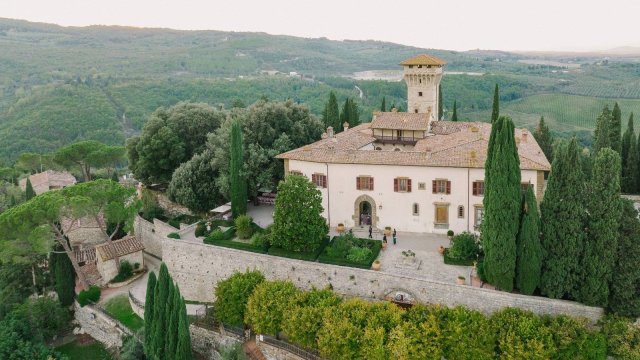
A castle with a tower from around 1100 and one of Chianti's most open cellar doors. Daily tastings at the Cantinetta San Jacopo, guided tours from 33 euros, and a restaurant and rooms inside the walls. The Matta family has made the wines here since 1964. Sangiovese, Cabernet Sauvignon and Merlot fill the Chianti Classico range, and Amphiarao ages in terracotta jars from Impruneta.
Cabernet Sauvignon
Sangiovese
 Est. 1977
Tuscany
Castagneto Carducci
Est. 1977
Tuscany
Castagneto Carducci
Grattamacco
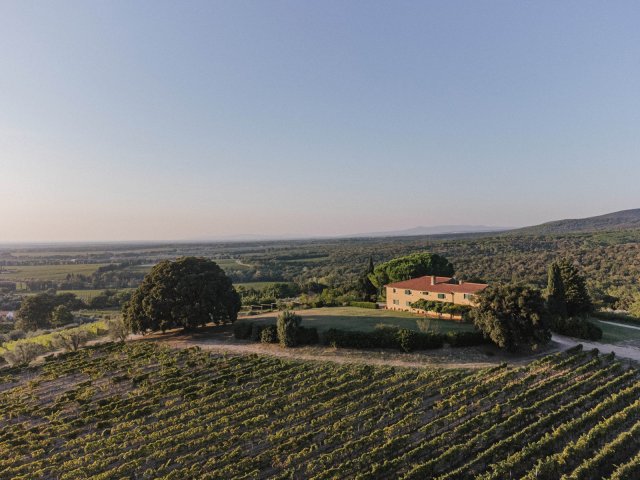
The second estate to believe in Bolgheri and the first to bottle a Bolgheri Rosso: high-hill vines, bush-trained Cabernet and a famous Vermentino.
Cabernet Sauvignon
Cabernet Franc
Merlot
 Molise
Portocannone
Molise
Portocannone
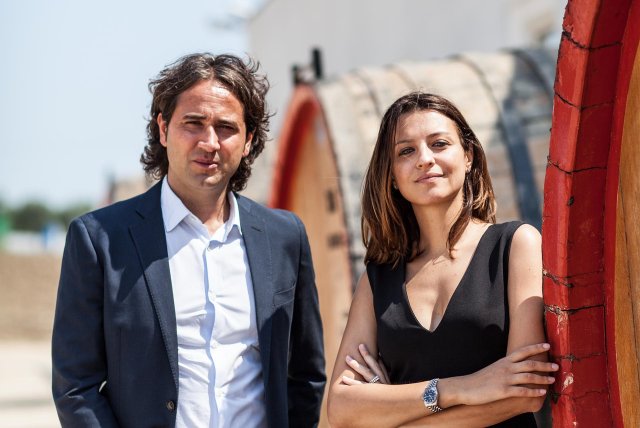
Tenimenti Grieco
A family estate at Portocannone, on the hills above the Adriatic in Molise. It makes Tintilia del Molise DOC and Biferno Rosso DOC alongside the Terre degli Osci IGT range. The Triassi Bordeaux blend is the flagship, and 200 Metri Tintilia is its Molise calling card.
Cabernet Sauvignon
Falanghina
Merlot
 Est. 1978
 Liguria
Chiavari
Liguria
Chiavari
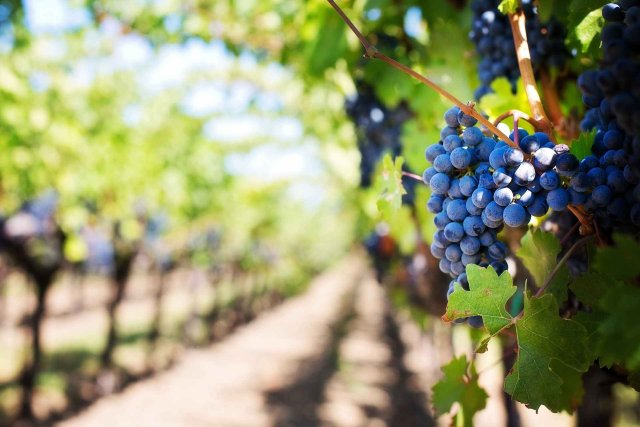
Vini Bisson
Bisson farms native Ligurian whites and reds across the Riviera di Levante, from a Chiavari enoteca trading since 1978 and a Sestri Levante cellar opened in 2019. Founder Pierluigi Lugano made the first Ligurian metodo classico. He then pioneered ageing spumante in stainless-steel cages at sixty metres on the Portofino seabed, the technique behind the estate's flagship Abissi Riserva Marina.
Vermentino
Bianchetta
 Est. 2000
Abruzzo
Cugnoli
Est. 2000
Abruzzo
Cugnoli
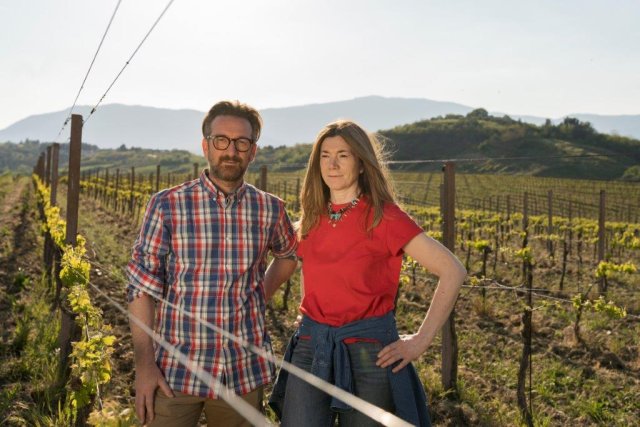
Agricola Tiberio
Family-run since 2000 in the hills of inland Pescara. Tiberio farms some of Abruzzo's oldest Trebbiano Abruzzese vines, plus a Pecorino vineyard planted at the start of that grape's modern revival. Fonte Canale and Archivio lead the single-vineyard wines.
Montepulciano
Pecorino
Trebbiano
 Est. 2005
 Sicily
Randazzo
Sicily
Randazzo
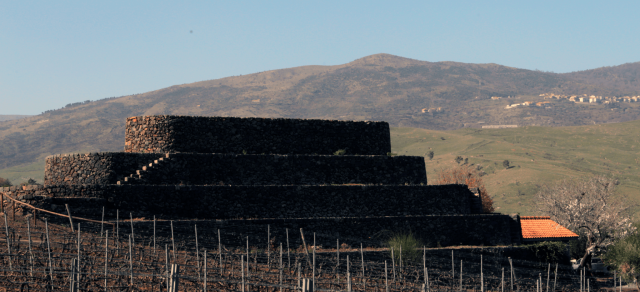
Al-Cantàra
Poems for names, paintings for labels: Pucci Giuffrida's estate outside Randazzo makes Etna DOC and Terre Siciliane wines from hand-farmed vines, some still on their own roots. Winery of the year at Gran Vinitaly 2023.
Nerello Mascalese
 Est. 1983
 Marche
Ostra Vetere
Marche
Ostra Vetere
Azienda Agricola Fratelli Bucci
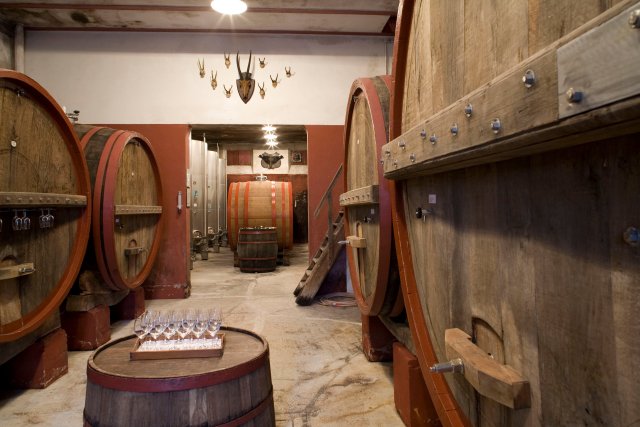
Bucci is one of the reference producers of Verdicchio dei Castelli di Jesi. In an underground cellar at Ostra Vetere, eighty-year-old Slavonian oak casks age both the Riserva DOCG white and the Pongelli Rosso Piceno red. The vineyards in Montecarotto, Serra de' Conti and Ostra Vetere are certified organic. Around 130,000 bottles a year; visits by arrangement only.
Verdicchio
 Abruzzo
Rosciano
Abruzzo
Rosciano
Azienda Agricola Marramiero
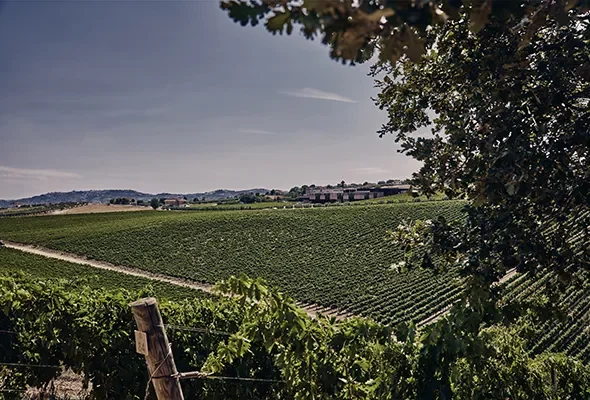
Marramiero's four estates run from the Pescara plain at Rosciano up to Ofena under the Gran Sasso. Montepulciano d'Abruzzo leads, alongside Trebbiano, Pecorino and a Pinot Nero grown on chalky clay soils. Inferi is the house signature, a Montepulciano d'Abruzzo given forty months in Ganimede tanks. Visits are tasting-led and by appointment, in four set tiers from thirty-five to a hundred euro per person.
Montepulciano
Pecorino
 Est. 1961
 Umbria
Baschi
Umbria
Baschi
Barberani
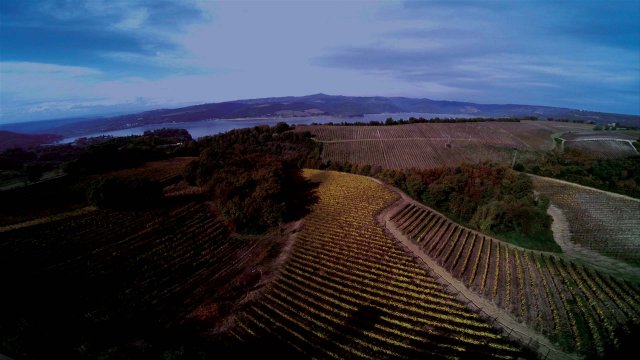
Family estate above Lake Corbara, in the historic Classico heart of Orvieto. Niccolo and Bernardo Barberani, the third generation, farm 55 hectares of certified organic vines and keep about 30 hectares of forest. Best known for the Castagnolo and Luigi e Giovanna Orvieto Classico Superiore, the noble-rot Calcaia, and the red blend Polvento.
Grechetto
Trebbiano
 Est. 1967
 Lombardy
Desenzano del Garda
Lombardy
Desenzano del Garda
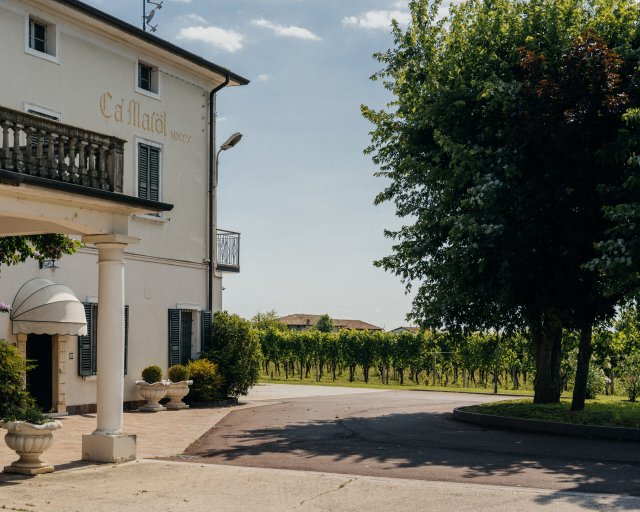
Cà Maiol
Cà Maiol started in 1967 around a farmhouse dated 1710, on the flat Lugana land south of Lake Garda. Its founder helped set up the body that protects the Lugana name. Turbiana fills most of the vines, with Groppello, Marzemino and Barbera on the Valtènesi side to the west. The Marzotto family's wine group bought the estate in 2017. Four guided tastings can be booked, and the wine shop opens every day.
Turbiana
Barbera
Groppello
 Est. 1996
Tuscany
Castagneto Carducci
Est. 1996
Tuscany
Castagneto Carducci
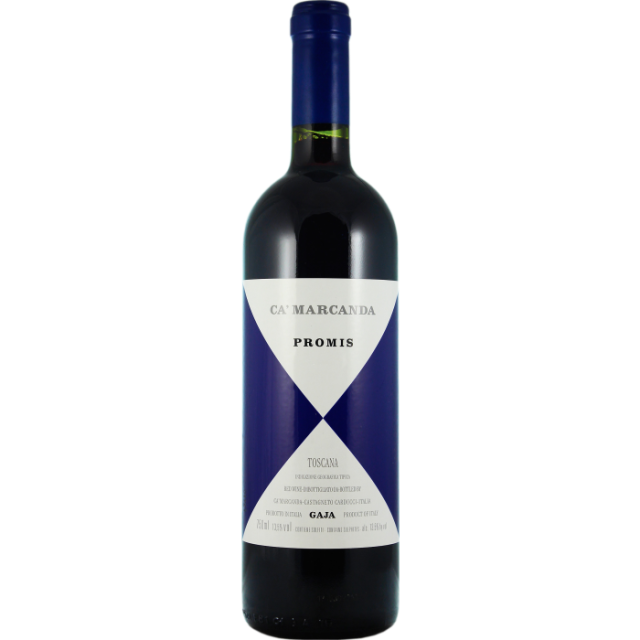
Ca Marcanda
Angelo Gaja planted this Bolgheri estate in 1996. About 100 hectares of vines above Castagneto Carducci, roughly 140 football pitches, feed four wines: Promis, Magari, Camarcanda and Vistamare.
Cabernet Franc
Cabernet Sauvignon
Merlot
 Basilicata
Rionero in Vulture
Basilicata
Rionero in Vulture
Cantine del Notaio
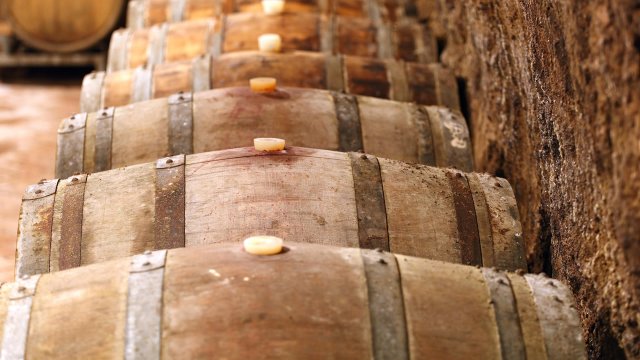
Founded in 1998 by Gerardo Giuratrabocchetti and Marcella Libutti, Cantine del Notaio farms 40 hectares of Aglianico, Moscato and Malvasia across five Mount Vulture villages. The flagship Aglianico del Vulture La Firma ages in French oak in grottoes carved from volcanic tufo around 1600. Luigi Moio has shaped every release as consulting winemaker.
Aglianico
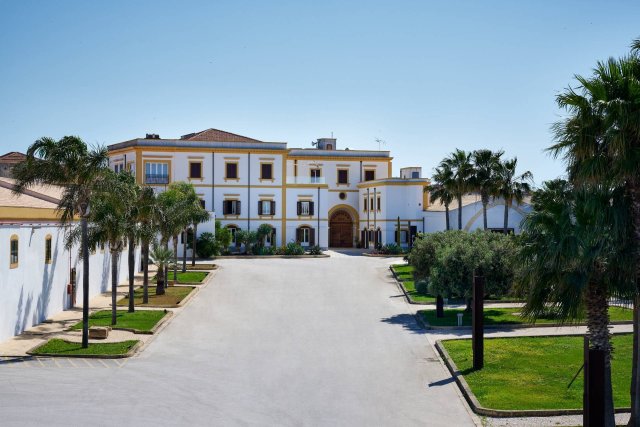 Est. 1833
Sicily
Marsala
Est. 1833
Sicily
Marsala
Cantine Florio
Vincenzo Florio's 1833 cellars on the Marsala seafront, four tufa aisles holding 3,000 casks of Marsala Vergine and Superiore. Now part of the Duca di Salaparuta group, with three bookable tastings and a sea-view terrace.
Grillo
Malvasia di Lipari