






 Est. 2005
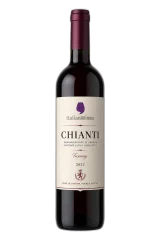
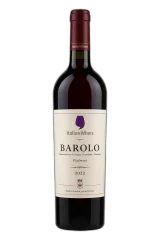
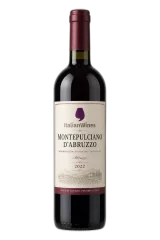
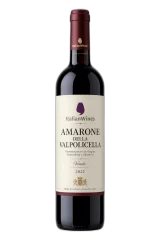
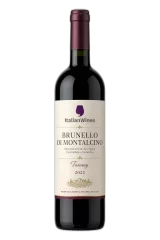
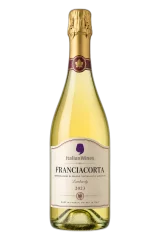
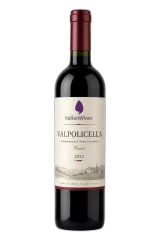
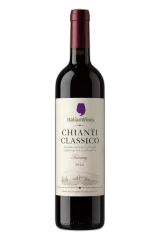
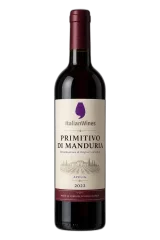
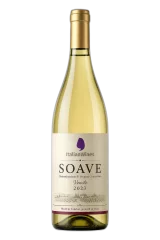
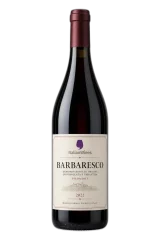
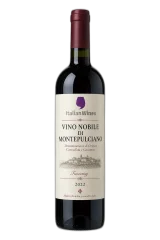
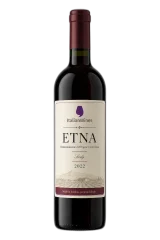
  4 wines
  Booking required



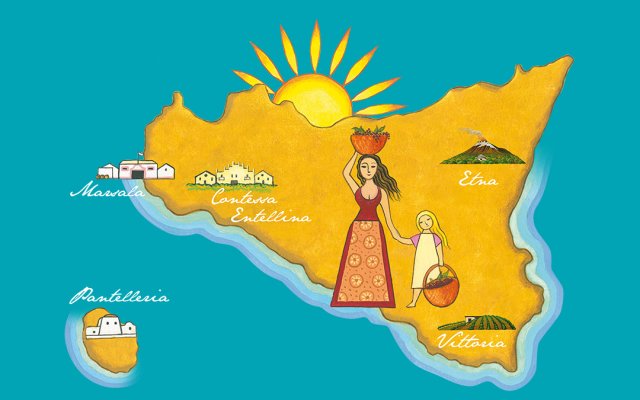
Wine area
Etna
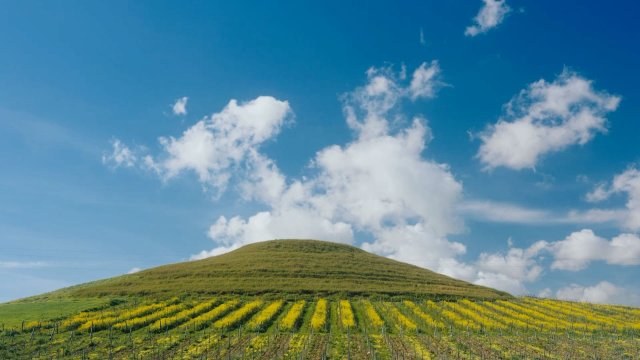
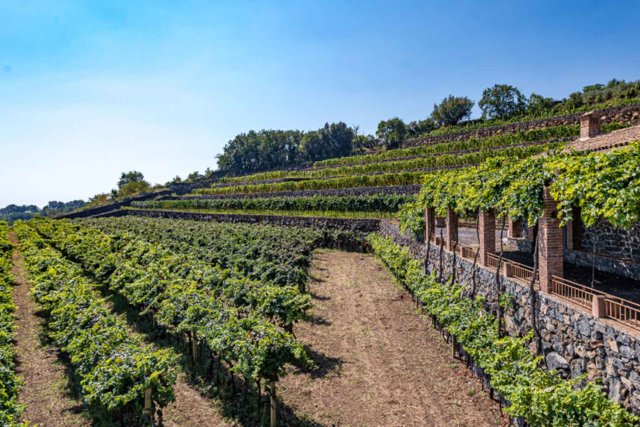
Black volcanic terraces on Europe's highest active volcano, the home of Nerello Mascalese and Carricante.
Your cellar, your trips, and the wines you've been tracking are right where you left them.
New here?
Free, always. Education first, we'll never sell you anything you didn't ask to see.
Already have an account?
Enter the email you signed up with and we'll send a link to choose a new password.
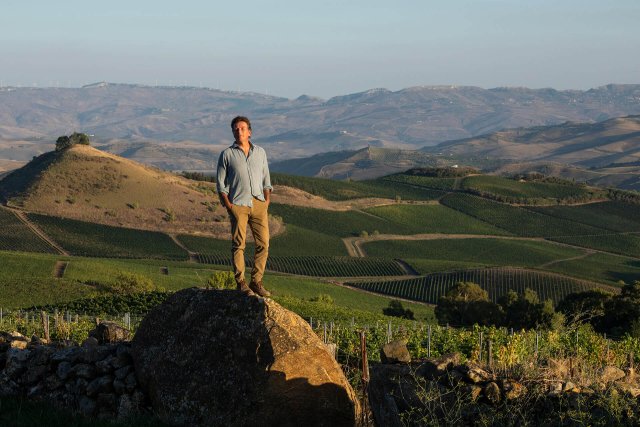
Al-Cantàra is a wine estate on the north slope of Mount Etna, just outside Randazzo in eastern Sicily. Pucci Giuffrida, an accountant from Catania, bought the farm in 2005. Its 20 hectares, about 28 football pitches, mix old vines with hazelnut and olive groves. Two thousand of its old Nerello Mascalese vines still grow on their own roots, never grafted. Every bottle carries a poem by a Sicilian writer, with a label painted by a Sicilian artist. At Vinitaly 2023 it was named winery of the year.
 Sicily

Pucci Giuffrida was an accountant in Catania before he was a wine producer. In 2005 he bought a farm outside Randazzo and gave it a second job: putting Sicilian poetry on wine labels. The estate takes its name from the Alcantara, the river that runs below Etna's north side; the word is Arabic for bridge. The land itself told an older story. After phylloxera struck in the early 1900s, much of Etna's farmland changed crops. On this estate only a fifth of the land was still in vine; the rest had gone to hazelnuts and olives.
The old Nerello Mascalese vines were kept and retrained. Two thousand of them still grow on their own roots, never grafted onto American rootstock. A small patch of Grecanico stays in production too, the white grape old Etna families once used in their house blends. Alongside them grow Carricante, Nerello Cappuccio, and plantings of Pinot Noir and Cabernet Sauvignon.
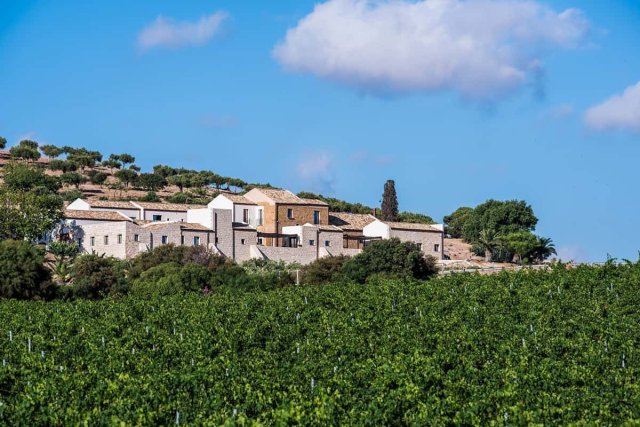
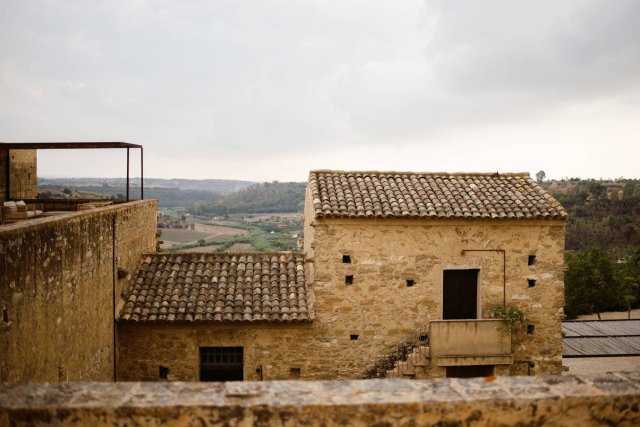
The poems are the signature. Each wine takes its name from Sicilian verse, by writers such as Luigi Pirandello, Giovanni Verga and Nino Martoglio. Each label is painted by a Sicilian artist. An 1850 farmhouse on the estate holds the Little Museum: about 400 labels, bottles and sculptures by some 300 artists, including Oliviero Toscani and Ferdinando Scianna. Stone pyramids stand on the estate land, which the family links to religious symbols thousands of years old.
The farming is by hand. Green manure crops feed the soil instead of chemical fertiliser. Picking runs in several passes, led by experienced women who take only the bunches that are ready. In the cellar, winemaker Salvo Rizzuto, trained in Bordeaux and the Langhe, keeps oxygen off the juice. The wines age in French oak and Etna chestnut barrels, often ones used several times before, so the wood stays in the background. The whites carry about half the added sulphites that organic rules allow. The estate also runs two projects with the University of Catania's agriculture faculty. Ponds of plants clean the winery's waste water, and a recovery programme is saving Etna's nearly extinct old grape varieties. Solar panels power part of the work.
The wines have been noticed. At Vinitaly 2023, Italy's biggest wine fair, Al-Cantàra was named winery of the year, the Gran Vinitaly award, on the strength of its 5StarWines judging scores. The range runs from Etna DOC red, white and rosé to Terre Siciliane IGT bottlings, a classic-method sparkling, and a passito red, Lu Disìu, for after dinner. Visits are by arrangement, and annual art events open the estate to guests.
Plate I · SICILY
Wine area
Black volcanic terraces on Europe's highest active volcano, the home of Nerello Mascalese and Carricante.

Winery
Randazzo, CT · Etna
Nothing here can be booked online yet. The experiences below are documented by our editors. The estate's contact details are in Practical info.
 Experience
Visits are by arrangement through the estate's phone, email or contact form. The Little Museum, in an 1850 farmhouse, shows around 400 artworks tied to the wines, and the estate holds art events during the year.
Not bookable online yet
Not seeing the estate you want? Estates without an online listing are reachable directly, and their phone and email are in Plan your visit.
Al-Cantàra's current bottle selection is led by Etna DOC. The clearest grape signal comes from Nerello Mascalese.
This form reaches the ItalianWines.co.uk team, not the winery. Tell us when you would like to come and how many you are: we contact Al-Cantàra for you and come back with availability and prices, usually within two working days.