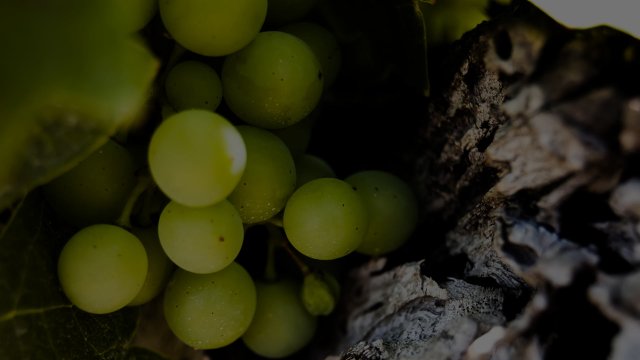
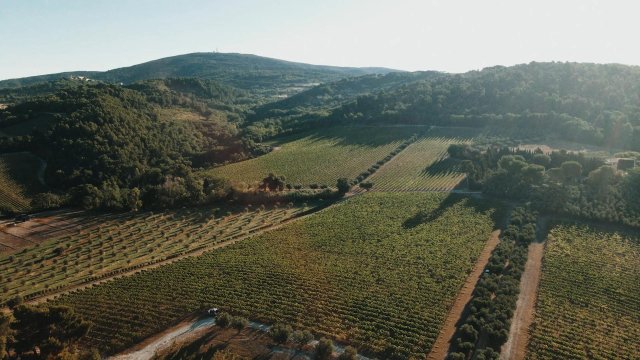
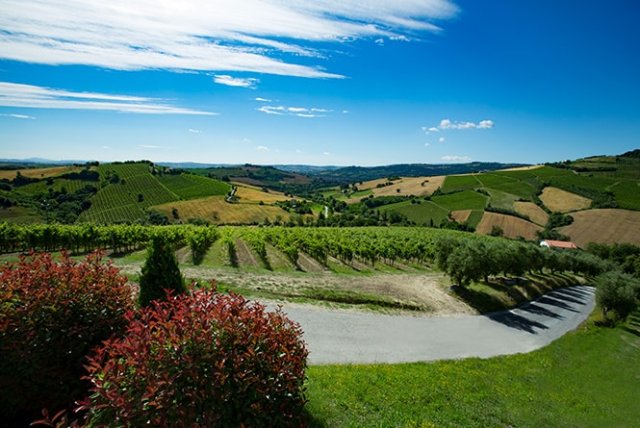
The Bucci family has farmed these hills since the eighteenth century. The estate covers four hundred hectares, about 560 football pitches, and still grows wheat, sunflower, peas and olives beside the vines. In 1983 Ampelio Bucci, born in nearby Montecarotto, began bottling the family Verdicchio under his own label. He treated the grape as the equal of any great northern Italian white.
That choice ran against the local fashion for quick, fruity whites. Bucci picked late and kept the crop small: around six to seven tonnes of grapes from each hectare of vines. The wine then aged slowly in the cellar instead of rushing out young.
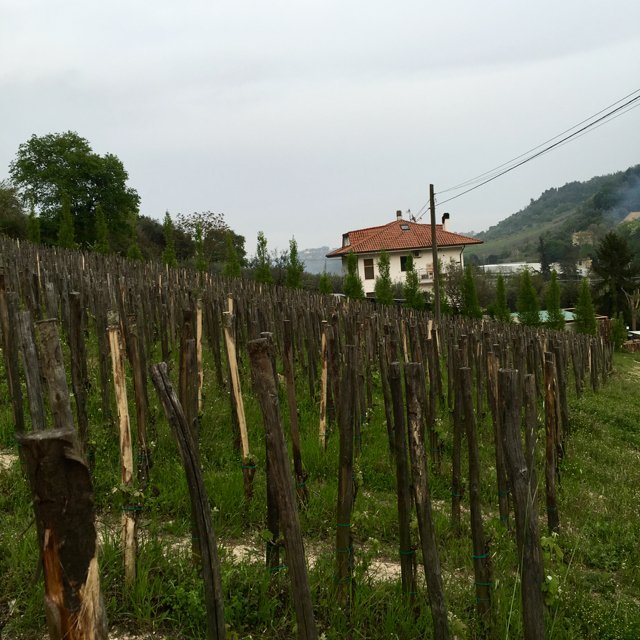
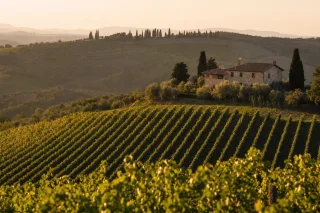
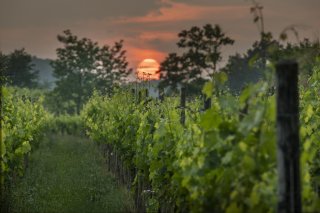
Thirty-one of those four hundred are vineyard, spread over three villages in the Castelli di Jesi DOC zone: Montecarotto, Serra de' Conti and Ostra Vetere. Twenty-five grow Verdicchio. The rest carry Sangiovese and Montepulciano for the red Rosso Piceno. The vines average about thirty-five years of age. They stand on limestone and clay, and sea air off the Adriatic cools the slopes at night. The farming has been certified organic under EU rules for years.
The cellar sits underground, built around giant old casks of Slavonian oak, the botti. Each holds enough wine to fill between 6,650 and 9,975 bottles. At roughly eighty years old, the wood has no oak taste left to give. It simply lets each wine breathe and age at its own pace, whites and reds alike.
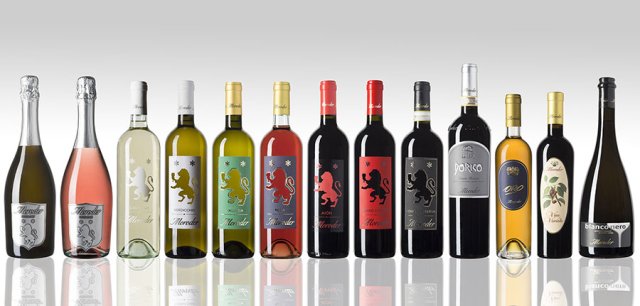
Bucci Classico, the entry Verdicchio dei Castelli di Jesi DOC Classico Superiore, starts in stainless steel before moving to the big casks. Villa Bucci Riserva, a Castelli di Jesi Verdicchio Riserva DOCG, is the long-aged flagship white. Pongelli and Villa Bucci Rosso, both Rosso Piceno DOC, blend roughly equal Sangiovese and Montepulciano in the same wood.
Ampelio Bucci led the winery for forty years, then handed it to Federico Veronesi in July 2024. The team and the method did not change. The estate sells around 100,000 to 120,000 bottles of Verdicchio and 20,000 to 30,000 of Rosso Piceno each year. Tastings and tours run by arrangement only, and the wines appear on restaurant lists and merchant shelves from Milan to Tokyo.








 Marche
 Est. 1983
  4 wines
  Tastings
 Walk-ins welcome