





Italian winery listings
Page 7 of 9 in the Italian winery directory, with estate profiles, tasting options, cellar tours, booking details, and wine availability.


 Basilicata
Acerenza
Basilicata
Acerenza
Vigneti del Vulture
Farnese's Basilicata estate on the volcanic Monte Vulture slopes; source of the Canio Aglianico del Vulture and Canio Bianco labels.
 Fiano
Greco
Fiano
Greco
 Aglianico
 4
4

 Sardinia
Jerzu
Sardinia
Jerzu
Antichi Poderi di Jerzu
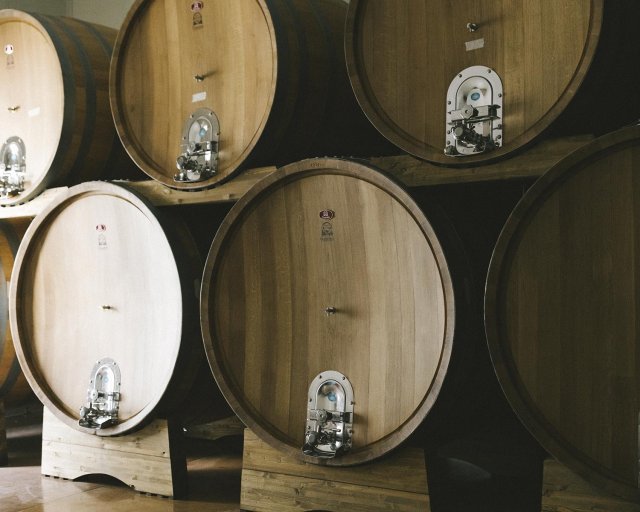
A village cooperative from 1950: 408 Jerzu families farm vineyards from 30 to 786 metres, mapped into nine zones, and lead the Cannonau di Sardegna DOC Jerzu wines. Tastings run from a 25 euro barrel-hall walk to a 40 euro tour of the historic cellar, beside the Maria Lai art space at Spazio Cinquesse.
Cannonau
Vermentino
 Est. 1978
 Liguria
Ortovero
Liguria
Ortovero
Azienda Agricola Durin
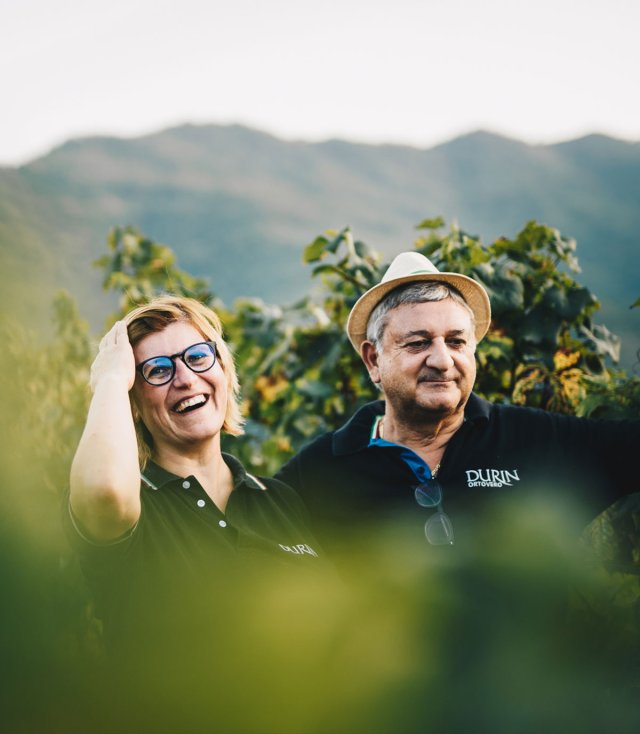
Family estate in Ortovero with 18 hectares of terraced vines in the Arroscia Valley. Saline, age-worthy Pigato leads, alongside Rossese, Ormeasco di Pornassio and the Bàsura sparkling wines, which rest on their lees inside the prehistoric Toirano Caves.
 Est. 1981
 Veneto
Villorba
Veneto
Villorba
Azienda Agricola Pizzolato
Family-owned organic winery at Villorba, north of Treviso, organic since 1991 and vegan since 2012. It makes Prosecco DOC in several styles, two Prosecco Superiore DOCG, wines with no added sulphites, and reds, whites and rosés. Tours, tastings and a picnic can be booked online.
Glera
Raboso
 Sicily
Gibellina
Sicily
Gibellina
Baglio Gibellina
Sicilian producer at Gibellina, in the Trapani hills. Dried-grape reds from Frappato and Nero d'Avola, sold here and abroad under several labels.
Frappato
Nero d'Avola
Grillo
 Est. 1956
 Trentino-Alto Adige
Trento
Trentino-Alto Adige
Trento
Cantina Sociale di Trento
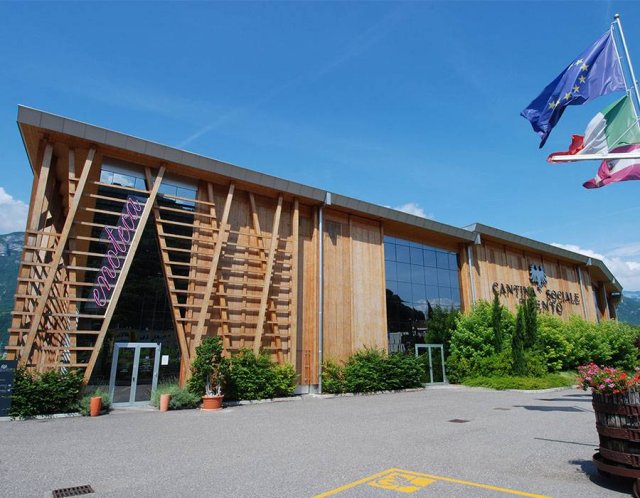
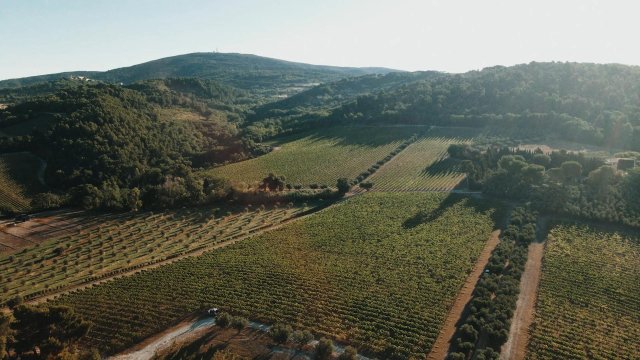
Trento's 1956 growers' co-operative: about 480 member growers, hills at 650 to 700 metres, and the Chardonnay-based 601 Trentodoc range at the front of the cellar.
Chardonnay
 Est. 1901
 Marche
Loreto
Marche
Loreto
Casa Vinicola Garofoli
The Marche's oldest family winery. Garofoli has bottled Verdicchio dei Castelli di Jesi and Conero reds from its Castelfidardo cellar since 1901. The fifth generation now farms around 50 hectares under SQNPI, Italy's lower-impact growing scheme.
 Tuscany
Suvereto
Tuscany
Suvereto
Corte Medicea
La Bollina's Suvereto-based Tuscan estate, producing Atos Merlot, Eklektos Cabernet, and other Toscana IGT reds.
Cabernet Sauvignon
Merlot
 Emilia Romagna
Marzeno
Emilia Romagna
Marzeno
Fattoria Zerbina
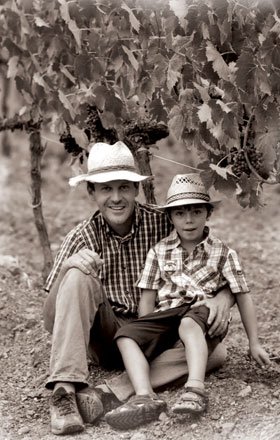
Fattoria Zerbina is Cristina Geminiani's family estate in the Marzeno hills outside Faenza. Since 1987 she has refined Romagna's two great grapes, Albana and Sangiovese. Her Scacco Matto, a noble-rot Albana Passito, helped earn Romagna its first white DOCG. Sangiovese from the Marzeno slopes completes the range.
 Est. 1925
Tuscany
Montalcino
Est. 1925
Tuscany
Montalcino
Il Valentiano
Il Valentiano is a small Ciacci-family estate in south-western Montalcino, farming Sangiovese at 400 metres among olive groves and macchia. Its flagship Campaperi Brunello di Montalcino is a limited, barrique-aged Sangiovese Grosso of around 400 cases a vintage, backed by a Riserva and a Rosso di Montalcino. Visits run by appointment, in Italian or English.
Sangiovese
 Est. 1946
Emilia Romagna
Parma
Est. 1946
Emilia Romagna
Parma
Lungoparma
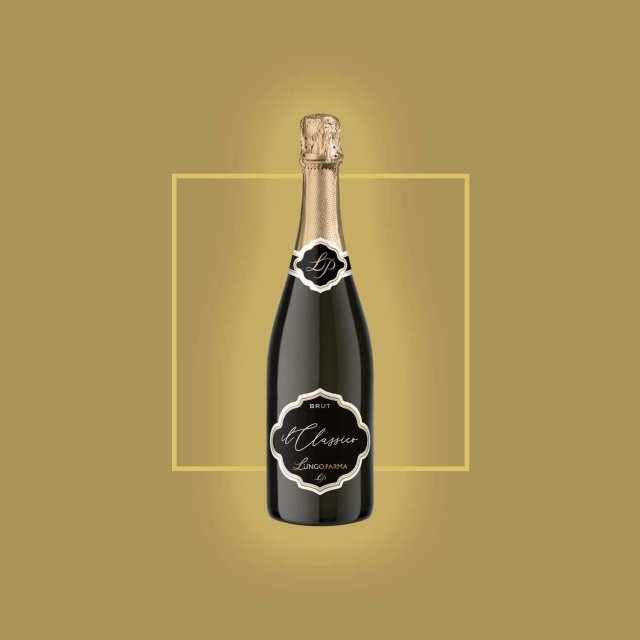
Sparkling and still wines from Parma's 1946 co-operative cellar, reborn under the century-old Gandolfi food group. Flagship Il Classico spends 30 months on its lees.
Chardonnay
Pinot Nero
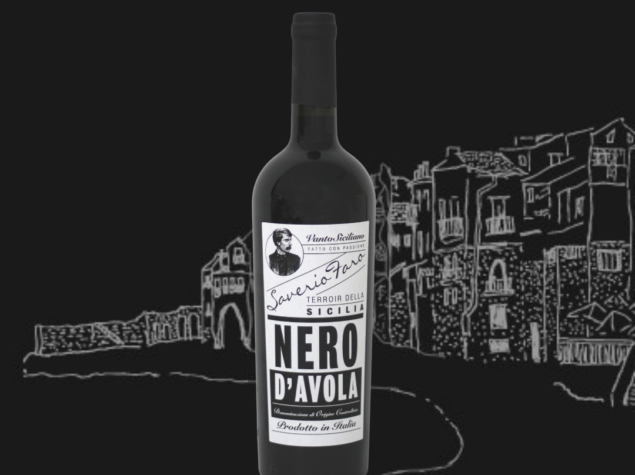 Sicily
Saverio Faro - Progetti Agricoli
Sicilia DOC Nero d'Avola, Grillo and Syrah from a cooperative of more than 2,000 farms under the Progetti Agricoli umbrella.
Grillo
Nero d'Avola
Syrah
 Tuscany
Castelnuovo dell'Abate
Tuscany
Castelnuovo dell'Abate
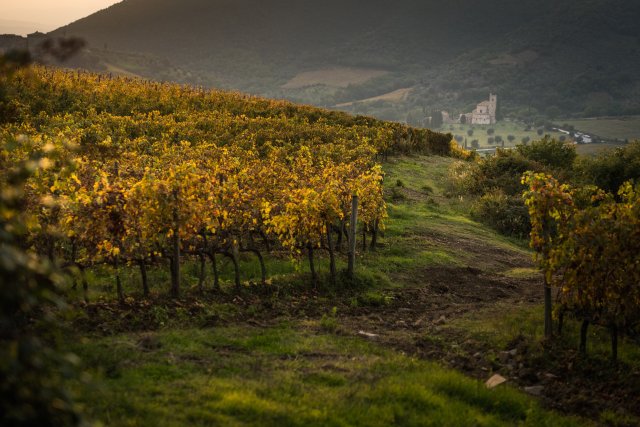
Tenuta Fanti
Fanti land since the early 1800s, a winery since the 1970s. Filippo and Elisa Fanti make Brunello di Montalcino from 50 hectares below Castelnuovo dell'Abate, looking across at the abbey of Sant'Antimo. Tastings and lunches by booking.
Sangiovese
 Tuscany
Bolgheri
Tuscany
Bolgheri
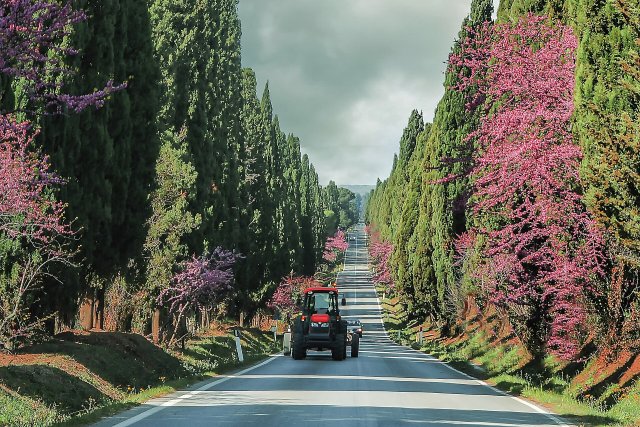
Tenuta San Guido
Marchese Mario Incisa della Rocchetta planted Cabernet Sauvignon here in the 1940s and kept the wine private until the 1968 vintage went on sale. That wine, Sassicaia, now holds a DOC of its own, reserved to this single 2,500-hectare estate behind Bolgheri's cypress avenue. Guidalberto and Le Difese complete the range, and there is no public cellar door.
Cabernet Sauvignon
Cabernet
Cabernet Franc
 Tuscany
Montalcino
Tuscany
Montalcino
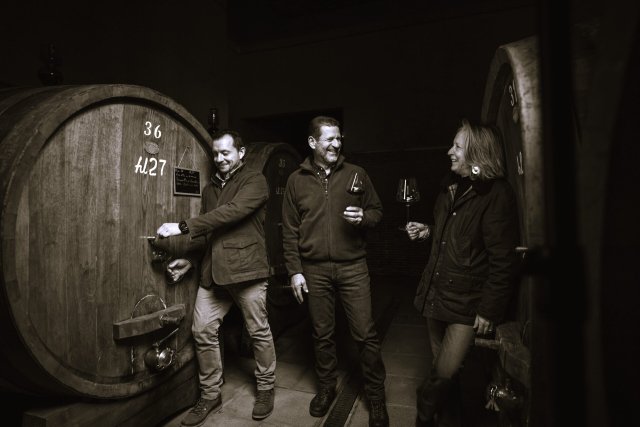
Azienda Agraria Le Chiuse
Small family estate on Montalcino's north slope, on old Biondi Santi land. Brunello, a ten-year Riserva, and three rooms among the vines.
Sangiovese
 Marche
Cupra Marittima
Marche
Cupra Marittima
Azienda Agricola Oasi degli Angeli
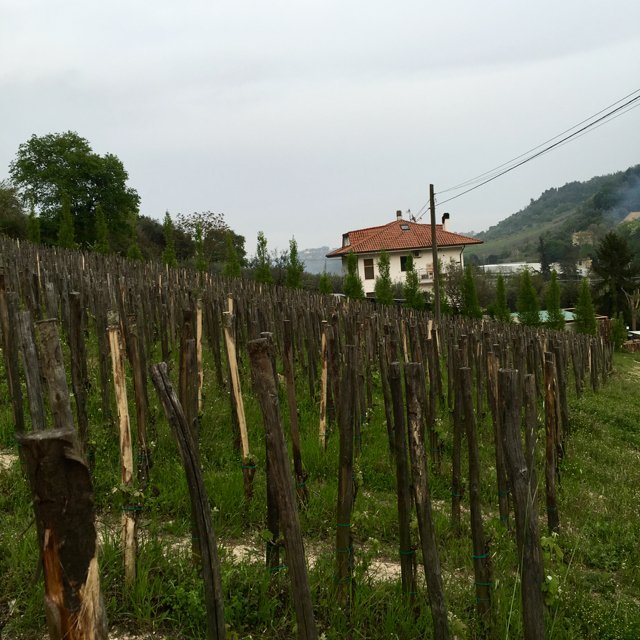
Two-wine estate at Cupra Marittima known for Kurni, a pure Montepulciano first bottled in 1997 that redrew what the southern Marche could do. Its partner Kupra is a Bordo Grenache from century-old vines, aged in cement eggs and new French oak, with only around 500 bottles a year.
Alicante
Montepulciano
 Tuscany
Radda in Chianti
Tuscany
Radda in Chianti
Castello di Radda
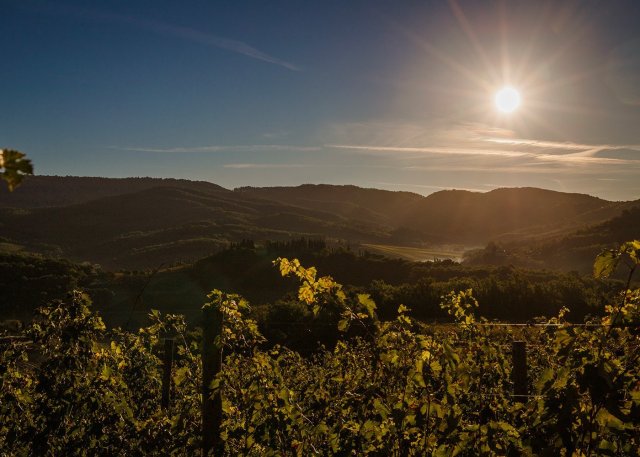
On the hill facing the village of Radda in Chianti, in one of the coolest, stoniest corners of Chianti Classico. The vineyards run from 350 to 450 metres in Radda and Gaiole, all of them certified organic since 2020, and the cellar is dug out of the rock so that almost nothing shows above ground. Seven visits can be booked, and the cellar shop is open six days a week.
Sangiovese
 Puglia
Feudo Croci
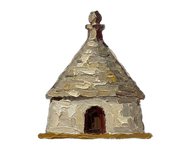
The Tinazzi family's Puglian arm in the Manduria zone, bought in 2001. Its Primitivo di Manduria DOC comes as Imperio LXXIV, the entry label, and Byzantium, drawn from older bush-trained vines.
Primitivo
 Est. 1997
 Campania
Bacoli
Campania
Bacoli
La Sibilla
A fifth-generation family estate in Bacoli, west of Naples. Ungrafted Falanghina and Piedirosso grow inside the Parco Monumentale di Baia, and the wines age in Roman aqueduct cisterns. The range centres on Campi Flegrei DOC, led by Falanghina.
Falanghina
 Est. 2005
Sardinia
Nurri
Est. 2005
Sardinia
Nurri
Panevino
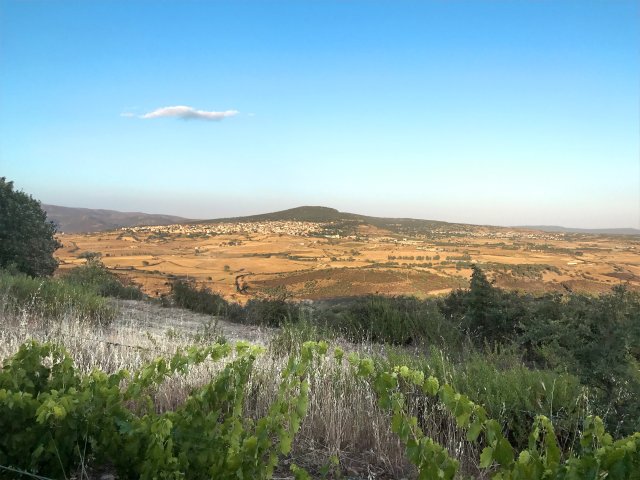
The baker of Nurri turned winemaker: Gianfranco Manca's old Sardinian bush vines make unfiltered field blends that change name with every vintage.
Cannonau
 Est. 1972
Marche
Poggio San Marcello
Est. 1972
Marche
Poggio San Marcello
Sartarelli
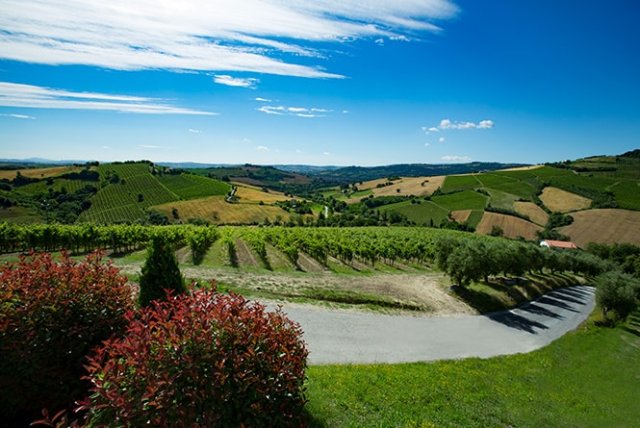
A third-generation family estate in Poggio San Marcello that bottles only Verdicchio. The range runs from the sparkling Brut to the cult Castelli di Jesi Verdicchio Riserva DOCG Balciana, named Best White Wine in the World in 1999.
Verdicchio
 Est. 2001
Tuscany
Cortona
Est. 2001
Tuscany
Cortona
Stefano Amerighi
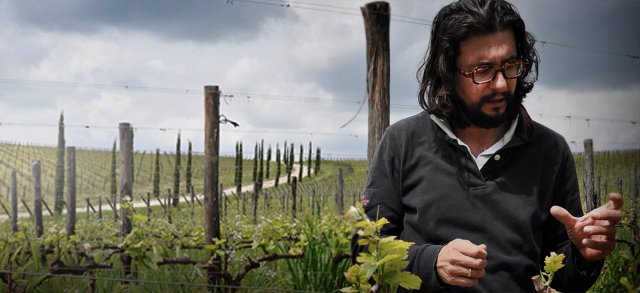
Stefano Amerighi began his Rhone-selected Syrah project on two hills at Poggiobello di Farneta in 2001. Demeter-certified farming, foot-trodden grapes, concrete vats and no additions; Apice, his top wine, waits two and a half years in bottle.
Syrah
 Veneto
San Pietro in Cariano
Veneto
San Pietro in Cariano
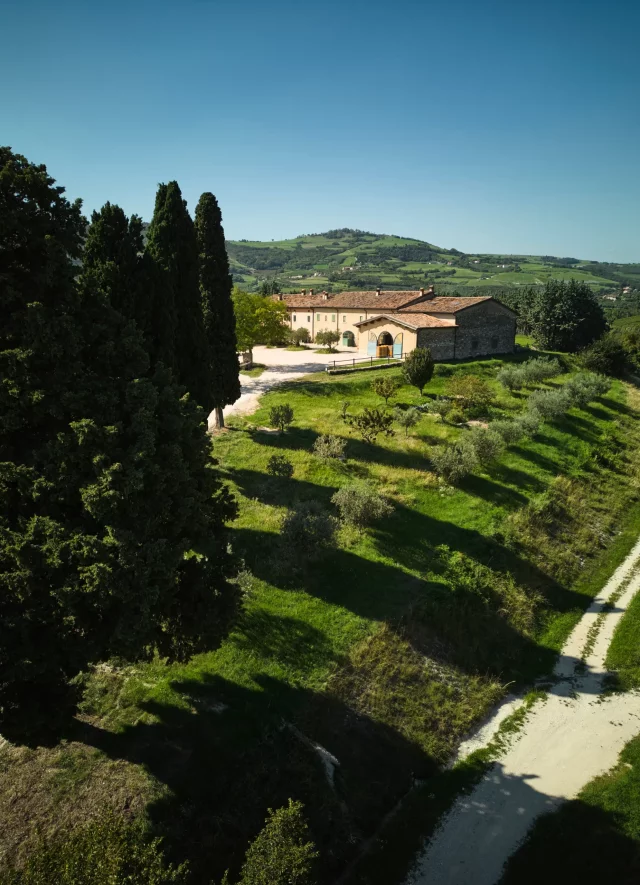
Tedeschi
A family estate in Pedemonte, in Valpolicella Classica, making single-vineyard Amarone from Monte Olmi since 1964. Maternigo and Fabriseria now feed the rest of the single-vineyard range.
 Lazio
Colonna
Lazio
Colonna
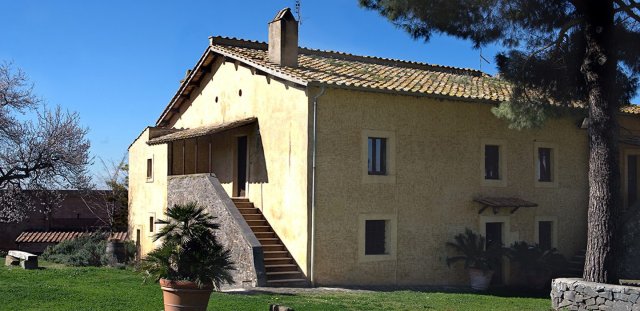
Tenuta Principe Pallavicini
A Castelli Romani estate above Colonna, where the Pallavicini family has farmed Frascati and Roma DOC vineyards since the 1600s. The volcanic hills of Marmorelle give the whites and the Stillato passito. A vineyard at Cerveteri, above the Tyrrhenian, carries the reds towards the coast.
Malvasia
Trebbiano