






Italian winery listings
Page 3 of 9 in the Italian winery directory, with estate profiles, tasting options, cellar tours, booking details, and wine availability.


 Est. 1965
 Friuli Venezia Giulia
Capriva del Friuli
Friuli Venezia Giulia
Capriva del Friuli
Azienda Agricola Schiopetto
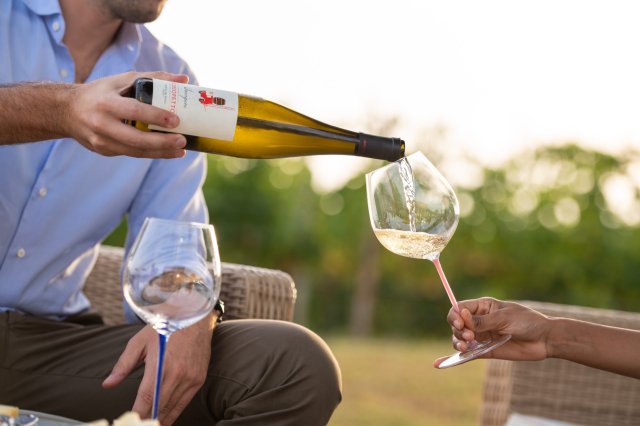
The Collio cellar where Mario Schiopetto bottled the first pure 'Tocai' in 1965 and started modern Italian white wine. The Rotolo family runs it today. The vines grow on ponca marl around the Palazzo Arcivescovile, and the Linea Mario Schiopetto whites cover Friulano, Pinot Bianco, Malvasia, Sauvignon and Pinot Grigio.
 Friulano
Sauvignon Blanc
Pinot Grigio
Friulano
Sauvignon Blanc
Pinot Grigio
 15
15

 Est. 1141
 Tuscany
Gaiole in Chianti
Tuscany
Gaiole in Chianti
Barone Ricasoli
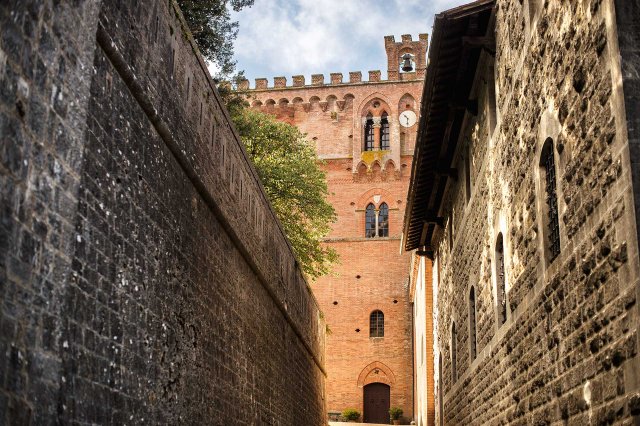
At Brolio Castle since 1141, the Ricasoli family wrote the Chianti formula in 1872 and now farms the largest estate in Chianti Classico. Castle visits, bookable tastings, the Osteria di Brolio and three farm stays.
 Sangiovese
Merlot
Cabernet Sauvignon
Sangiovese
Merlot
Cabernet Sauvignon
 Est. 1957
 Veneto
Solighetto
Veneto
Solighetto
Cantina Colli del Soligo
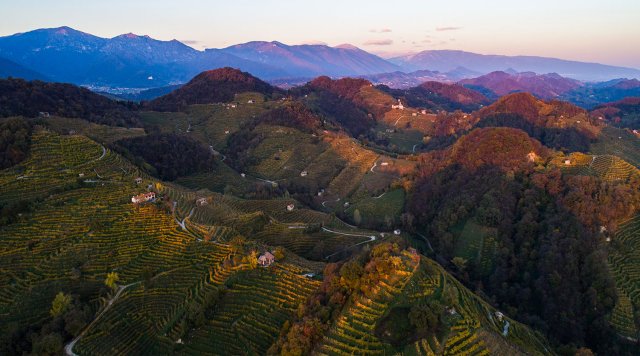
A growers' cooperative founded at Solighetto in 1957, inside the UNESCO-listed Prosecco hills. Around 600 members feed a range that runs from Conegliano Valdobbiadene Prosecco Superiore DOCG to Prosecco DOC Treviso, plus still wines and fungus-resistant varieties.
Glera
Cabernet Sauvignon
Merlot
 Est. 1921
 Puglia
Leporano
Puglia
Leporano
Varvaglione 1921
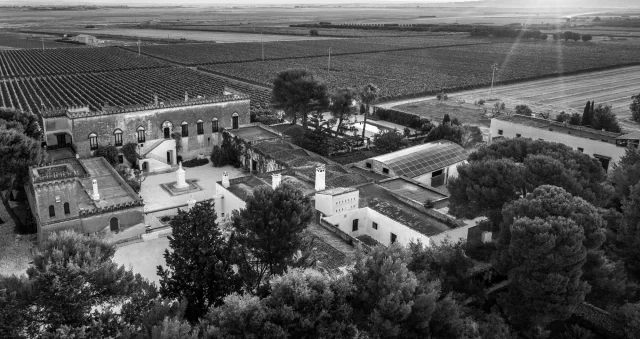
Family run cellar at Leporano, on the western edge of the Salento. The range is built around two Primitivo di Manduria DOC flagships and the broad 12 e Mezzo Salento IGP line.
Primitivo
Negroamaro
Fiano
 Est. 1977
 Lombardy
Erbusco
Lombardy
Erbusco
Azienda Agricola Bellavista
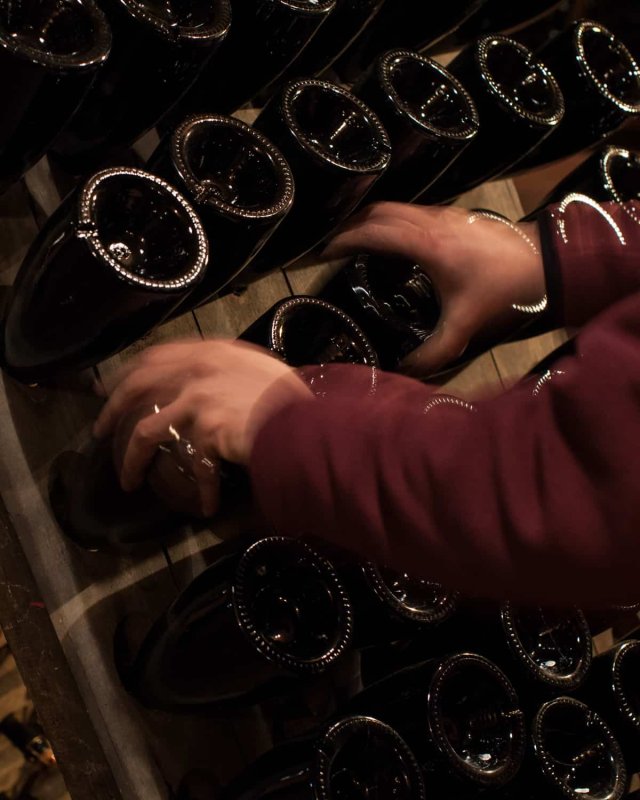
Founded by Vittorio Moretti in 1977 on the Bellavista hill above Lake Iseo, this Erbusco estate is one of Franciacorta's reference points. Hand-picked chardonnay and pinot nero feed Alma Assemblage, Satèn, Teatro alla Scala and the long-aged Vittorio Moretti Riserva. Curtefranca DOC Bianco covers the still side.
Chardonnay
Pinot Nero
 Abruzzo
Bolognano
Abruzzo
Bolognano
Azienda Agricola Ciccio Zaccagnini
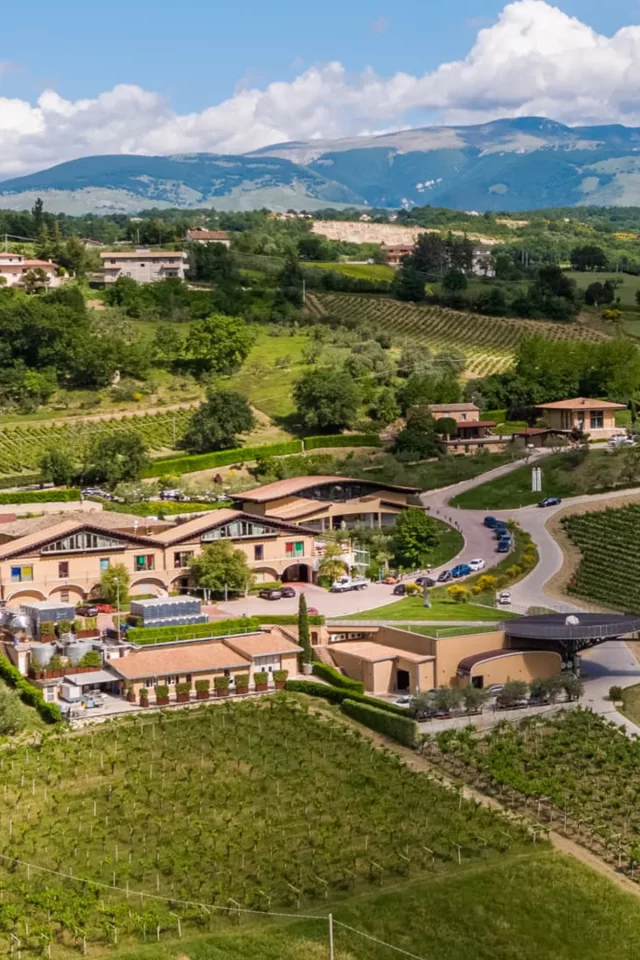
Bolognano estate founded in 1978 and known for the Tralcetto wines: Pecorino, Trebbiano, Cerasuolo and Montepulciano d'Abruzzo, each bottle finished with a hand-tied vine twig. Tastings, cellar tours and a permanent contemporary art collection on site.
Montepulciano
Pecorino
Bombino Bianco
 Puglia
L'Archetipo
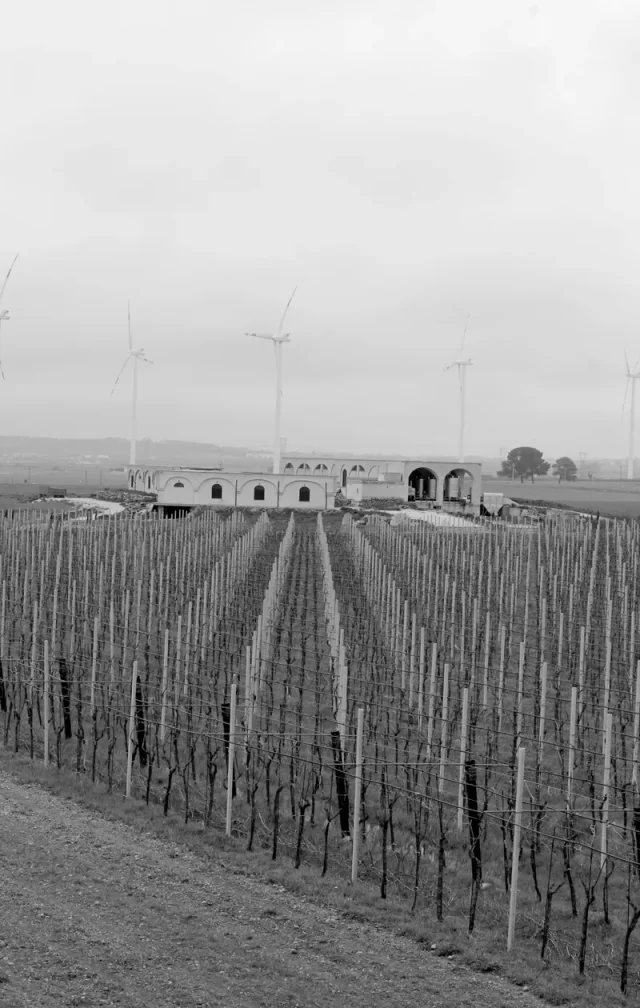
The Dibenedetto family's estate on the Castellaneta plateau in Puglia. Francesco Valentino farms by synergistic agriculture, the no-tillage method drawn from Masanobu Fukuoka, and bottles native grapes as Salento IGT and Puglia IGT. A Triple A producer since 2016, with low-sulphur reds led by Primitivo Mistico and the orange Verdeca Sette Lune.
Primitivo
Susumaniello
Aglianico
 Est. 2002
 Sicily
Randazzo
Sicily
Randazzo
Tenuta delle Terre Nere
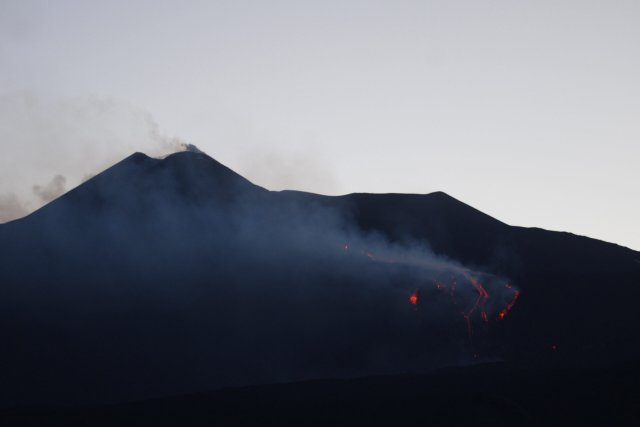
Marc de Grazia's Etna estate, bottled contrada by contrada. Its pre-phylloxera Nerello Mascalese sits in Calderara Sottana, and Guardiola ranks among Europe's highest red-grape sites.
Nerello Mascalese
Nerello Cappuccio
Carricante
 Est. 2004
 Campania
Paternopoli
Campania
Paternopoli
Vinosia
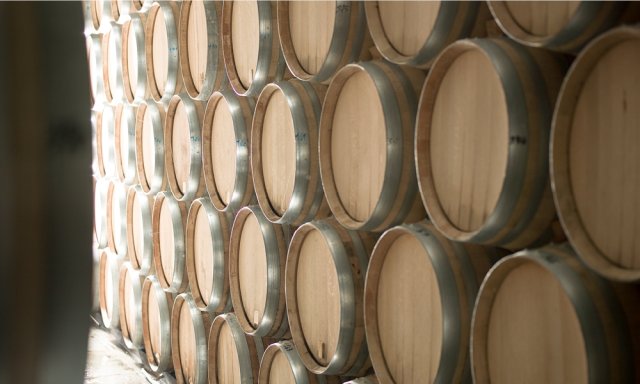
Founded in 2004 by Luciano Ercolino, Vinosia works the high vineyards of Irpinia and a Salento outpost in Puglia. It focuses on native grapes: Aglianico for Taurasi, plus Fiano, Greco and Falanghina. The reds age in a semi-underground hillside cellar.
Aglianico
Falanghina
Fiano
 Est. 1989
 Aosta Valley
Aymavilles
Aosta Valley
Aymavilles
Azienda Vitivinicola Les Crêtes
Charrère family winery in Aymavilles, farming thirty-five hectares across eleven Aosta Valley villages. Known for the Cuvée Bois Chardonnay and the revival of Fumin. Its glass-walled tasting room, the Rifugio del Vino, looks out on the Côteau La Tour vineyard and its medieval tower.
Pinot Nero
Chardonnay
Petite Arvine
 Veneto
Trebaseleghe
Veneto
Trebaseleghe
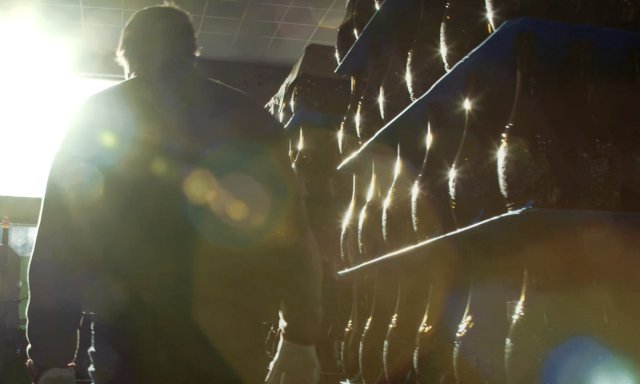
Cantine Sacchetto
Cantine Sacchetto is a family-run winery in Trebaseleghe, on the Veneto plain west of Venice. The listed bottle range centres on Prosecco DOC, Delle Venezie DOC and Pinot Nero dell'Oltrepò Pavese DOC, with grapes such as Glera and Pinot Grigio.
Glera
Pinot Grigio
 Est. 1435
Tuscany
Castellina in Chianti
Est. 1435
Tuscany
Castellina in Chianti
Castello di Fonterutoli
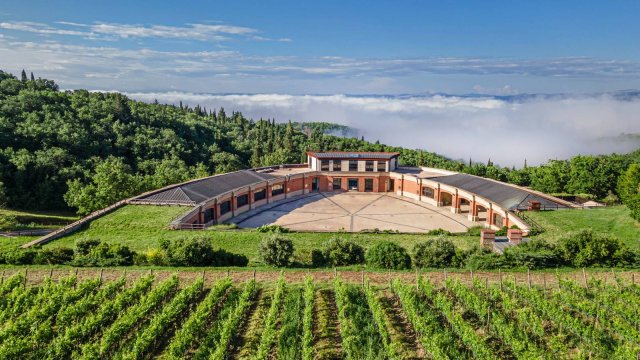
The Mazzei have been winemakers at Fonterutoli since 1435, and the family still owns the whole hamlet between Castellina in Chianti and Siena. Some 110 hectares of vines in 114 parcels feed a gravity cellar cut 15 metres into the rock, cooled by five natural springs. Siepi and the Castello di Fonterutoli Gran Selezione lead the range. Daily tours, the Osteria and the village Wine Resort keep the doors open.
Sangiovese
Cabernet Sauvignon
Merlot
 Tuscany
Panzano in Chianti
Tuscany
Panzano in Chianti
Fontodi
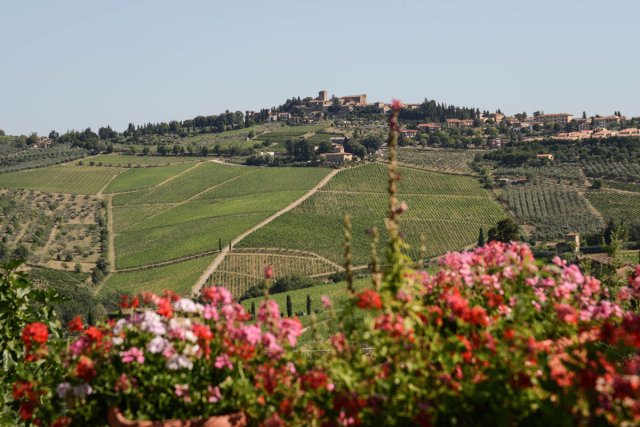
Fontodi farms the heart of the Conca d'Oro below Panzano, fully organic, with every grape picked by hand. Its owners, the Manetti family, have made Florentine terracotta for three centuries, and their jars ferment part of each vintage in the gravity-flow cellar. Flaccianello della Pieve leads a range that runs from Chianti Classico to a nine-year-aged Vin Santo.
Sangiovese
Malvasia
Pinot Nero
 Emilia Romagna
Reggio Emilia
Emilia Romagna
Reggio Emilia
Medici Ermete & Figli
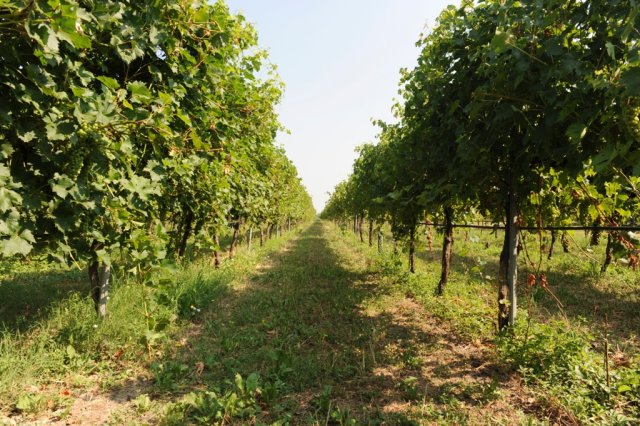
Medici Ermete & Figli has held Lambrusco to fine-wine standards since 1890, from about 80 organic hectares at Gaida, outside Reggio Emilia. Its bottles centre on Reggiano DOC, with grapes such as Lambrusco.
Lambrusco
Ancellotta
 Est. 1897
Lombardy
Chiuro
Est. 1897
Lombardy
Chiuro
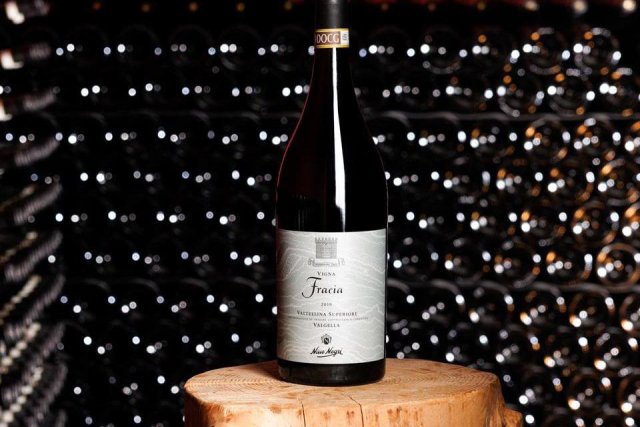
Nino Negri
Founded in 1897 in Chiuro, Nino Negri farms Nebbiolo across three of the five Valtellina Superiore zones, from cellars dug beneath the fifteenth-century Palazzo Quadrio. Fruit from Sassella and Maroggia widens the range. The Sfursat 5 Stelle is the house benchmark for Sforzato di Valtellina DOCG.
Nebbiolo
 Est. 1975
 Trentino-Alto Adige
Faedo
Trentino-Alto Adige
Faedo
Pojer & Sandri
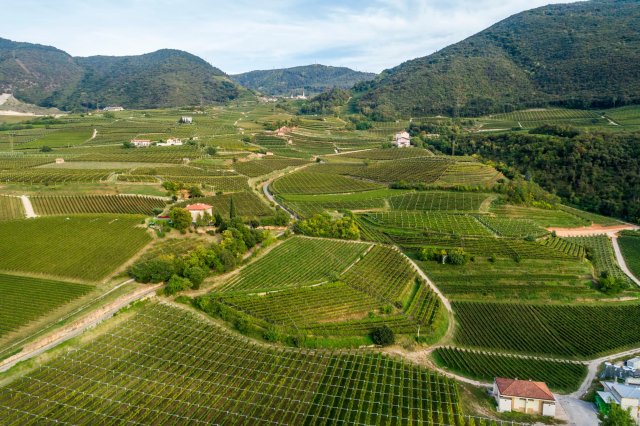
Founded in Faedo in 1975 by Mario Pojer and Fiorentino Sandri, this Trentino estate works three vineyard zones: porphyry slopes around Faedo, the heroic terraces of Val di Cembra, and the PIWI plantings of Grumes that anchor the Zero Infinito natural wine project. Müller-Thurgau Palai is the signature white and Faye is the structured Cabernet and Merlot red. Nosiola, Riesling and Pinot Nero round out the range, alongside a distillery and vinegar line at the same Loc. Molini cellar near San Michele all'Adige.
Chardonnay
Pinot Nero
Cabernet Franc
 Est. 1998
Puglia
San Pietro Vernotico
Est. 1998
Puglia
San Pietro Vernotico
Tormaresca
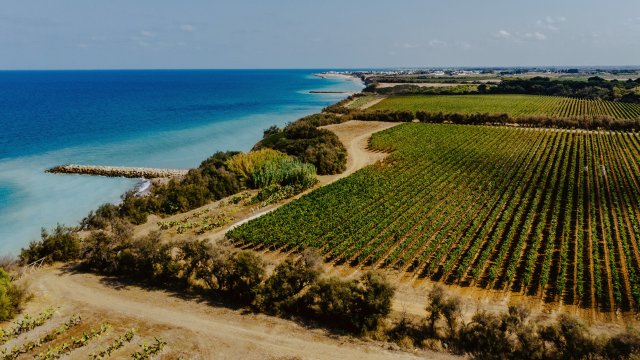
The Antinori family's Puglia estate, begun in 1998. Vines on the Adriatic coast at San Pietro Vernotico, an organically farmed property under the Castel del Monte hills, and Primitivo near Manduria. Calafuria, Torcicoda and Bocca di Lupo are the wines British merchants stock. Cellar tours and tastings at Bocca di Lupo, booked online.
Negroamaro
Chardonnay
Fiano
 Est. 1979
Friuli Venezia Giulia
Gorizia
Est. 1979
Friuli Venezia Giulia
Gorizia
Azienda Agricola Radikon Stanislao
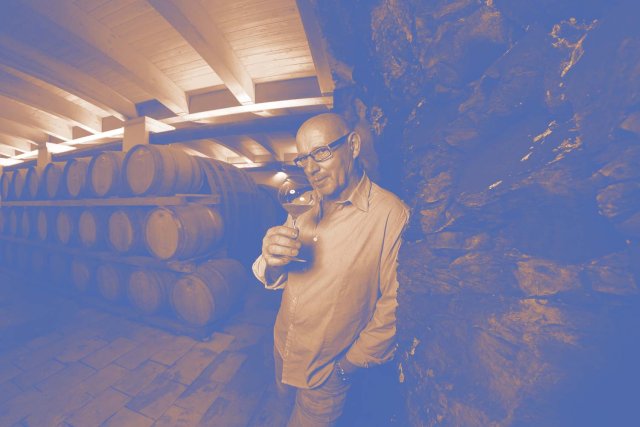
Radikon's vines sit on the ponca slopes of Oslavia, on Italy's border with Slovenia. The family helped define modern Italian orange wine when Stanko began fermenting Ribolla on its skins in 1995. His son Sasa now runs the estate: three months on the skins, zero added sulphur, and a Venezia Giulia IGT label.
Chardonnay
Friulano
Merlot
 Est. 1980
 Sardinia
Arzachena
Sardinia
Arzachena
Capichera
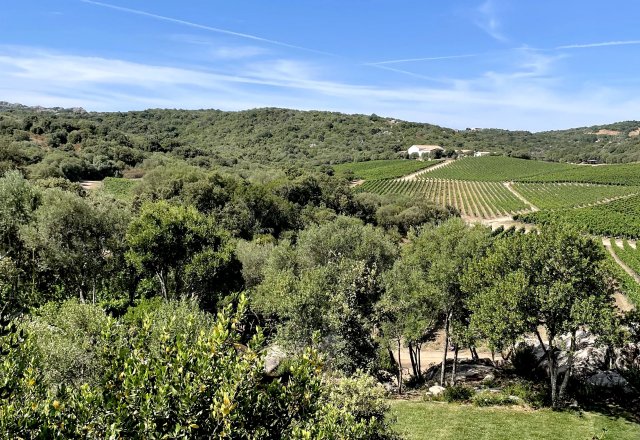
Granite-grown Vermentino from Gallura, in north-east Sardinia. Capichera was the first estate in the world to age the grape in small oak barrels, and an early mover on single-vineyard whites.
Vermentino
Carignano
 Est. 1903
Tuscany
Pontedera
Est. 1903
Tuscany
Pontedera
Castellani
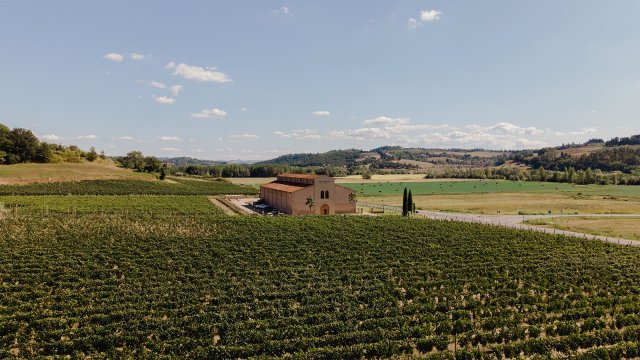
Five generations of the Castellani family farm a run of Tuscan estates, from Radda in Chianti to the Maremma coast. They bottle Chianti, Chianti Classico, Vernaccia di San Gimignano and Vino Nobile, plus coastal Vermentino and Morellino. Two estates open for visits and tastings. Poggio al Casone keeps a small resort among the vines.
Sangiovese
Cabernet Sauvignon
Merlot
 Est. 1953
 Calabria
Cirò Marina
Calabria
Cirò Marina
Librandi Antonio Cataldo & Nicodemo
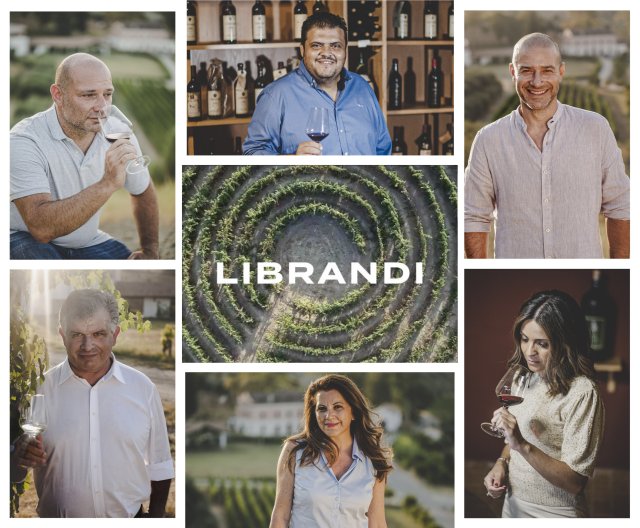
A third-generation family estate on the SS 106 in Cirò Marina, the Ionian heartland of Cirò DOC. Red, white, rosé, sparkling and passito wines from estate vineyards across Cirò and Val di Neto, with flagship reds in the Cirò Rosso Riserva Duca Sanfelice and the IGT Calabria Gravello.
Gaglioppo
Mantonico Bianco
Cabernet Sauvignon
 Veneto
Valdobbiadene
Veneto
Valdobbiadene
Azienda Agricola Bisol
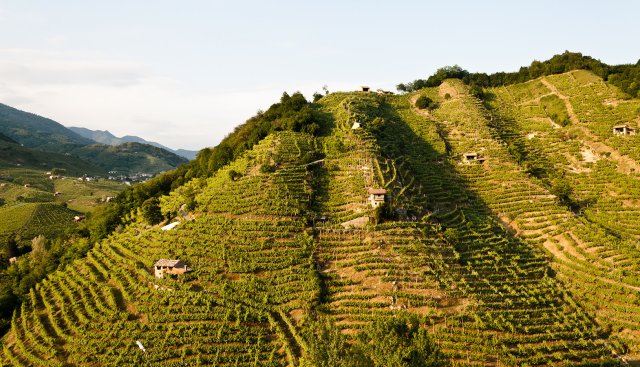
Bisol has made Prosecco at Santo Stefano di Valdobbiadene for generations, and the family name has been on the Cartizze hill since the 1500s. Cartizze, Crede, Molera and the Rive wines, with tastings and cellar tours by booking from 14 euro.
Glera
Chardonnay
Pinot Bianco
 Piedmont
La Morra
Piedmont
La Morra
Azienda Agricola Elio Altare
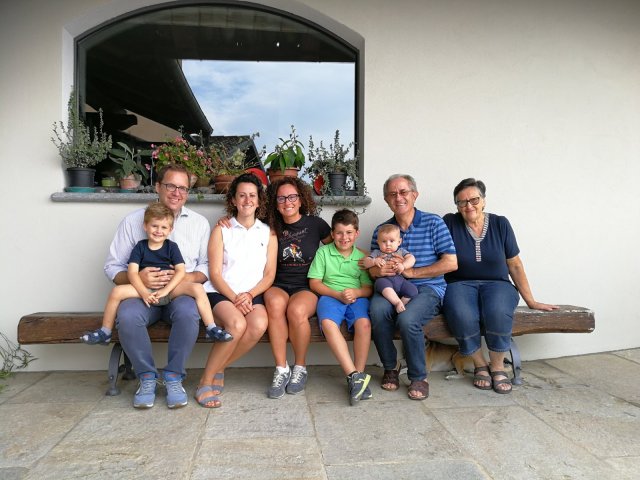
La Morra estate at the heart of the modernist Barolo movement, farmed by the Altare family since 1948 across plots in Arborina, Brunate, Cannubi and Cerretta. About 10 hectares and 70,000 bottles a year, with low-intervention vineyards and unfiltered wines from wild yeasts. Silvia Altare runs it now, with father Elio still in the vineyards. Three wines are stocked here: Barolo DOCG, Barbera d'Alba and Dolcetto d'Alba.
Nebbiolo
Barbera
Dolcetto
 Tuscany
Fiesole
Tuscany
Fiesole
Bibi Graetz
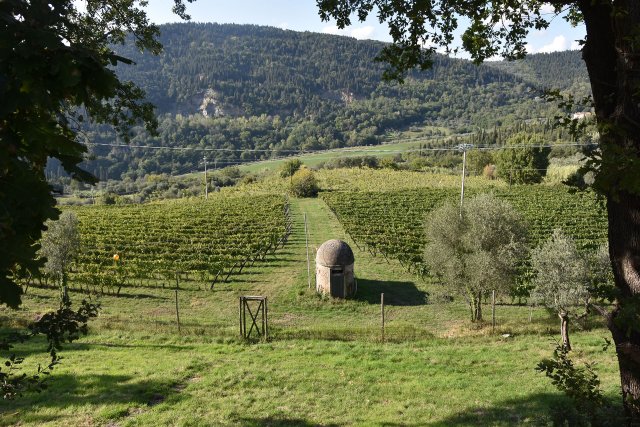
Bibi Graetz started his winery in Fiesole, above Florence, in 2000. The Aurora cellar sits in Piazza Mino, in the centre of town. Old-vine Sangiovese drives the reds, Testamatta and Colore, both Toscana IGT. Ansonica from Isola del Giglio makes the whites. Visits are private, by reservation.
Sangiovese
Ansonica
Cabernet Franc