





 Est. 1141
  13 wines
  Tastings
 Tours
Tours
 Accommodation
 Booking required



Wine area
Chianti Classico
The galestro and alberese hills between Florence and Siena, where Sangiovese became Italy's most quoted red.
Your cellar, your trips, and the wines you've been tracking are right where you left them.
New here?
Free, always. Education first, we'll never sell you anything you didn't ask to see.
Already have an account?
Enter the email you signed up with and we'll send a link to choose a new password.
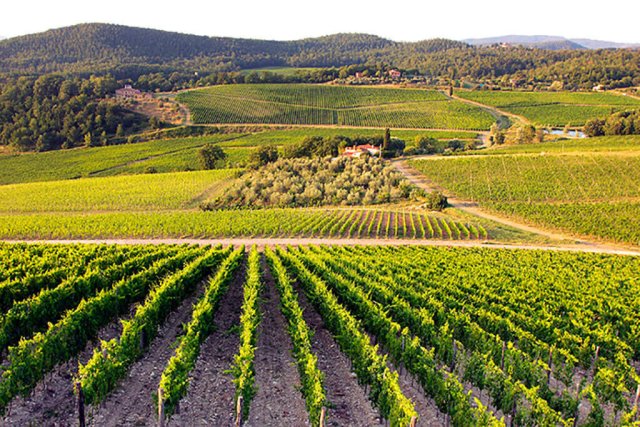
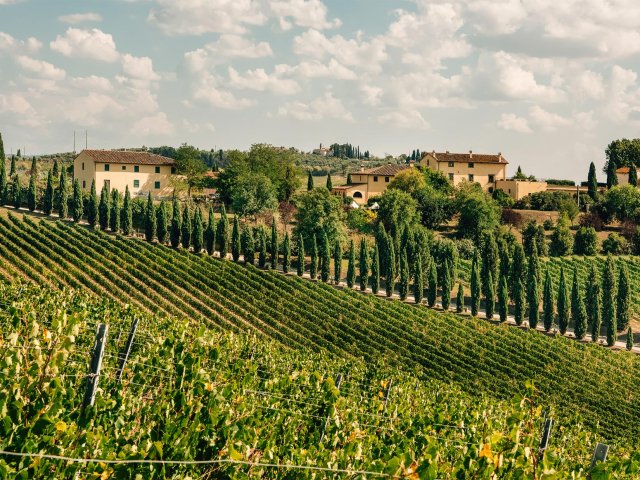
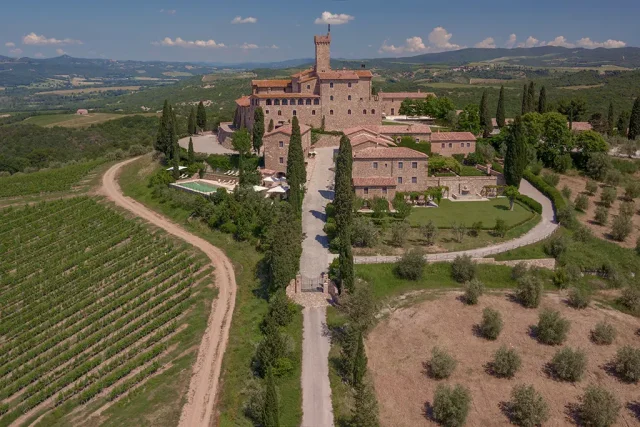
The Ricasoli family has held Brolio Castle since 1141, when a recorded land swap brought it to the family. That makes Barone Ricasoli one of the oldest wine names in the world still in family hands. Its 240 hectares of vines around Gaiole in Chianti, about 340 football pitches, form the largest estate in Chianti Classico. It was here that Bettino Ricasoli fixed the formula for Chianti wine in 1872. Today the castle and its gardens sit beside a bookable wine shop, the Osteria di Brolio restaurant and three farm-stay houses. Few wine estates in Tuscany offer as much in one place.
 Tuscany

 5 retailers
Chianti Classico
5 retailers
£50.00
£60.00
+ delivery
 4 retailers
Chianti Classico
4 retailers
£49.00
£61.00
+ delivery
Brolio Castle came to the Ricasoli family in a land swap recorded in 1141. It has been fought over ever since. Aragonese and Spanish forces attacked in the fifteenth century, sieges came in the seventeenth, and shellfire hit it in the Second World War. The rebuilt castle wears every era at once: medieval bastions, Romanesque and neo-Gothic additions, and nineteenth century Tuscan details.
A family tree printed in 1584 stands among the first images of the Chianti territory. By the late 1600s, Brolio wine was already being shipped to Amsterdam and England. The key figure is Bettino Ricasoli, the Iron Baron, twice Prime Minister of the newly united Italy after Cavour. In 1872, after decades of trials at Brolio, he set down the blend that became the formula for Chianti, today's Chianti Classico.
The property runs to 1200 hectares around Gaiole, almost 1,700 football pitches. Vines cover 240 of those hectares and olive trees another 26. The other 70 percent stays as oak and chestnut woodland. Baron Francesco Ricasoli, owner since 1993, has rebuilt the estate around research. The vineyards have been remapped, the soils studied plot by plot, and the Brolio Sangiovese refined by picking the best strains of the vine.
Each parcel is picked separately into 200 kilogram containers. The fruit ferments in small steel vats fed by gravity, so every plot stays distinct. The flagship is the Castello di Brolio Chianti Classico Gran Selezione. Beside it stand three single-vineyard Gran Selezione wines: Colledila, Roncicone and CeniPrimo. The range continues with Brolio Bettino, the Casalferro Merlot, the Torricella Chardonnay and the Albia rose under Toscana IGT.
Farming follows the Equalitas standard. Chemical weedkillers and pesticides are gone, replaced by methods the estate calls stricter than organic principles, though the wines carry no organic certificate. The woods and scrub that cover most of the property are managed as a biodiversity reserve. Olives from Brolio's own varieties go into a DOP extra virgin oil.
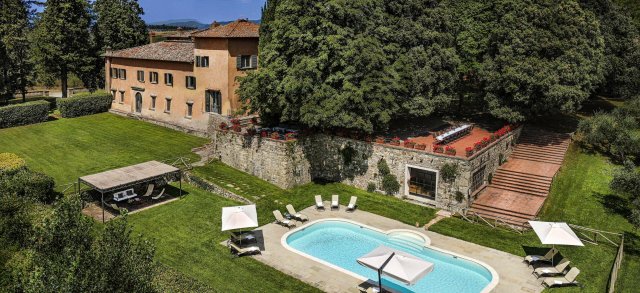
Brolio is set up for visitors in a way few Tuscan estates can match. The castle, gardens and the Ricasoli Collection open daily from late March to mid October, with shorter hours in autumn. Tours are booked online through the estate. The wine shop below the castle welcomes some 50,000 visitors a year and takes bookings for guided tastings. The Osteria di Brolio serves a seasonal menu from March to December. Three farm-stay houses, Villa Agresto, Capanna di Citerna and Brolio Agriroom, sleep guests among the vines.
Plate I · TUSCANY
Wine area
The galestro and alberese hills between Florence and Siena, where Sangiovese became Italy's most quoted red.
Winery
Gaiole in Chianti, Siena · Chianti Classico
2 tastings, 1 tour, and 1 stay, checked by our editors. From €50.
 Tasting
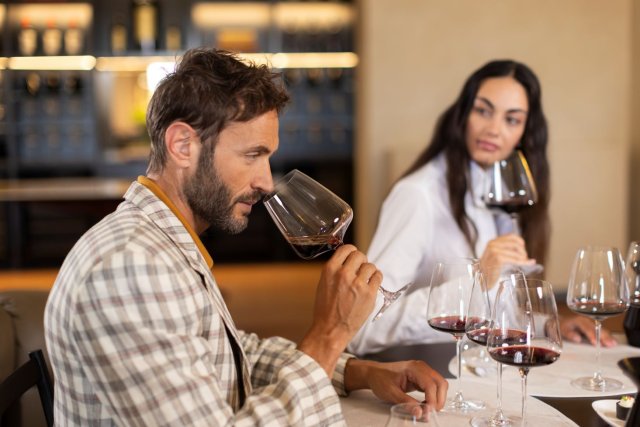
Savoring Ricasoli's finest wines at Brolio Castle, the iconic site of Chianti Classico, is a unique experience. Before the tasting, the staff will provide a brief historical introduction to the winery. At each tasting, three wines will be selected from the estate's finest labels: Chianti Classico Gran Selezione and Supertuscan. The tasting will last 45 minutes and will be accompanied by crackers and still water. Before or after the tasting, guests can enjoy a stroll through the castle gardens. Reservations required. Children under 12 are not permitted.
via Winalist
 Tour
Tour
Visit the medieval castle that has anchored the estate since 1141, its gardens and the Ricasoli Collection. Open daily from 20 March to mid October, 10am to 7pm in high season, with reduced hours in autumn; tickets and tours via the estate's online booking platform.
on visit.ricasoli.com
 Tasting
Bookable wine tastings for small or large groups in the estate wine shop at the foot of the castle, a converted stretch of the old cellars that welcomes some 50,000 visitors a year.
on ricasoli.com
 Accommodation
Three estate houses among the Brolio vineyards: Villa Agresto sleeps 12 in six double rooms, Capanna di Citerna hosts four with a private jacuzzi garden, and Brolio Agriroom offers four Eroica-styled rooms with EV charging and bike storage.
on booking.ricasoli.com
Not seeing the estate you want? Estates without an online listing are reachable directly, and their phone and email are in Plan your visit.
Some booking links earn italianwines.co.uk a commission. This never affects price or what we recommend.
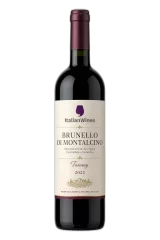
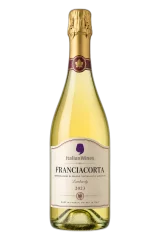
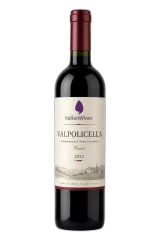
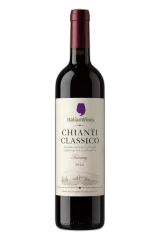
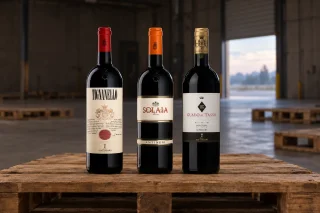
Barone Ricasoli's current bottle selection is led by Chianti Classico DOCG. The clearest grape signal comes from Sangiovese and Merlot.
This form reaches the ItalianWines.co.uk team, not the winery. Tell us when you would like to come and how many you are: we contact Barone Ricasoli for you and come back with availability and prices, usually within two working days.