







 Est. 1903
  12 wines
  Tastings
 Tours
Tours
 Accommodation



Wine area
Your cellar, your trips, and the wines you've been tracking are right where you left them.
New here?
Free, always. Education first, we'll never sell you anything you didn't ask to see.
Already have an account?
Enter the email you signed up with and we'll send a link to choose a new password.
Castellani is a family wine company at Pontedera, in the Pisan hills of western Tuscany. Its roots go back to Alfredo Castellani, who bottled his own wine in the late nineteenth century. Five generations on, the family farms estates from Radda in Chianti to the Maremma coast. The range spans Chianti, Chianti Classico, Vernaccia di San Gimignano and Vino Nobile di Montepulciano. Two estates open their cellars for visits and tastings. One of them, Poggio al Casone, keeps a small resort among the vines.
 Tuscany

The story starts at Montecalvoli, in the low country along the Arno. Alfredo Castellani stopped trading other growers' wine at the close of the nineteenth century. He began bottling his own. His son Duilio and Duilio's brother Mario widened the business. The next generation, led by Giorgio, began shipping Tuscan wine abroad.
Disaster struck twice. The 1966 flood wrecked the Montecalvoli cellar. Giorgio's brother Roberto then left journalism for the family trade. He turned exports into a worldwide operation and brought the Poggio al Casone estate into the company. A fire at Santa Lucia in 1982 came close to ending everything. The recovery rested on two moves. The family bought the Campomaggio estate at Radda in Chianti. And it handed a real role to Piergiorgio Castellani, still the public face of the house.
Piergiorgio pushed the company towards vineyard research and cellar trials, with outside technical advisers. In 2023 the family name turned one hundred and twenty. His son Giacomo and nephew Tommaso joined that year as the fifth generation.
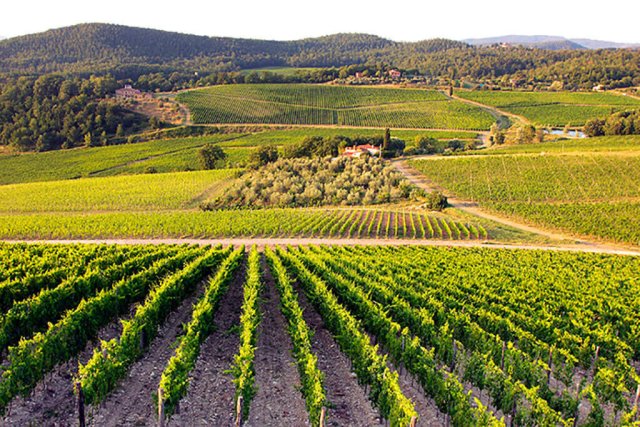
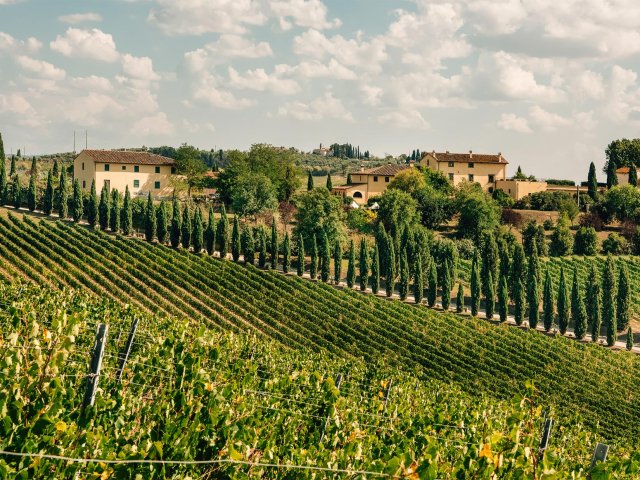
Castellani is a collection of estates, not one walled vineyard. Campomaggio climbs from 280 to 480 metres at Radda. Cool nights there slow the ripening and lend Sangiovese its balance. Montefoscoli, near Palaia, is farmed as an organic estate. Its forty-five hectares of chalky, gravelly ground cover about sixty-three football pitches. Poggio al Casone, on the coast, is farmed the same way. Burchino, at Terricciola, has stayed in the family for five generations. The Guadalmare wines lean on the warmer Maremma for Vermentino and Morellino di Scansano.
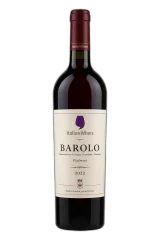
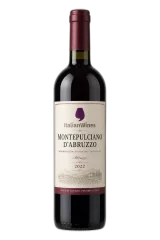
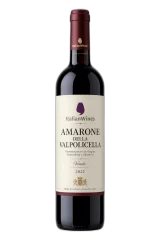
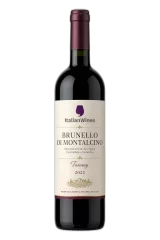
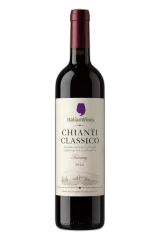
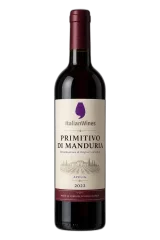
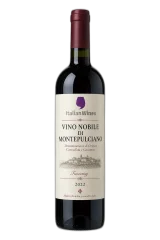
The wines carried here trace that map. From the classic heart of Tuscany come Chianti, Chianti Classico and their Riserva versions. Vernaccia di San Gimignano and Vino Nobile di Montepulciano sit beside them. The Guadalmare label covers the coast: Toscana IGT Vermentino, Morellino di Scansano and a Maremma Toscana red. The house also looks past Tuscany. It bottles a Primitivo di Manduria and an organic Pinot Grigio under its Grifone range. Castellani has always worked as a shipper as well as a grower.
Visiting is now part of the story. The restored tobacco barn at Montefoscoli has been open since spring 2024. Tastings there draw on wines from across the family's cellars. Campomaggio runs its own visits and tastings beside an eighteenth-century hamlet. At Poggio al Casone, a period villa and two converted cottages form a small resort among the vines.
Plate I · TUSCANY
Wine area

Winery
Pontedera, Pisa
Nothing here can be booked online yet. The experiences below are documented by our editors. The estate's contact details are in Practical info.
Tasting & Tour
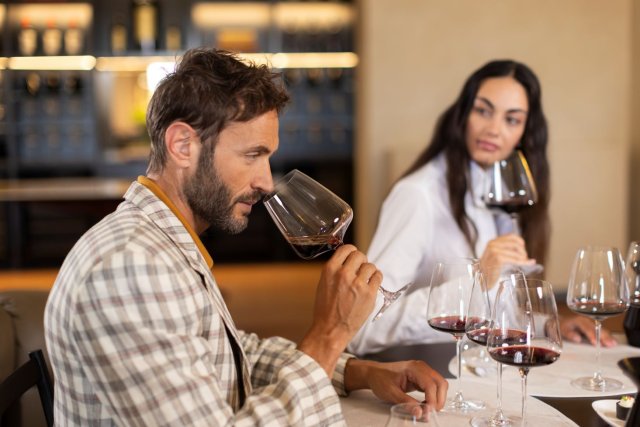
Since spring 2024 the restored tobacco cellar at the Montefoscoli estate near Palaia has opened to the public for tastings drawn from across the family's wines. The Campomaggio estate at Radda in Chianti also runs guided visits and tastings beside its eighteenth-century hamlet. Visits are arranged directly with the estate.
Not bookable online yet
 Accommodation
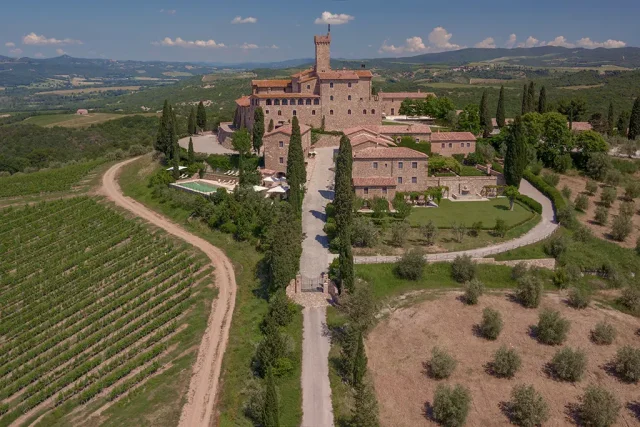
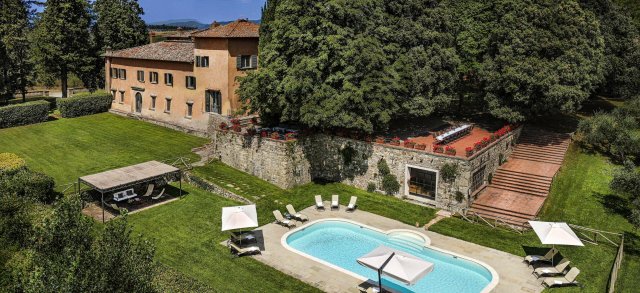
At the organically farmed Poggio al Casone estate in the Pisan hills, a restored period villa and two converted cottages make up a small resort for guests who want to stay among the vineyards.
Not bookable online yet
Not seeing the estate you want? Estates without an online listing are reachable directly, and their phone and email are in Plan your visit.
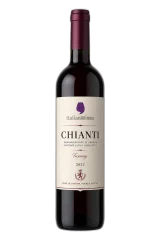
Castellani's current bottle selection is led by Chianti DOCG. The clearest grape signal comes from Sangiovese and Cabernet Sauvignon.
This form reaches the ItalianWines.co.uk team, not the winery. Tell us when you would like to come and how many you are: we contact Castellani for you and come back with availability and prices, usually within two working days.