


















Chardonnay is a white grape with a clear Italian role.
Wines
810
Acidity
Body
White Grape · Tuscany
San Gimignano's own white: Italy's first DOC, a crisp lemon-and-chamomile wine with a bitter-almond finish, and a name that two unrelated grapes also wear.
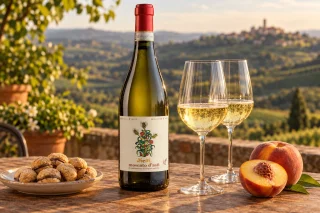
Vernaccia is the white grape of San Gimignano, the Tuscan hill town with the towers. It makes a dry, crisp white with a lemon and chamomile nose and a bitter-almond finish. In 1966 it was the first wine in Italy to get a DOC. Two other, unrelated grapes share the name: one in Sardinia, one in the Marche.
Your cellar, your trips, and the wines you've been tracking are right where you left them.
New here?
Free, always. Education first, we'll never sell you anything you didn't ask to see.
Already have an account?
Enter the email you signed up with and we'll send a link to choose a new password.
Clearing it up
San Gimignano, Tuscany
Sardinia and the Marche
The anchor fact: Vernaccia means local, so three unrelated Italian grapes carry the name. Vernaccia di San Gimignano is the crisp Tuscan white and Italy's first DOC; Vernaccia di Oristano is an amber Sardinian white; Vernaccia Nera is a red from the Marche.
Taste · Where it sits
Forget scores out of five. Here’s Vernaccia described against grapes you already know.
A touch fuller than Trebbiano Toscano, lighter than Vermentino; a Riserva with lees and oak moves it up a notch.
A white: the only grip is the faint bitter-almond note at the end, which is the grape's signature, not tannin.
Fresher than Vermentino from the coast, a step below Verdicchio; the sand and clay hills below 500 metres keep it lively.
Lemon and green apple with no sweetness; the Sardinian Vernaccia di Oristano is the one that can be made sweet.
Key flavours




The map
Vernaccia is light to medium, crisp, fresh acidity, mapped against other white grapes you can buy. The closer a grape sits, the more its weight and freshness resemble Vernaccia.
Is this for you?
Reach for it when…
Maybe skip it if…
Serving guide
Serve at
8-10°C
8 to 10C for the young wine, 10 to 12C for a Riserva, or the almond finish turns harsh.
Decant
Not needed
None needed; a Riserva just wants ten minutes out of the fridge.
Glass
Standard White Wine Glass
A standard white glass: the aromas are delicate and a big bowl loses them.
Drink within
3-5 days
Within three years of the vintage for the steel wines.
Cellar
Up to 5 years
Riserva bottles keep five years or more; the Sardinian Oristano wines keep for decades.
On the table
Start with the home-table matches that made the grape, then browse the full cuisine library.

The Tuscan match
Bread, ripe tomato and olive oil are soft and rich. Vernaccia's acidity cuts the oil and its faint bitterness lifts the sweetness of the tomato.

The Friday-night bottle
Batter and salt want a crisp, dry white with no oak. The lemon in the wine does the job of the lemon wedge, and the almond finish likes the salt.

For the Sardinian Vernaccia
Salty aged pecorino and crisp carasau bread meet the amber, nutty Vernaccia di Oristano. It tastes of chestnut and almond and stands up to the salt.

Oristano with dessert
Fried pastry filled with cheese and drenched in honey needs a wine with honey and nut notes of its own. A sweet Vernaccia di Oristano is the Sardinian answer.
Browse every pairing
Buy it · three to start with
A curated trio across the price range, then every Vernaccia on sale in the UK right now.
Entry · everyday
 1 retailer
Vernaccia di San Gimignano
1 retailer
£11.84
+ delivery
Why this one: The one four UK shops stock at about £12: chamomile, a squeeze of lemon and the almond finish, all in the right place.
The sweet spot
 2 retailers
Vernaccia di San Gimignano
2 retailers
£15.30
+ delivery
Special occasion
 1 retailer
Vernaccia di San Gimignano
1 retailer
£14.60
£20.86
+ delivery
Why this one: Guicciardini Strozzi's Riserva is only made in the best years. A few months in French oak and a year in bottle at Cusona give it broom and jasmine on the nose. About £22.
12 of 21 bottles
 3 retailers
Vernaccia di San Gimignano
3 retailers
£9.50
+ delivery
 2 retailers
Vernaccia di San Gimignano
2 retailers
£12.10
+ delivery
2 retailers
Vernaccia di San Gimignano
2 retailers
£15.30
+ delivery
 1 retailer
Vernaccia di San Gimignano
1 retailer
£10.60
£15.14
+ delivery
1 retailer
Vernaccia di San Gimignano
1 retailer
£11.84
+ delivery
1 retailer
Vernaccia di San Gimignano
1 retailer
£14.60
£20.86
+ delivery
 1 retailer
1 retailer
£15.08
+ delivery
 1 retailer
Vernaccia di San Gimignano
1 retailer
£15.40
£22.00
+ delivery
 1 retailer
Vernaccia di San Gimignano
1 retailer
£16.90
£21.12
+ delivery
 1 retailer
Marche
1 retailer
£16.90
£21.12
+ delivery
 1 retailer
Vernaccia di San Gimignano
1 retailer
£17.50
+ delivery
 1 retailer
Vernaccia di San Gimignano
1 retailer
£18.00
+ delivery
Denominations
The appellations where Vernaccia plays a starring role.
Where it grows
From galestro hills in Chianti Classico to the single Brunello rise of Montalcino and the sea-facing Cabernets of Bolgheri, Tuscany is Italian wine's stage in Read more

Granite-soil Vermentino in Gallura, schist-grown Cannonau in Ogliastra and bush-vine Carignano on the Sulcis sands: Sardinia bottles a Mediterranean profile Read more

From Castelli di Jesi Verdicchio to Conero Montepulciano and Offida Pecorino, Marche covers 5 DOCGs across roughly 16,500 hectares of Adriatic and Apennine Read more
The terroir
Three grapes, three places. The Tuscan Vernaccia grows on one town's hills; its namesakes grow on an island and in the Marche mountains.
San Gimignano
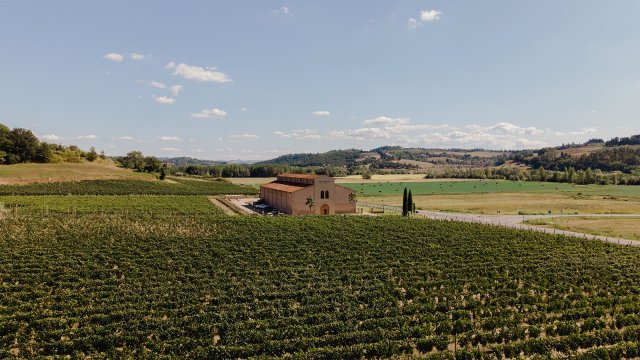
Hills below 500 metres around the town, Siena province
Pliocene yellow sand and sandy clay: crisp, lemony wines with the bitter-almond finish; the Riserva versions add lees and a little oak.
Oristano
The west coast of Sardinia
A different white grape, aged for years in old barrels into an amber wine of chestnut, honey and almond, dry or sweet.
Serrapetrona
The Marche hills inland from the Adriatic
Vernaccia Nera, a red grape, makes a sparkling red under its own DOCG; nothing to do with the Tuscan white beyond the name.
Producers
The one estate on the site that works with Vernaccia so far.
Editorial
In 1276 the town council of San Gimignano was already taxing Vernaccia. Dante, Boccaccio and Cecco Angiolieri all wrote about it. It is the oldest named white wine in Tuscany, and in 1966 it became the first wine in Italy to be granted a DOC. It was promoted to DOCG in 1993.
Vernaccia di San Gimignano was the first Italian wine to be granted a DOC, in 1966. The town had been taxing it since 1276.
Consorzio della Vernaccia di San Gimignano, production regulationsThe grape nearly vanished in the early 1900s, when growers replaced it with the bigger-cropping Trebbiano and Malvasia. It came back in the 1960s because it made a crisper, more distinctive wine than either. Today about 510 hectares are planted, all on the hills around one town, below 500 metres, on yellow sand and sandy clay. The rules say a Vernaccia di San Gimignano must be at least 85% Vernaccia; Sauvignon and Riesling can fill no more than 10%.
Most of it is made in steel and drunk young: lemon, green apple, chamomile and a stony middle. Then comes the bitter almond at the end. That note is what tells you it is Vernaccia and not Vermentino. Some estates age it on the lees for more weight. The Riserva versions see a few months of oak and keep for five years or more. It is the white you drink between glasses of Chianti on a Tuscan trip. It is often the cheapest serious white in the shop.
The name is the confusing part. Vernaccia comes from the Latin for local, so several unrelated grapes carry it. In Sardinia, Vernaccia di Oristano is a different white grape that makes an amber, nutty wine close in spirit to sherry. In the Marche, Vernaccia Nera is a red grape behind the sparkling red Vernaccia di Serrapetrona. Italy's grape register and the international variety catalogue list all three as separate varieties. This page is about the Tuscan one, with a note on the other two.
Good to know
Vernaccia di San Gimignano is dry and crisp, with lemon, green apple and chamomile, a stony middle and a bitter-almond finish. It is medium-bodied, usually made without oak, and best drunk within three years. Riserva versions are rounder and can age.
No. They are unrelated grapes that share a name meaning local. The Tuscan one makes a fresh, crisp white. The Sardinian one makes an amber, nutty wine aged for years in old barrels, closer to sherry. A third, Vernaccia Nera, is a red grape from the Marche.
Yes. Vernaccia di San Gimignano was granted the first DOC in Italy on 3 March 1966. It became a DOCG on 9 July 1993. The wine has been recorded in the town's archives since 1276.
Both are crisp Italian whites, but Vermentino is fuller, more herbal and comes from the coast of Sardinia, Liguria and Tuscany. Vernaccia is leaner, with chamomile and a bitter-almond finish, and comes only from the hills around San Gimignano.
At least 85%. Other non-aromatic white grapes can make up the rest, with Sauvignon and Riesling capped at 10% between them. Aromatic grapes such as Moscato and Traminer are banned. All the vineyards must be inside the municipality of San Gimignano.
Fried fish, seafood pasta, pappa al pomodoro, and simple roast chicken for a Riserva. The acidity handles oil and batter and the almond note likes salt. Keep the Sardinian Vernaccia di Oristano for pecorino, bottarga and honey desserts.
Explore by style
Jump to the editorial guide for each style this grape turns up in.
Keep exploring