






Italian winery listings
Page 8 of 9 in the Italian winery directory, with estate profiles, tasting options, cellar tours, booking details, and wine availability.


 Veneto
Roncade
Veneto
Roncade
47 Anno Domini
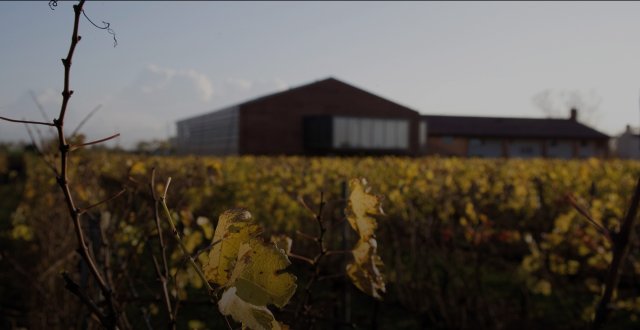
Organic estate at Roncade near Treviso. Forty hectares of Glera and Raboso, a design-led cellar, tastings and a shop.
 Glera
Glera
 1
1

 Est. 1901
 Friuli Venezia Giulia
Oslavia
Friuli Venezia Giulia
Oslavia
Azienda Agricola Gravner Francesco
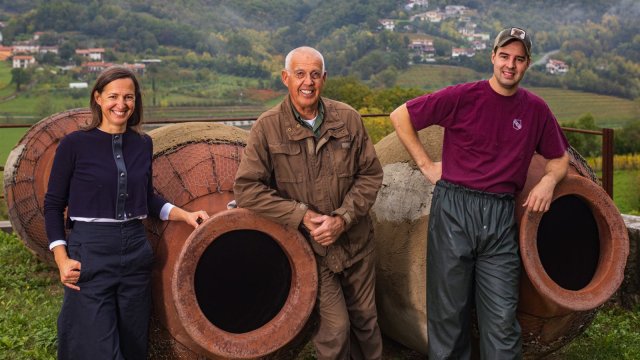
Azienda Agricola Gravner Francesco sits on the Collio slopes above Oslavia, on the Italian-Slovenian border in Gorizia province. Joško Gravner ferments his whites in qvevri, Georgian clay vessels buried in the cellar floor, and releases Ribolla Anfora only after about seven years. Around 35,000 bottles a year; visits by appointment for up to six guests.
 Liguria
Riomaggiore
Liguria
Riomaggiore
Azienda Agricola Possa
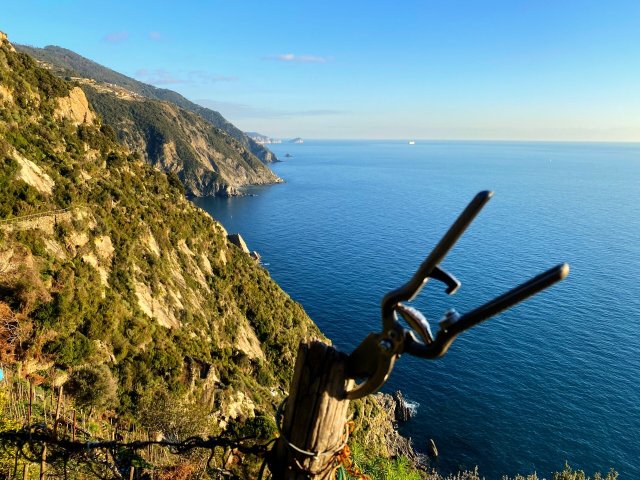
Estate on the cliffs above Riomaggiore, where Heydi Samuele Bonanini reclaims abandoned terraces of Bosco, Albarola and Vermentino by hand. Tense, salty whites and the rare sweet Sciacchetrà DOP, including a sea-aged Underwater bottling that has become a Ligurian reference.
 Albarola
Bosco
Rossese
Albarola
Bosco
Rossese
 Campania
Tufo
Campania
Tufo
Cantina dell’Angelo
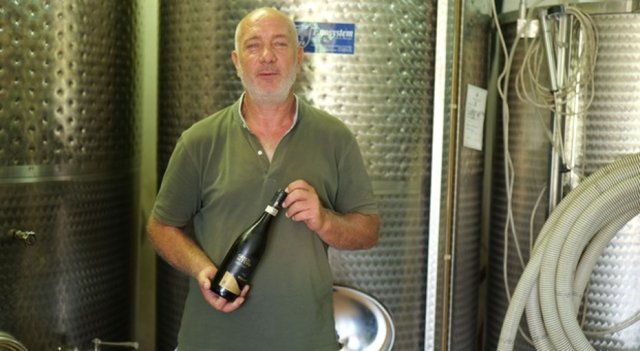
Angelo Muto farms five hectares of Greco right above the abandoned sulphur mines of Tufo, in Campania's Irpinia hills. Three generations of family farming stand behind around 20,000 bottles a year, led by the Torrefavale and Miniere Greco di Tufo DOCG bottlings.
 Tuscany
Montespertoli
Tuscany
Montespertoli
Castello di Poppiano
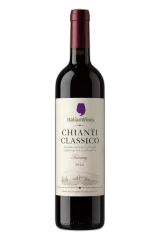
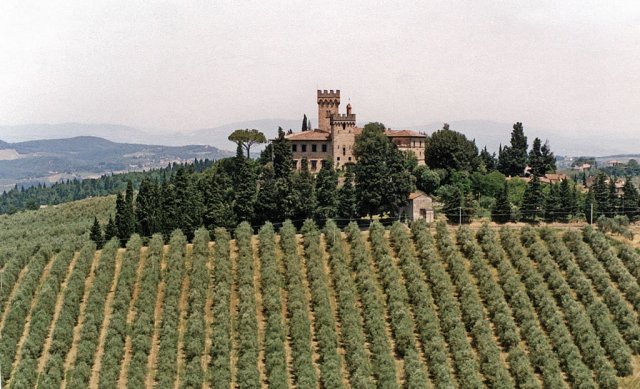
A medieval castle on a ridge south-west of Florence, in Guicciardini hands since at least 1199. 140 hectares of vines and 12,000 olive trees make Chianti Colli Fiorentini, Vin Santo and a Laudemio oil. Tours and tastings by appointment.
 Aosta Valley
Morgex
Aosta Valley
Morgex
Cave Mont Blanc de Morgex et La Salle
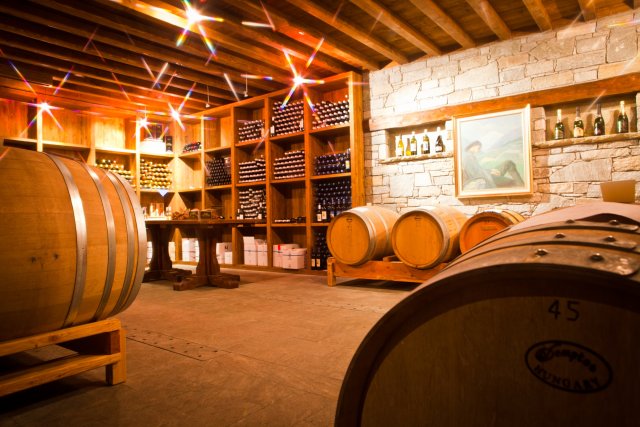
Cooperative winery in the upper Valle d'Aosta. Around 80 growers share 44 acres of pergola-trained Prié Blanc on Mont Blanc terraces between 900 and 1,200 metres, on ungrafted vines in a phylloxera-free zone. The cellar makes the still Blanc de Morgex et de La Salle DOC and a benchmark range of classic-method spumanti, led by Cuvée du Prince and Cuvée des Guides.
 Tuscany
Manciano
Tuscany
Manciano
Tenuta Montauto
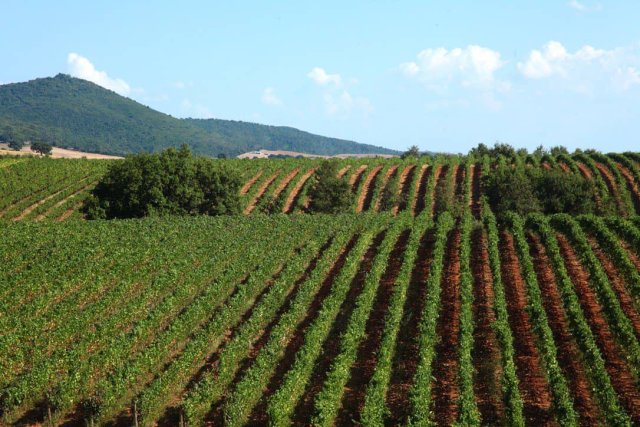
Inland from the Maremma coast near Manciano, about ten kilometres from the sea and 200 metres up, on clay full of quartz. The same family has farmed here for over sixty years; Riccardo Lepri made it a wine estate in 2001. Sea breeze and cold nights make it white-wine country, and one Italian guide called its Sauvignon the best in the country in 2024.
Ciliegiolo
 Tuscany
Cinigiano
Tuscany
Cinigiano
Tenuta Ribusieri
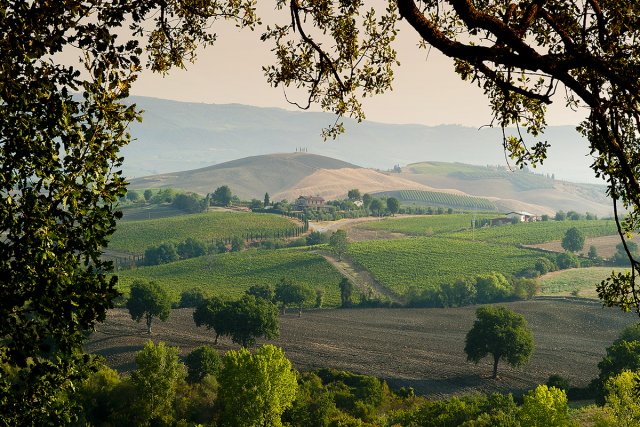
Cinigiano estate on Monte Amiata's volcanic slopes: Chiaranotte Vermentino, Le Maciole Montecucco Rosso and Solaura Sangiovese, plus three guest villas that borrow the wines' names.
Vermentino
 Piedmont
Monforte d'Alba
Piedmont
Monforte d'Alba
Alessandro e Gian Natale Fantino
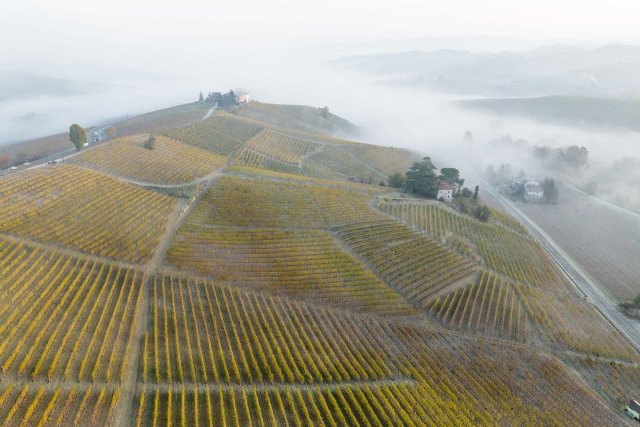
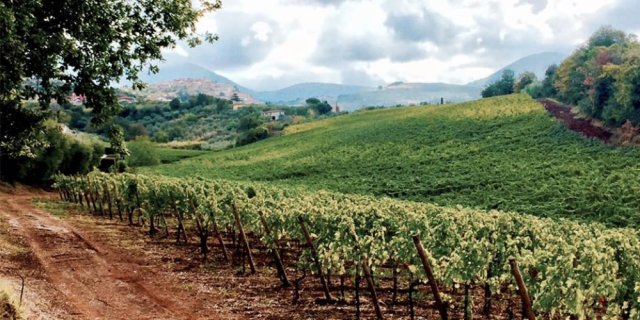
Eight hectares in the Dardi corner of Bussia, farmed by two brothers, with the oldest vines planted in the 1940s. Their declassified Barolo Riserva, Laboro Disobedient, wears a cartoon label.
 Est. 1986
 Lazio
Cori
Lazio
Cori
Azienda Agricola Carpineti Marco
An organic Cori estate working native Lazio grapes, above all Bellone and Nero Buono di Cori. The traditional-method Kius sparkling family sits at the heart of the range, beside still whites, local reds and the Ludum passito.
 Veneto
Negrar di Valpolicella
Veneto
Negrar di Valpolicella
Azienda Agricola Massaro
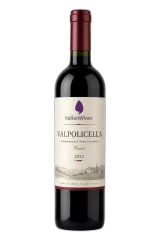
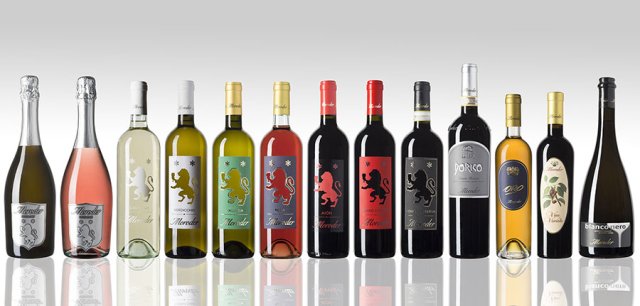
A three-generation family cellar at Negrar making only Valpolicella Classico, Ripasso and Amarone, with tastings run by the family themselves.
 Est. 1837
 Marche
Ancona
Marche
Ancona
Azienda Agricola Moroder Alessandro
Seventh-generation family estate inside the Conero national park, 1.2 km from the Adriatic. Certified organic since 2010. Best known for Dorico, the Conero Riserva that was the first Marche red to win Tre Bicchieri. Tastings run in a vaulted clay cellar, with a restaurant and B&B on site.
 Basilicata
Maschito
Basilicata
Maschito
Azienda Agricola Musto Carmelitano
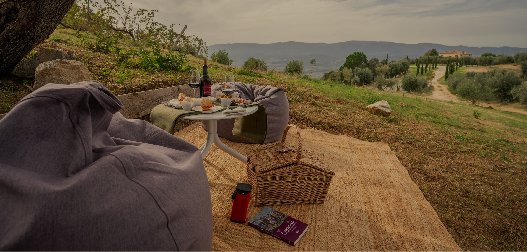
Third-generation estate in Maschito, on the eastern slopes of Mount Vulture. Elisabetta and Luigi Carmelitano grow about ten acres of Aglianico across the Serra del Prete, Pian del Moro and Vernava plots. Farming is organic, the wines ferment on wild yeasts, and sulphur stays minimal. Bookable tastings run Thursday to Sunday from 15 euros.
 Calabria
Bisignano
Calabria
Bisignano
Azienda Agricola Serracavallo
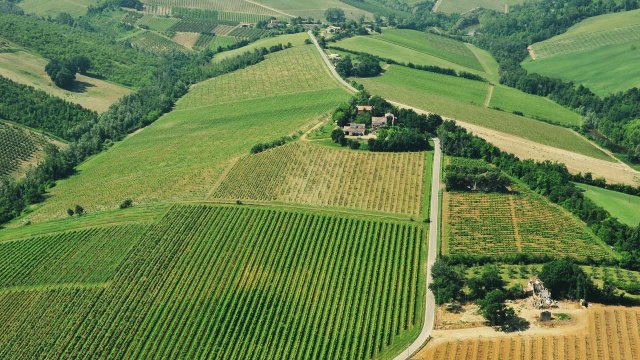
Family estate at nearly 600 metres above Bisignano in northern Calabria, farming about 42 football pitches of vines on granite and sand. Native Magliocco Dolce and Pecorello lead, with Terraccia the flagship red and Filovento the white. The estate also grows olives and figs, runs vineyard visits and tastings, and has a five-room guesthouse.
 Est. 1972
 Emilia Romagna
Imola
Emilia Romagna
Imola
Azienda Agricola Tre Monti
Navacchia family winery farming two organic estates near Imola and Forli, about 77 football pitches of vines in all. Sangiovese and Albana lead the range: Thea is the flagship Riserva, Vitalba the skin-contact Albana aged in Georgian qvevri, and the SO2 Free line skips added sulphites. Tastings are booked through tremonti.it.
 Molise
Monteroduni
Molise
Monteroduni
Campi Valerio
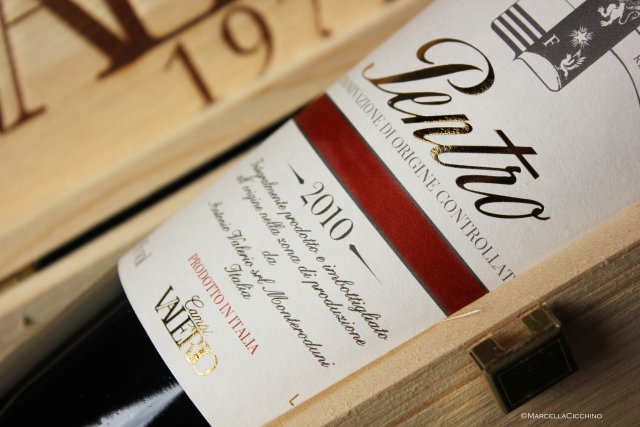
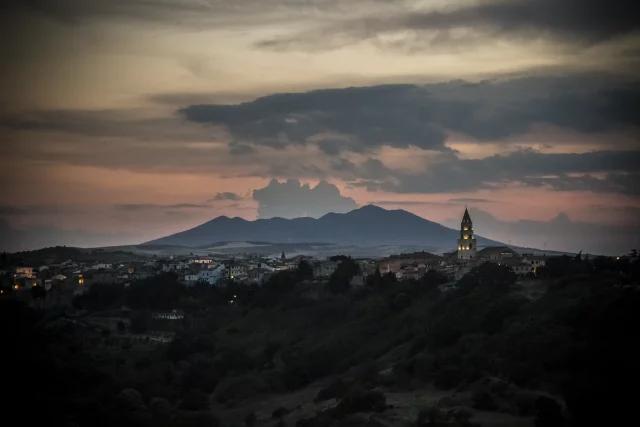
Family estate at Monteroduni, on the Pentro di Isernia plateau in inland Molise. Five small vineyards give Tintilia, Falanghina and the rare Pentro DOC. The flagship La Lana ages in terracotta jars.
 Est. 1977
Tuscany
San Gimignano
Est. 1977
Tuscany
San Gimignano
Campochiarenti
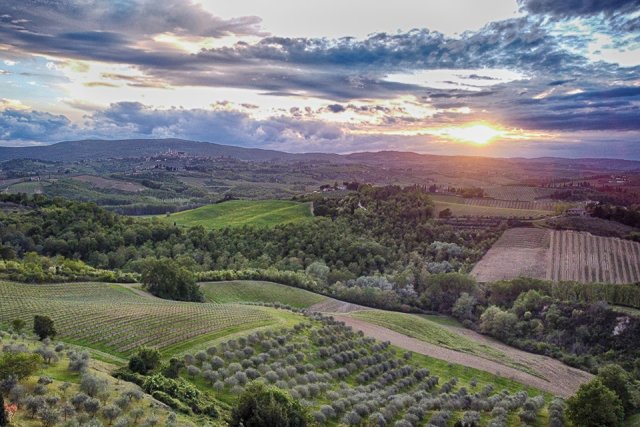
Family estate between San Gimignano and Poggibonsi, farmed around a church finished in 998. Vernaccia di San Gimignano, Chianti Colli Senesi and long-aged reds, all from the family's own vines. Two-hour tastings, bookable from EUR 22, with winemaker-led options.
 Basilicata
Venosa
Basilicata
Venosa
Cantina di Venosa
A cooperative winery founded in 1957 in Venosa, at the foot of the Vulture volcano. More than 350 growers feed a range built on Aglianico del Vulture, led by the Carato Venusio Aglianico del Vulture Superiore DOCG.
 Calabria
Francavilla Angitola, Vibo
Calabria
Francavilla Angitola, Vibo
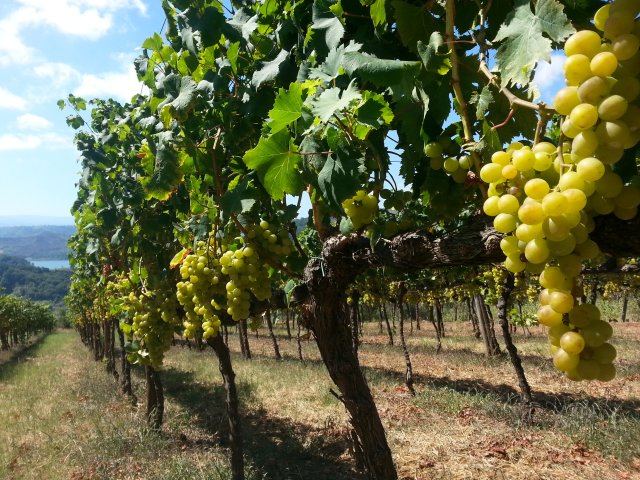
Cantine Benvenuto
Cantine Benvenuto is a small estate in Francavilla Angitola, just inland from Calabria's Costa degli Dei. It revived Zibibbo on the Calabrian mainland and was the first to bottle it as IGP Calabria. In 2020 The New York Times named its Zibibbo one of the ten best Italian whites under twenty-five dollars.
 Molise
Campomarino
Molise
Campomarino
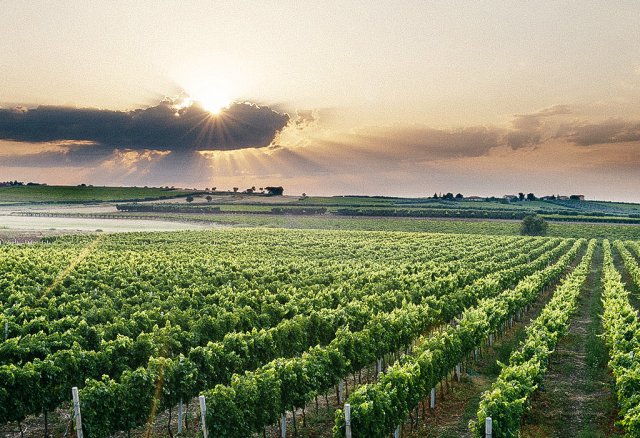
Cantine Borgo di Colloredo
Cantine Borgo di Colloredo is a third-generation Di Giulio family estate on the Adriatic side of Molise. Its Gironia range rebuilt the profile of Biferno DOC, based on Montepulciano and Aglianico. The whites lean on Falanghina del Molise and a barrel-fermented Chardonnay called Giulia.
 Basilicata
Rionero in Vulture
Basilicata
Rionero in Vulture
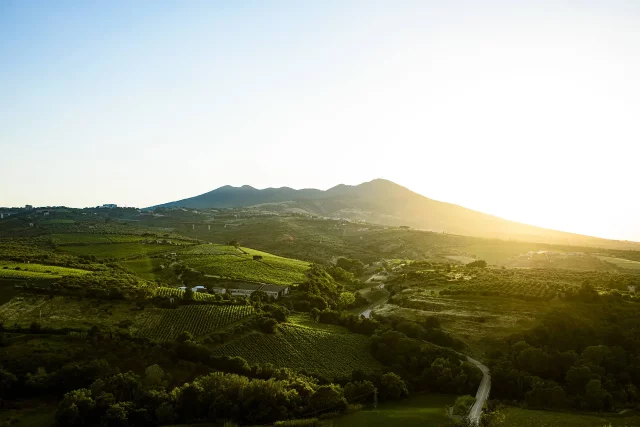
Casa Vinicola D’angelo
Four generations of the D'Angelo family have made Aglianico del Vulture on the slopes of Mount Vulture since the 1930s. They farm 25 hectares of volcanic vineyards, age wine in a cellar cut from volcanic rock, and bottle sixteen labels led by the flagship Aglianico del Vulture DOC.
 Tuscany
Radda in Chianti
Tuscany
Radda in Chianti
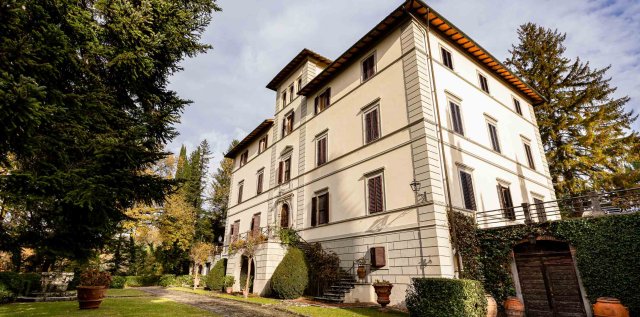
Castello di Monterinaldi
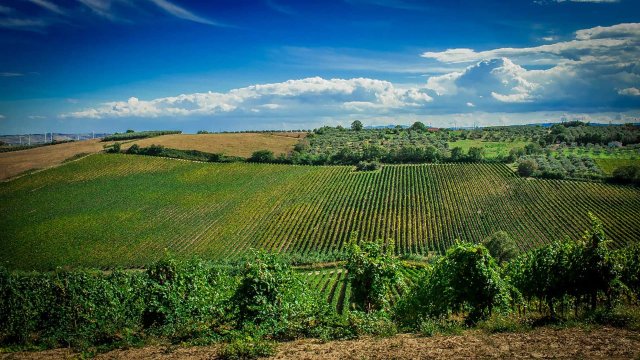
On a hill at Lucarelli in the parish of Radda in Chianti, named after a Lombard count who held it in 1010. Vines were only planted in 1961, seventeen separate parcels of them, and the estate has been certified organic since 2018 and Equalitas certified since 2023. Ten visits can be booked, from a fifteen-euro tasting to lunch in the painted rooms of Villa Pesanella.
 Est. 1990
Molise
San Martino In Pensilis
Est. 1990
Molise
San Martino In Pensilis
Catabbo
Family winery on the stony hills above Molise's Biferno valley, at San Martino in Pensilis. Vincenzo Catabbo founded it in the early 1990s. He now runs it with his children Sarah, Carla and Pasquale, across 128 acres of certified organic vines. The family is one of the producers leading the modern revival of Tintilia, the rare native red of Molise, alongside Falanghina del Molise and the everyday Petriera range.
 Est. 1971
Aosta Valley
Donnas
Est. 1971
Aosta Valley
Donnas
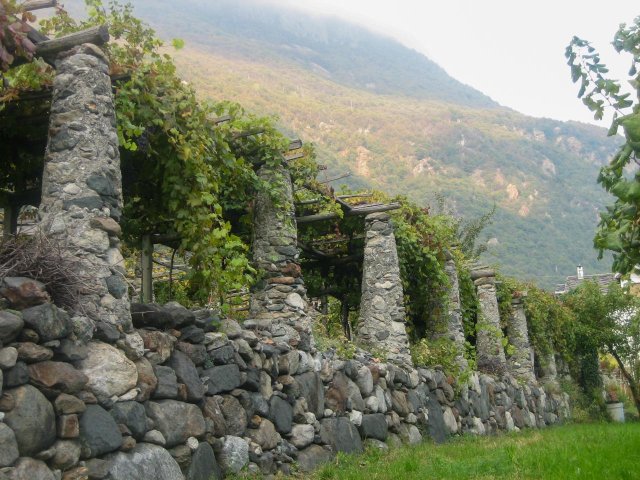
Cave Cooperatives de Donnas
Founded in 1971, the year Donnas won the first DOC in Valle d'Aosta. The cooperative works mostly with Picotendro, the local strain of Nebbiolo, on steep stone terraces above the village. Cellar tastings pour four wines from the lineup, including the flagship Donnas DOC. The original 1971 to 1976 cellars are now the village wine ecomuseum, open on Sundays.