About Mottura Sergio
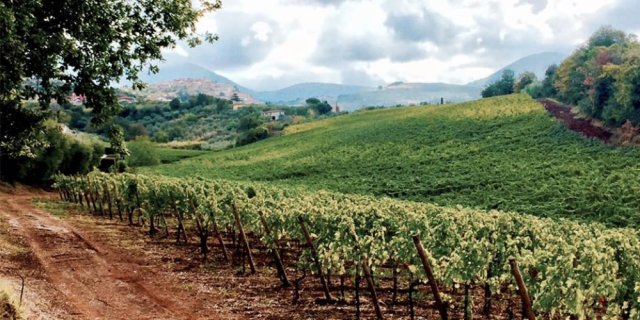
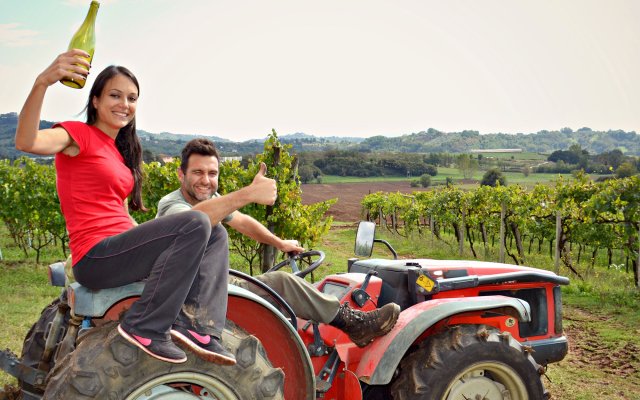
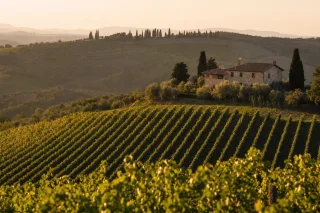
Alessandro Mottura, a civil engineer from Piedmont, bought the Civitella d'Agliano estate in 1933 as farmland. Three decades later his son Sergio, then twenty-one, moved south from Turin to take it over. The holding was still split into twenty-one mezzadrie sharecropping plots. The first modern vineyard went in at Ombrico in 1968. It was planted with Grechetto cuttings taken from the family's own old married vines. The single-vineyard Poggio della Costa was carved out two years later.
Sergio's bet on Grechetto ran against the grain. The grape was widely treated as a blending workhorse for Orvieto. Almost no one in central Italy made it as a single-variety white built to age. He persisted for a quarter of a century before international recognition arrived. In 1994 the family filled their first five barriques, branded Louis Latour, with vintage Grechetto. The wine that emerged took the name Latour a Civitella. The 2004 Italian Wines guide from Gambero Rosso and Slow Food awarded it Tre Bicchieri, the first white wine from Lazio ever to receive the rating. In 2012 the same guide named Sergio its Winemaker of the Year.
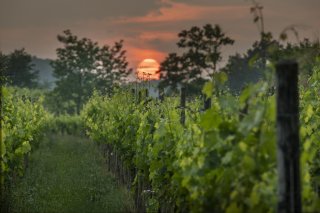
The estate began converting to organic farming in 1991, under the new EU rules, and was certified in 1996. That made Sergio Mottura one of the earliest such producers in Lazio. The work has not stood still. Grass cover left to grow on its own replaced tilling on the rows, and chemical fertilisers were dropped. In 2018 chestnut tannin began standing in for copper-based fungicides against downy mildew. Solar panels now power the modern winery, and wastewater is treated in a planted evaporation bed.
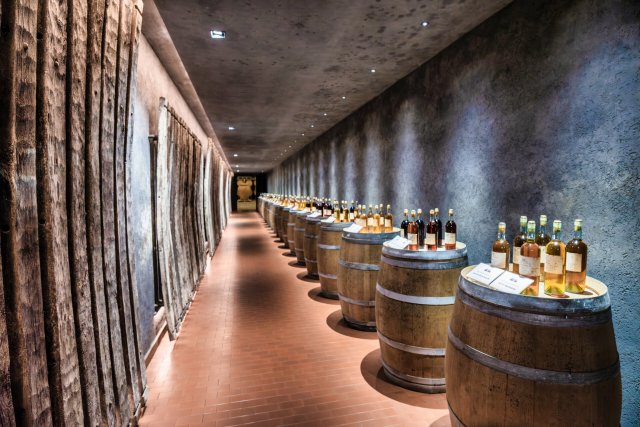
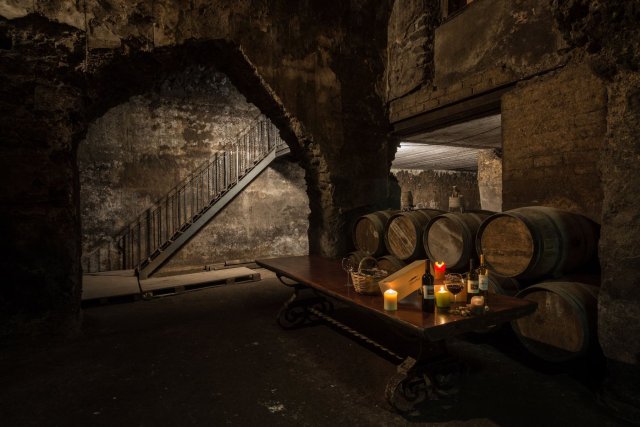
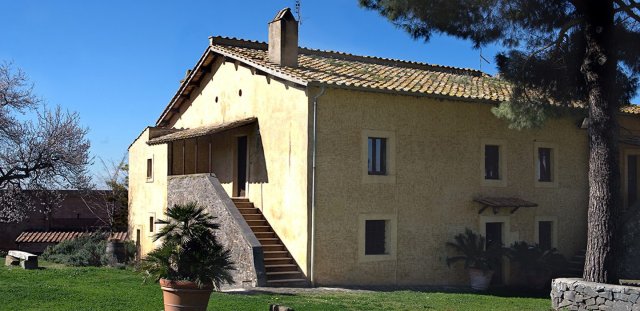
Production splits between two sites four kilometres apart. The 1998 winemaking cellar on Strada Ombricolo sits among the working vineyards. It has a 2,500 hectolitre capacity, about 330,000 bottles' worth, for fermentation, packaging and storage. The historic seventeenth-century cellar in the centre of Civitella d'Agliano is cut into the tuff bedrock, at a constant 12 degrees Celsius. There the still wines refine in barrel and steel, and the classic-method sparkling wine rests on the lees. Above the caves, in the same medieval building, the family runs the small Tana dell'Istrice farm-stay and the tasting rooms.
The range starts with three wines that are 100 percent Grechetto: Poggio della Costa, Latour a Civitella and the late-harvest Muffo. Then come the Orvieto DOC and Tragugnano, blends with Procanico. The Spumante Sergio Mottura has been bottled by the classic method since 1984. The Civitella d'Agliano IGT reds are Civitella Rosso, Syracide, Nenfro and Magone. Giuseppe Mottura now leads the cellar. Visitors taste a five-wine flight in the tuff caves, served with the family's homemade white pizza.
Editorial · ItalianWines.co.uk







 Lazio
Lazio
 Est. 1933
  2 wines
  Tastings
 Tours
Tours
 Accommodation
 Booking required



 Grechetto