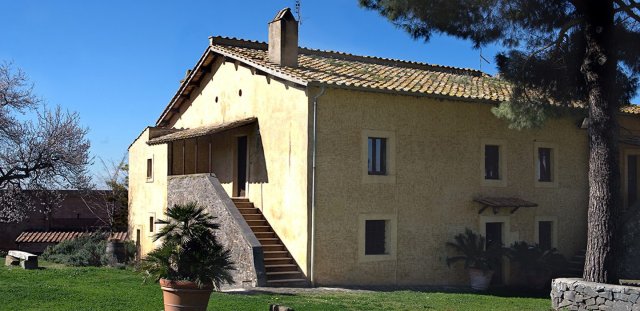
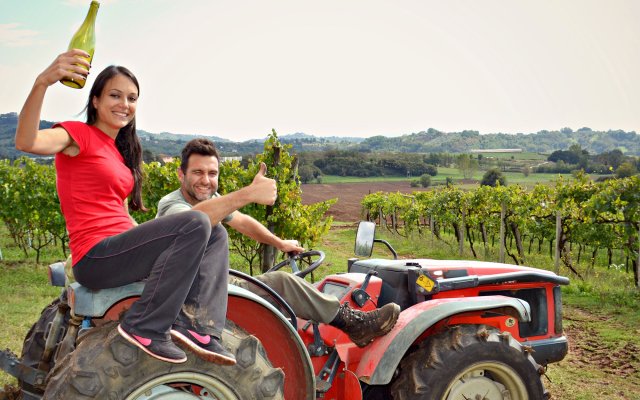
The Agro Pontino was reclaimed marshland when Berardino Santarelli bought this property in 1967. The turning point came in 1985. Berardino and his son Antonio teamed up with three leading vine scientists: Attilio Scienza of Milan University, Angelo Costacurta of Conegliano and Fulvio Mattivi of San Michele all'Adige. Together they planted close to sixty trial grape varieties on land with no wine tradition at all.
The project compared the climate of the seaside Pontine plain with Bordeaux, California and Australia. The data spoke. By 1990 the European Community had approved Chardonnay, Sauvignon, Syrah, Petit Verdot and Cabernet Sauvignon for the province of Latina, largely on the strength of the estate's results.
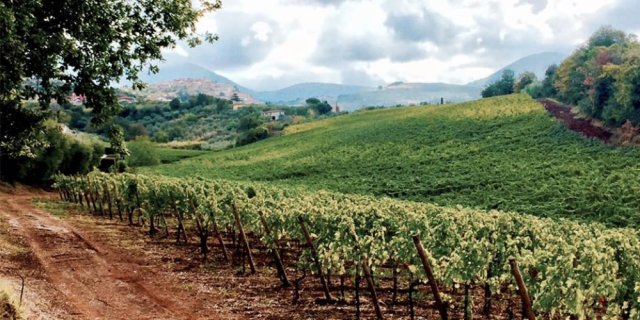
Antonio Santarelli leads the estate today, with winemaker Paolo Tiefenthaler, who trained at the Fondazione Edmund Mach in Trentino. The vineyard covers 180 hectares, about 252 football pitches. Twenty-two labels leave the cellar: seven whites, one rosé, seven reds, a late-harvest sweet wine, three grappas made from the estate's own pressed skins, and an extra virgin olive oil. Few Lazio producers cover so much ground, and it all traces back to the 1985 trials.
Bellone, the native white of the southern Lazio plain, anchors Anthium and the Radix Bellone Riserva. The rare Biancolella from the volcanic island of Ponza goes into Faro della Guardia, and Cesanese del Lazio, the region's most serious red grape, leads Matidia. The estate's fame, though, rests on the international side. Mater Matuta is a Syrah with a touch of Petit Verdot, named after the Roman goddess of dawn. Aphrodisium is a sweet late-harvest blend of Petit Manseng, Viognier, Greco and Fiano.
Casale del Giglio holds the Equalitas standard and belongs to SQNPI, Italy's national scheme for integrated farming. It publishes a Sustainability Report. It also runs an archaeology programme that records the Roman and Volscian past of the Agro Pontino. A separate project, The Origins, traces Berardino's roots to the Apennine town of Amatrice.
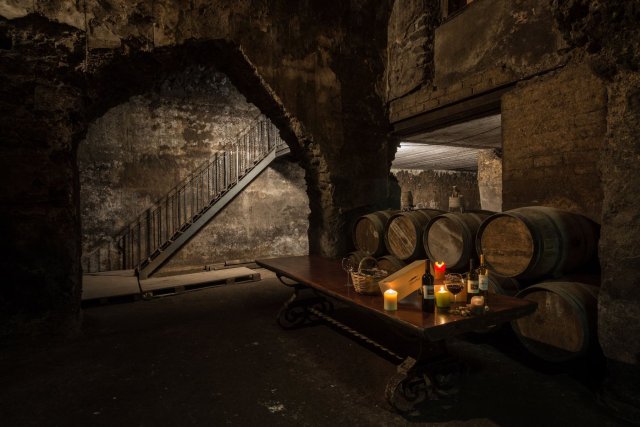
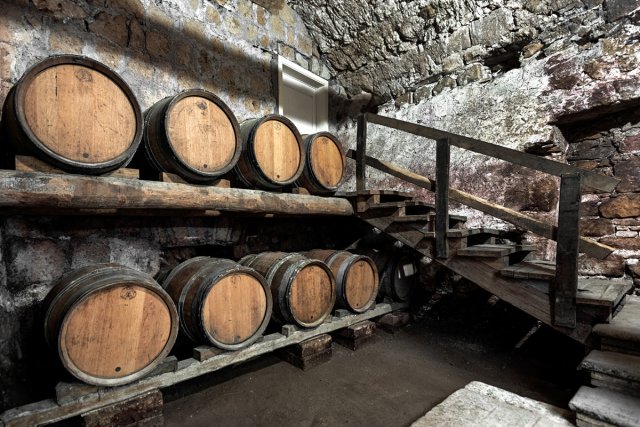
Visits run by appointment at the working winery on the Strada Cisterna-Nettuno. A sommelier leads a tour of the vineyards and cellar. It ends with a tasting of five wines, served with Lazio cheese, Amatrice salami and a handmade tarallo.








 Lazio
Lazio
 Est. 1967
  8 wines
  Tastings
 Tours
Tours
 Booking required