






 Tuscany
 Est. 1974
  8 wines
  Tastings
 Tours
Tours
 Booking required



Wine area
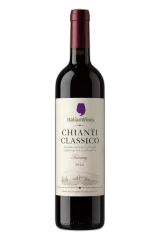
Chianti Classico
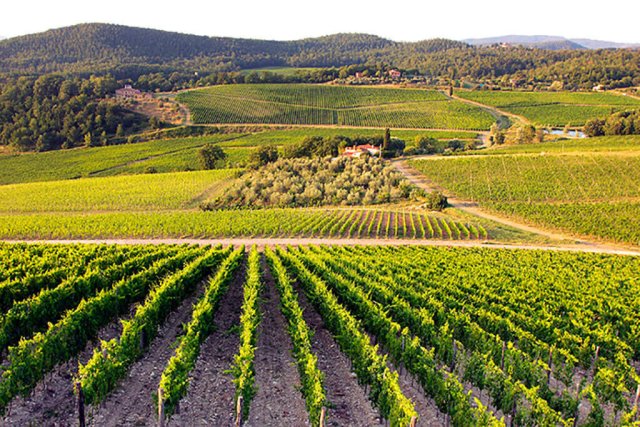
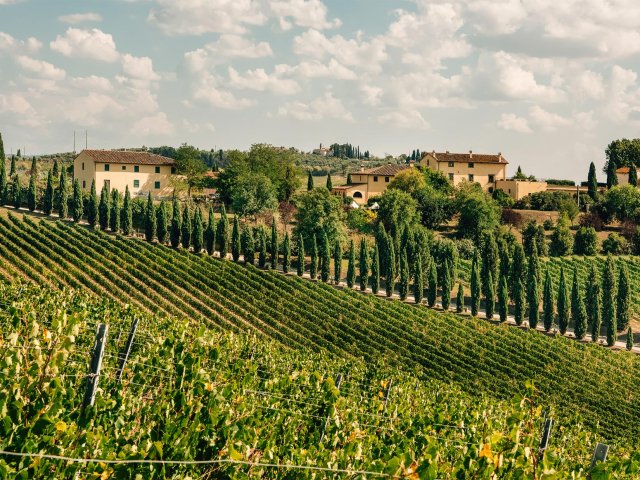
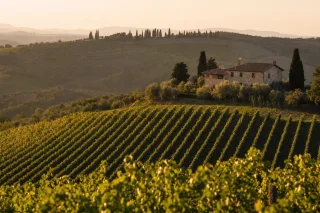
The galestro and alberese hills between Florence and Siena, where Sangiovese became Italy's most quoted red.
Your cellar, your trips, and the wines you've been tracking are right where you left them.
New here?
Free, always. Education first, we'll never sell you anything you didn't ask to see.
Already have an account?
Enter the email you signed up with and we'll send a link to choose a new password.
Querciabella has worked the hillside at Ruffoli, above Greve in Chianti, since 1974. Giuseppe Castiglioni bought a small estate there that year. Half a century later it is one of the reference points for organic and biodynamic growing in Chianti Classico. The vines cover more than 70 football pitches in the zone, with about 59 more at Alberese in the Maremma. The range runs from the estate Chianti Classico and three single-site Gran Selezione bottlings to Camartina, Palafreno and Batar. Batar is the Chardonnay and Pinot Bianco white made since 1988.
Book a visit
Giuseppe Castiglioni, known as Pepito, was an industrialist and a serious collector before he was a producer. The estate he bought at Ruffoli in 1974 was small. Over the next two decades he reshaped it on purpose. French varieties went in alongside the Sangiovese. A new cellar was built, more vineyard was bought, and two wines broke with local convention. Camartina came from those French plantings. Batar, first made in 1988, put Chardonnay and Pinot Bianco into a Tuscan white. At the time almost nobody in Chianti Classico took white wine seriously.
The second chapter changed how the vineyards were farmed. Sebastiano Cossia Castiglioni took over from his father in the mid 1990s. He moved the estate to strict organic farming, then in 2000 to full vegan biodynamic standards. That means no animal inputs of any kind in the vineyard or the cellar. Palafreno, Mongrana and Turpino date from his years in charge, as do the first single-vineyard Chianti Classicos. Camartina 2000 was named Italy's best wine in 2004. The estate is now led by Mita Castiglioni, Pepito's eldest daughter, with her children Andrea and Selene. It marked its fiftieth vintage in the middle of this decade.
The land splits between two very different places. In Chianti Classico the holding runs to more than 50 hectares, centred on Ruffoli, where the flagship wines are still made. Further vineyards sit at Radda and, more recently, at Lamole, two of the highest and coolest corners of the zone. In 1998 the family went south to the coast and set up an estate at Alberese, near Grosseto, now 42 hectares. Mongrana, first bottled from the 2005 vintage, comes from there. It blends Merlot, Sangiovese, Cabernet Sauvignon and Cabernet Franc with other red varieties grown in the Maremma.
The wines follow the split. Under Chianti Classico DOCG sit the estate wine, the Riserva and three Gran Selezione bottlings drawn from Greve, Radda and the SA-LA site. Toscana IGT covers Camartina, Palafreno, Turpino, Mongrana Bianco and Batar. Batar is grown at Ruffoli and carries both organic and vegan certification. Mongrana itself is bottled as Maremma Toscana DOC. Critics have treated Batar as the benchmark case for serious Tuscan white wine. It remains the estate's most discussed bottle after Camartina.
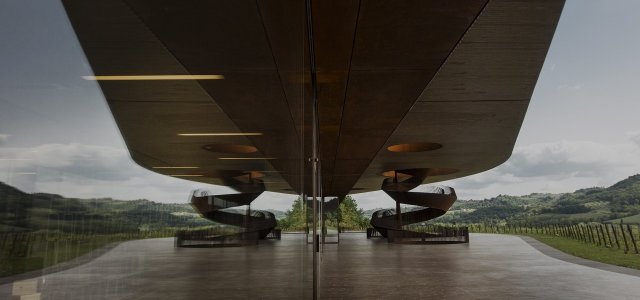
The Greve cellar is open to visitors, which is not true of every estate at this level. Tastings run from an introduction for newcomers to a longer session for people who want the detail. Private visits can be arranged. Groups of four or more can have the tasting built around them. Everything goes through the booking form on the winery's site. The cellar sells direct during business hours: Monday to Thursday, plus Friday mornings and early afternoons, with weekends by appointment. There are two Tesla destination chargers in the car park for anyone arriving electric.
Plate I · TUSCANY
Wine area
The galestro and alberese hills between Florence and Siena, where Sangiovese became Italy's most quoted red.

Winery
Greve in Chianti, Firenze · Chianti Classico
1 tasting and 1 tour, checked by our editors.
Tasting
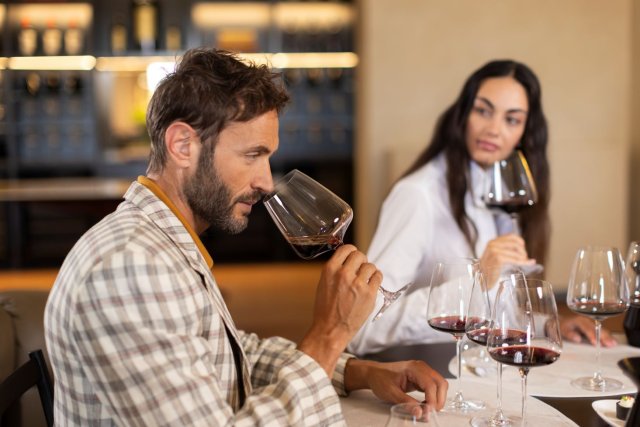
A seated tasting at the Ruffoli cellar, offered either as an introduction to the range or as a longer session for those who want the detail. Groups of four or more can have it tailored.
on querciabella.com
 Tour
Tour
A private visit to the Greve in Chianti winery arranged on request, alongside the tasting. Requests go through the winery's booking form.
on querciabella.com
Not seeing the estate you want? Estates without an online listing are reachable directly, and their phone and email are in Plan your visit.
Querciabella's current bottle selection is led by Chianti Classico DOCG. The clearest grape signal comes from Sangiovese and Merlot.
Tell us what you need and we'll help you reach Querciabella and arrange a visit or tour. We reply within two working days.