

Degustazione Fast
Guided tasting of four wines from the cooperative range, served with Italian grissini. By appointment, during shop hours and subject to ongoing cellar work.
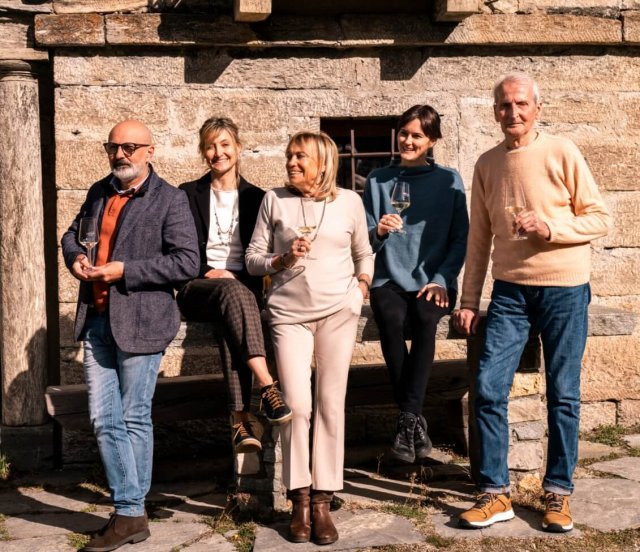
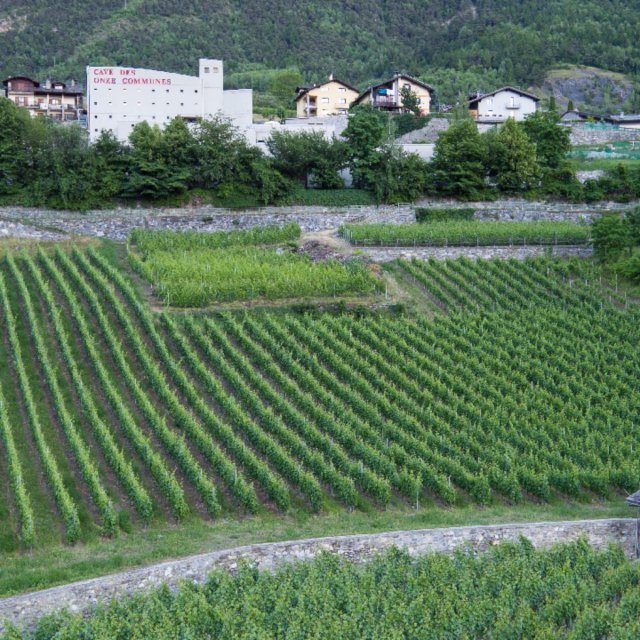
Book this experienceCave Cooperatives de Donnas is the grower-cooperative that put Valle d'Aosta on the wine map: in 1971, a group of growers in Donnas, in the lower valley, joined forces to defend the first appellation ever granted to a wine of the region, Valle d'Aosta DOC Donnas. The cellar still works mostly with Picotendro, the local strain of Nebbiolo, off the steep stone terraces above the village.
Wines for this winery are still being curated. Check back as the UK retailer selection expands.
Bookable experiences, curated by our editors. External booking where marked.
Guided tasting of four wines from the cooperative range, served with Italian grissini. By appointment, during shop hours and subject to ongoing cellar work.
Book this experienceGuided tasting of four wines from the cooperative range, paired with cured meats and Aosta Valley cheeses. By appointment, during shop hours and subject to ongoing cellar work.
Book this experienceThe cooperative was founded in 1971, the same year Donnas became the first wine of Valle d'Aosta to be recognised as DOC. A small group of growers built it around a single argument: the Picotendro vines on the south-facing terraces above the village were already producing a wine that needed legal status before economic pressure pushed the vineyards into abandonment. Documents on viticulture in Donnas date to 1214, and the Roman road that still runs through the village is part of the same Via delle Gallie that carried Aostan wine north for centuries.
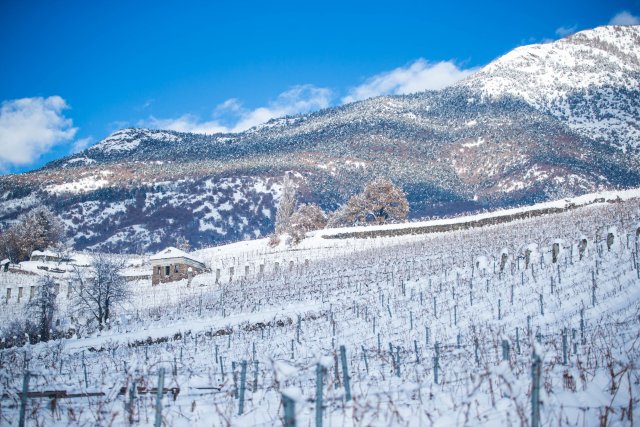
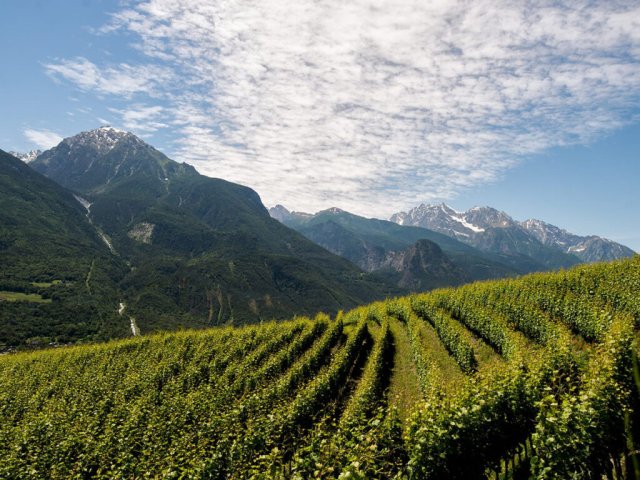
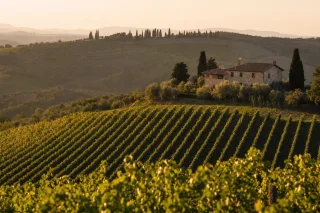
Donnas sits in the Bassa Valle d'Aosta at around 320 metres, with vineyards rising to roughly seven hundred metres on stone terraces that follow the slope rather than break it. The climate is alpine but unusually mild, mild enough for olives and lemons to grow alongside the vines. The cooperative's grower base works these parcels by hand, a labour pattern that the founding members in 1971 explicitly committed to defending against the abandonment that would let the slopes collapse and reshape the landscape.
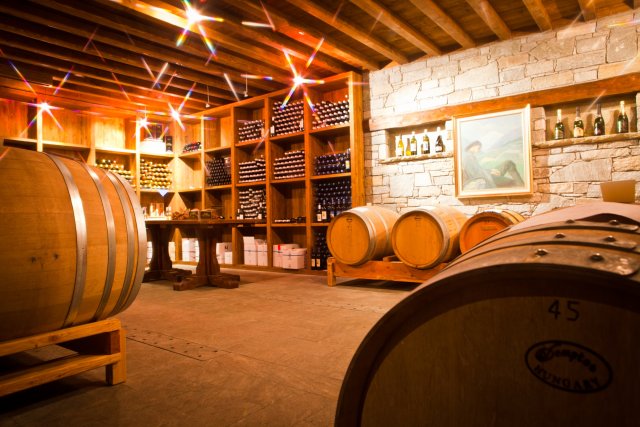
Production sits at around 120,000 bottles a year, almost all of it red and almost all of it built on Picotendro, the high-altitude strain of Nebbiolo that ripens differently here than it does in the Langhe. The cellar processes about 1,500 quintals of grapes through stainless steel for the young wines and oak botti and barriques for the wines that need ageing. Valle d'Aosta DOC Donnas is the flagship, a structured red built for the table; Barmet is the young, destemmed cuvee meant to be drunk early; Rouge des Caves blends Picotendro with the local Vien de Nus.
Beyond the headline reds, the range covers the rest of what the lower valley does well. Larmes du Paradis is the rosato, made from a light pressing and free-run must. Blanc des Caves is the white blend of Pinot and Erbaluce, the latter borrowed from the Piedmontese side of the border that Donnas has always traded with. A Pinot Gris and a Grappa di Nebbiolo from the cooperative's own pomace round out the line.
Visits to the cellar run on appointment during shop hours, with two paid tasting flights that show four wines apiece, the longer one paired with cured meats and Aosta Valley cheeses. The original cellars where the cooperative worked between 1971 and 1976, in the cellars of the 1877 Asilo Anna Caterina Selve, are now open as the village's wine ecomuseum every Sunday, restored by the comune of Donnas in 2003.
Editorially verified by ItalianWines.co.uk.
Plate I · AOSTA VALLEY