




Sardinia · IGT
Barbagia IGT Mamoiada's Mountain Wines, Outside the DOC Rules
Barbagia IGT is the label the growers of Mamoiada and its neighbours use when a wine sits outside the Cannonau di Sardegna DOC rules. Most are mountain Cannonau, many from single plots called ghiradas. A few are whites from Granatza, a grape the village rescued. Expect fresh, peppery reds and dry, savoury whites.


Decode the label
What the label tells you
One word on the front changes the ageing, the strength and the price.
On the label
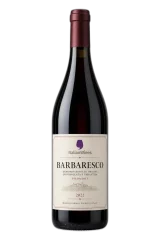
Barbagia Bianco
Granatza country


Dry, savoury whites from the rescued Granatza grape, sometimes fermented on the skins.
In stock from £35.40
On the label
Barbagia Rosso
mountain Cannonau under another name

Fresh, peppery Cannonau from single plots; the grape may not be named on the label.
No bottles in stock right now
On the label
Barbagia Rosato
the pale version

Any Sardinian red grape, pressed pale. None on UK shelves today.
No bottles in stock right now
The boundary
Where it is
Everything on this page, the estates, the bottles, the sub-zones, sits inside this line.
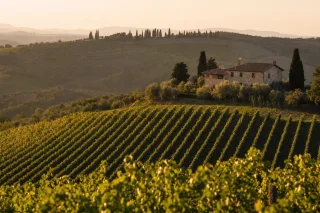
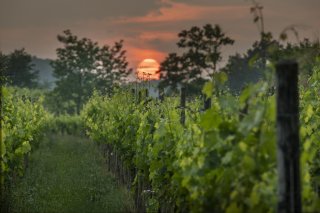
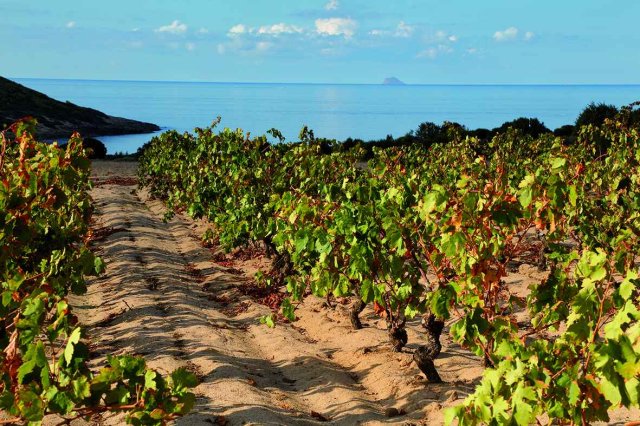
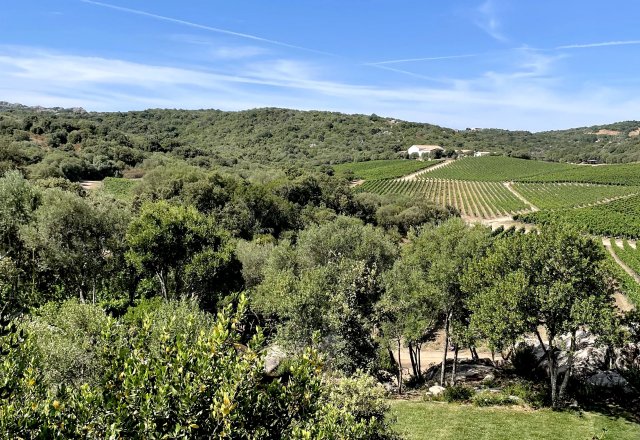
The mountain heart of Sardinia: fifteen villages of Nuoro province between the city of Nuoro and the Gennargentu massif, with Mamoiada, Orgosolo and Oliena at the centre. Granite gives the ground, crumbled into sandy, stony soil, and the limestone walls of the Supramonte stand behind Oliena and Orgosolo. It is the coldest wine country on the island: 13 to 15°C on average and, up by the Gennargentu, snow on eight or nine days a year. Vineyards climb to about 800 metres.
Inside the zone
Towns worth knowing
Every Barbagia IGT bottle sold in the UK today comes from Mamoiada; Oliena next door has its own DOC sub-zone, Nepente di Oliena.
In the glass
What it tastes like, by style
One profile at a time, never blended into a single set of bars.
Strawberry

Black pepper
Cherry
Orange peel
Orange peel
The disciplinare
The rules that define it
The same table on every denomination page, one row group per style here, because Barbagia writes its rules per colour.
 CannonauIn nearly every Mamoiada bottle, never named on the labelup to 100%Other red grapes allowed in SardiniaAny shareup to 100%
 GranatzaThe Mamoiada white, on the register since 2021up to 100%Other white grapes allowed in SardiniaAny shareup to 100%The named grapeMust leadat least 85%Other non-aromatic grapes of the same colourMay top it upup to 15%
Solid means the rules demand it. Striped means optional, up to that amount. The words on the right say the same rule.
Cannonau cannot be named on a Barbagia label, along with ten other island grapes, so Mamoiada's Cannonau reads Barbagia Rosso.
85% for a named grape any other variety may go on the label at 85% or more, with 15% of non-aromatic grapes of the same colour.

18 and 19 tonnes a hectare the crop caps for reds and rosés, then whites, far above what the old bush vines give.
Made inside the zone the wine must be made in the fifteen villages, and no ageing is required before sale.
No superiore, no selezionato the label may carry no quality words beyond the rulebook's own.
Ageing and alcohol minimums per tier are in the label guide above.
Editor's cellar
Bottles to try, and what Barbagia costs in the UK
By style, today
Live prices, compared across 2 UK retailers.


Cellar doors · in Sardinia
Estates you can visit
5 working estates with their gates open.


No estates match these filters. Clear a filter to see more.
Experiences in the Barbagia zone
Cellar experiences here average around €42. These are the strongest fits for this page.
An Organic Heart, Wine Tour and Tasting at Vini Contini in Sardinia
Azienda Vinicola Contini Attilio
Join us on a Wine Tour as we take you to the places where our wines are born and matured, and finish with a Tasting of 2 organic wines.
Sinis, the land of Tharros, wine tour and tasting at Vini Contini in Sardinia
Azienda Vinicola Contini Attilio
Immerse in Sinis, the land of Tharros with a unique wine tour and tasting of 4 wines paired with local products at Vini Contini in Sardinia.
The Giants of Mont'e Prama, wine tour and tasting at Vini Contini in Sardinia
Azienda Vinicola Contini Attilio
Discover the Giants, wines dedicated to the impressive sculptures of Mont'e Prama, with our unique tour and tasting with local products.
Vintage provenance
Why there is no vintage chart
No vintage chart exists for Barbagia IGT. The guides rate individual wines, so quality here is tracked producer by producer, not year by year.
Drink the Granatza whites young: the grape's high acidity is built for it. The reds come out fresh and are sold with no ageing rule, so buy the plot and the grower, not the year.
What to check instead
The producer: quality here is tracked estate by estate rather than year by year.
How Barbagia is made
The rulebook covers fifteen villages of Nuoro province, from the city of Nuoro up to Fonni on the Gennargentu. It allows white, red and rosé wines, fizzy versions of all three, and a red novello. A grape may be named on the label only when it makes up 85% of the wine, and eleven island grapes are excluded from that list, Cannonau among them. That is why a Mamoiada Cannonau sold under this label reads simply Barbagia Rosso. Crops are capped at 18 tonnes a hectare for reds and rosés and 19 for whites, far above what the old bush vines give. Reds need 11% alcohol, rosés 10.5% and whites 10%. The wine must be made inside the zone, and no ageing is required before sale. Words such as superiore, selezionato or scelto are banned from the label.
In depth
On the table
What to eat with Barbagia
Mountain Cannonau wants Sardinia's own table: porceddu, malloreddus with sausage ragù and aged pecorino with pane carasau. The Granatza whites take the pecorino and the bread too.


In-depth guide
Barbagia, answered
It is a regional-level label for wines from fifteen villages around Nuoro in central Sardinia, created in 1995. It covers white, red and rosé wines, fizzy versions and a red novello, with far looser rules than a DOC. In practice it is the label of Mamoiada's mountain Cannonau and its Granatza whites.
No. The grape is usually the same, but the rules are not. A Barbagia label may not carry the word Cannonau at all, so the wine is sold as Barbagia Rosso. Cannonau di Sardegna DOC covers the whole island, needs 85% Cannonau and sets its own strength and ageing rules.
For some it is a choice of standards. The Wine Society reports that Esole's owners find the DOC rules not exacting enough, so they label their wine Barbagia Rosso. Others keep the DOC. The village association, Mamojà, looked at asking for a Mamoiada sub-zone of the DOC and gave up because of the paperwork involved.
Ghirada is the Sardinian word for a plot of land. In Mamoiada it means a single vineyard, so a ghirada wine comes from one plot, the way a cru does in France. On a label it counts only as a made-up brand name today, with no legal meaning, because no rule yet lets growers show the village's zones.
Granatza, also spelt Granazza, is a white grape of Mamoiada that was almost lost. Agris, the Sardinian research agency, studied it for four years and found it shares its DNA with Calabria's Guarnaccia bianca. Even so, it grows and tastes differently in Mamoiada's soil and climate. It was cleared for the official vine register in 2021. Its high acidity makes dry, savoury whites, and some growers ferment it on the skins for an orange wine.
The reds are mountain Cannonau: wild strawberry, peppery spice, fine tannins with real grip, and fresher than the coastal versions because the vines sit high. The whites are dry and savoury. A skin-fermented Granatza adds orange peel and herbs.
The two whites in stock today cost £35.40 on offer and £42, both from specialist merchants. The last red we tracked, a ghirada Cannonau from Esole, listed at £42 before it sold out. These are small-plot wines from a few families, so expect that range rather than supermarket prices.
Explore more Sardinia
Same region only: the denominations Barbagia drinkers reach for next.

