






 Sardinia
 Est. 1898
  6 wines
  Tastings
 Tours
Tours
 Booking required



Wine area
Wine area
Denominations Produced
Wine areaDOC
Your cellar, your trips, and the wines you've been tracking are right where you left them.
New here?
Free, always. Education first, we'll never sell you anything you didn't ask to see.
Already have an account?
Enter the email you signed up with and we'll send a link to choose a new password.
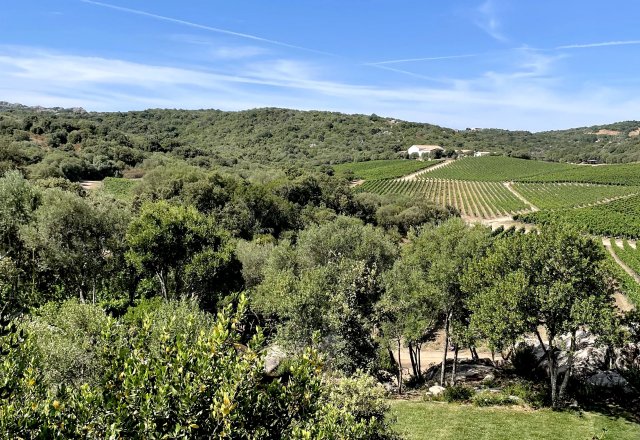
Contini is the oldest winery on Sardinia still in business. It was founded in 1898 in Cabras, on the Sinis peninsula in the island's west. No producer is more closely tied to Vernaccia di Oristano. Five generations of the family have farmed the lower Tirso valley, working native grapes: Vernaccia di Oristano, Cannonau, Vermentino, Nieddera and Bovale Sardo. Vernaccia aged for years in cask built the estate's name. More than thirty labels now leave the cellar.
Book a visit
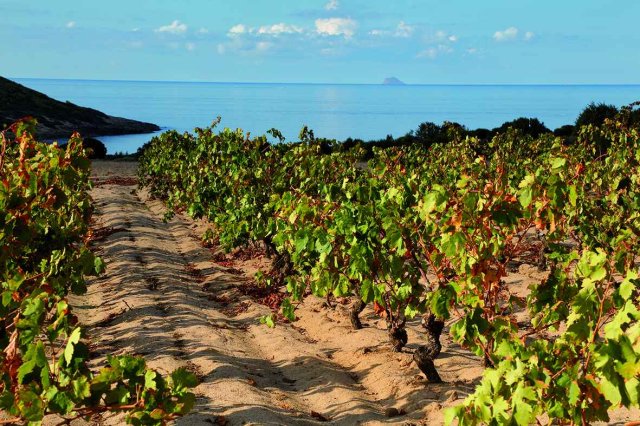
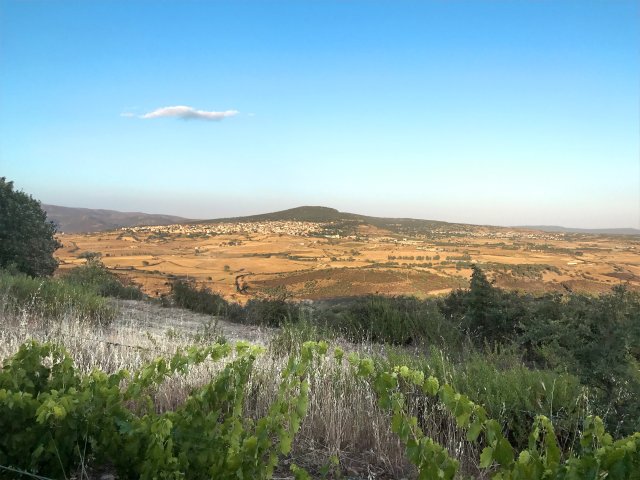
Salvatore Contini and his wife Anna Maria Dessì founded the cantina in 1898 in Cabras, a fishing village beside the Sa Mardini lagoon and the Phoenician ruins of Tharros. The family goes back much further here. Parish marriage records from 1642 list a Salvador Continy Murtas. The Sinis peninsula around them is dry, low and sandy, crossed by the Tirso river on its way to the Gulf of Oristano. It is a natural home for Vernaccia di Oristano.
Attilio Contini, the founder's son, made the estate's reputation. He grew the cellar through the 1930s and 1940s and bought grapes from neighbouring growers to secure supply. By the 1960s Vernaccia di Oristano was the most respected wine on Sardinia. In 1971 it became the island's first DOC. After Attilio died in 1980, Antonio, Salvatore (Totino) and Paolo took over. They widened the range and began rescuing nearly extinct native grapes: Nieddera, Caddiu and Muristellu, the local name for Bovale Sardo.
Today Alessandro Contini, son of Totino, and Mauro Contini, son of Antonio, run the cellar, with Paolo Contini as honorary president. There are more than thirty labels. Long-aged Vernaccia di Oristano anchors the list: Antico Gregori, Pontis, Componidori and Vernaccia Flor. Around it sit 'Inu and Sartiglia (Cannonau di Sardegna), Pariglia (Vermentino di Sardegna), Elibaria (Vermentino di Gallura DOCG) and the Isola dei Nuraghi IGT blends Karmis and Barrile. A small organic range called Mamaioa and the Attilio sparkling wines complete the catalogue.
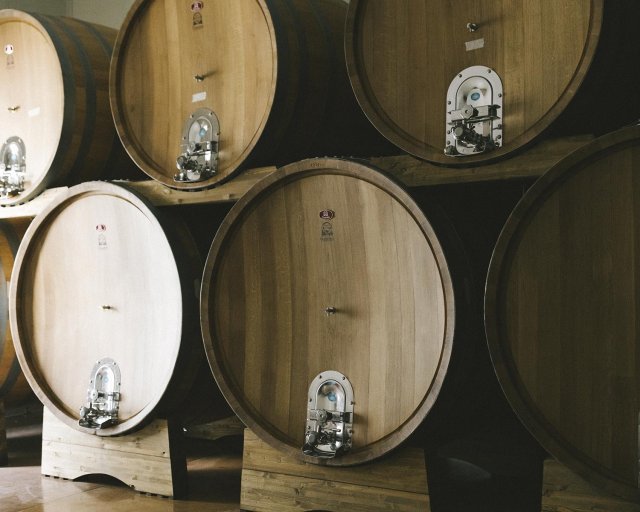
The heart of the winery is the bottaia storica, the old barrel hall filled with chestnut casks. There the Vernaccia di Oristano matures slowly under flor. The flagship Antico Gregori is drawn from a blend of vintages reaching back decades. Expect toasted almond, walnut, dried orange peel, a salty finish and a hint of curry leaf from the long ageing. It is the textbook bottle for the style, and one of the few Italian answers to Sherry's amontillado and palo cortado.
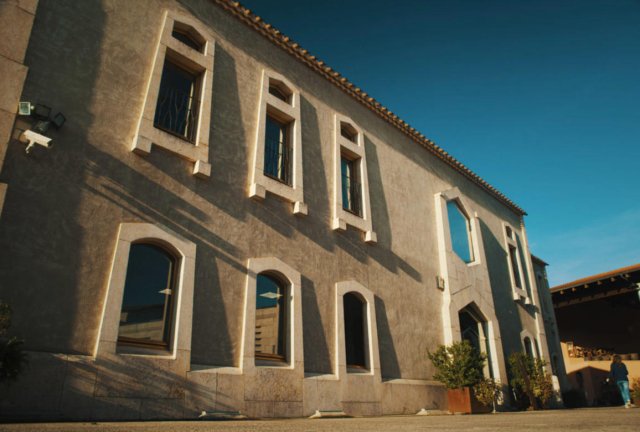
In 2022 the family opened a redesigned cellar, built to welcome visitors as well as make wine. Tours run by appointment from Monday to Saturday. They take in the new spaces and the historic bottaia, then end with a guided tasting served with Sardinian salumi and pecorino. The shop on Via Genova in Cabras keeps the same days. It is the easiest way to taste the Componidori, Karmis and 'Inu without booking ahead.
Plate I · SARDINIA
Wine area

Winery
Cabras, Oristano
6 tastings, checked by our editors. From €23.
 Tasting & Tour
Join us on a Wine Tour as we take you to the places where our wines are born and matured, and finish with a Tasting of 2 organic wines.
via Winedering
 Tasting & Tour
Immerse in Sinis, the land of Tharros with a unique wine tour and tasting of 4 wines paired with local products at Vini Contini in Sardinia.
via Winedering
 Tasting & Tour
Discover the Giants, wines dedicated to the impressive sculptures of Mont'e Prama, with our unique tour and tasting with local products.
via Winedering
 Tasting & Tour
Embark on a captivating wine tour dedicated to Vernaccia di Oristano, and experience how time transforms this wine into a precious treasure.
via Winedering
 Tasting & Tour
Join industry experts on a technical tour tailored for wine lovers! Explore the winery, engage in tastings, and gain professional insights.
via Winedering
Tasting & Tour
Guided walk through the redesigned 2022 cellar and the historic bottaia at Cabras, followed by a tasting of three wines chosen from a flight of five and served with a Sardinian charcuterie and pecorino board.
on vinicontini.com
Not seeing the estate you want? Estates without an online listing are reachable directly, and their phone and email are in Plan your visit.
Some booking links earn italianwines.co.uk a commission. This never affects price or what we recommend.
Azienda Vinicola Contini Attilio's current bottle selection is easiest to understand through Vermentino.
Tell us what you need and we'll help you reach Azienda Vinicola Contini Attilio and arrange a visit or tour. We reply within two working days.