






Calabria · DOC
Verbicaro DOC Calabria's Tyrrhenian Magliocco from the Pollino
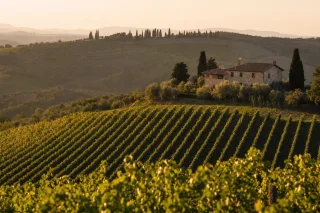
Verbicaro DOC is a Tyrrhenian outpost on the limestone hills of the Pollino. It sits in north-western Calabria, in five villages of Cosenza province. Magliocco Dolce, locally called Guarnaccia Nera, works alongside Greco Nero and Greco Bianco. Together they make reds, rosatos and whites. Since 2011 the zone has been folded into Terre di Cosenza DOC, as one of its seven historic sub-zones.
Decode the label
What the label tells you
One word on the front changes the ageing, the strength and the price.
On the label
Verbicaro Rosso
Magliocco and Greco Nero's hill red

The high Tyrrhenian hills' red, with white grapes still legal in the vat as Calabrian tradition always had it.
No bottles in stock right now
On the label
Verbicaro Bianco
Greco with the local whites
Greco Bianco, Malvasia and Guarnaccia Bianca off high vineyards: lemony, herbal, mountain-fresh.
No bottles in stock right now
On the label
Rosato & Magliocco
the pink and the varietal

The rosato shares the red's recipe; the Magliocco varietal is where the sub-zone shows its modern face.
No bottles in stock right now
The boundary
Where it is
Everything on this page, the estates, the bottles, the sub-zones, sits inside this line.
High hills between the Pollino massif and the Tyrrhenian, in north-west Calabria: the country around Verbicaro itself, above the coast at Scalea and Diamante, in the province of Cosenza. Since 2011 this has been one of seven named sottozone of the province-wide Terre di Cosenza DOC, and the historic Verbicaro name survives on labels through that doorway.
Inside the zone
Towns worth knowing
The Riviera dei Cedri's citron groves share this coast; the vineyards climb behind it towards Pollino's wall.
In the glass
What it tastes like, by style
One profile at a time, never blended into a single set of bars.
Cherry

Plum

Black pepper
Lemon
Citrusy fruit

Strawberry
Red forest berries
The disciplinare
The rules that define it
The same table on every denomination page, one row group per style here, because Verbicaro writes its rules per colour.
 Magliocco (Guarnaccia Nera) and/or Greco NeroThe local pair leads60 to 80%
 White grapes (Malvasia, Guarnaccia, Greco Bianco)The old Calabrian softenerup to 20%Other Calabrian redsNon-aromatic, jointly cappedup to 20%Greco BiancoThe leadat least 30%Malvasia BiancaPerfumeup to 40%Guarnaccia BiancaThe local thirdup to 30%
Solid means the rules demand it. Striped means optional, up to that amount. The words on the right say the same rule.
Verbicaro is a sottozona now since the 2011 Calabrian reform its wines answer to the Terre di Cosenza DOC rulebook.

White grapes in the red are legal up to 20%, a Calabrian tradition the rules never abandoned.
Magliocco has two names here the rulebook itself notes the local name Guarnaccia Nera.
Seven sottozone share one DOC Verbicaro sits beside Pollino, Donnici and the other Cosenza hills.
Passito and vendemmia tardiva run through the range sweet versions are written into white and red alike.
Ageing and alcohol minimums per tier are in the label guide above.
Cellar doors · in Calabria
Estates you can visit
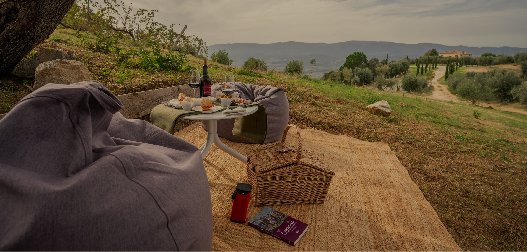
Three estates in Calabria open their doors today. A small list, honestly kept: only working cellars with confirmed visits appear here.
 0
0



No estates match these filters. Clear a filter to see more.
Vintage provenance
Why there is no vintage chart
No denomination-wide vintage chart is currently published for Verbicaro DOC. The appellation is small enough that quality is tracked producer by producer rather than through a maintained annata table; broader Calabria-wide harvest reports may be useful as context.
Mountain nights keep the wines fresher than the latitude suggests: drink within five or six years.
What to check instead
The producer: quality here is tracked estate by estate rather than year by year.
How Verbicaro is made
The Verbicaro Rosso draws on Magliocco Dolce and Greco Nero, between 60 and 80 percent of the blend. Malvasia Bianca, Guarnaccia Bianca and Greco Bianco are capped at twenty percent between them. Verbicaro Bianco builds on Greco Bianco, at thirty percent minimum. Malvasia Bianca is capped at forty percent, and Guarnaccia Bianca at thirty. Reds that reach 12.5 percent natural alcohol and age at least three years earn the Riserva tag. That clock starts on 1 January after the harvest. The vines work limestone and dolomite soils on the western flank of the Pollino National Park. They are picked by hand at low yields. Sea air on one side and Apennine air on the other keep the wines fresh.
In depth
On the table
What to eat with Verbicaro
The home country leads; global pairings that genuinely work follow.


In-depth guide
Verbicaro, answered
Verbicaro DOC is a small Calabrian zone in north-western Cosenza. It makes red, rosato and white wines. The lead grapes are Magliocco Dolce and Greco Bianco. Magliocco Dolce is known locally as Guarnaccia Nera. Since 2011 the zone has been one of the seven historic sub-zones of Terre di Cosenza DOC.
The zone covers five towns on the Tyrrhenian flank of the Pollino National Park. They are Verbicaro, Grisolia, Orsomarso, Santa Domenica Talao and Santa Maria del Cedro. All five sit in Cosenza province.
Verbicaro Rosso and Rosato lean on Magliocco Dolce (Guarnaccia Nera) and Greco Nero, between 60 and 80 percent. Malvasia Bianca, Guarnaccia Bianca and Greco Bianco are capped at twenty percent between them. Verbicaro Bianco is built on Greco Bianco, at thirty percent minimum. Malvasia and Guarnaccia Bianca back it up.
Verbicaro Rosso may carry the Riserva mention after at least three years of ageing. It must also reach 12.5 percent natural alcohol. The clock starts on 1 January after the harvest.
Verbicaro Rosso shows a ruby-red colour with violet glints. The nose is vinous and lightly aromatic. The palate is dry and velvety. Acidity is fresher than in southern-Calabrian peers, thanks to the local mix of Tyrrhenian and Pollino air.
Yes. Terre di Cosenza DOC was created in 2011, and Verbicaro joined it then. It sits beside Donnici, Pollino, Esaro, San Vito di Luzzi, Colline del Crati and Condoleo. That makes seven historic zones in all. Growers may use either label on the bottle.
Verbicaro Rosso works with grilled Pollino lamb and capretto, fileja al sugo di maiale, soppressata and aged Caciocavallo Silano. Verbicaro Bianco matches Tyrrhenian seafood antipasti, swordfish involtini and ricotta-stuffed pasta.
Explore more Calabria
Same region only: the denominations Verbicaro drinkers reach for next.


