






Page 5 of 11
Italian Food and Wine Pairing Guide, Page 5
Pairings at a Glance
Showing 41–50 of 109 dishes
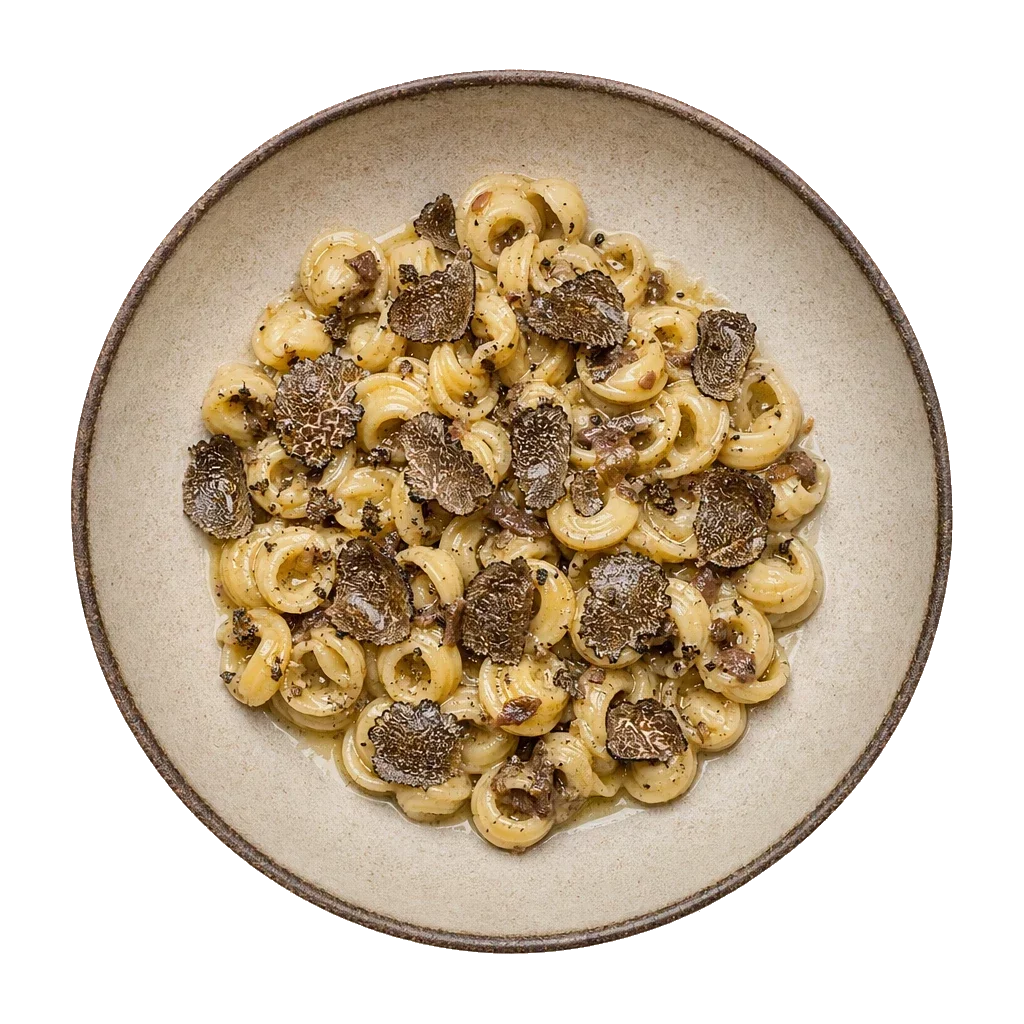
Lumachine alle Schegginese
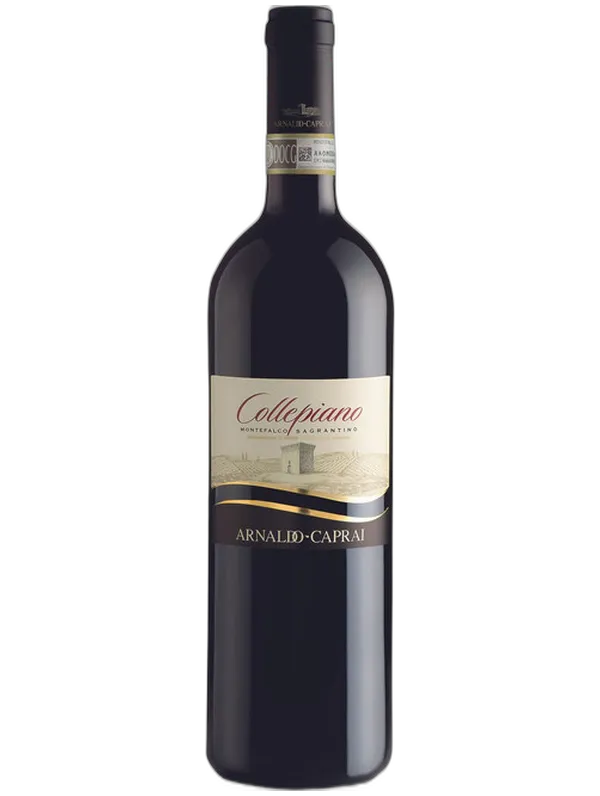
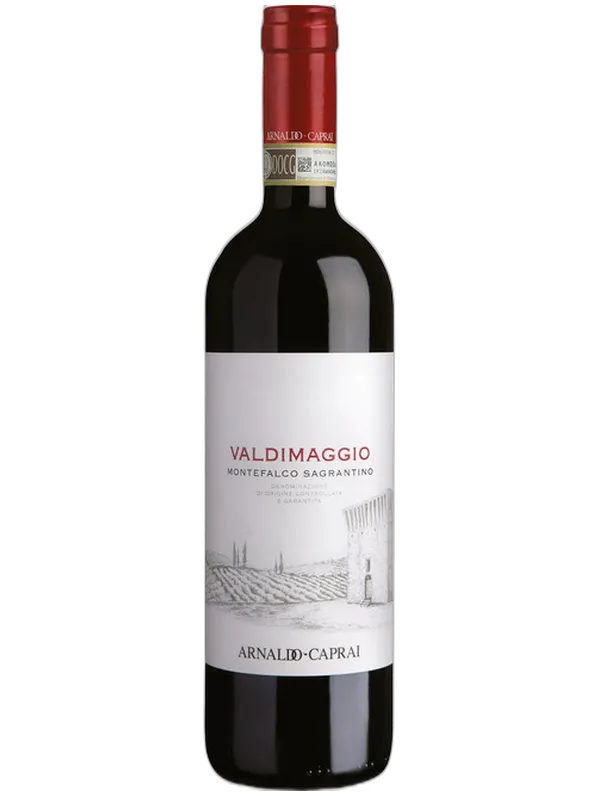
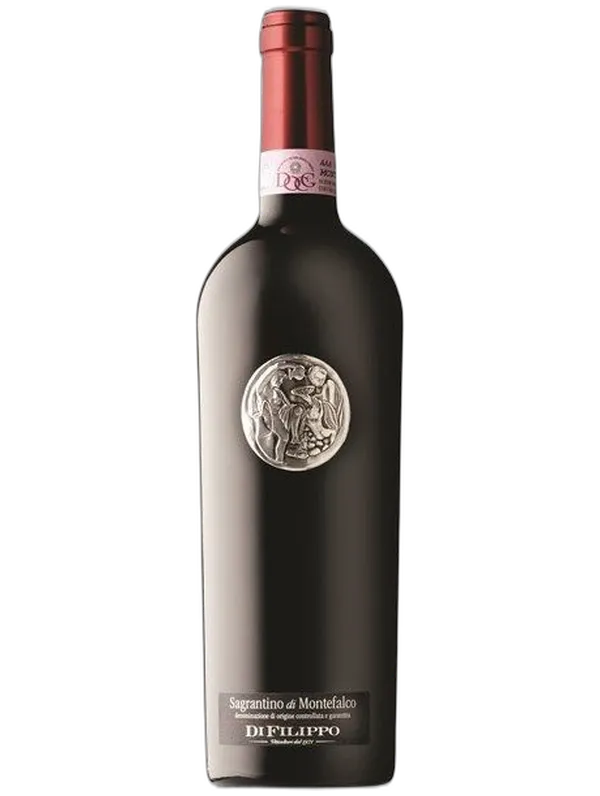
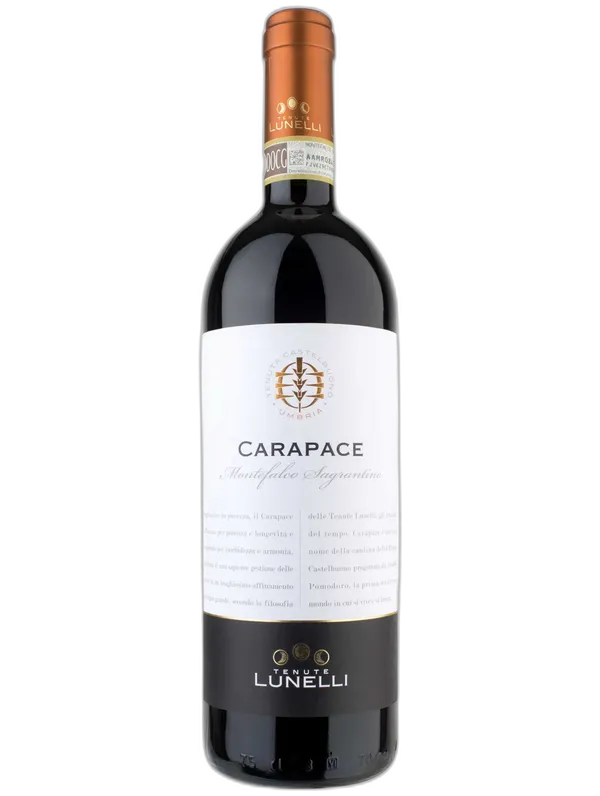
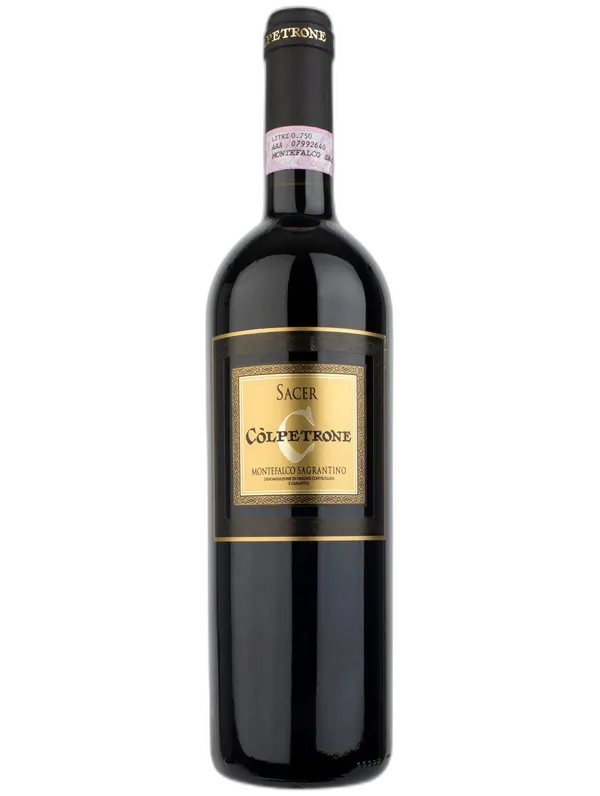
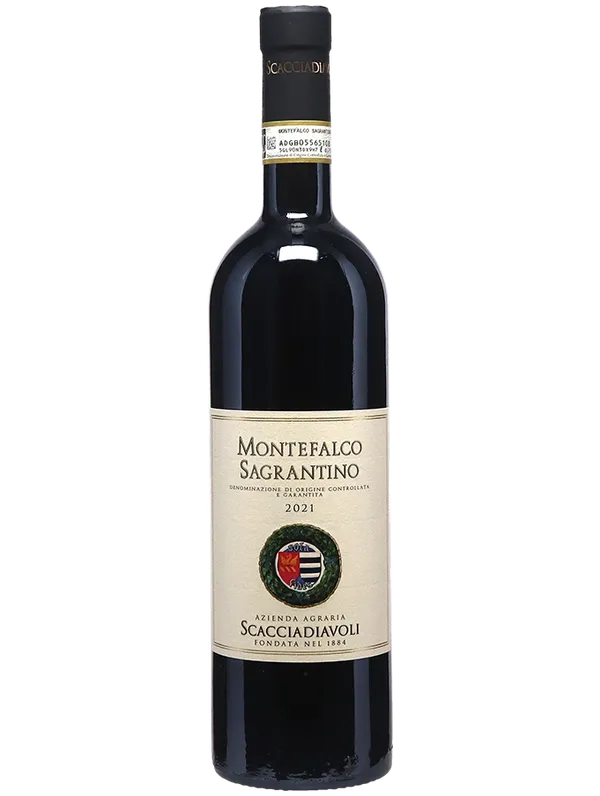
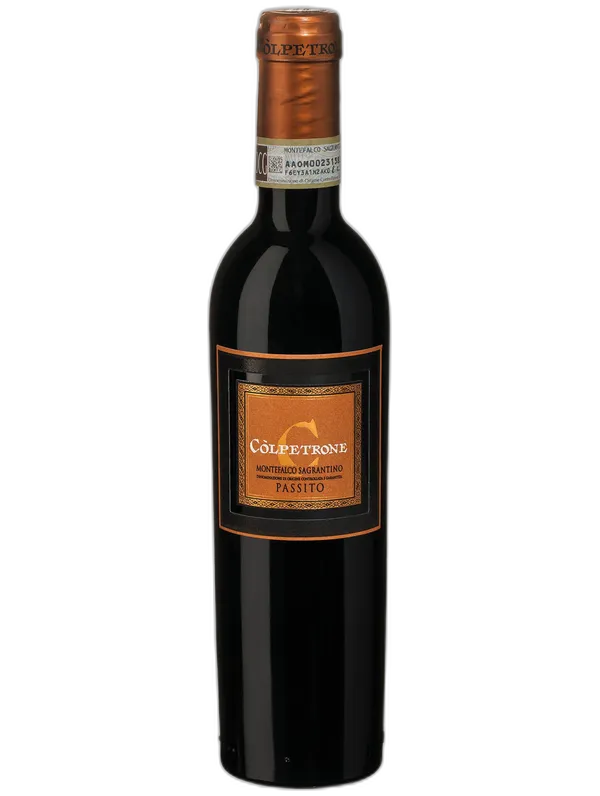
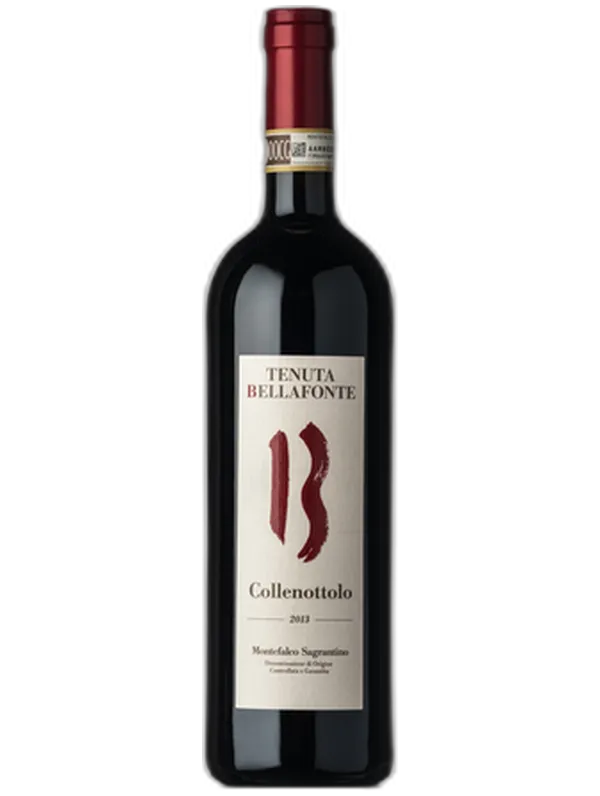
Lumachine alle Schegginese is the Umbrian pasta with black truffle, snail-shaped lumachine tossed with shaved tartufo nero di Norcia in anchovy-garlic butter. Scheggino is the town; the truffle is what you pay for. Sagrantino di Montefalco DOCG handles the earth; Grechetto di Todi DOC is the white alternative when the truffle is less generous.
Perfect grape varieties
Also worth trying
Appellations to explore
Maccheroncini di Campofilone
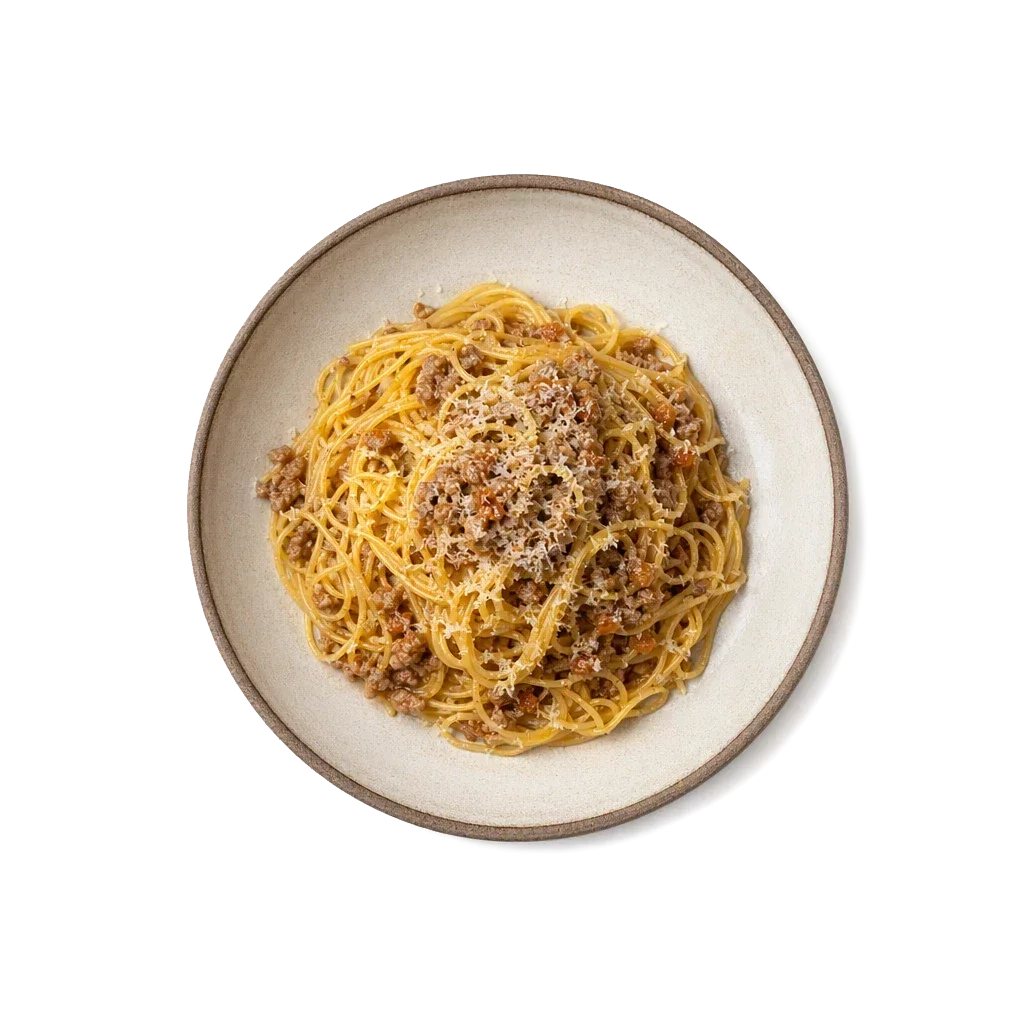
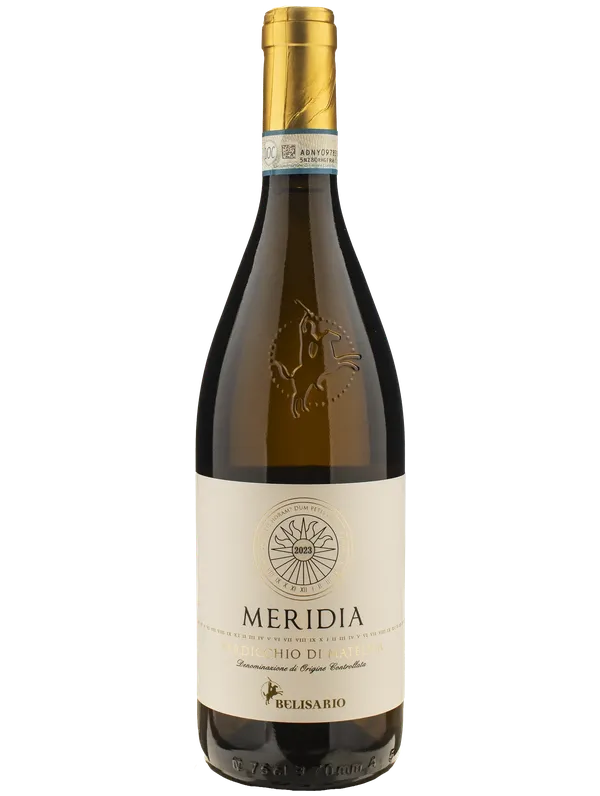
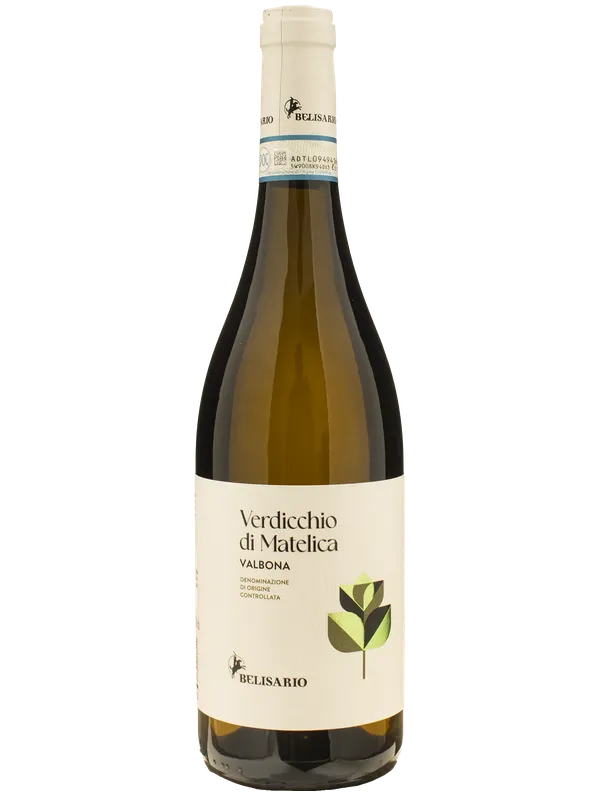
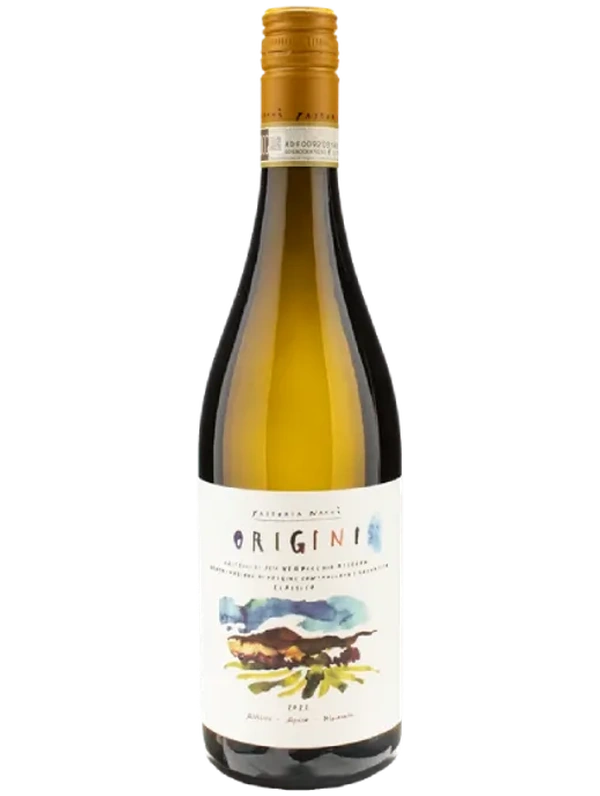
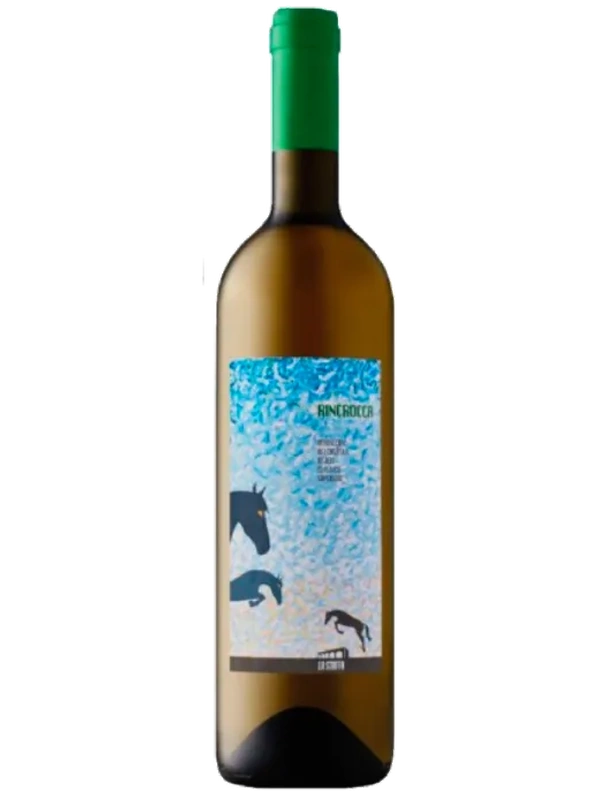
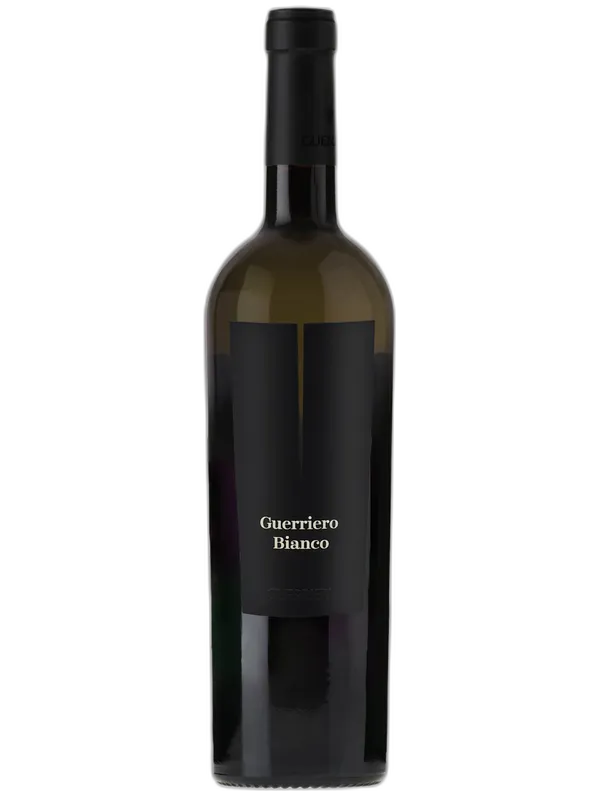
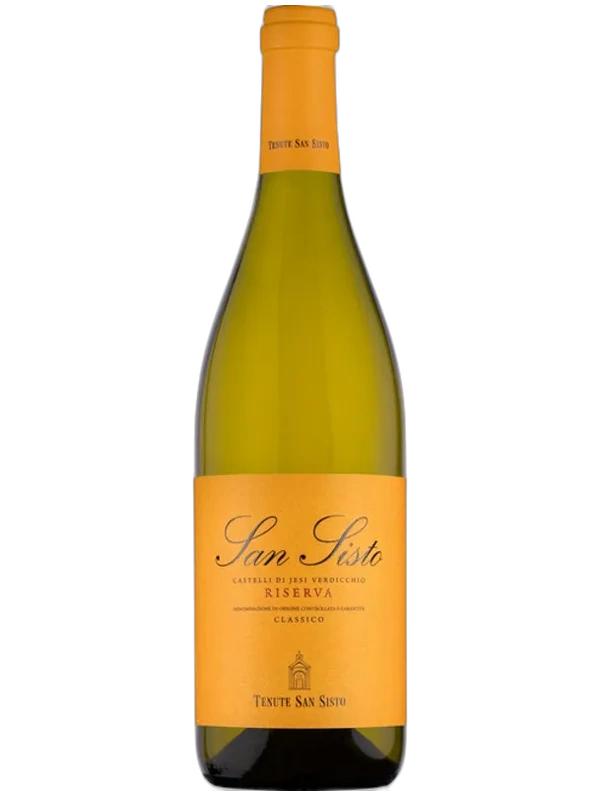
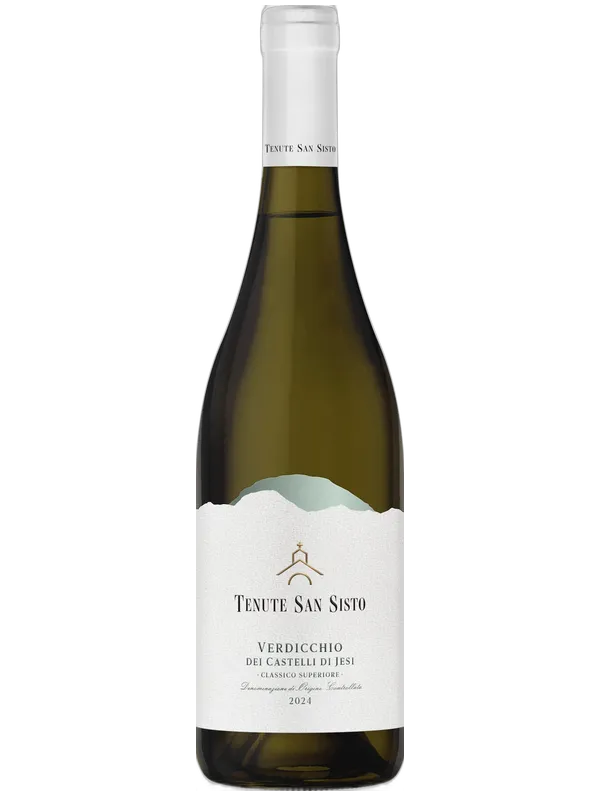
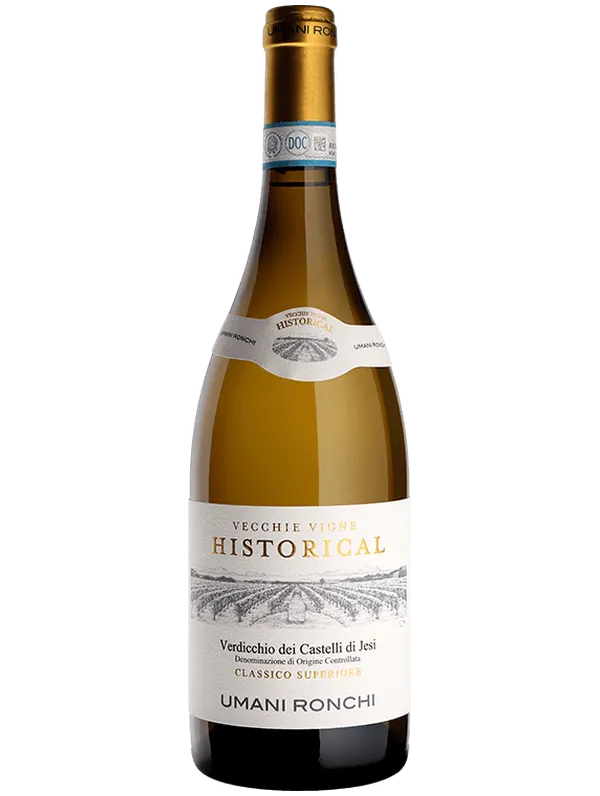
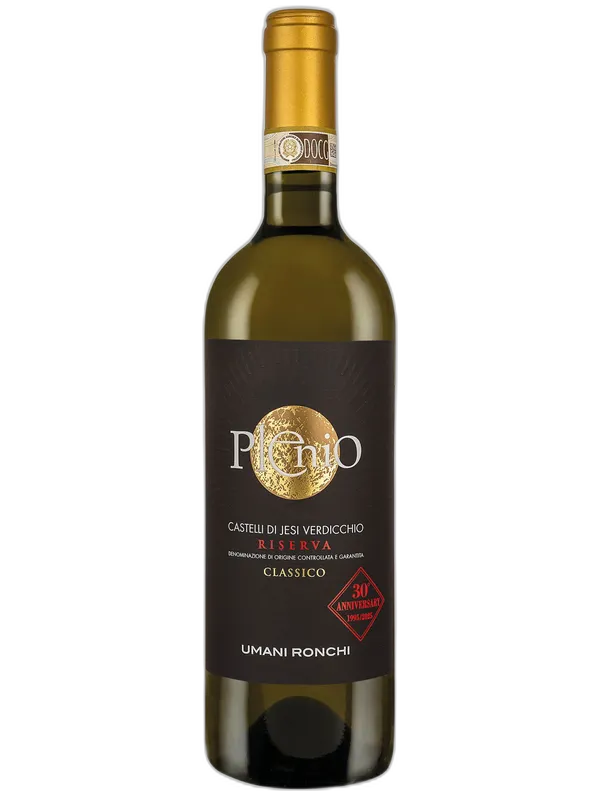
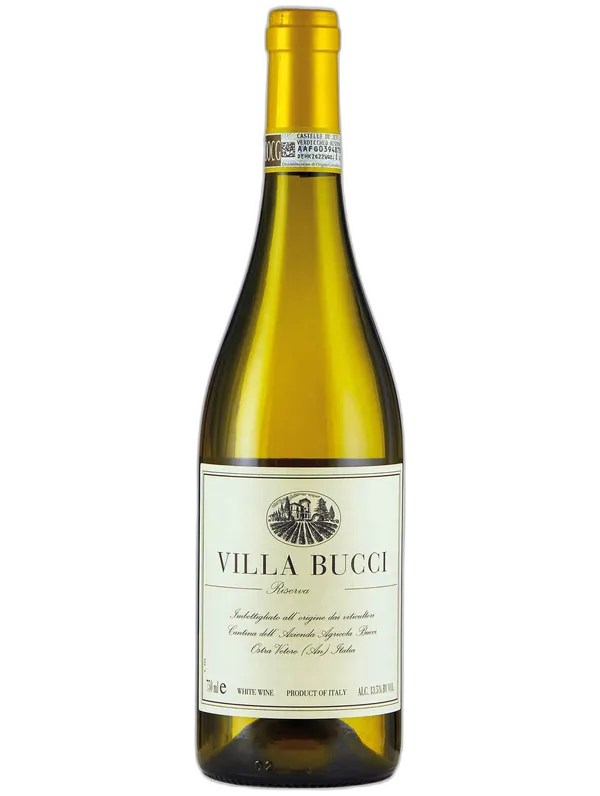
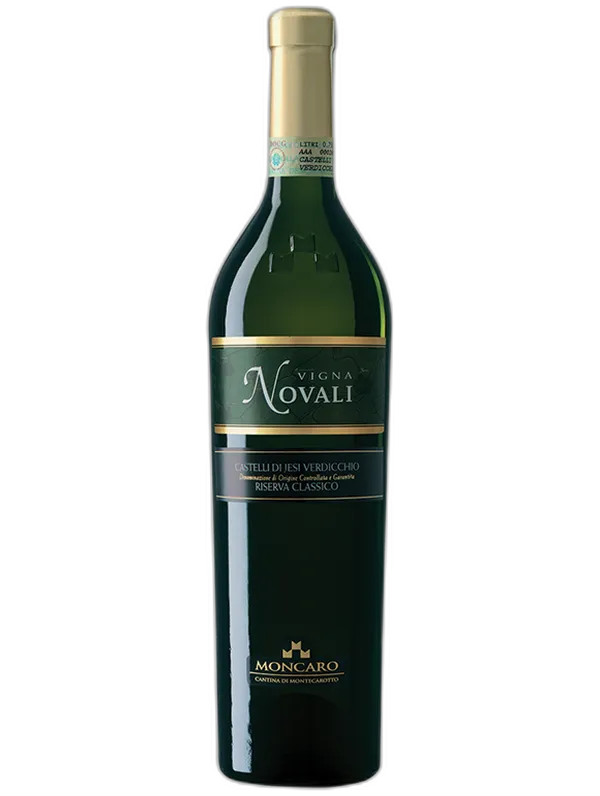
Maccheroncini di Campofilone are the Marche's tissue-thin egg pasta, traditionally cut to 0.3 mm by hand at Campofilone near Fermo. The pasta is served in light meat ragù or seafood broth. Verdicchio dei Castelli di Jesi DOC handles the delicate dough; Rosso Piceno DOC brings the red when the ragù lead.
Perfect grape varieties
Also worth trying
Appellations to explore
Malloreddus alla Campidanese
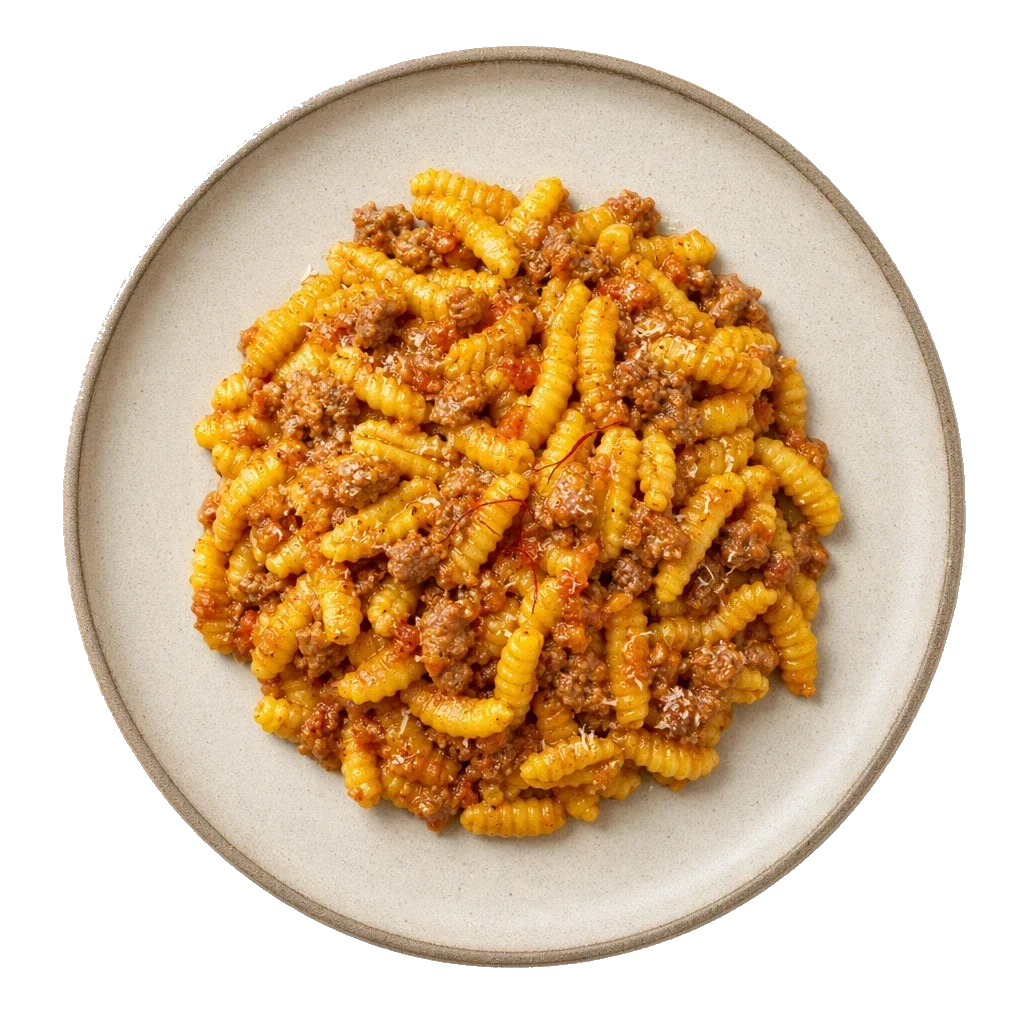
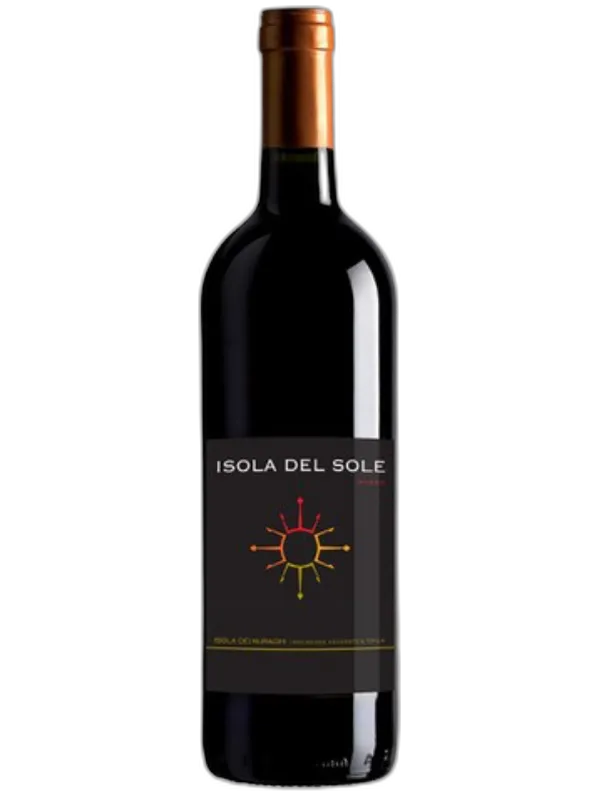
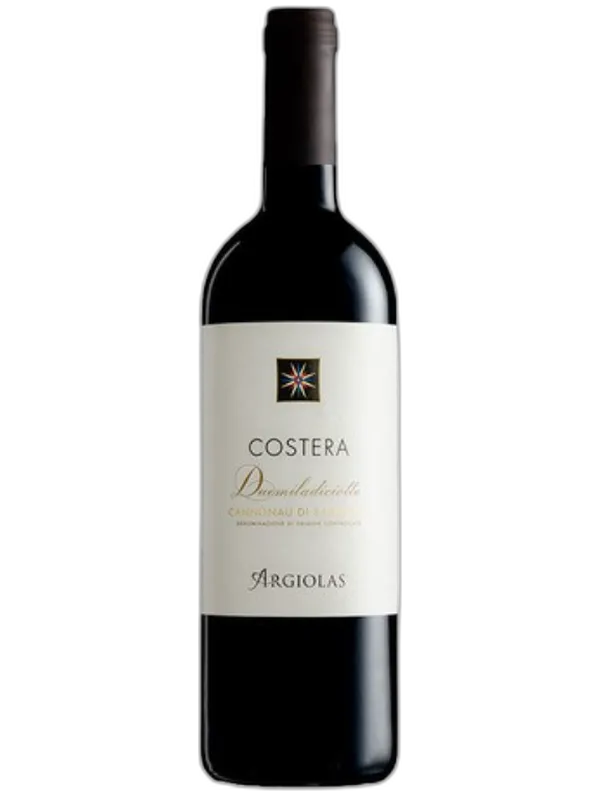
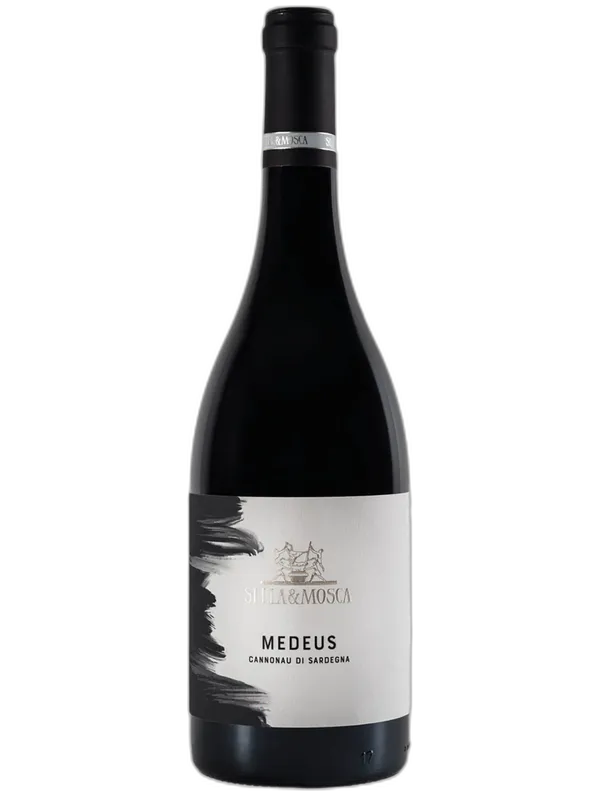
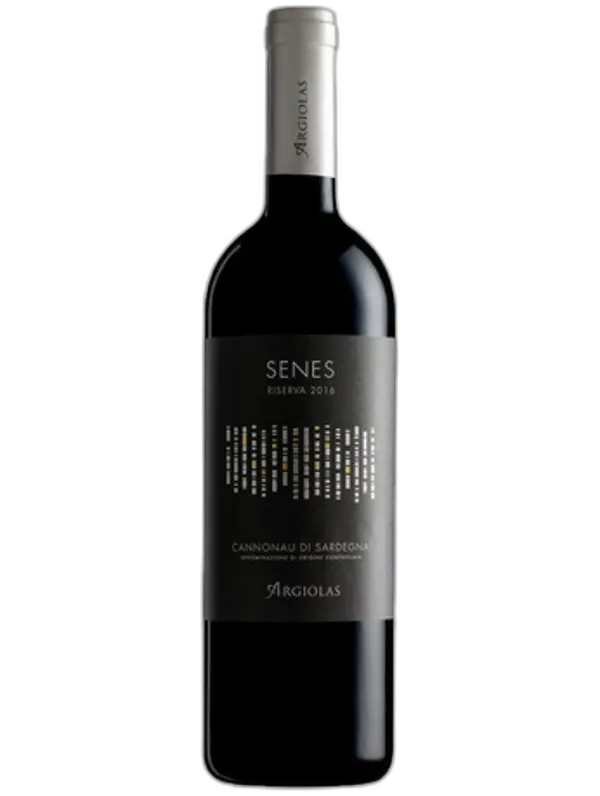
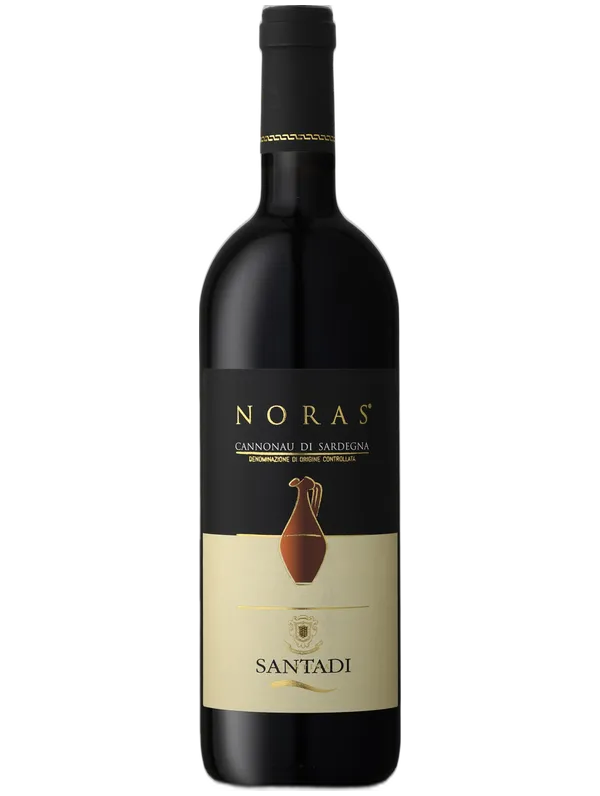
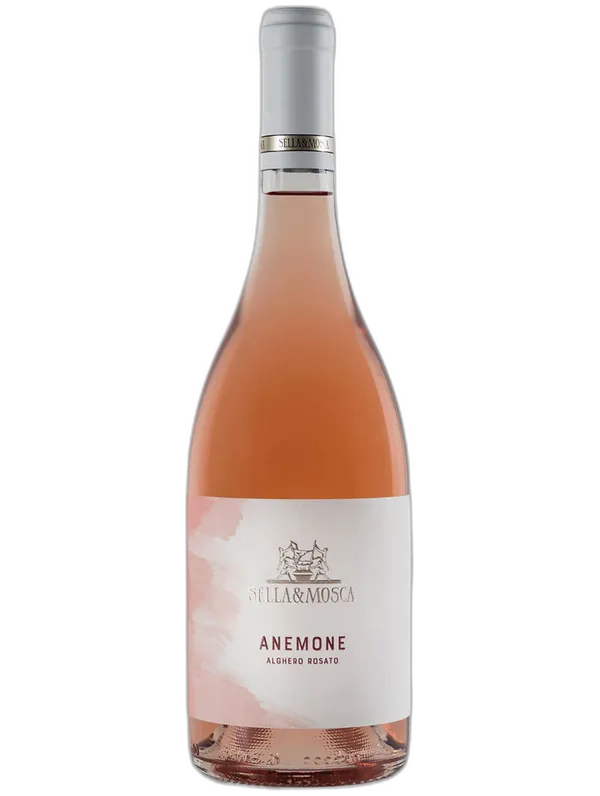
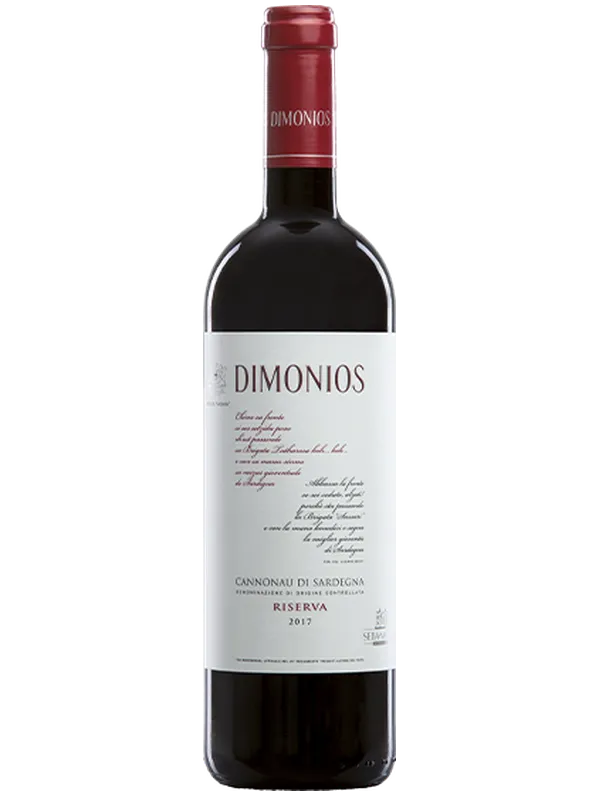
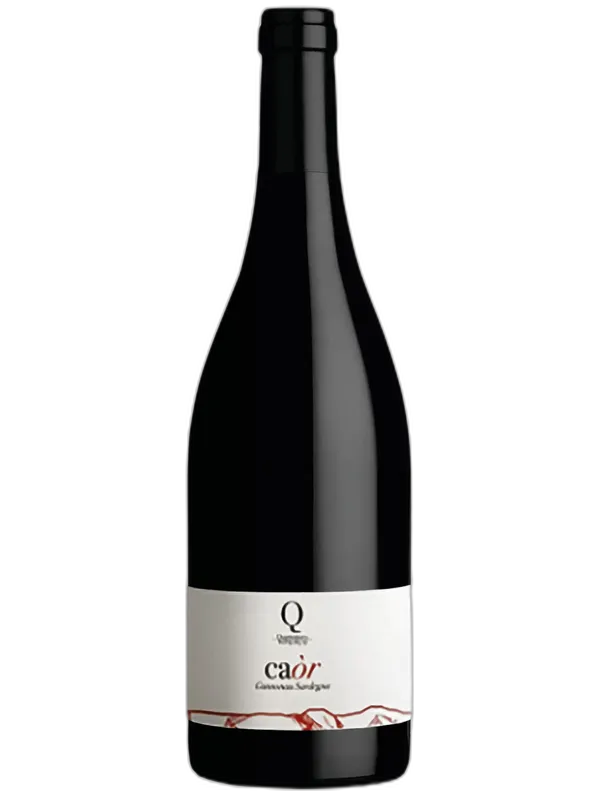
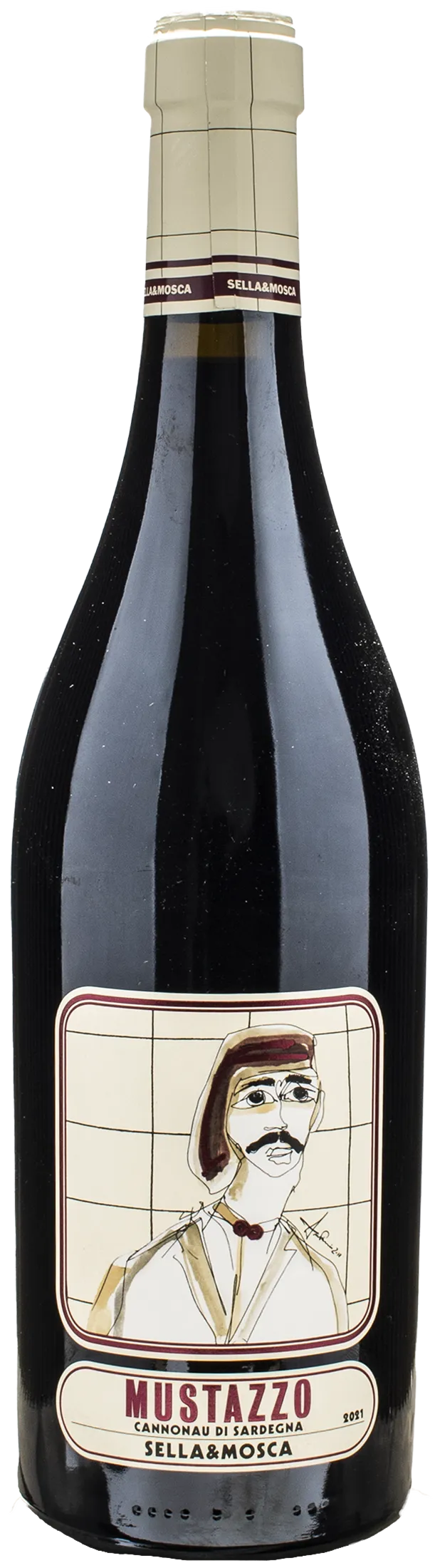
Malloreddus alla Campidanese is the Sardinian gnocchetti with sausage-and-saffron ragù. The pasta is made with semolina and saffron; the sauce is slow-cooked pork sausage and grated pecorino sardo. Cannonau di Sardegna DOC, the local Grenache, carries the sausage weight; Monica di Sardegna DOC is the lighter option for warmer months.
Perfect grape varieties
Also worth trying
Appellations to explore
Orecchiette con cime di rapa
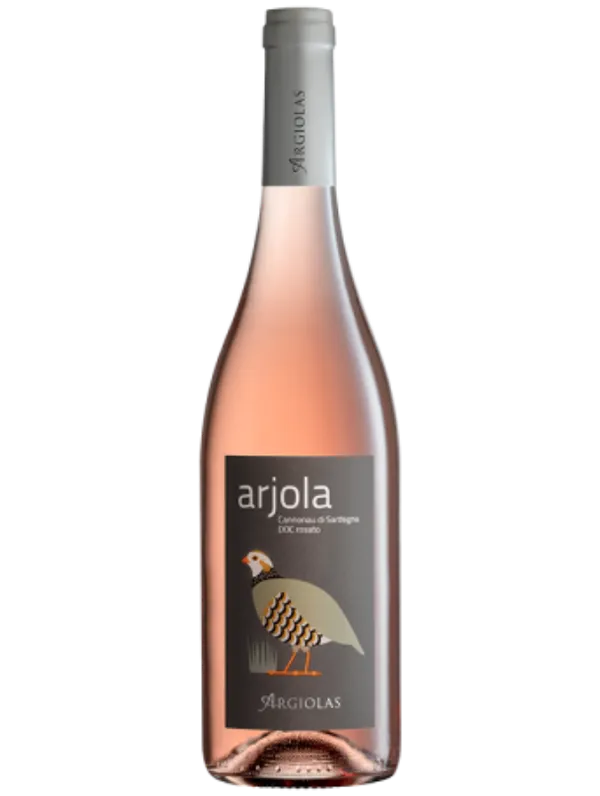
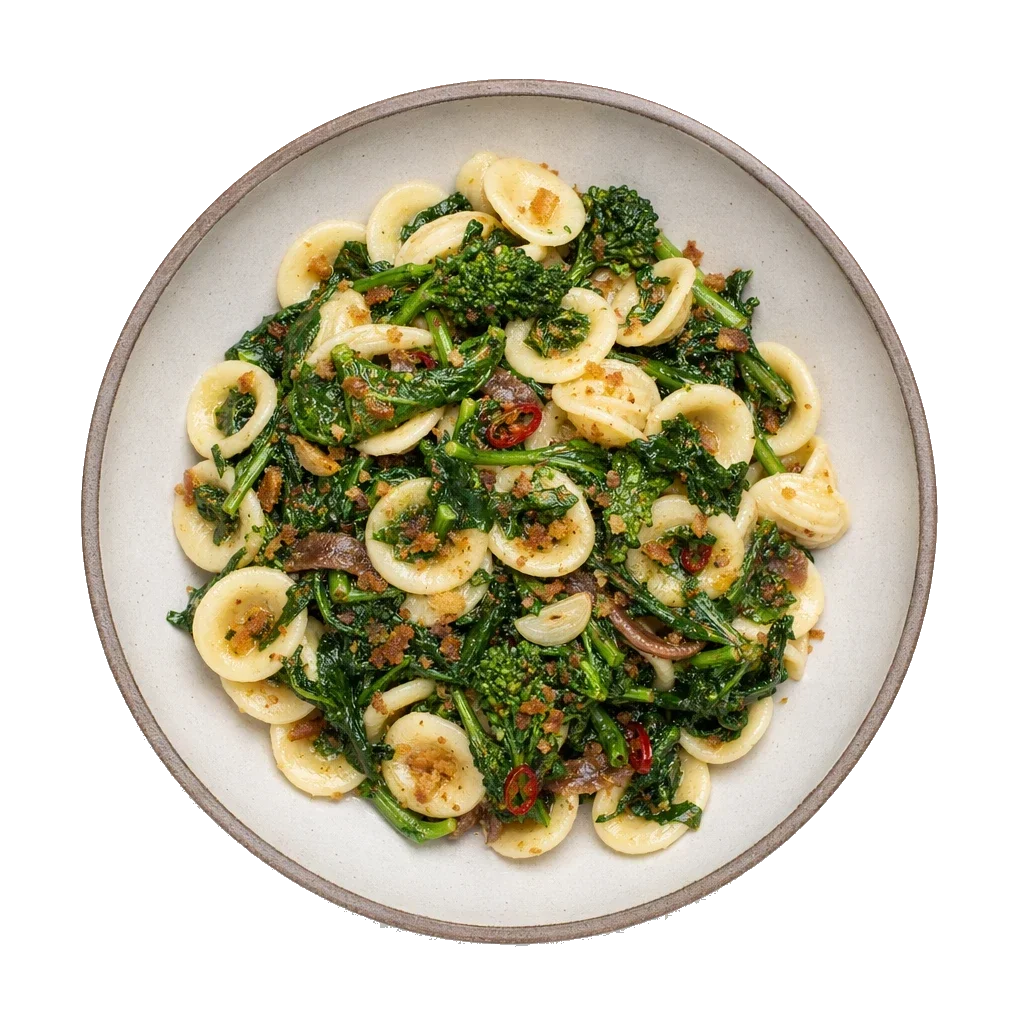
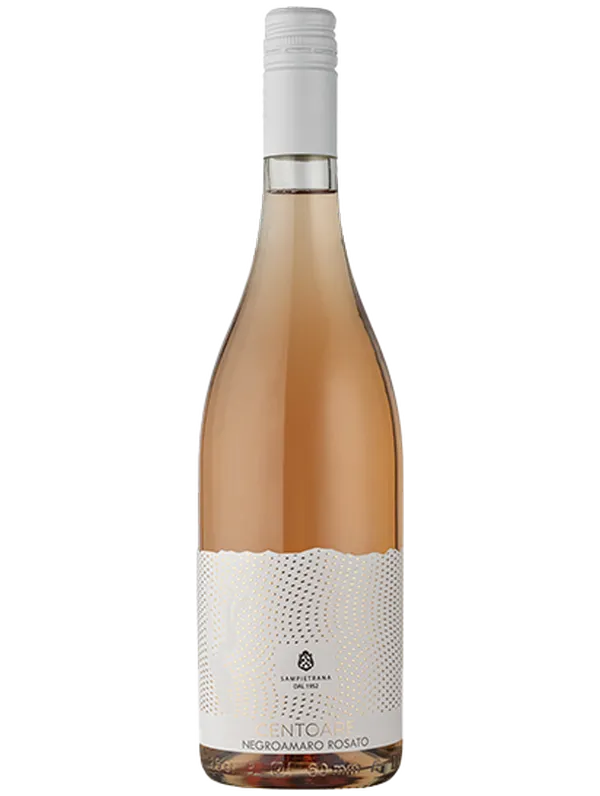
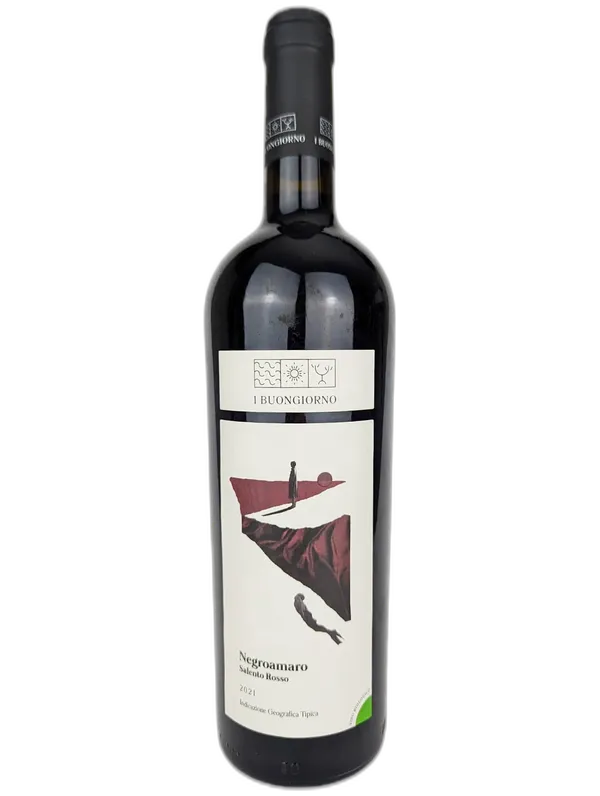
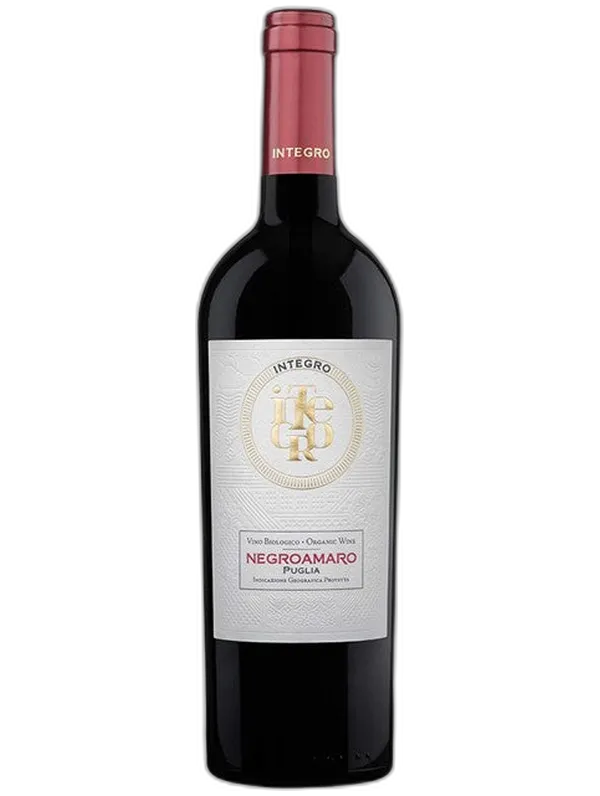
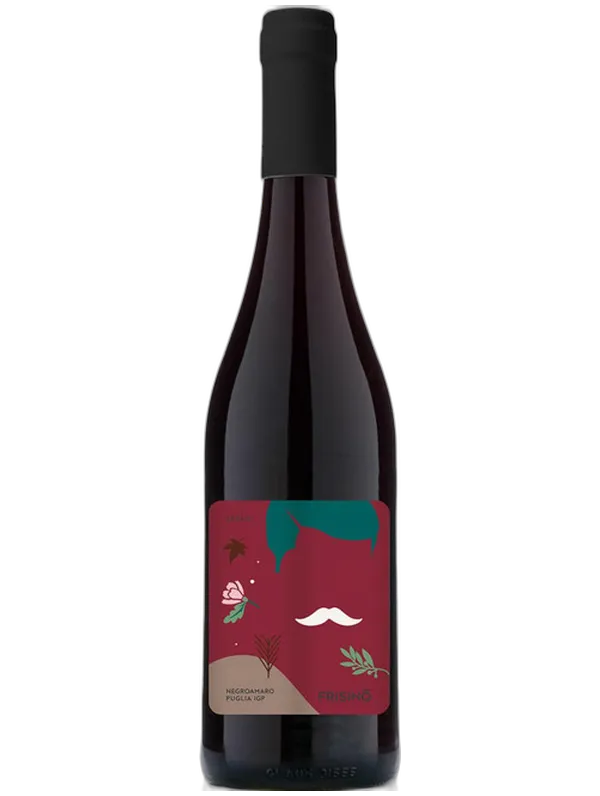
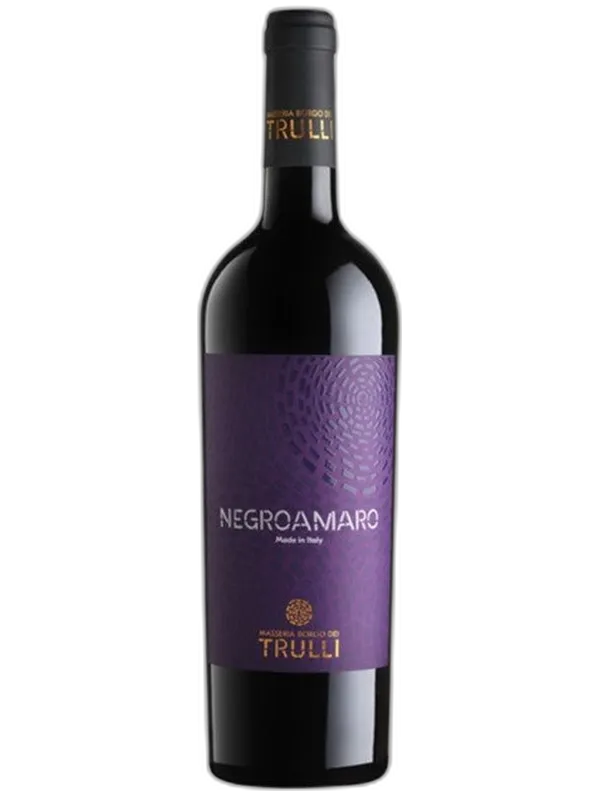
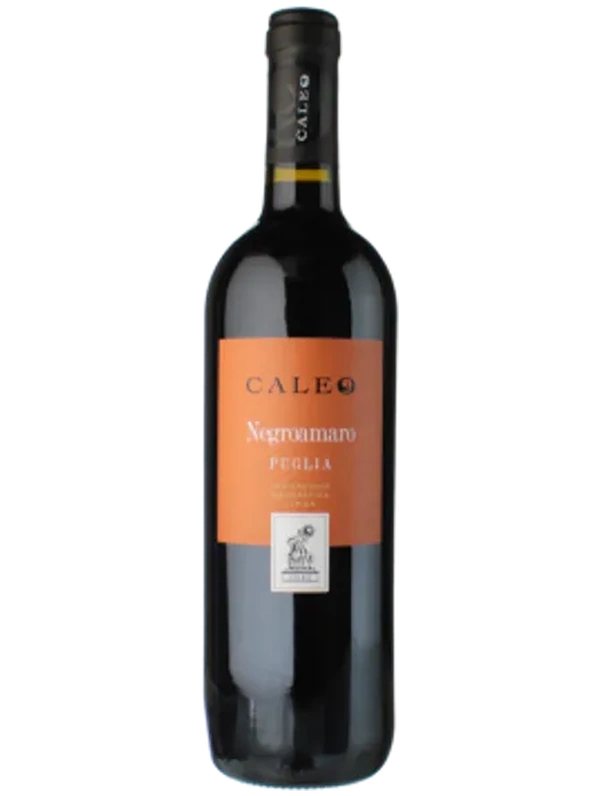
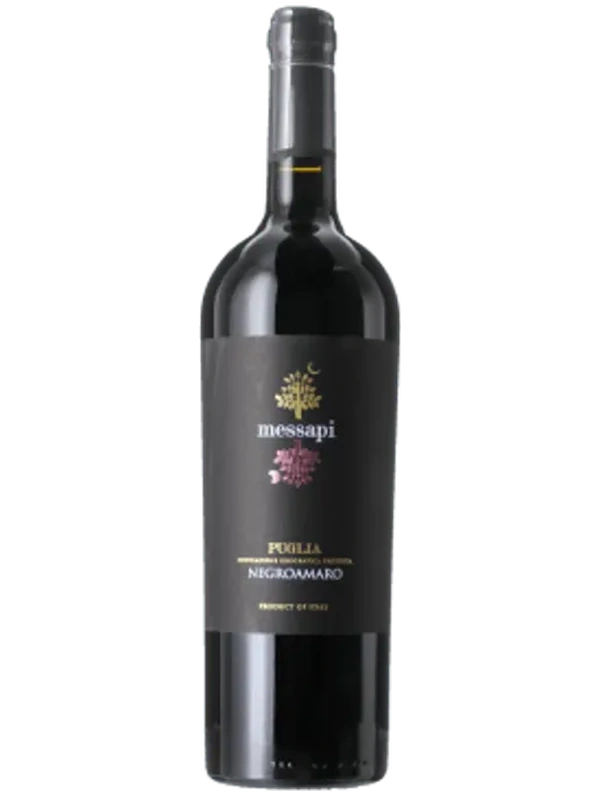
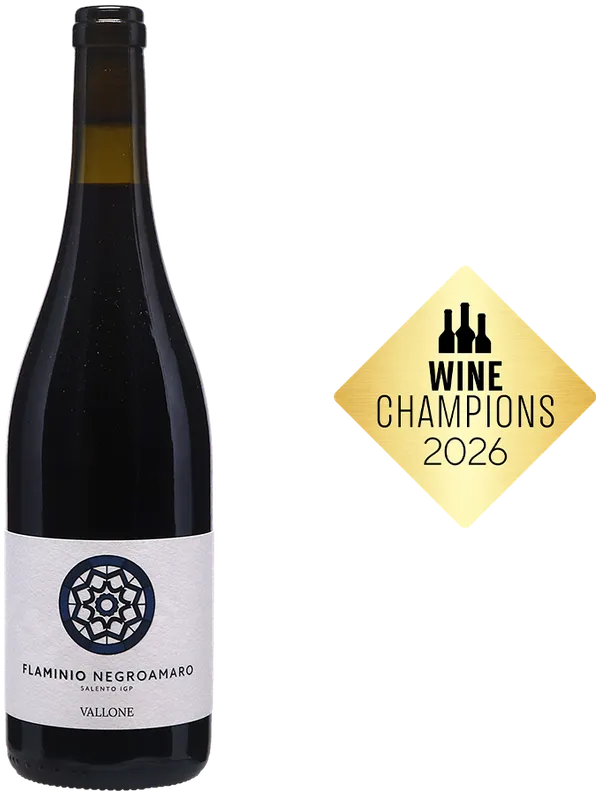
Orecchiette con Cime di Rapa is the Pugliese Sunday standard, hand-shaped orecchiette with bitter broccoli rabe, anchovy, garlic and chilli. Bari and the Salento both claim the technique; both use the same ingredients. Negroamaro rosato from Salento DOC mirrors the bitter greens; Verdeca from Locorotondo DOC works for lighter preparations.
Perfect grape varieties
Also worth trying
Appellations to explore
Ossobuco alla Milanese
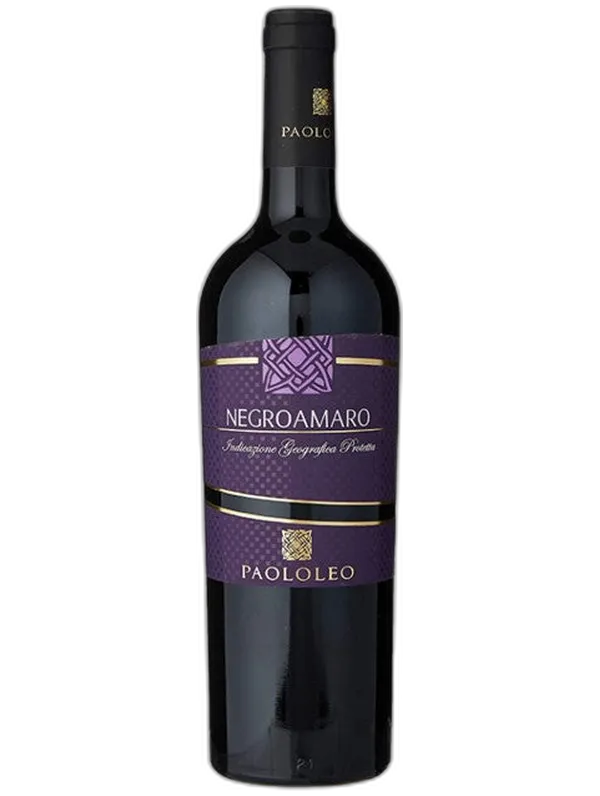
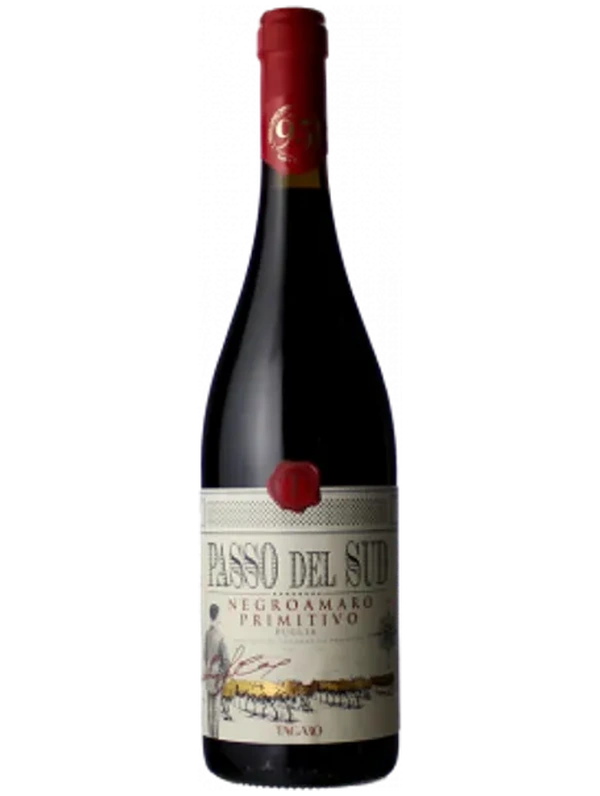
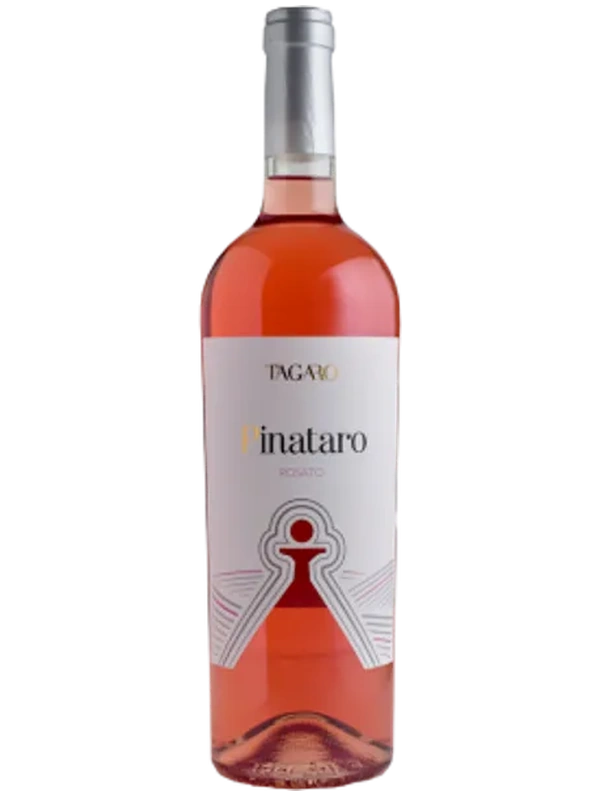
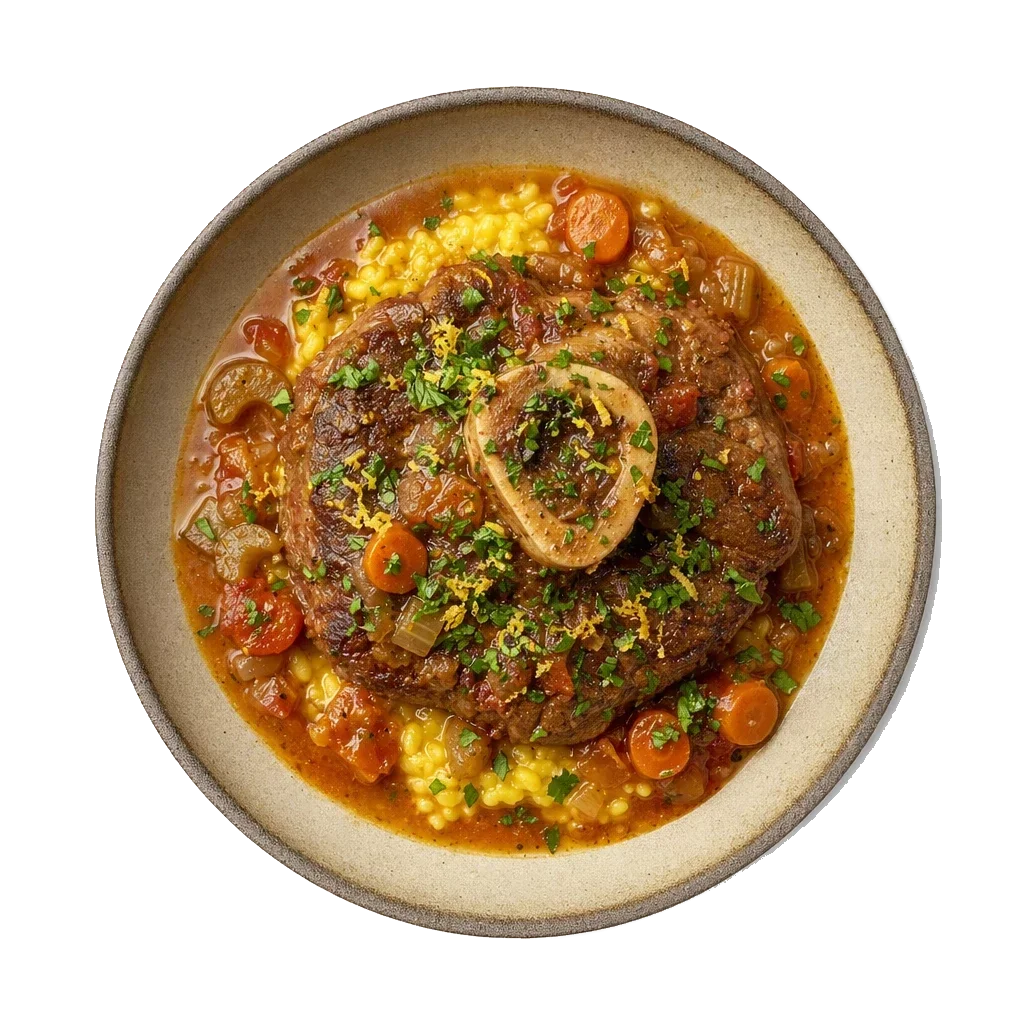
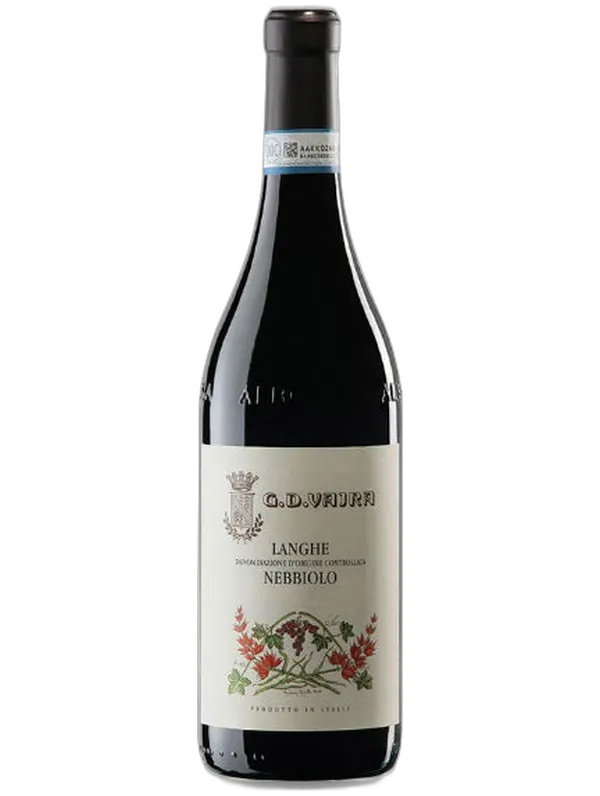
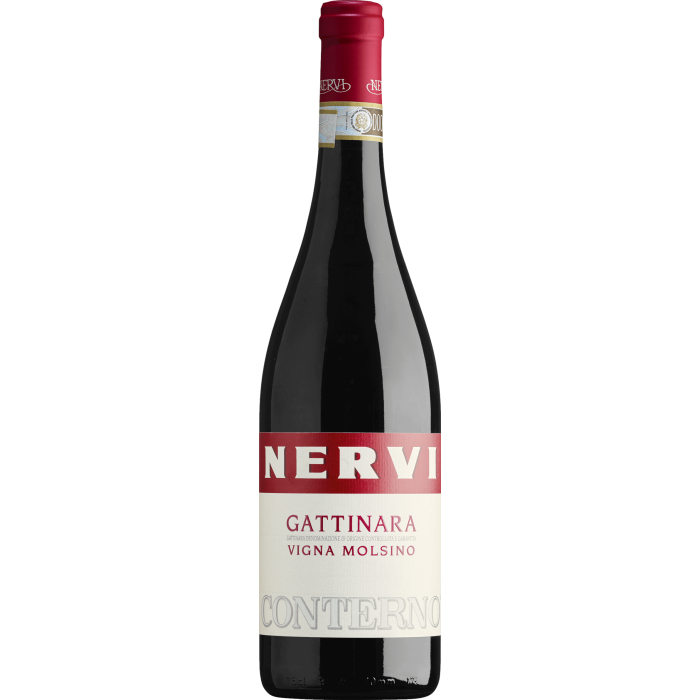
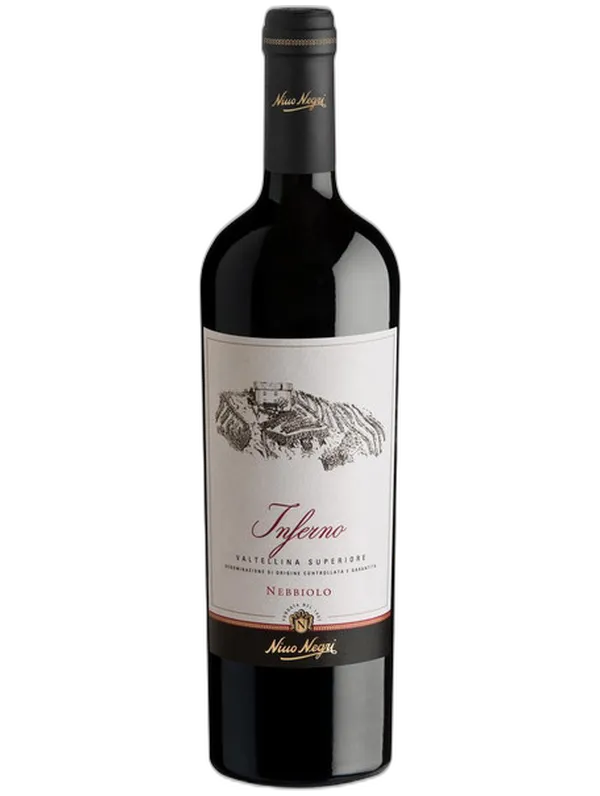
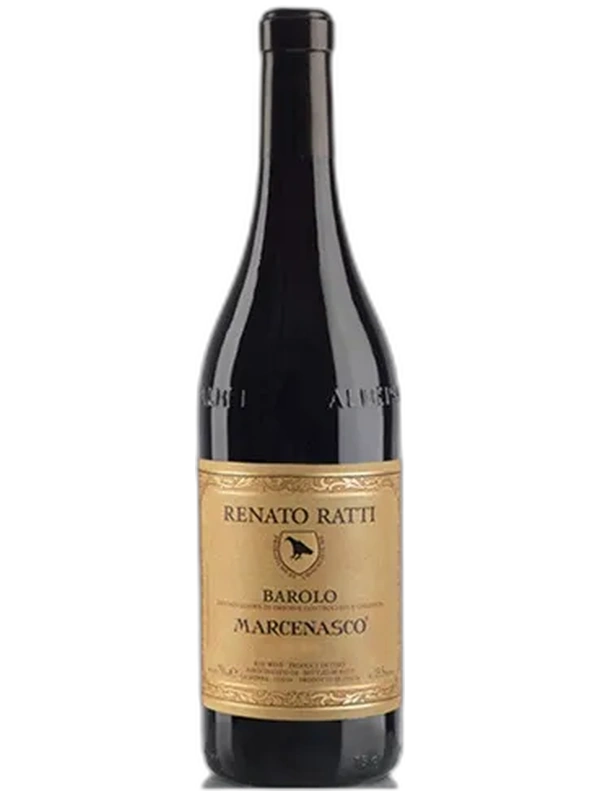
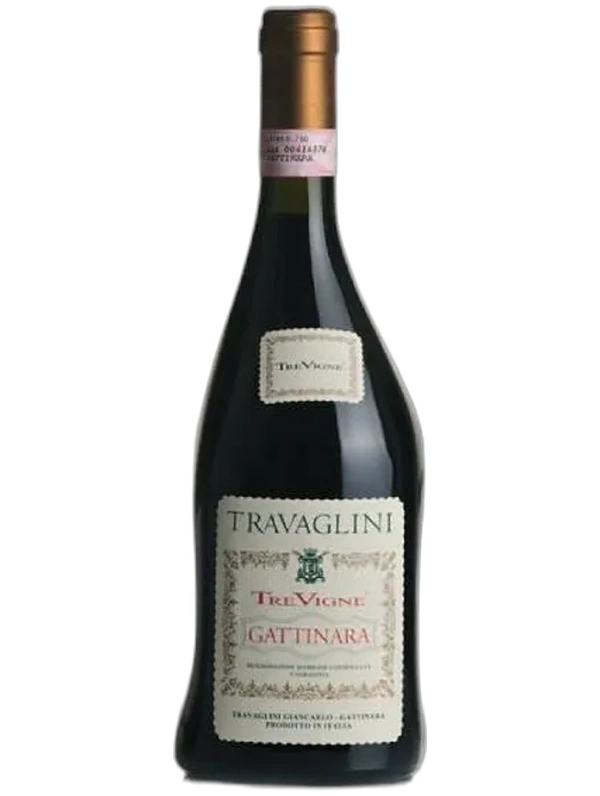
Ossobuco alla Milanese is the cross-cut veal shank braised until the marrow gives, finished with a raw gremolata of parsley, lemon zest and garlic. The risotto alla Milanese is the rice course served alongside, not underneath. Gattinara DOCG or a Valtellina Superiore DOCG, both Nebbiolo, bring the tannin structure the collagen asks for; Barbera d'Asti is the lighter weekday alternative.
Perfect grape varieties
Also worth trying
Appellations to explore
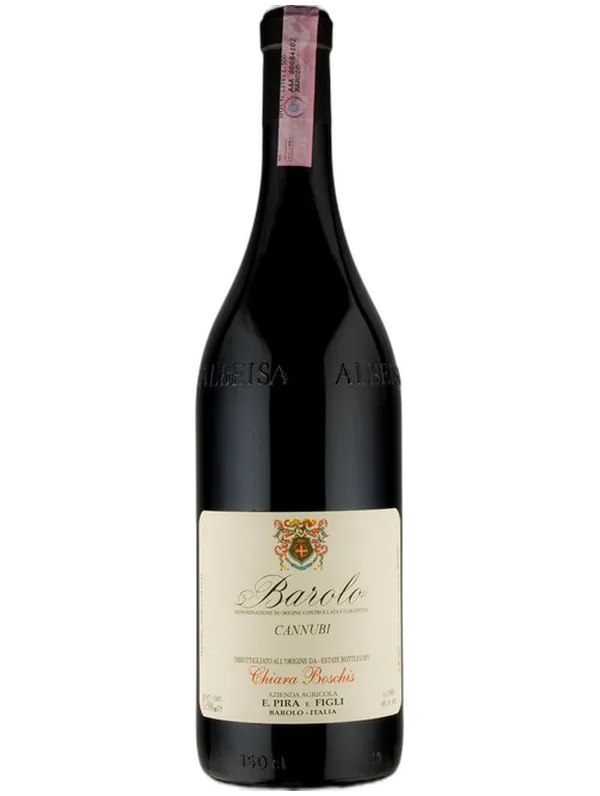
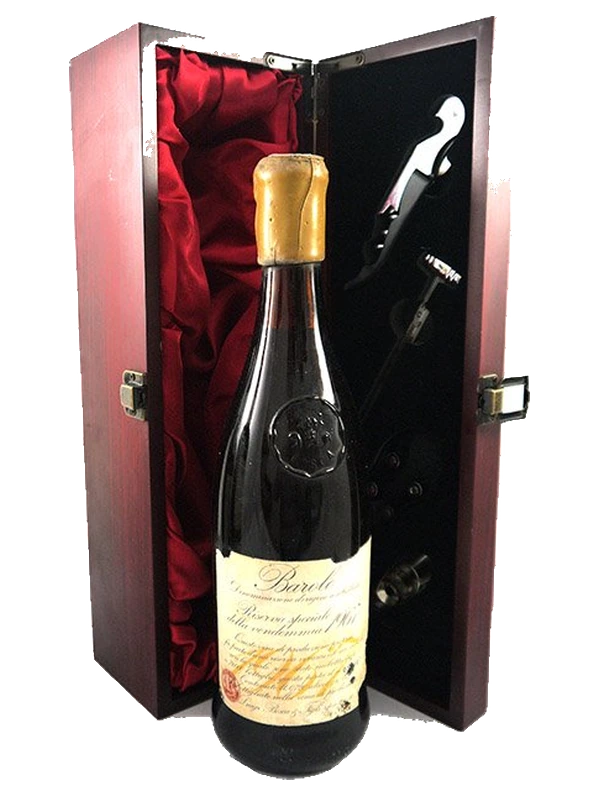
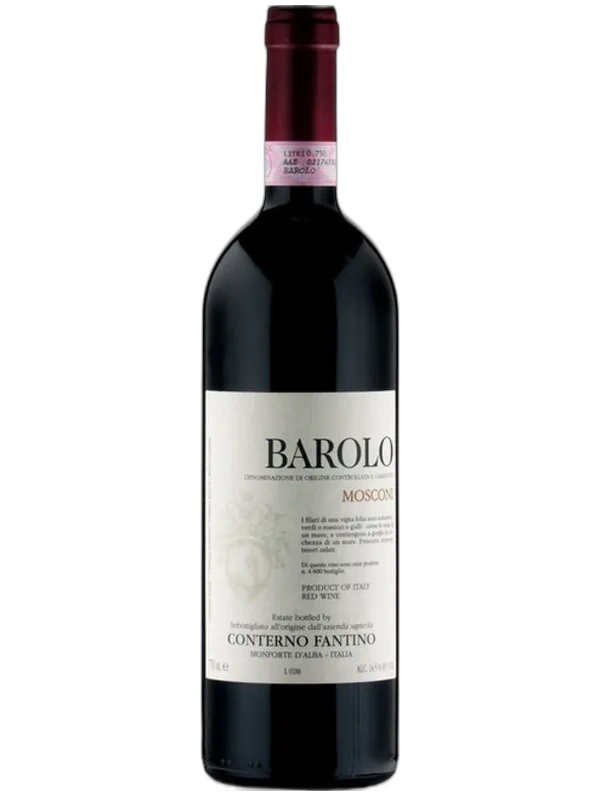
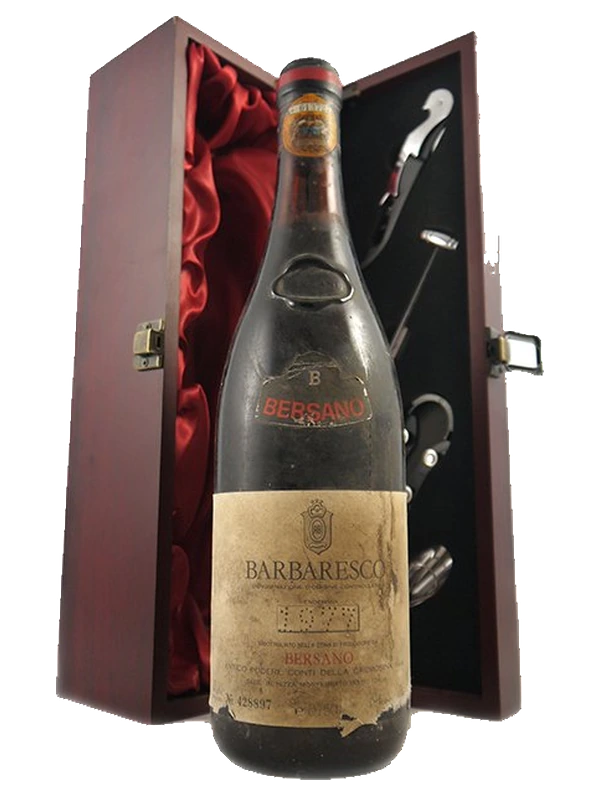
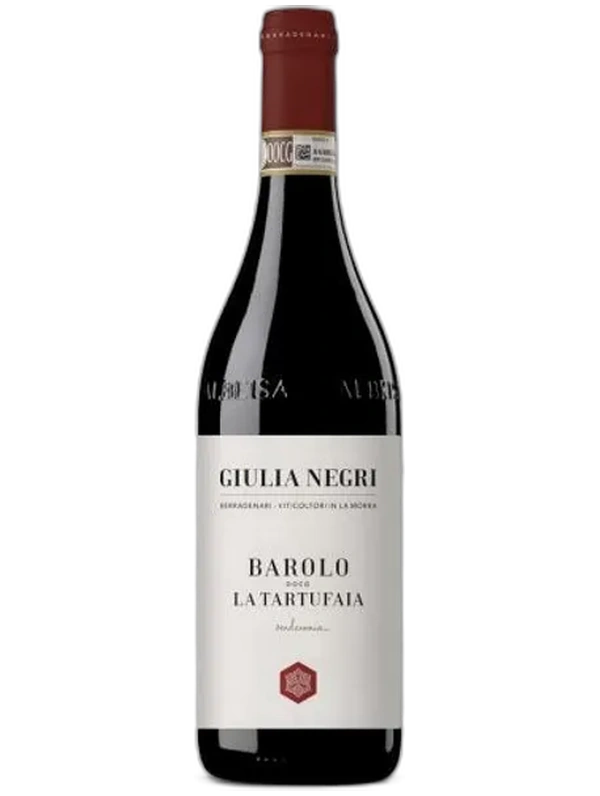
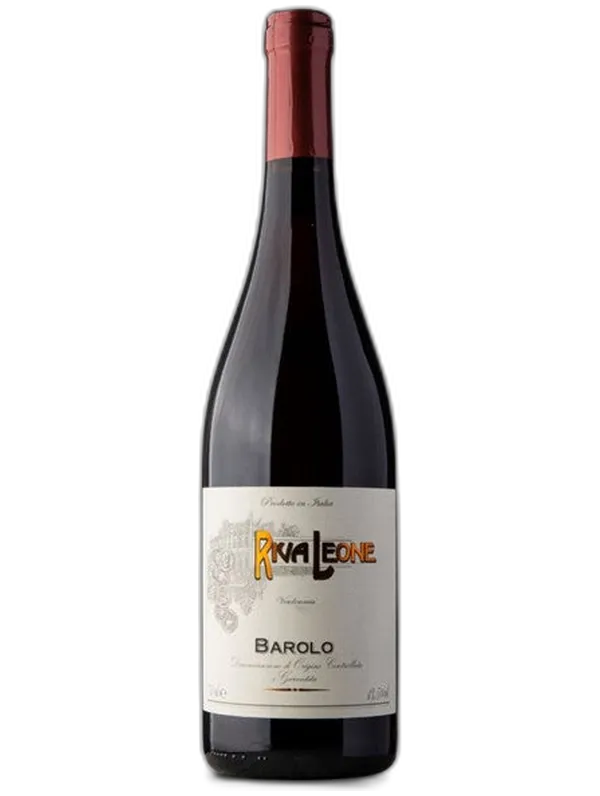
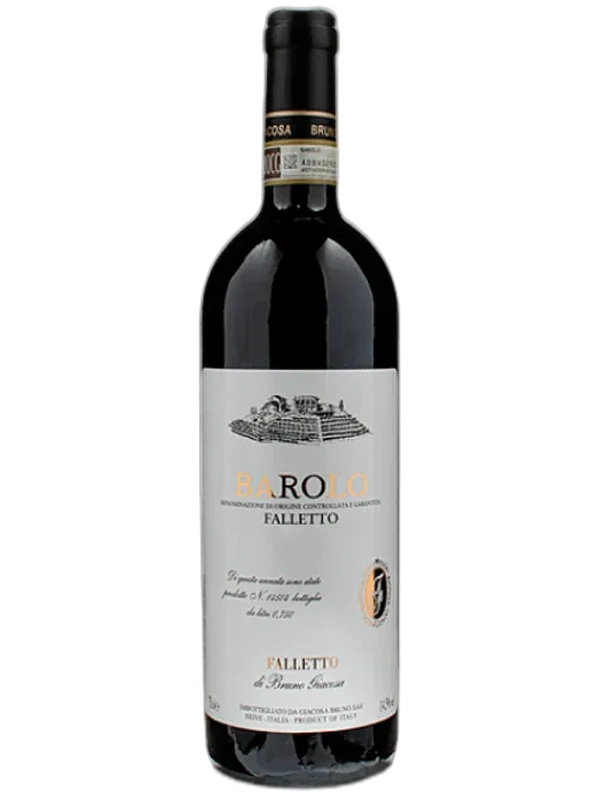
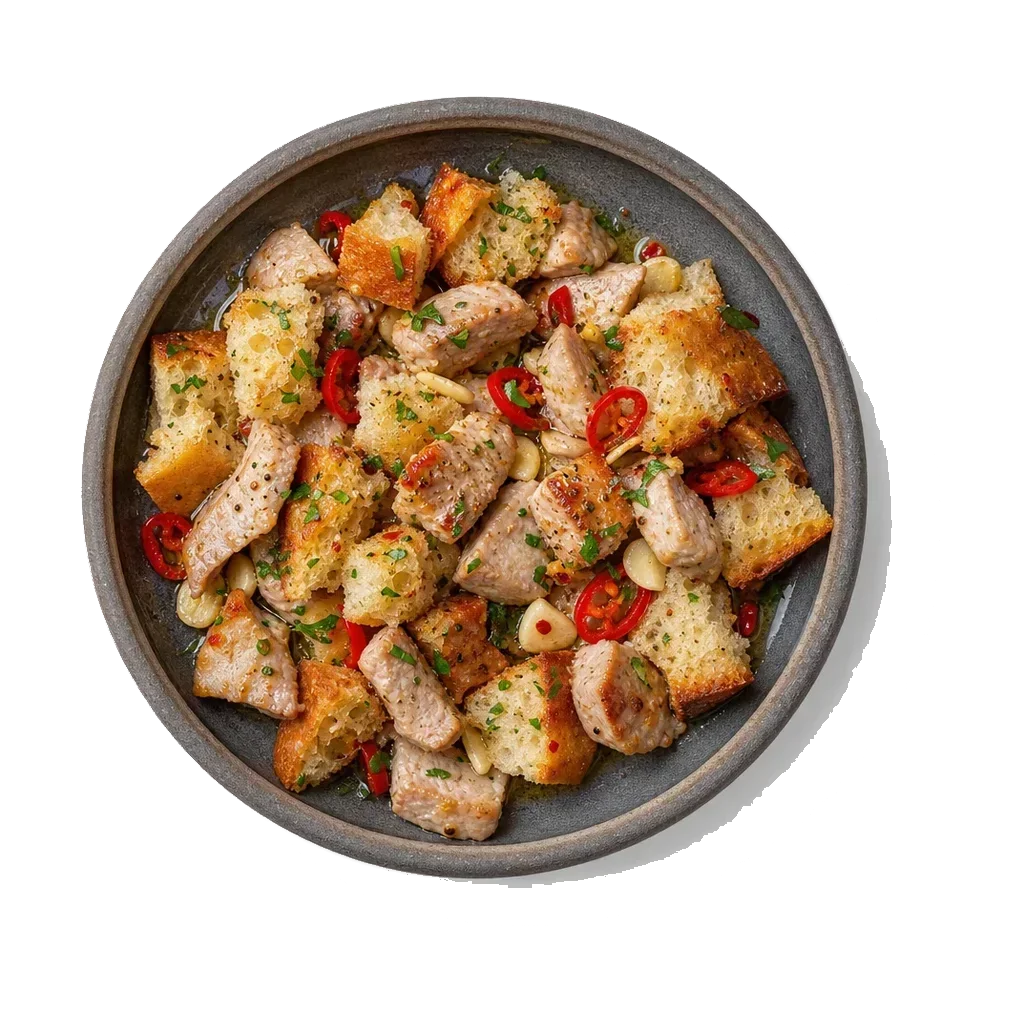
Pampanella (Pampanella di San Martino in Pensilis)
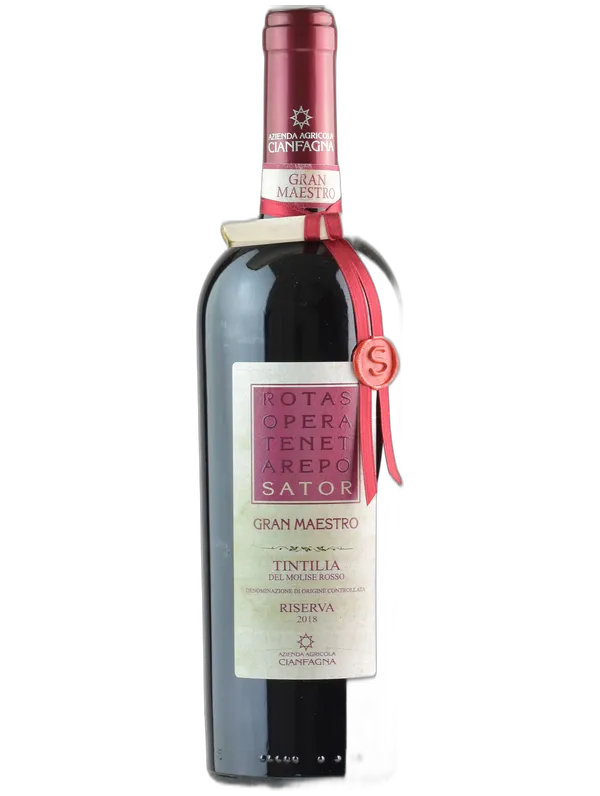
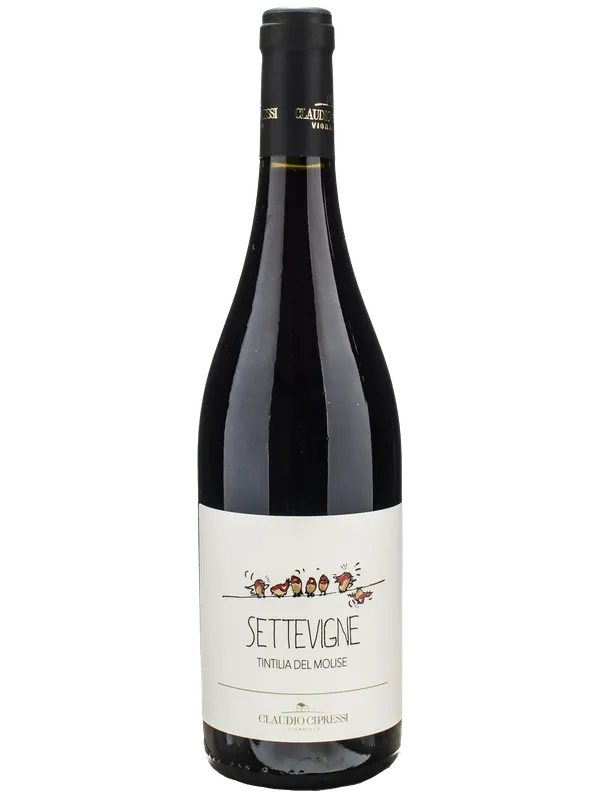
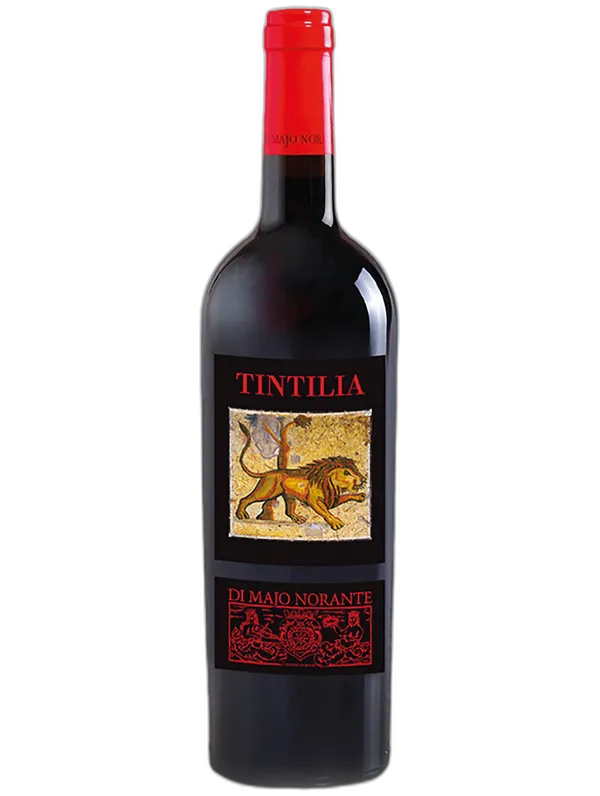
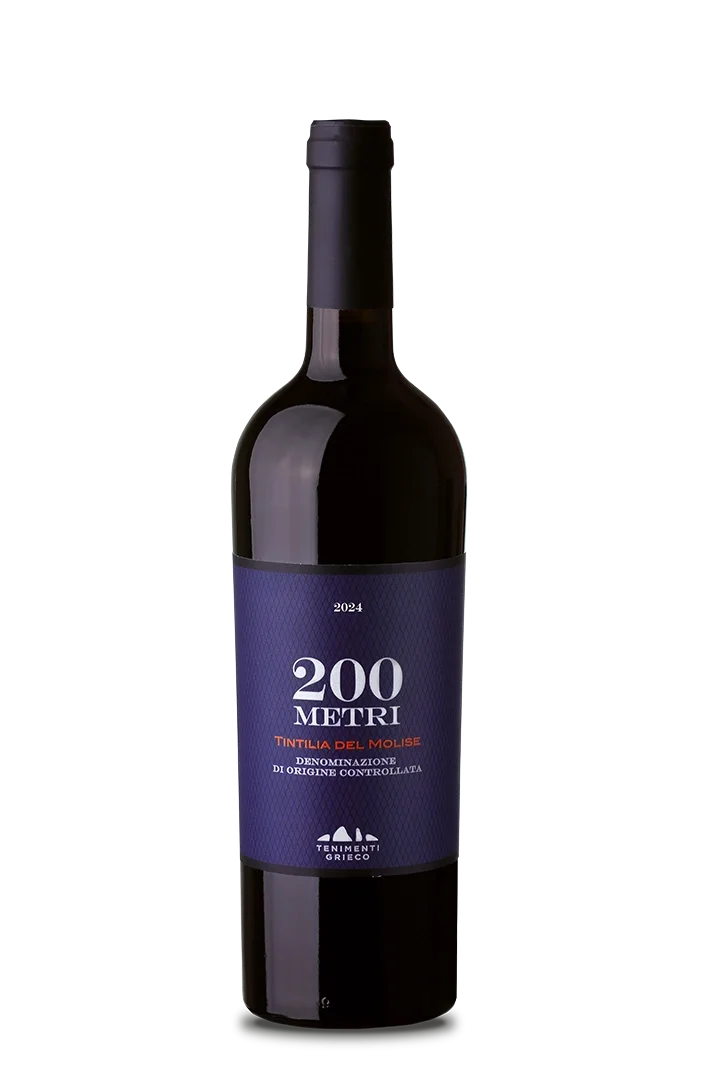
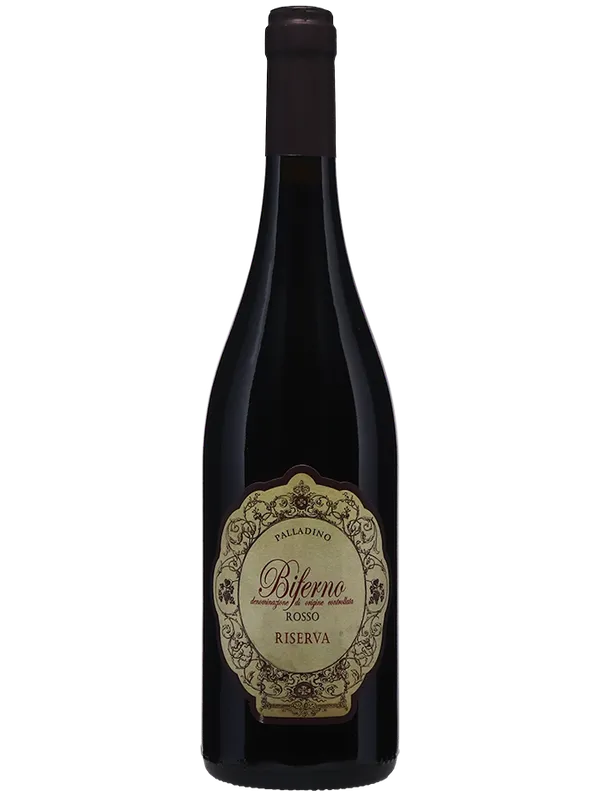
Pork ribs and shoulder marinated in sweet paprika, peperoncino, garlic and white wine vinegar, then slow-roasted until crusted. The signature street-food of Bassa Molise, especially around San Martino in Pensilis. Pairs with Tintilia del Molise DOC or a chilled Biferno Rosato.
Perfect grape varieties
Also worth trying
Appellations to explore
Pane Cotto
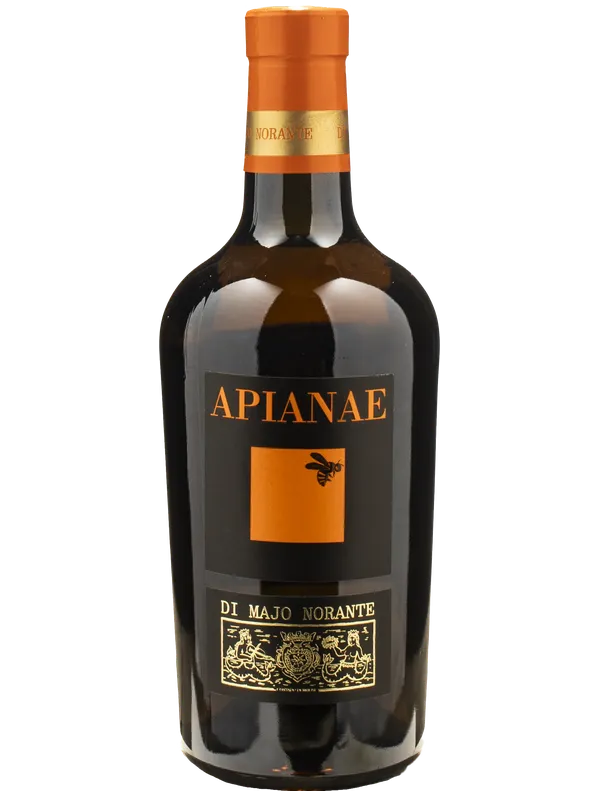
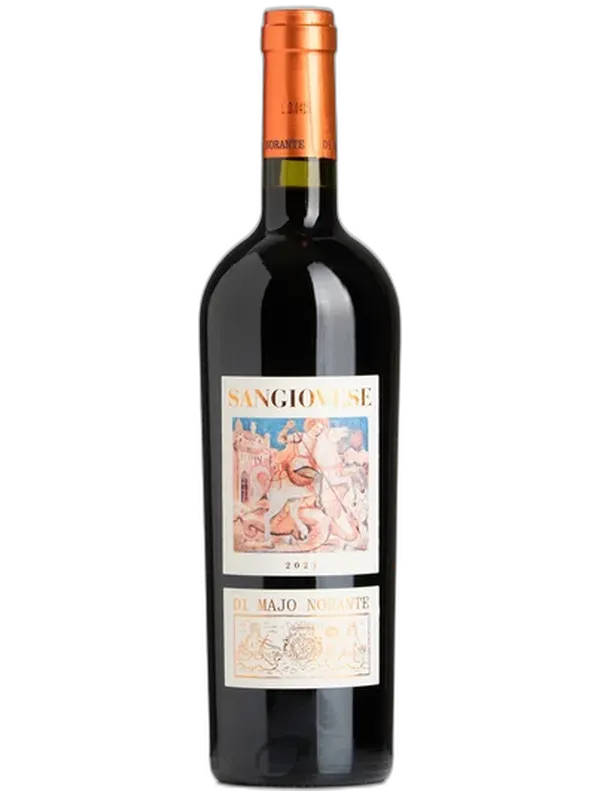
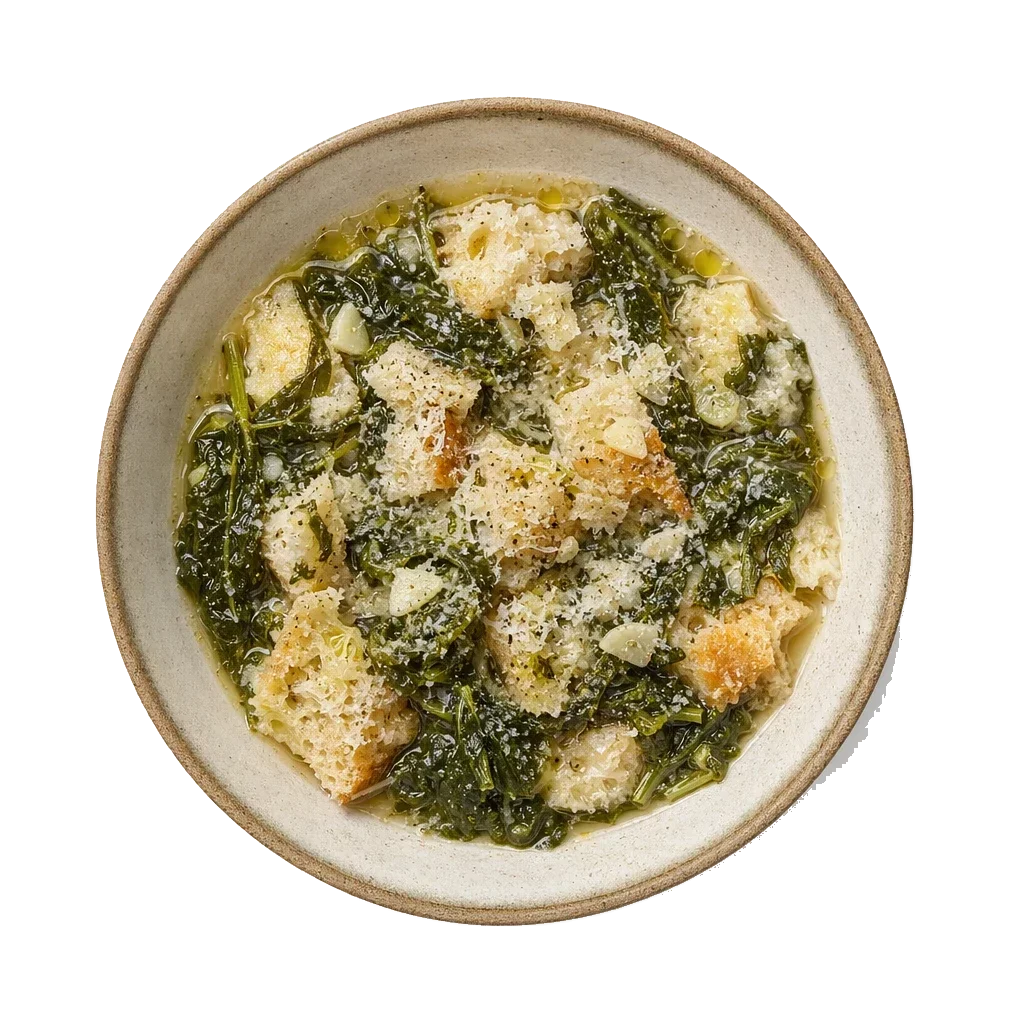
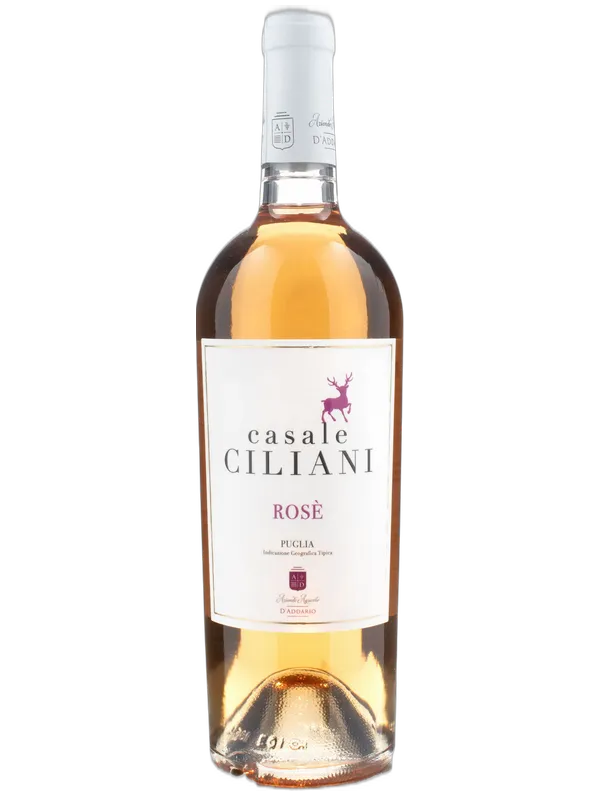
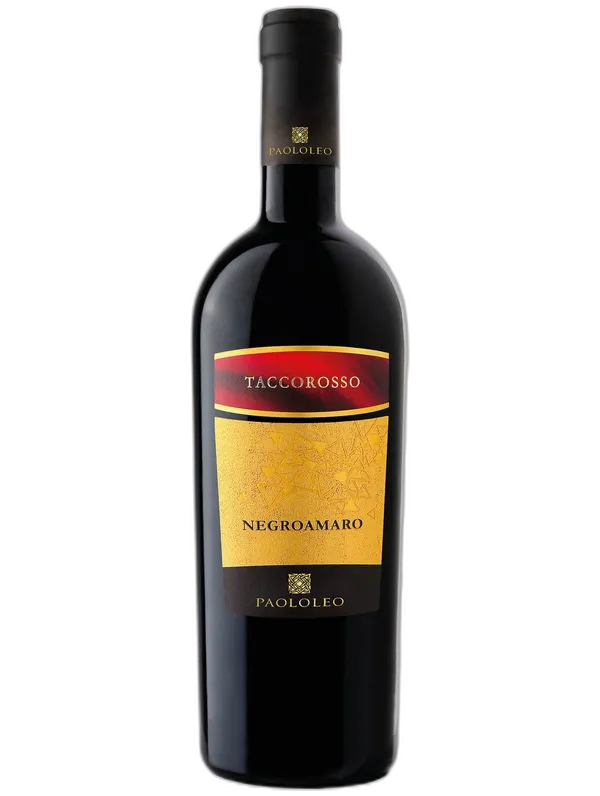
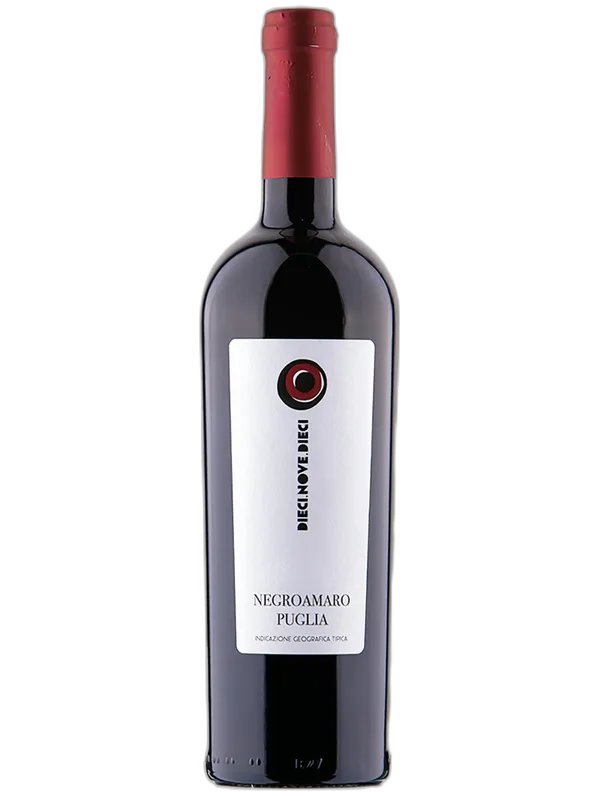
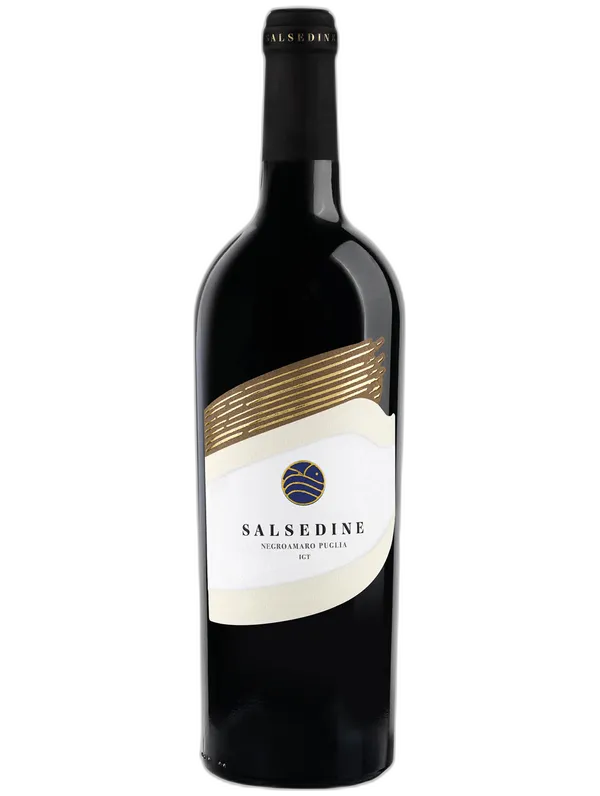
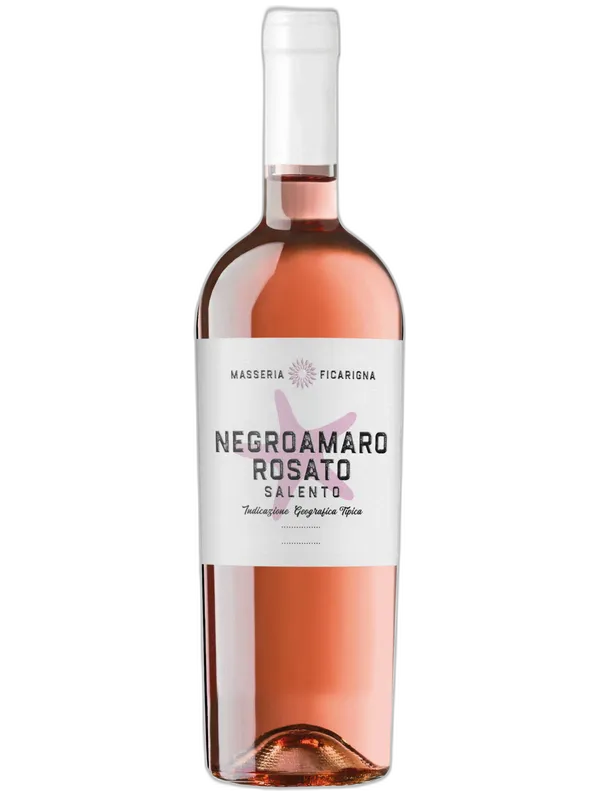
Pane Cotto is a Pugliese survival dish, dry bread revived in vegetable broth with olive oil and garlic. Traditional Apulian tables bulk it with wild chicory or borage, finishing with grated pecorino and a pinch of chilli. A young Negroamaro rosato or a fresh Locorotondo Bianco DOC from the Murgia carries the oil and broth without overshadowing the bread.
Perfect grape varieties
Also worth trying
Appellations to explore
Panettone
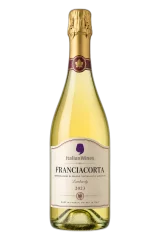
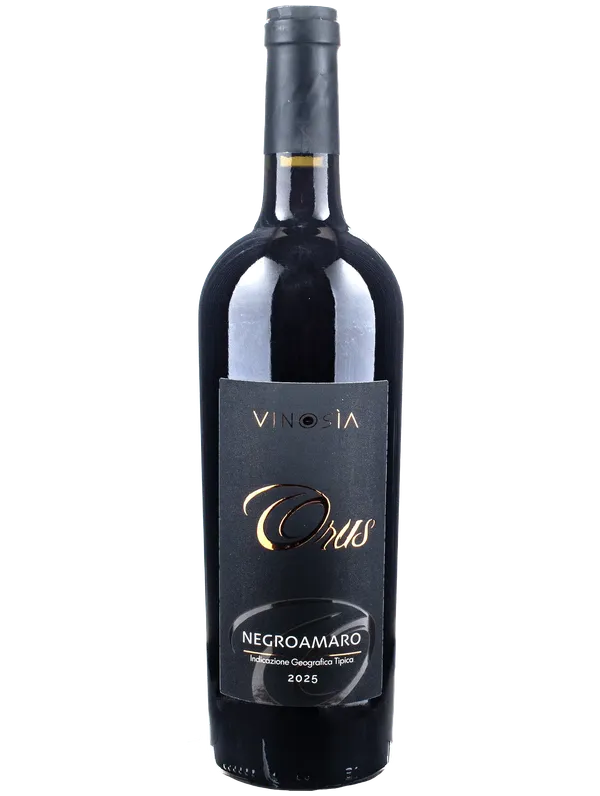
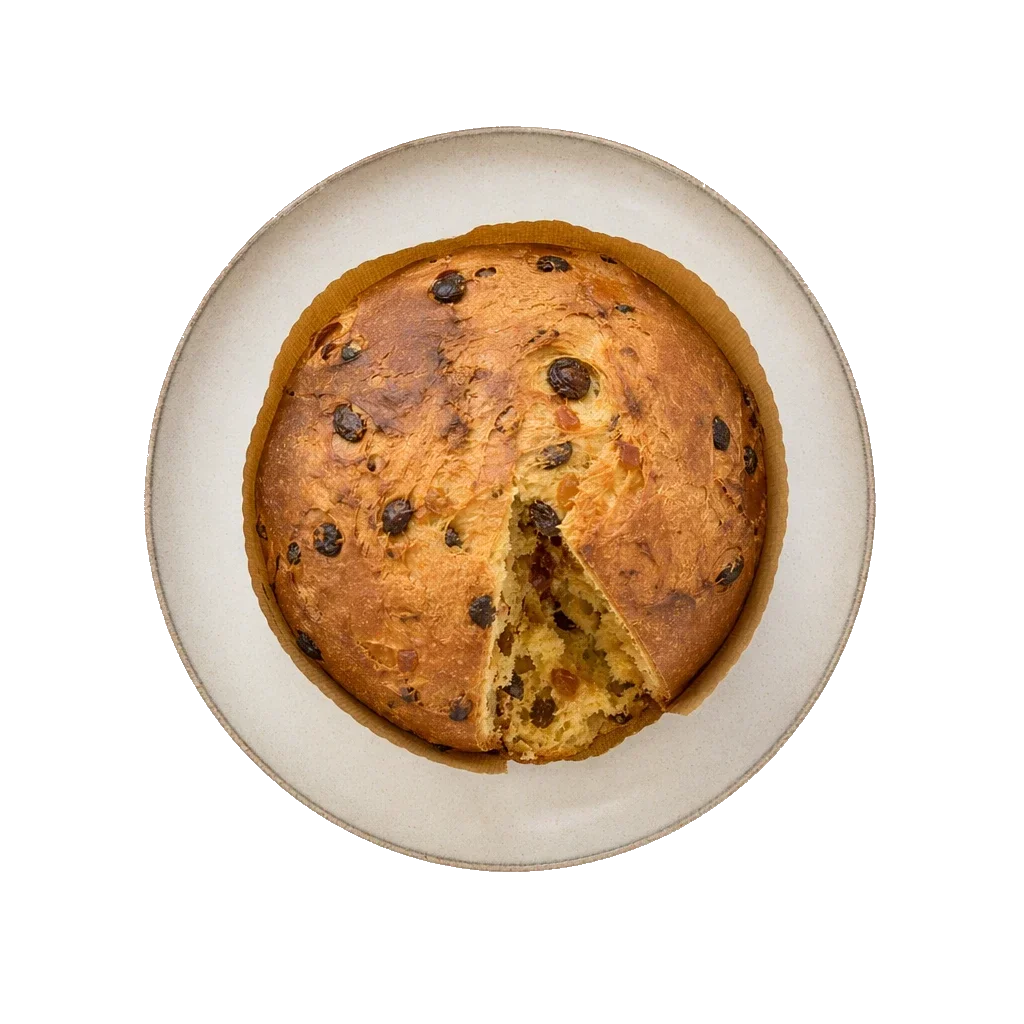
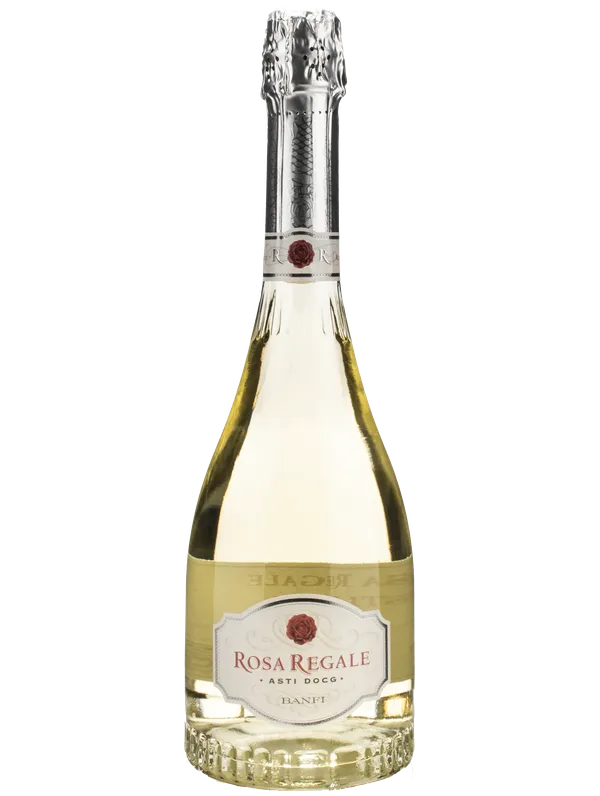
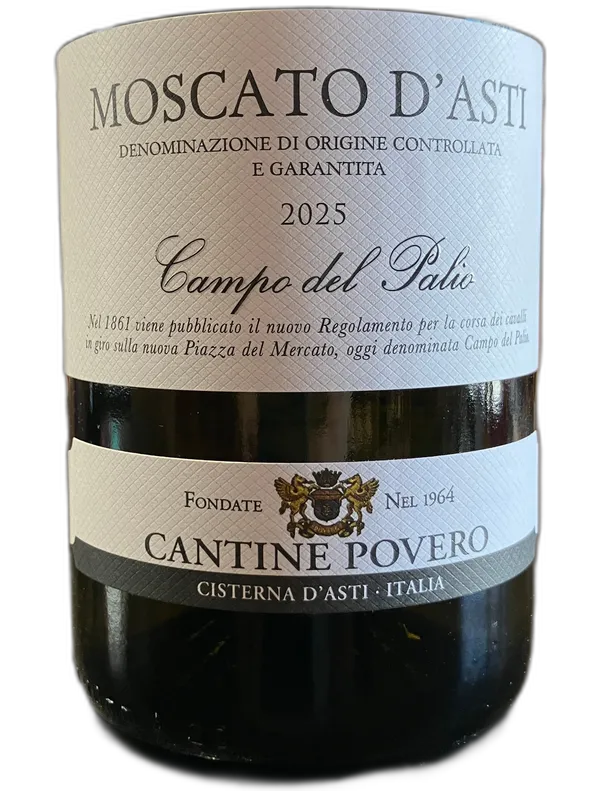
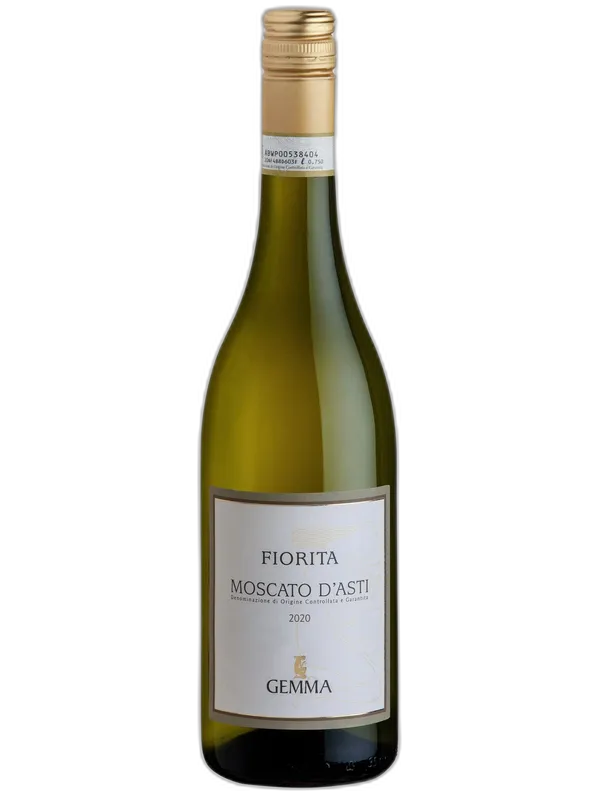
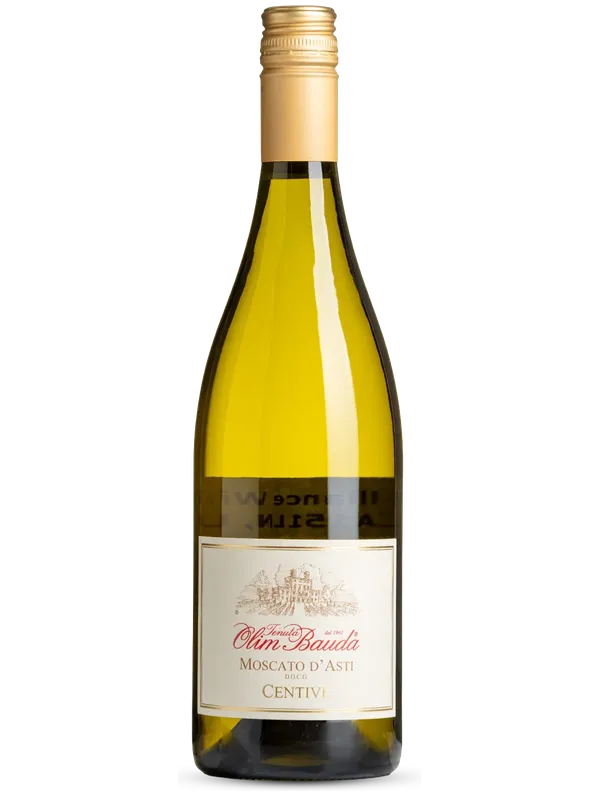
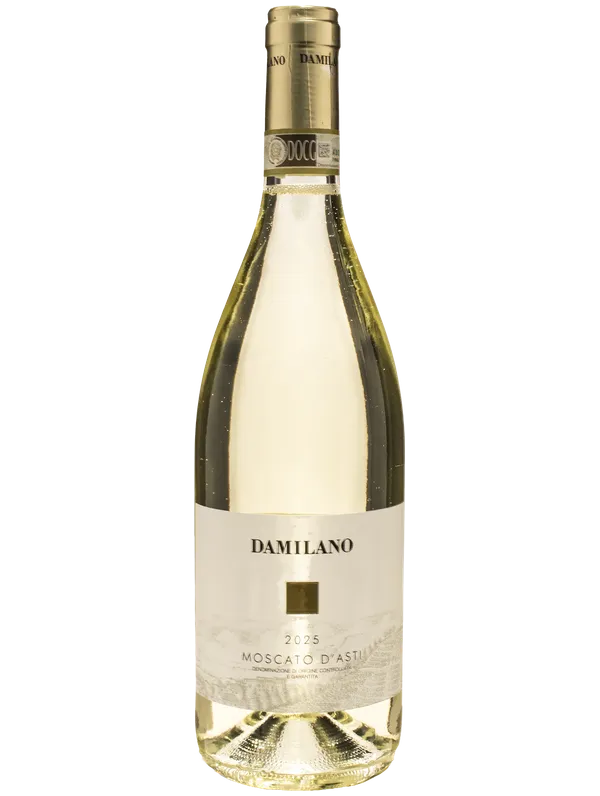
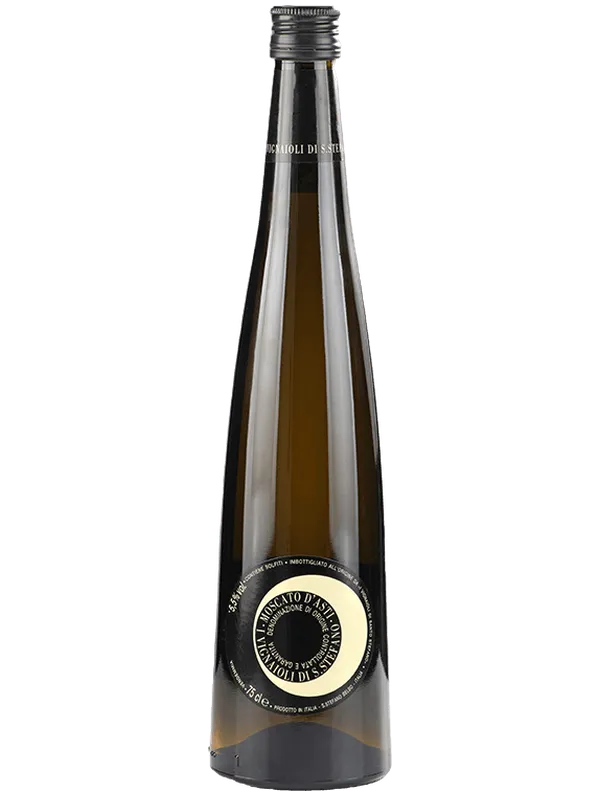
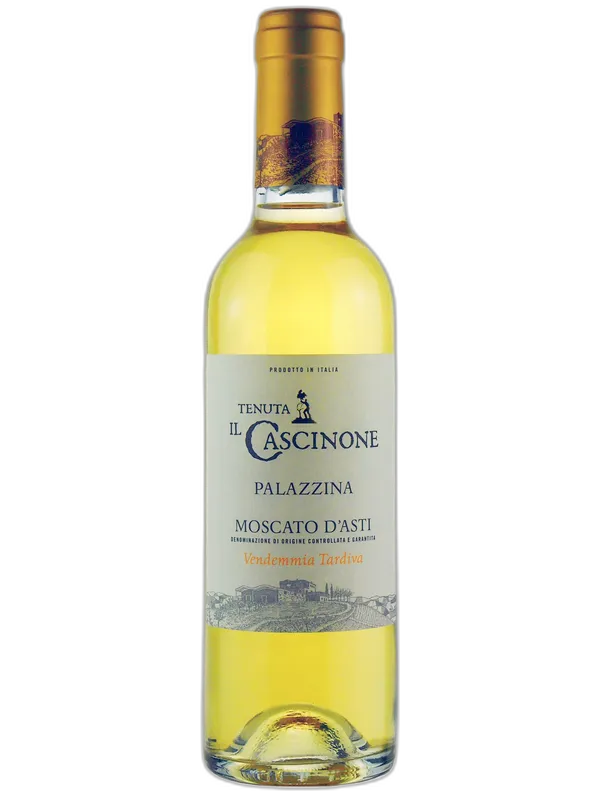
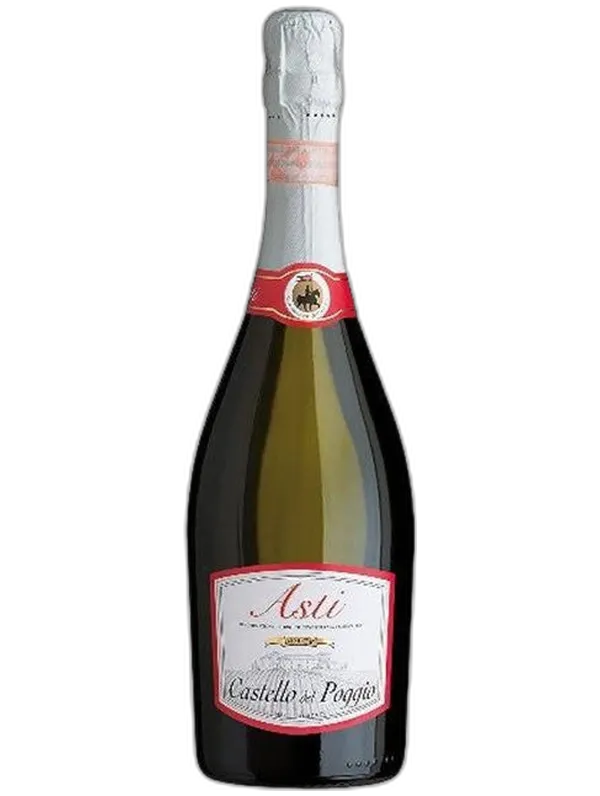
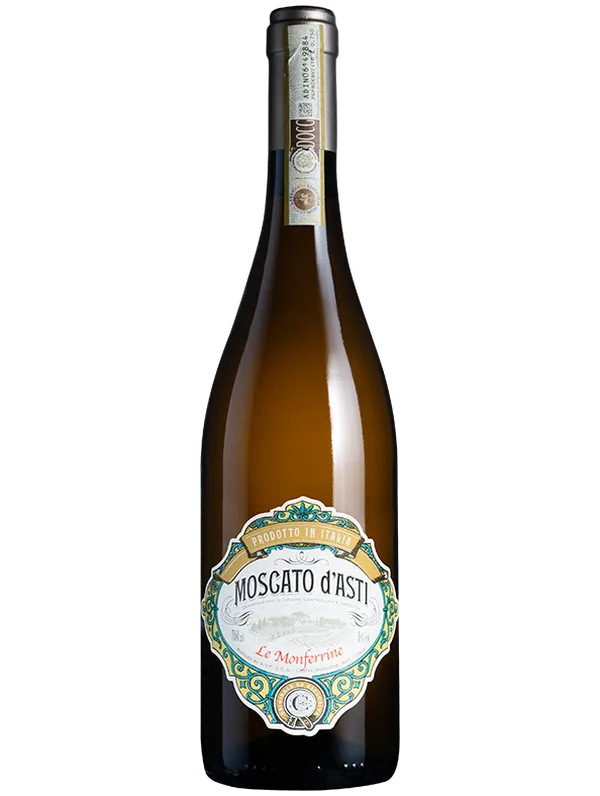
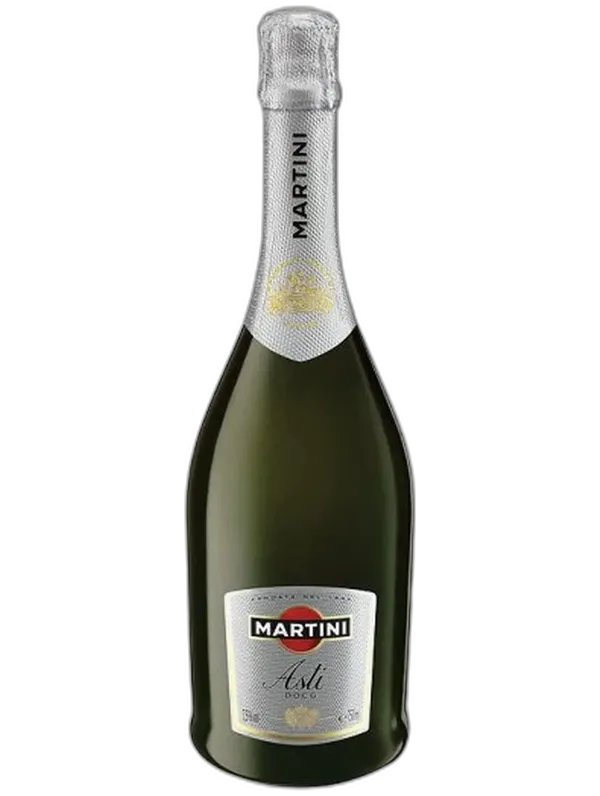
Panettone is Milan's Christmas loaf, a tall dome of slow-leavened brioche packed with candied citrus and raisins, the result of a 36-hour triple-rise lievitazione. Moscato d'Asti DOCG is the Italian Christmas tradition; a chilled Franciacorta Dosaggio Zero or Brachetto d'Acqui DOCG take the modern elegant pair.
Appellations to explore
Pappa al Pomodoro
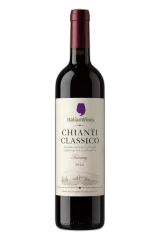
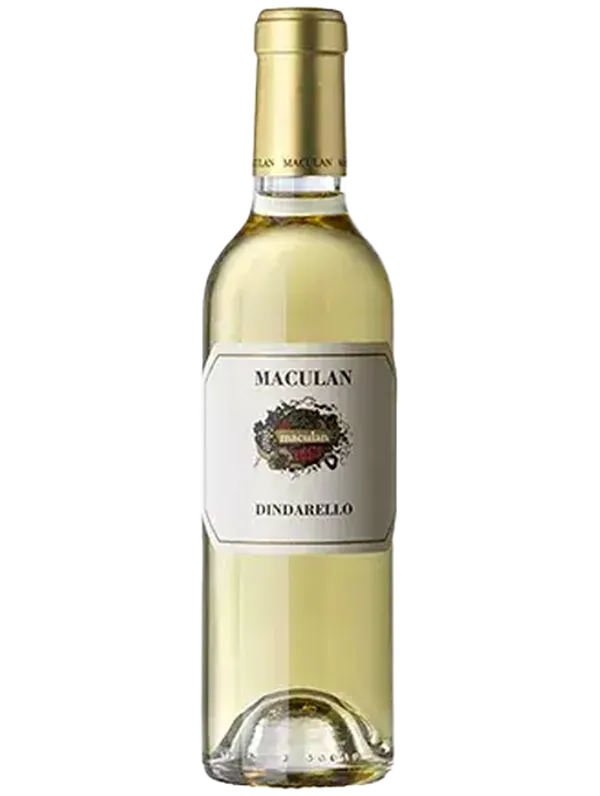
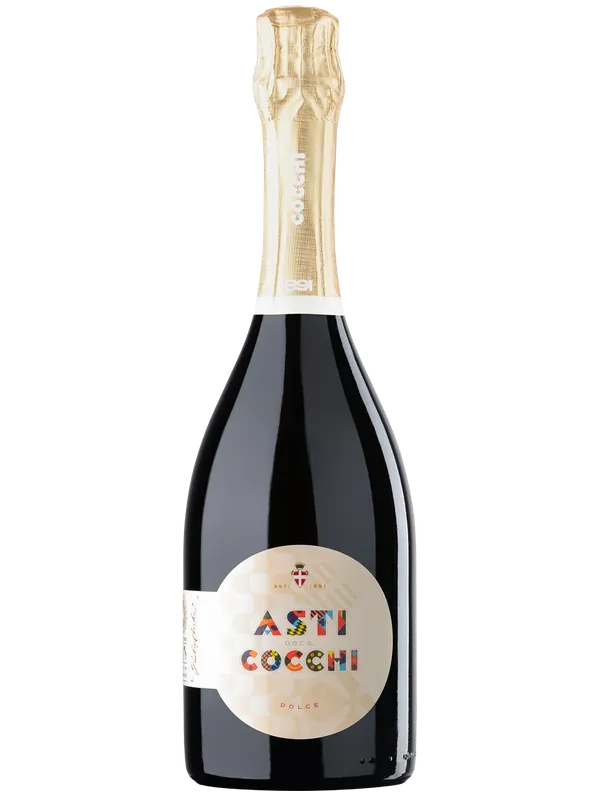
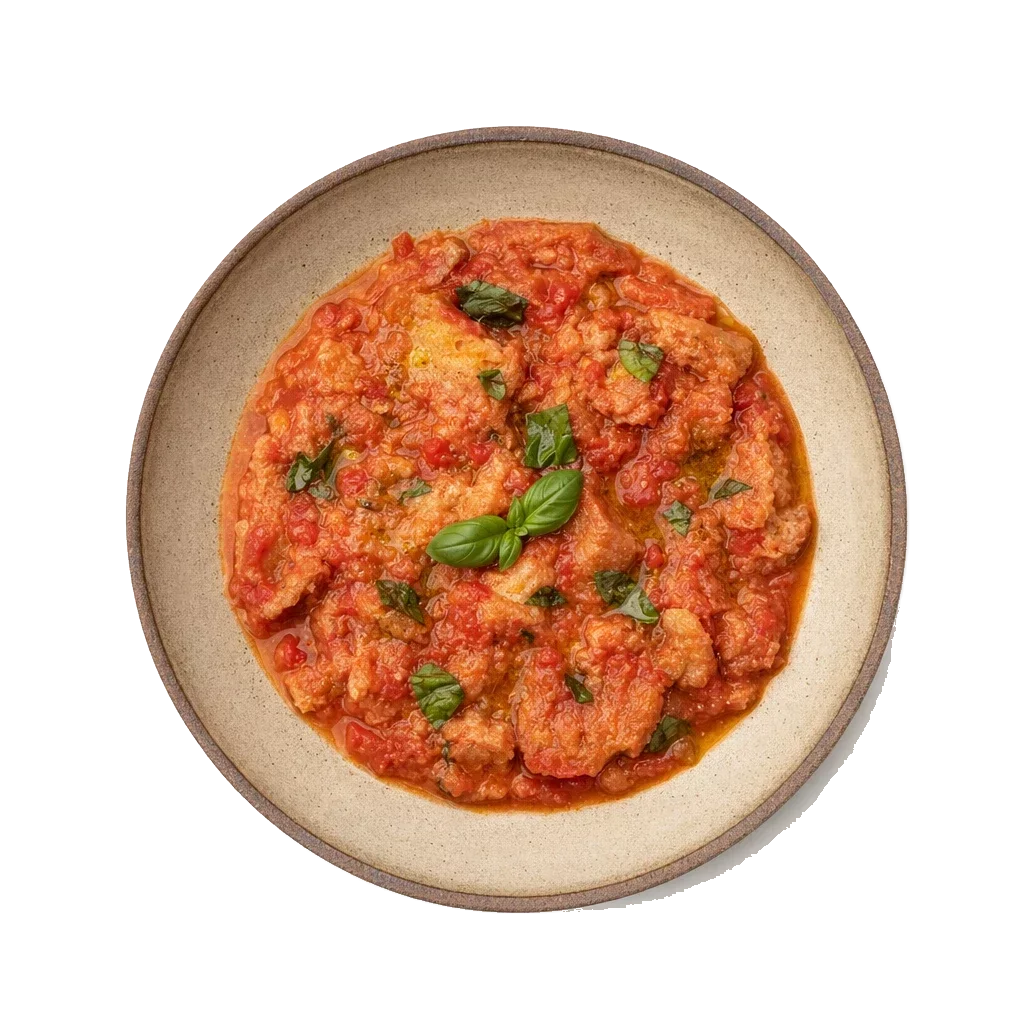
Pappa al Pomodoro is Tuscan peasant cooking distilled: stale bread, San Marzano tomatoes, garlic and basil simmered in olive oil until they become a single dish. The Florentines and Sienese argue the seasoning; everyone agrees on fruity Tuscan olive oil as the finishing touch. A young Chianti Classico DOCG or Morellino di Scansano DOCG echoes the tomato acidity and carries the bread without outmuscling the basil.
Perfect grape varieties
Also worth trying
Appellations to explore
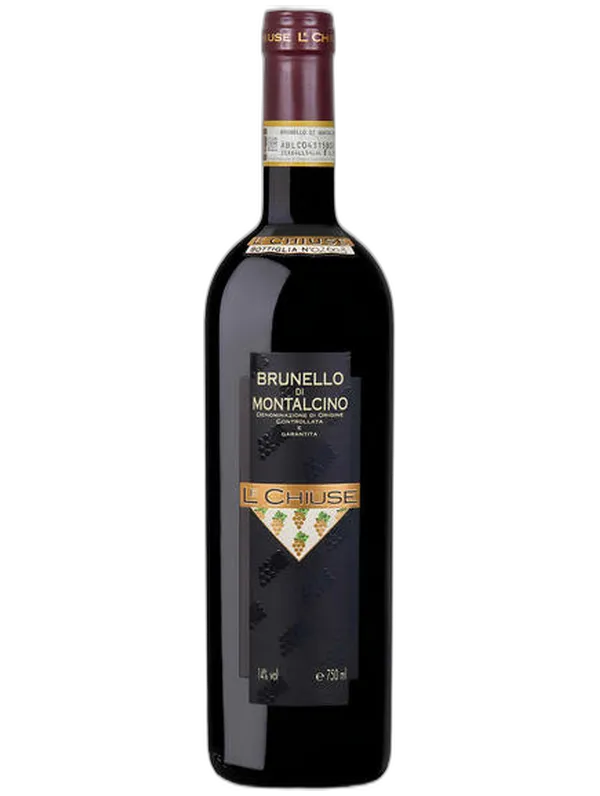
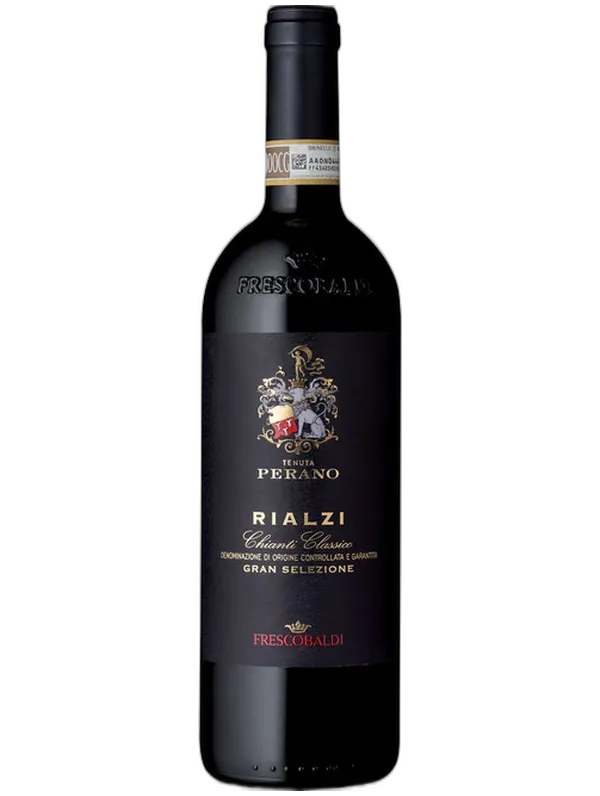
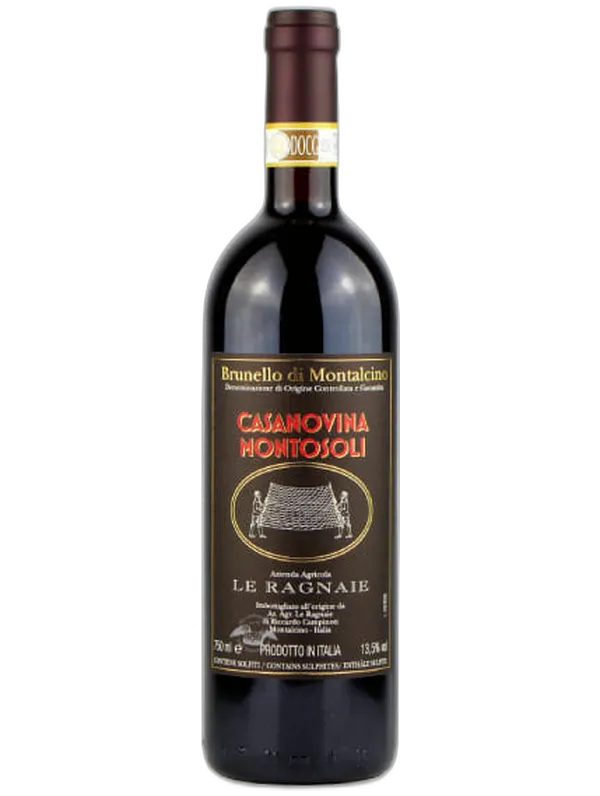
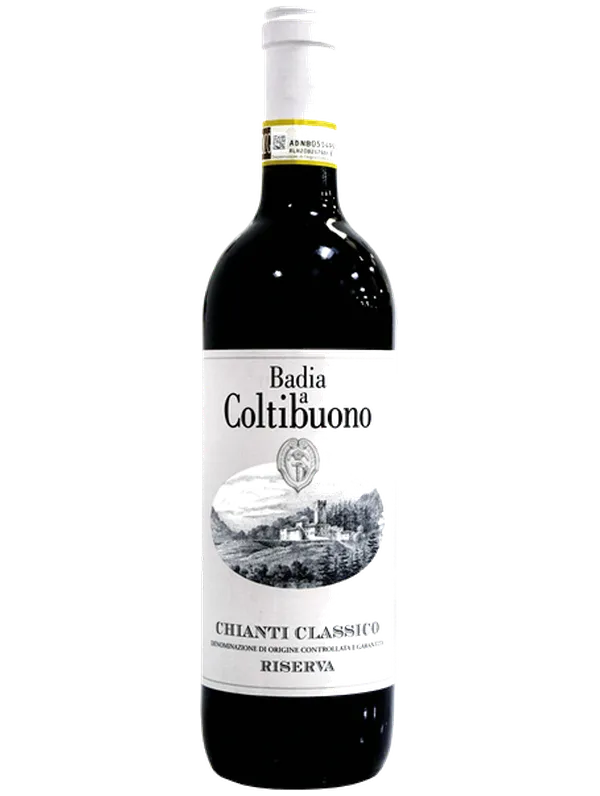
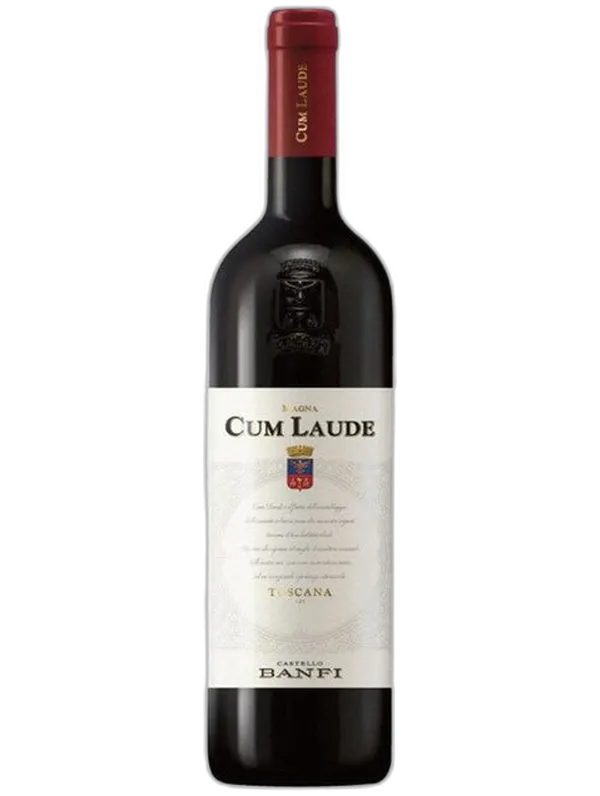
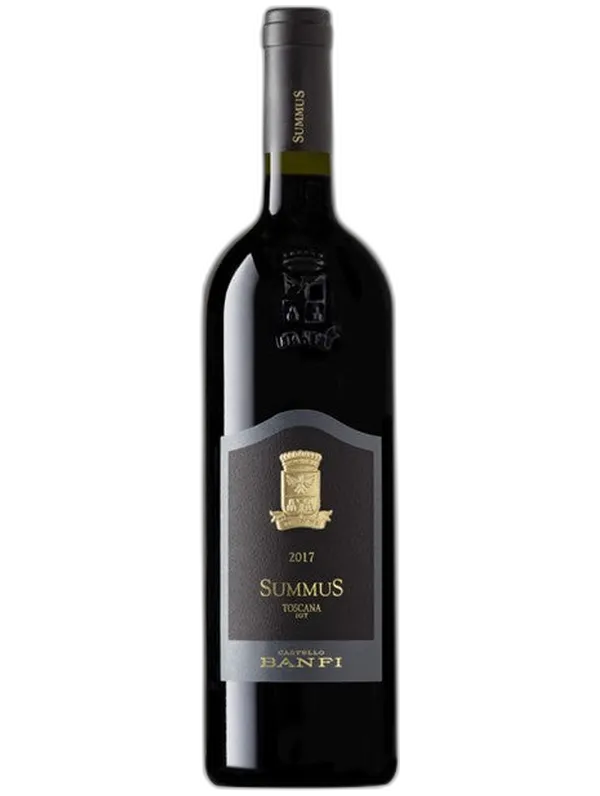
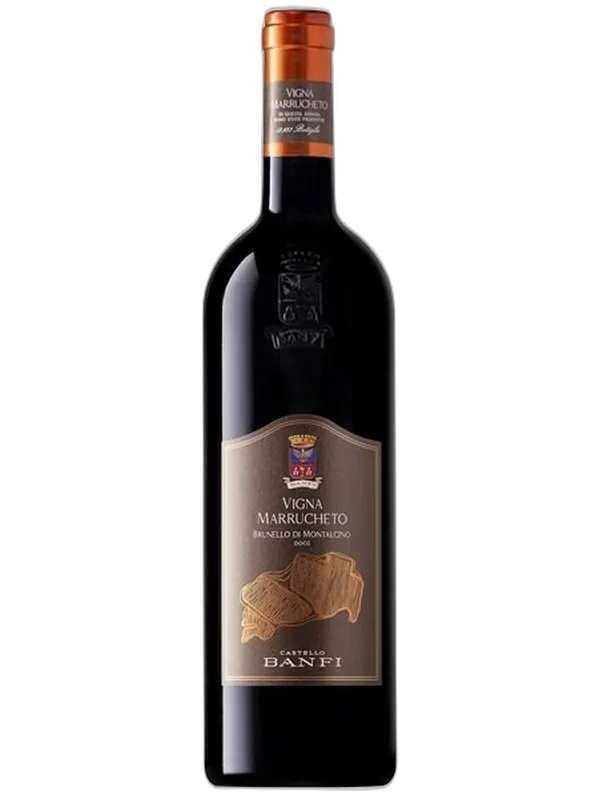
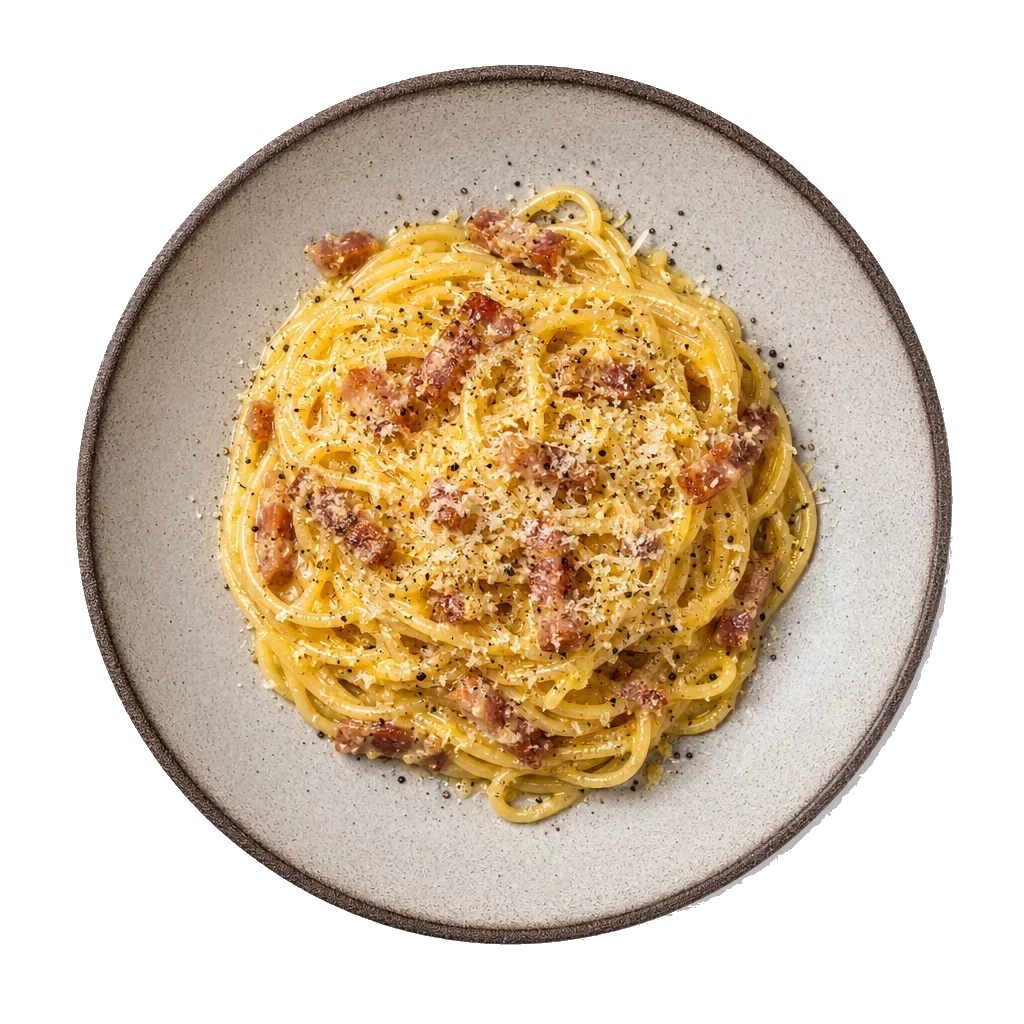
Pasta alla carbonara
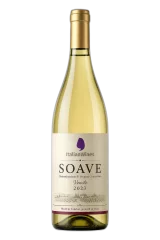
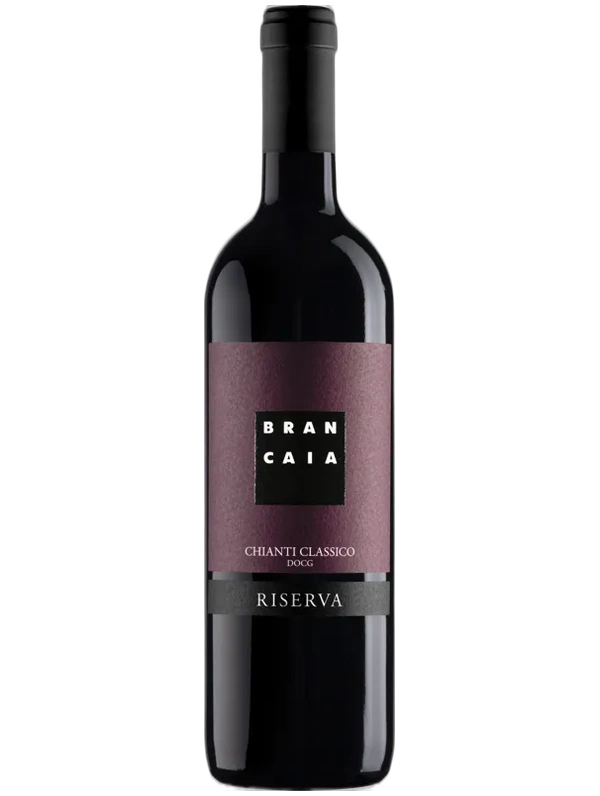
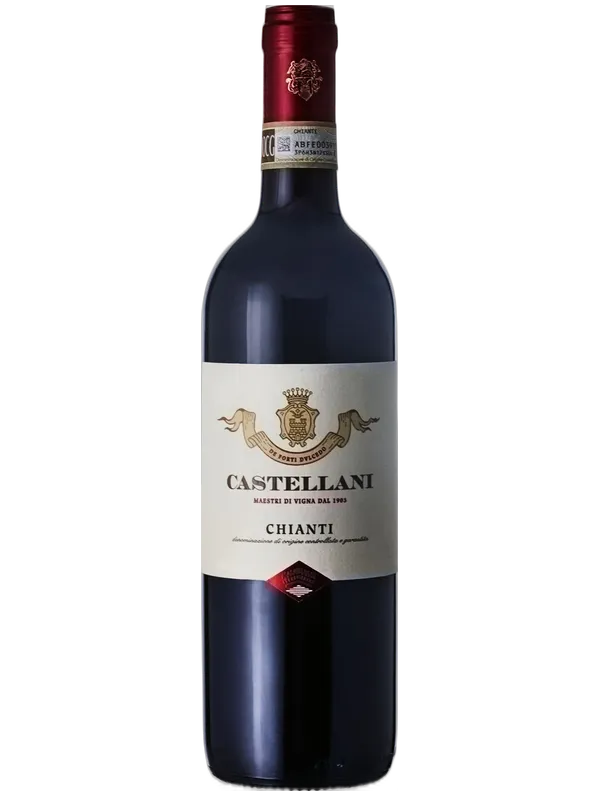
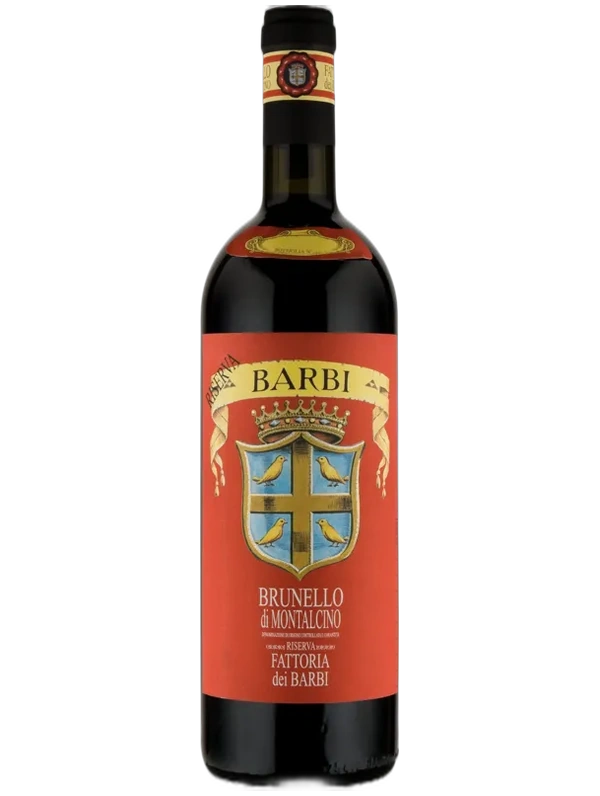
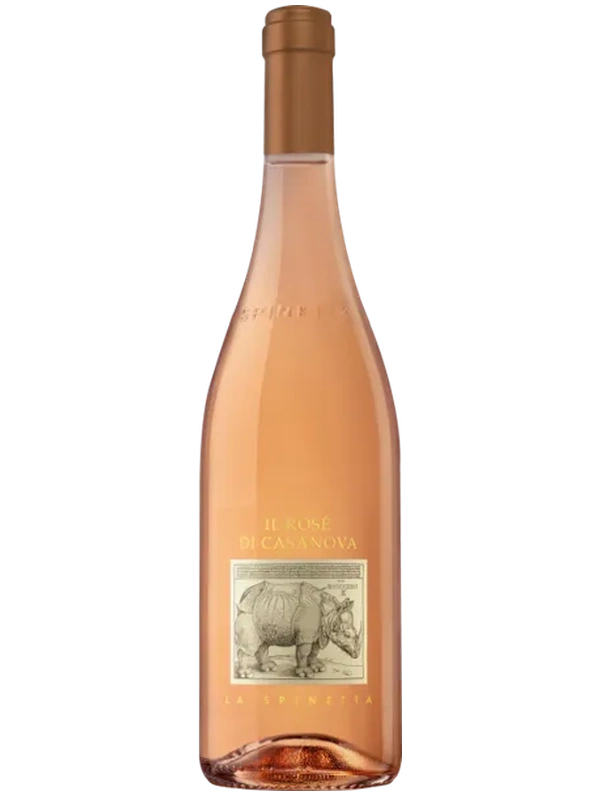
Pasta alla Carbonara is a beloved dish from Rome (in the region of Lazio), featuring a rich sauce made from egg, Pecorino Romano cheese, guanciale (cured pork cheek), and plenty of black pepper. The key to a good wine pairing is to find something that can cut through the creaminess and richness without overpowering the subtle flavors of the sauce. Fruity red wines with a touch of acidity are ideal, as they can balance the fat and saltiness of the guanciale.Recommended red wines include Pinot Noir, Chianti Classico, Barbera, and Montepulciano. These wines offer a pleasant fruitiness and sufficient acidity to cleanse the palate.For those who prefer white wines, Pinot Grigio, Soave, Gavi, or Riesling are also excellent choices. These wines are generally lighter, with a high acidity that helps cut through the richness of the carbonara while complementing its flavor.
Perfect grape varieties
Also worth trying