






Molise · IGT
Osco / Terre degli Osci IGT Molise's Everyday Label from the Land of the Osci
Terre degli Osci, or simply Osco, is the wine label for the whole province of Campobasso, the larger half of Molise on Italy's Adriatic side. It is an IGT, the tier below DOC, so growers may use any grape approved for the region. Most bottles are soft, easy reds and fresh whites at everyday prices.


Decode the label
What the label tells you
One denomination, 4 things it can say on the front. Colour first, then the qualifier.
On the label
Terre degli Osci Rosso
the free red blend


Montepulciano with Cabernet and Syrah in the shelf's Anima Osca: soft, fruity and ready on release.
In stock from £14.44 See the 1 bottle ↓On the label
Named-grape reds
Sangiovese, Montepulciano, Aglianico, Tintilia

One grape leads and the label says which: Di Majo Norante's Sangiovese is the shelf's example.
In stock from £18.90 See the 1 bottle ↓On the label
Terre degli Osci Bianco
the fresh white
Falanghina, Chardonnay and Pinot Bianco in the shelf's Anima Osca Bianco: light, dry, pear and green apple.
In stock from £11.54 See the 1 bottle ↓On the label
Rosato, Frizzante, Novello and Passito
the rest of the label

A dry pink, lightly fizzy versions of all three colours, a Novello red and a sweet Passito white: made in Molise, rare in Britain.
No bottles in stock right now
The boundary
Where it is
Everything on this page, the estates, the bottles, the sub-zones, sits inside this line.
The whole province of Campobasso, the eastern and larger of Molise's two provinces. It starts on a short Adriatic coast, where a belt of sandy clay runs behind the sea from Montenero di Bisaccia through Guglionesi to Ururi. From there it climbs the valleys of the Trigno, Biferno and Fortore rivers to the marl and sandstone hills round the regional capital. The mixed clays between Larino and Campobasso sit in the middle. Vineyards must stand at least 5 metres above sea level, and most of the shelf's wines come from low hills near the coast.
Inside the zone
Towns worth knowing
The vines sit in the low and middle hills between the coast and the capital; the shelf's three wines come from Campomarino, Portocannone and San Martino in Pensilis.
In the glass
What it tastes like, by style
One profile at a time, never blended into a single set of bars.

Blackberry

Black cherry

Violet

Plum

Pear

Green Apple

Elderflower
Citrusy fruit
The disciplinare
The rules that define it
The same table on every denomination page, one row group per style here, because Osco / Terre degli Osci writes its rules per colour.
 The grape on the labelSangiovese, Montepulciano, Falanghina and any other Molise grapeat least 85%Other grapes of the same colourNon-aromatic onlyup to 15%Any grape approved for MoliseOne or more, in any proportionup to 100%
Solid means the rules demand it. Striped means optional, up to that amount. The words on the right say the same rule.

One province, one label every vineyard in the province of Campobasso qualifies, from the coast to the hills round the capital.
85% when a grape is on the label a Sangiovese or a Falanghina must be at least 85% that grape; the rest is same-colour, non-aromatic grapes.
No ageing rule at all the rulebook sets no cellar time, so wines are sold as soon as they are ready.

Generous crops 23 tonnes a hectare for blends and 22 for named-grape wines, high ceilings that keep prices low.
No boastful words extra, fine, scelto, selezionato and superiore are banned from the label.
Ageing and alcohol minimums per tier are in the label guide above.
Editor's cellar
Bottles to try, and what Osco / Terre degli Osci costs in the UK
By style, today
Live prices, compared across 2 UK retailers.


Cellar doors · in Molise
Estates you can visit
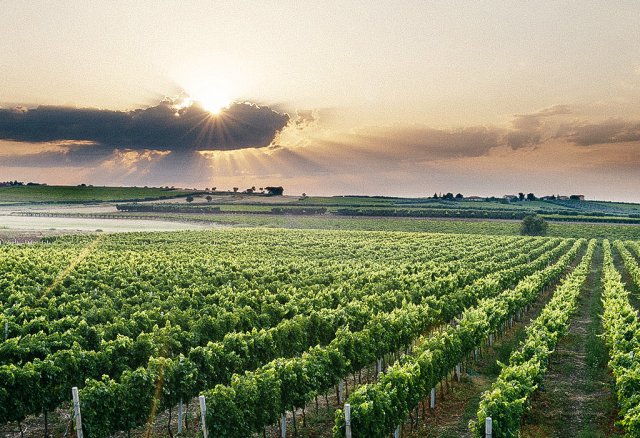
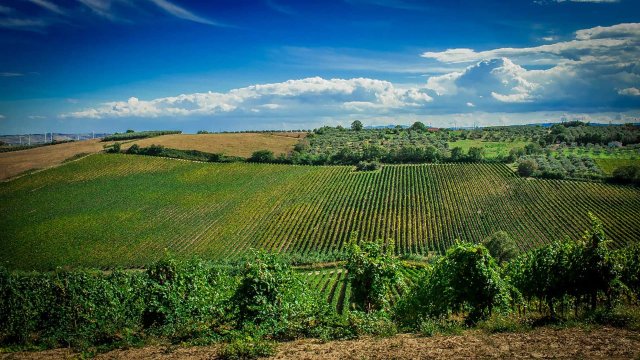
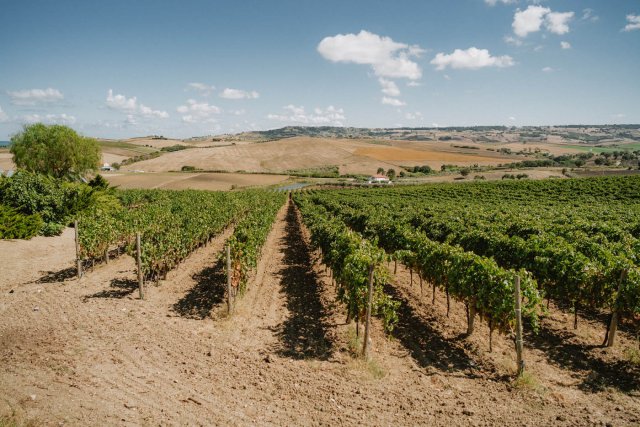
Three estates in Molise open their doors today. A small list, honestly kept: only working cellars with confirmed visits appear here.



No estates match these filters. Clear a filter to see more.
Experiences in the Osco / Terre degli Osci zone
Cellar experiences here average around €47. These are the strongest fits for this page.
The Treasures of San Martino at Cantine Catabbo
Catabbo
Three Tintilia Wines paired with local flavours!
Trilogy - A Journey Through the Colors of Wine at Cantine Catabbo in Molise
Catabbo
Discover the essence of Molise at Cantine Catabbo, where fine wines and local flavors come together in a serene countryside setting.
The nuances of Tintilia at Cantine Catabbo in Molise
Catabbo
A taste of Tintilia and local traditions
Vintage provenance
Why there is no vintage chart
No denomination-wide vintage chart is published for Terre degli Osci. The sources that score wines here score single bottles, so quality is tracked producer by producer rather than through a maintained annata table.
Drink the current release: these are soft, early wines with no ageing rule behind them.
What to check instead
The producer: quality here is tracked estate by estate rather than year by year.
How Osco / Terre degli Osci is made
The rules are short. Grapes must come from the province of Campobasso and the wine must be made there too. A plain Bianco, Rosso or Rosato may blend any grapes approved for Molise, in any proportion. A wine that names a grape, such as Sangiovese or Falanghina, must be at least 85% that grape; the other 15% may only be non-aromatic grapes of the same colour. Crops are generous: 23 tonnes a hectare for blends and 22 for named-grape wines. A red must reach 10.5% alcohol, a white or rosé 10%, a Novello 11% and a Passito 13%. There is no ageing rule at all. Whites may also be made frizzante or as a sweet Passito from lightly dried grapes; reds as frizzante or Novello; rosés as frizzante. The label may not carry words like extra, fine, scelto, selezionato or superiore.
In depth
On the table
What to eat with Osco / Terre degli Osci
Everyday Molise eating: the red for pasta with a meat sauce, lamb and hard cheese, the white for fried fish and shellfish off the Adriatic.


In-depth guide
Osco / Terre degli Osci, answered
Land of the Osci. The Osci were an ancient Italic people who farmed the eastern plains of Molise, roughly today's province of Campobasso. The rulebook allows the shorter form Osco too, so both names appear on labels.
No. It is an IGT, the tier below DOC, and it covers the whole province of Campobasso. It was recognised by decree on 4 November 1995, the same day as Rotae, the IGT for the province of Isernia.
Any grape approved for Molise. A blend may mix them freely. A wine that names a grape must be at least 85% that grape. On UK shelves the label mostly means Sangiovese, a Montepulciano-led red blend and a Falanghina-led white blend.
The reds are soft and easy: the rulebook itself asks for a dry red that is not tannic. Expect blackberry, cherry and a violet note. The whites are light, dry and fresh, with pear and green apple. Both are made to drink young.
The DOCs fix their grape blends and draw tighter zones. The IGT allows any Molise grape in any proportion, higher crops and no ageing time. A grower with DOC vineyards may also sell a wine under this label instead, as long as it meets the IGT rules.
Usually, yes. The high crop ceilings and the lack of an ageing rule keep costs down, so most bottles sell at everyday prices. Pick a named producer: Di Majo Norante and Tenimenti Grieco are the two on our shelf.
In the province of Campobasso, mostly on the low hills near the Adriatic. Di Majo Norante is at Campomarino, Tenimenti Grieco at Portocannone and Catabbo, which offers tastings, at San Martino in Pensilis.
Explore more Molise
Same region only: the denominations Osco / Terre degli Osci drinkers reach for next.


