- Geographic area
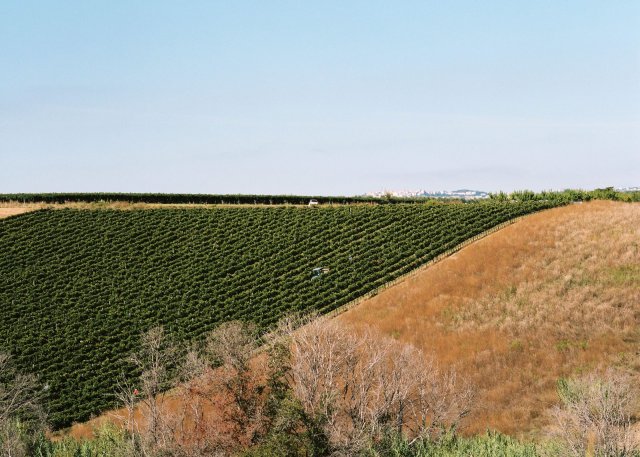
- Hill and foothill vineyards in listed communes of Campobasso and Isernia provinces. The zone runs from the Adriatic coast at Termoli and Campomarino to the Matese and upper Volturno at Venafro. Wine is made inside it.
- Permitted styles
- Still reds, whites and rosato, novello and Riserva; white, red and rosato spumante; frizzante for seven grapes; passito from Falanghina and Moscato.
- Permitted grapes
- Montepulciano for the plain Rosso and Rosato, plus fifteen named grapes such as Aglianico, Sangiovese, Merlot, Falanghina, Fiano, Greco Bianco, Trebbiano and Chardonnay.
- Single-grape labels
- The named grape must be at least 85% of the wine, topped up with other Molise grapes of the same colour. The plain Rosso, Rosato, Novello and Riserva are 85% Montepulciano the same way.
- Created
- 18 May 1998 by ministerial decree, after two and a half years as an IGT. The rules were last amended in March 2014.
- Min. alcohol
- At release: 11% for Rosso, 11.5% for Rosato and Aglianico, 12.5% for a Riserva, 10.5% for Falanghina and Chardonnay, 9% for Malvasia, 14% for a passito.
- Yield (max)
- 15 t/ha for Rosso, Rosato, Novello and Sangiovese, and for the Rosso, Rosato and Bianco spumante. Falanghina, Malvasia and Trebbiano are capped at 14, Merlot at 13, every other named grape at 12.
- Ageing
- None for the plain types. A Riserva, Rosso or Aglianico, waits two years from 1 November of the harvest, at least six months of them in wooden casks.
- Montepulciano on the label
- Banned. After a 2000 decree won on appeal by Tuscany's Vino Nobile di Montepulciano consortium, the grape's wine is sold as Molise Rosso or Rosato, never as Molise Montepulciano.
- Containers
- Standard containers of up to five litres; larger special formats only in glass under cork. A Riserva only in glass under cork. Most still types may also come in a bag-in-box of two litres or more, never a Novello.









 20 wines
 6 denominations