





Wine route
Strada dei Vini di Romagna
2 days, 110 km · 7 stops
Open the driveYour cellar, your trips, and the wines you've been tracking are right where you left them.
New here?
Free, always. Education first, we'll never sell you anything you didn't ask to see.
Already have an account?
Enter the email you signed up with and we'll send a link to choose a new password.
Emilia Romagna · DOC
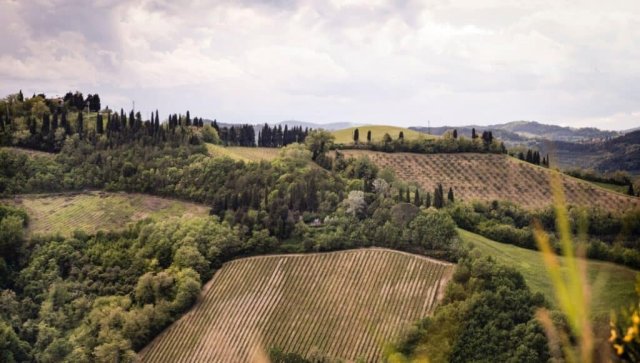
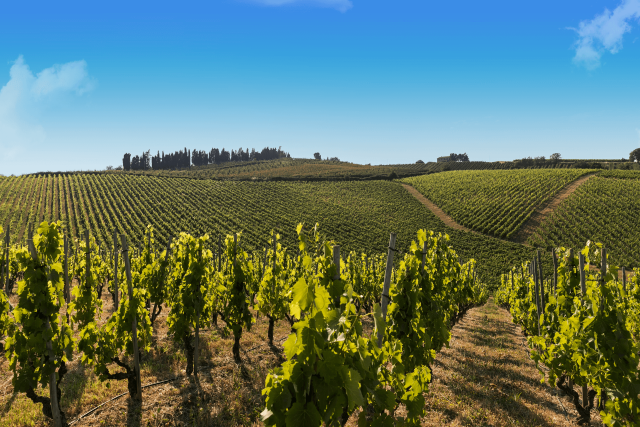
Colli di Faenza DOC is the wine of the hills south of Faenza, in Romagna. Its red puts Cabernet Sauvignon beside Sangiovese and its white builds on Chardonnay. Recognised in 1997, it is a tiny denomination: about four hectares of vines, ten acres, were registered in 2021, and no UK shop we track lists a bottle today.
Decode the label
One denomination, 6 things it can say on the front. Colour first, then the qualifier.
On the label
Colli di Faenza Bianco
Chardonnay with a Romagna chorus
Chardonnay's ripe fruit, freshened by Trebbiano Romagnolo, Pinot Bianco, Sauvignon or Grechetto Gentile.
No bottles in stock right now
On the label
Colli di Faenza Pinot Bianco
the single-grape white
Straw yellow, sometimes with a green glint, delicate and fresh: the rulebook's own words.
No bottles in stock right now
On the label
Colli di Faenza Trebbiano
the old local white
Trebbiano Romagnolo keeps its acidity late into ripeness, which keeps this white fresh.
No bottles in stock right now
On the label
Colli di Faenza Rosso
Cabernet leads, Sangiovese answers
Deep ruby, a pleasant herby edge and a full body, sometimes with a light grip of tannin.
No bottles in stock right now
On the label
Colli di Faenza Sangiovese
Romagna's grape on its own
Ruby, delicate, with the violet note the rulebook itself lists.
No bottles in stock right now
On the label
Riserva
two years, counted from 1 November
The same wines with two years' patience, in barrel or not.
No bottles in stock right now
The boundary
Everything on this page, the estates, the bottles, the sub-zones, sits inside this line.
Wine route
2 days, 110 km · 7 stops
Open the drive
Estate 1
Marzeno
Tastings available
Estate 2
Modigliana · Forlì-Cesena
Book online
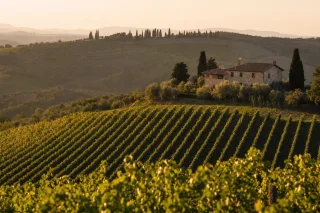
The hills that rise south of the Via Emilia between Castel Bolognese and Faenza. The zone runs up the Lamone and Senio valleys through Brisighella, Riolo Terme and Casola Valsenio, then over the ridge into Modigliana and part of Tredozio on the Forlì side. The land climbs in three steps: warm clay hills, the true hills beyond the calanchi gullies, then high sandstone slopes towards the Apennines. The rules say to avoid the valley floors and the youngest river terraces.
Inside the zone
Click or tap a pin for its estate. The numbered pins match the estate cards below.
Towns worth knowing
Faenza and Castel Bolognese count only south of the Via Emilia, Tredozio only in part; the other four in full.
In the glass
One profile at a time, never blended into a single set of bars.
Blackcurrant
Black cherry
Plum

Violet
Green Apple
Pear
Acacia
Almond
The disciplinare
The same table on every denomination page, one row group per style here, because Colli di Faenza writes its rules per colour.
 Cabernet SauvignonThe backbone40 to 60%Sangiovese, Merlot, Ciliegiolo, AncellottaThe rest, alone or together40 to 60%SangioveseAlone, as the Sangiovese label100%
 ChardonnayThe lead40 to 60%Pinot Bianco, Sauvignon, Grechetto Gentile, Trebbiano RomagnoloThe rest, alone or together40 to 60%Pinot BiancoAlone, as the Pinot Bianco label100%Trebbiano RomagnoloAlone, as the Trebbiano label100%
Solid means the rules demand it. Striped means optional, up to that amount. The words on the right say the same rule.
No added sugar raising the strength with sugar or must is banned outright.
Cabernet must lead the Rosso 40 to 60 per cent, the rest Sangiovese, Merlot, Ciliegiolo or Ancellotta.
Reds wait until 30 April Rosso and Sangiovese are sold from the spring after harvest; a Riserva after 24 months from 1 November.
Valley floors are to be avoided the rules steer vines away from the flat land and the youngest river terraces, and new vineyards need 3,000 vines a hectare or more.
Cork and vintage on every bottle only glass, only cork, and the harvest year must be printed.
Ageing and alcohol minimums per tier are in the label guide above.
Cellar doors · inside the zone
Two estates inside the zone open their doors today. A small list, honestly kept: only working cellars with confirmed visits appear here.
No estates match these filters. Clear a filter to see more.
Experiences in the Colli di Faenza zone
Cellar experiences here average around €50. These are the strongest fits for this page.
Ronchi di Castelluccio
A tasting journey that recounts the evolution of Ronchi di Castelluccio through four wines representative of its history and present.
Ronchi di Castelluccio
Learn more about Ronchi di Castelluccio's identity through a tasting that showcases its most iconic labels alongside its prestigious crus.
Ronchi di Castelluccio
An experience dedicated to the finest expressions of Ronchi di Castelluccio, designed for those who wish to discover the winery's soul.
Vintage provenance
No vintage chart is published for Colli di Faenza. The sources define the denomination and its rules; with only a few hectares in production, quality is followed estate by estate rather than year by year.
Drink the whites young. The rulebook calls these Cabernet and Merlot reds suited to ageing, so a Rosso or Riserva can keep for several years.
What to check instead
The producer: quality here is tracked estate by estate rather than year by year.
The rules allow five labels. Colli di Faenza Rosso is a blend: 40 to 60 per cent Cabernet Sauvignon, with Sangiovese, Merlot, Ciliegiolo or Ancellotta making up the rest. Colli di Faenza Bianco is 40 to 60 per cent Chardonnay, topped up with Pinot Bianco, Sauvignon, Grechetto Gentile or Trebbiano Romagnolo. Sangiovese, Pinot Bianco and Trebbiano are single-grape labels. Reds need 12 per cent alcohol and whites 11, or 11.5 for the Trebbiano, and adding sugar to lift the strength is banned. Yields run from 8.5 tonnes a hectare for the Pinot Bianco to 11.5 for the Trebbiano, with the Rosso capped at 9. Rosso and Sangiovese may be sold from 30 April of the year after harvest. A Riserva has aged for two years, counted from 1 November of the harvest year, in barrel or not. Every bottle carries the vintage and a cork, and words such as superiore or extra are banned on the label.
On the table
Salumi, lasagne and hard cheese for the reds; passatelli and tortellini for the whites: the growers' consortium's own advice.
In-depth guide
A small denomination for the wines of the hills south of Faenza, in Romagna, recognised in 1997. It covers a red blend led by Cabernet Sauvignon, a white blend led by Chardonnay, and single-grape Sangiovese, Pinot Bianco and Trebbiano.
No. They share the same hills, but Colli di Faenza is its own DOC with its own rules, and its Rosso must be at least 40 per cent Cabernet Sauvignon. Romagna DOC Sangiovese is Sangiovese-led, and growers around Brisighella and Modigliana can use that label too.
The Rosso or Sangiovese has aged for at least 24 months, counted from 1 November of the harvest year. Barrels are allowed but not required.
Cabernet Sauvignon makes 40 to 60 per cent. The rest comes from Sangiovese, Merlot, Ciliegiolo or Ancellotta, alone or together.
Seven towns and villages of Ravenna and Forlì-Cesena provinces. Brisighella, Casola Valsenio, Riolo Terme and Modigliana count in full. Faenza and Castel Bolognese count only south of the Via Emilia, and Tredozio only in part.
Because so little is made. Italian Wine Central records about ten acres of vineyard and an average of around 31,000 bottles a year. No UK retailer we track lists one today.
The growers' consortium suggests the reds with salumi, lasagne and hard cheeses, served at 16 to 18°C, and the whites with passatelli and tortellini at 8 to 10°C.
Explore more Emilia Romagna
Same region only: the denominations Colli di Faenza drinkers reach for next.


 3
3