






Emilia Romagna · DOC
Pagadebit di Romagna DOC Romagna's Light, Hawthorn-Scented White, Explained
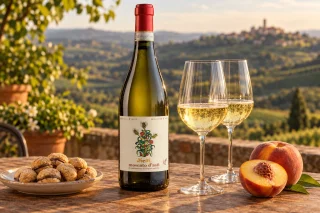
Pagadebit di Romagna is an everyday white from the Romagna hills, grown from the Bombino Bianco grape. Since 2011 the label reads Romagna DOC Pagadebit. It is light and dry, with a scent of hawthorn that the rulebook itself names. The name means pays the debts. The vine crops even in a bad year, so the farmer could settle up.
Decode the label
What the label tells you
One denomination, 4 things it can say on the front. Colour first, then the qualifier.
On the label
Romagna Pagadebit
the dry everyday white


At least 85% Bombino Bianco, no more than 10 grams of sugar a litre, hawthorn on the nose.
No bottles in stock right now
On the label
Romagna Pagadebit Amabile
the off-dry version

The rulebook lets its fermentation run past the year end, so some sugar can be kept.
No bottles in stock right now
On the label
Romagna Pagadebit Frizzante
a light fizz, dry or amabile
May be finished and bottled in five regions of northern and central Italy.
No bottles in stock right now
On the label
Romagna Pagadebit Bertinoro Sub-zone
the sub-zone, half a degree stronger

Made and bottled inside the four provinces of Bologna, Ravenna, Forlì-Cesena and Rimini, from the hill of Bertinoro and the land around it.
No bottles in stock right now
The boundary
Where it is
Everything on this page, the estates, the bottles, the sub-zones, sits inside this line.
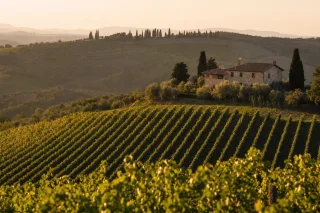
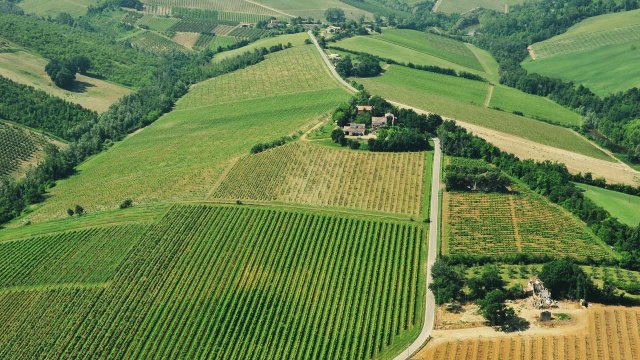
The zone runs along the first hills south of the Via Emilia. It starts at Brisighella and Faenza in Ravenna province, passes Forlì, Bertinoro, Predappio and Cesena, and ends at Rimini, Coriano and Verucchio near the coast. Twenty-nine towns and villages share it, and in the larger towns a lower line is drawn, along or near that road, so the plain below is out. Bertinoro, on its hill above Forlimpopoli, is the named sub-zone, where a ridge of poor limestone called the Spungone breaks the surface and suits this grape best.
Inside the zone
Towns worth knowing
Bertinoro is the historic heart and the only named sub-zone; the rest of the zone follows the Via Emilia hills from Faenza to Rimini.
In the glass
What it tastes like

Apple blossom


Apple
Citrusy fruit
Almond

White peach

Apricot
The disciplinare
The rules that define it
The same table on every denomination page, straight from the production rules.
 Bombino BiancoThe debt-payer, the whole pointat least 85%Other white grapes of Emilia-RomagnaOptional, unnamedup to 15%
Solid means the rules demand it. Striped means optional, up to that amount. The words on the right say the same rule.
85% Bombino Bianco the grape the name comes from, with up to 15% other Romagna whites.

14 tonnes a hectare a generous crop cap, as the name would suggest, for base and Bertinoro alike.
No ageing and no Riserva the rulebook sets a strength and a sugar cap, not a waiting time.
Bertinoro adds half a degree 12% instead of 11.5%, and the wine must be made and bottled inside those four provinces, Bologna included.
One name since 2011 Pagadebit di Romagna became Romagna DOC Pagadebit when the old DOCs merged.
Ageing and alcohol minimums per tier are in the label guide above.
Cellar doors · in Emilia Romagna
Estates you can visit
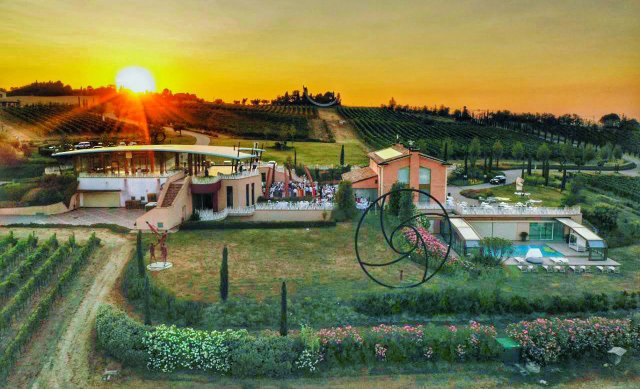
10 working estates with their gates open.

 0
0



No estates match these filters. Clear a filter to see more.
Experiences in the Pagadebit di Romagna zone
Cellar experiences here average around €35. These are the strongest fits for this page.
Luxury tasting
Villa Oppi
Fantastic tasting guided directly by the owner of the company to discover the incredible wines of the cellar.. Everything will take place in…
"From Icons to New Classics" Wine tasting in Ronchi di Castelluccio, Romagna Winery
Ronchi di Castelluccio
A tasting journey that recounts the evolution of Ronchi di Castelluccio through four wines representative of its history and present.
"The approach to the great Ronchi" Wine tasting at Ronchi di Castelluccio, Romagna Winery
Ronchi di Castelluccio
Learn more about Ronchi di Castelluccio's identity through a tasting that showcases its most iconic labels alongside its prestigious crus.
Vintage provenance
Why there is no vintage chart
No denomination-wide vintage chart is published for Pagadebit di Romagna. The wine is made to drink young, and no guide rates it year by year, so quality is tracked producer by producer.
Buy the newest vintage you can find. This is a white for its first year, and no guide rates it year by year.
What to check instead
The producer: quality here is tracked estate by estate rather than year by year.
How Pagadebit di Romagna is made
The rules sit inside the Romagna DOC rulebook. At least 85% of the grapes must be Bombino Bianco, called Pagadebit locally. Up to 15% can be other white grapes allowed in Emilia-Romagna. Vineyards may carry 14 tonnes of grapes a hectare, and 100 kilos of grapes may give 70 litres of wine. The wine must reach 11.5% total alcohol, or 12% when the label adds Bertinoro. The dry version keeps under 10 grams of sugar a litre. An amabile version is off-dry, and both may be made frizzante, with a fine, lasting fizz. No ageing is required, and there is no Riserva. The frizzante may be finished and bottled outside Romagna, in five regions of northern and central Italy. A Bertinoro wine must be made and bottled inside the four provinces of Bologna, Ravenna, Forlì-Cesena and Rimini, from vineyards planted with at least 2,500 vines a hectare.
In depth
On the table
What to eat with Pagadebit di Romagna
Pagadebit wants light food: Adriatic fish, soups, pasta in white sauces, piadina with cold cuts, or a glass before dinner.


Baccala a Ciuredda is a Basilicata salt cod stew, desalted fillets simmered with tomato, onion, olives and capers until the broth turns sweet and savoury.

In-depth guide
Pagadebit di Romagna, answered
It is a light, dry white from the hills of Romagna, made mostly from the Bombino Bianco grape. The rulebook asks for at least 85% Bombino Bianco, a hawthorn scent and a delicate, slightly grassy taste. Since 2011 the legal name on the label is Romagna DOC Pagadebit.
Pays the debts. The Bombino Bianco vine crops even in a poor year, so the story goes that it let a farmer settle what he owed whatever the other grapes did. Romagna also calls it straccia cambiali, the wine that tears up the bills.
Yes, but under a new name. Pagadebit di Romagna had its own DOC from 1988. In 2011 it became a type of the wider Romagna DOC, so a bottle now reads Romagna DOC Pagadebit. The rulebook still singles out Bertinoro, as the 1988 rules did.
Light and fresh. The rulebook describes a straw-yellow wine that smells of hawthorn and tastes delicate, harmonious and a little grassy. Expect white flowers, apple and a soft almond note, at around 11.5% alcohol. Drink it young: the trade advice is within a year of the harvest.
Both exist. The plain wine is dry, with no more than 10 grams of sugar a litre. An amabile version is off-dry, and each can be still or frizzante, with a light fizz. The word on the label tells you which you have.
The sub-zone form, from the hill town of Bertinoro and the land around it. It follows the same grape rule but must reach 12% alcohol rather than 11.5%, and it must be made and bottled inside those four provinces, Bologna included. Bertinoro is where the grape's tradition runs deepest, on the poor limestone of the Spungone ridge.
Light dishes. The growers' body suggests fish from the Adriatic coast, soups and pasta in white sauces. The regional wine body adds piadina, cold cuts and vegetable omelettes. Its freshness suits a glass before dinner too.
Not from the shops we track today. No UK retailer in our price list stocks a Pagadebit right now, so the bottle list on this page is empty. When one does, it will appear here with its live price.
Explore more Emilia Romagna
Same region only: the denominations Pagadebit di Romagna drinkers reach for next.


