










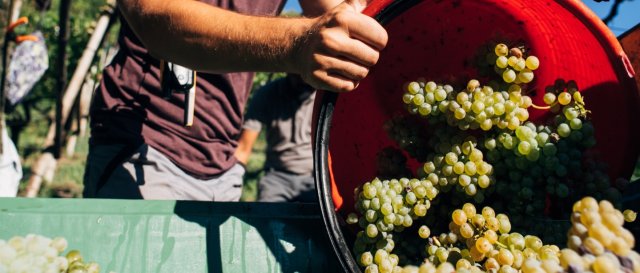









Chardonnay is a white grape with a clear Italian role.
Wines
636
Acidity
Body
White Grape · Trentino-Alto Adige
Riesling is the Rhine's great white grape living a second life in the Italian Alps: bone dry, lime-sharp and stony in Alto Adige and Trentino, riper in the Langhe, and sparkling in the Oltrepo Pavese.
Riesling is a white grape from Germany's Rhine that has made a second home in Italy's mountains. Here it is nearly always dry. Expect taut, lime-and-stone whites from Alto Adige's Valle Isarco and Val Venosta, from Trentino and from the Langhe hills of Piedmont. In Lombardy's Oltrepo Pavese it also goes into sparkling wine.
Your cellar, your trips, and the wines you've been tracking are right where you left them.
New here?
Free, always. Education first, we'll never sell you anything you didn't ask to see.
Already have an account?
Enter the email you signed up with and we'll send a link to choose a new password.
Clearing it up
The Rhine grape, grown in Italy's mountains
A different grape, Welschriesling, from central Europe
The anchor fact: Riesling and Riesling Italico are two unrelated grapes that share a name. True Riesling, called Riesling Renano on the Italian register, comes from the Rhine; Riesling Italico is the central European Welschriesling, and Italy grows three times more of it.
Taste · Where it sits
Forget scores out of five. Here’s Riesling described against grapes you already know.
Lighter than Pinot Bianco and far leaner than a Friulano; Alto Adige Riesling carries its flavour on acidity, not weight, and even the riper Langhe bottles stay slim.
A steel-fermented white with no skin contact, so there is no grip at all; what people read as bite in Riesling is acidity and stone, not tannin, unlike Vermentino's almond tug.
Higher than Verdicchio, higher than Sauvignon Blanc; the cold Valle Isarco nights lock in a lime-juice acidity that keeps the wine alive for a decade and is the reason it takes on chilli food.
Italy makes Riesling drier than Germany does: fermented right out, so the lime, green apple and white peach read as fruit, never sugar, with honey arriving only with age.
Key flavours




The map
Riesling is light to medium, racy, high acidity, mapped against other white grapes you can buy. The closer a grape sits, the more its weight and freshness resemble Riesling.
Is this for you?
Reach for it when…
Maybe skip it if…
Serving guide
Serve at
8-10°C
Serve at 8 to 10C: colder and the lime and blossom disappear, warmer and the acidity turns sharp instead of refreshing.
Decant
No
Never decant; Riesling's delicate lime and blossom aromas blow off in air, and a cold bottle opened at the table is all it needs.
Glass
Riesling Glass
A narrow Riesling glass, or any slim white-wine glass, keeps the aromas focused and the wine cold; a big Chardonnay bowl lets it warm up and go flat.
Drink within
3-5 days
Drink the everyday bottles within three to five years for the lime and green apple; older than that and they trade fruit for honey and stone.
Cellar
2-10 years
The top Valle Isarco and Val Venosta wines keep for ten years; lie them down cold and open one every couple of years to watch the petrol note arrive.
On the table
Start with the home-table matches that made the grape, then browse the full cuisine library.

The Alto Adige home match
Bread dumplings with speck are what the Valle Isarco eats with its Riesling; the wine's lime acidity cuts the smoked pork fat and the stony finish keeps the plate from feeling heavy.

Smoke meets stone
Riesling's high acid and mineral edge do for smoked salmon what a squeeze of lemon does, without the oak that makes a Chardonnay fight the smoke.

The chilli exception
Few Italian whites survive chilli and lime; bone-dry Alto Adige Riesling does, because its own lime and faint peach match the sauce and its acidity resets the palate.

The Langhe table
A riper Langhe Riesling from Germano or Oddero has the weight for cold veal and the acidity to lift a tuna-and-caper mayonnaise, the way Piedmont pairs it at home.
Browse every pairing
Buy it · three to start with
A curated trio across the price range, then every Riesling on sale in the UK right now.
Entry · everyday
 2 retailers
Alto Adige/Südtirol
2 retailers
£16.50
Why this one: The Valle Isarco co-op is the door into Italian Riesling: lime, green apple and wet stone, bone dry, for the price of a supermarket Sauvignon.
The sweet spot
 2 retailers
Alto Adige/Südtirol
2 retailers
£17.20
Why this one: The abbey at Novacella has grown vines since 1142; its Riesling is the Valle Isarco benchmark, a shade richer than the co-op wine and still under twenty pounds.
Special occasion
 1 retailer
Alto Adige/Südtirol
1 retailer
£27.50
Why this one: Franz Pratzner's Falkenstein is the Italian Riesling collectors argue over: steep Val Venosta terraces, big old casks, and a wine that needs five years and rewards ten.
12 of 44 bottles
 4 retailers
Toscana
4 retailers
£11.91
 4 retailers
Sicilia
4 retailers
£25.80
 2 retailers
Oltrepò Pavese
2 retailers
£9.40
2 retailers
Alto Adige/Südtirol
2 retailers
£16.50
2 retailers
Alto Adige/Südtirol
2 retailers
£17.20
 2 retailers
Venezia Giulia
2 retailers
£22.00
£25.00
 2 retailers
Alto Adige/Südtirol
2 retailers
£22.90
 2 retailers
Vigneti delle Dolomiti / Weinberg Dolomiten
2 retailers
£23.47
 2 retailers
Alto Adige/Südtirol
2 retailers
£27.00
£32.00
 2 retailers
Alto Adige/Südtirol
2 retailers
£29.00
 2 retailers
Umbria
2 retailers
£33.00
£37.00
 2 retailers
Terre Siciliane
2 retailers
£36.00
Denominations
The appellations where Riesling plays a starring role.
Where it grows
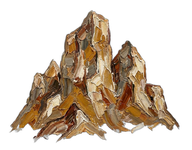
Italy's alpine wine country: Teroldego from the Piana Rotaliana, Trento DOC sparklers raised on dolomitic limestone, and Alto Adige whites perfumed by glacial Read more
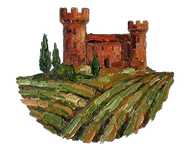
From Barolo's tannic spine to Asti's gentle fizz, Piedmont turns Nebbiolo, Barbera, Moscato, and Cortese into Italy's most cru-mapped wine country. Read more

From Franciacorta classic-method bubbles to Valtellina mountain Nebbiolo and Lugana lake-cool whites, Lombardy spans 5 DOCGs across roughly 25,000 hectares of Read more
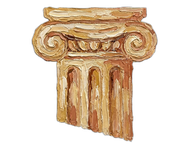
Italy's white-wine heartland, where Friulano, Ribolla Gialla and skin-contact orange wines meet alpine air, Adriatic light and the cooking of San Daniele and Read more
The terroir
Riesling is a thermometer. In the cold Valle Isarco it is all lime and stone; in the warmer Langhe it gains flesh; on the Oltrepo hills it becomes the base for sparkling wine.
Valle Isarco and Val Venosta
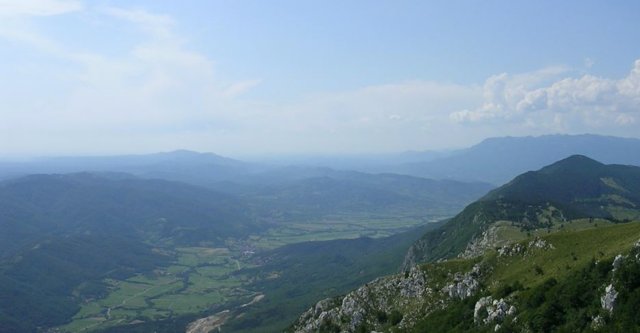
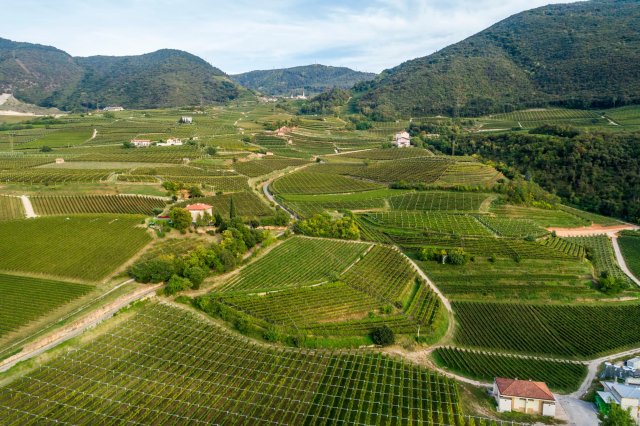
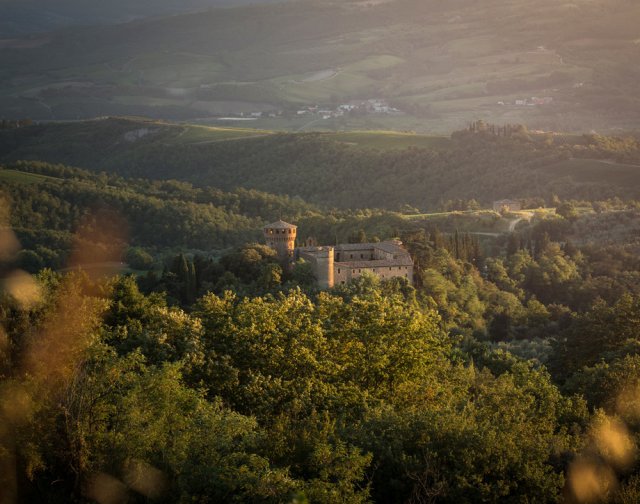
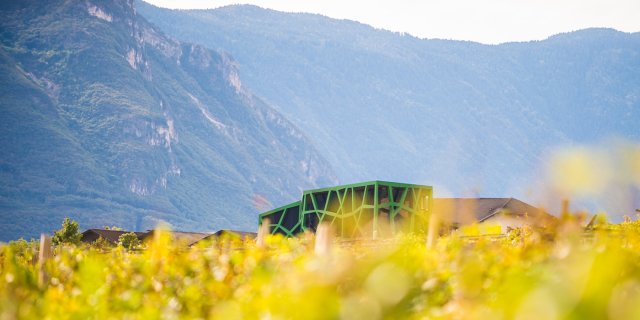
Alto Adige's coldest valleys
Bone dry, lime, wet stone; the age-worthy benchmark.
Langhe
High, cool plots in Barolo country
Riper, rounder, white peach; drinks well young.
Oltrepo Pavese
Lombardy's rolling hills south of Pavia
Still and sparkling; check Renano versus Italico on the label.
Producers
9 estates on the site work with Riesling. Eight at a time, and the line-up changes every week.
Editorial
Riesling comes from the Rhine. Its pedigree, confirmed by DNA markers in the VIVC vine database, has one parent, Heunisch Weiss, and one still unknown. It reached Italy in the nineteenth century and joined the national grape register in 1970 as Riesling Renano. Italy grows only about 450 hectares of it. Riesling Italico, an unrelated grape that shares the name, covers 1,600.
Italy grows about 450 hectares of true Riesling and three times as much of Riesling Italico, an unrelated grape that simply borrowed the name.
The national grape register, entries 209 and 210Its Italian heartland is Alto Adige, in the far north of Trentino-Alto Adige. The Valle Isarco north of Bolzano and the Val Venosta towards the Swiss border are cold, steep and dry. Riesling ripens there slowly and keeps the acidity that gives it its shape. Abbazia di Novacella, Cantina Valle Isarco and Falkenstein in the Val Venosta set the standard. In Trentino, Pojer e Sandri and the Cembra co-op follow suit. The wines are bone dry, lime and green apple with a stony finish. The best keep for a decade and pick up the honey and petrol note that old Riesling is known for.
In the Langhe, Nebbiolo country, a handful of Barolo estates grow Riesling on cooler, higher plots. Ettore Germano's Herzu leads, with bottles from Ca' del Baio, Oddero and Fontanafredda, all riper and rounder than the alpine versions. In Lombardy's Oltrepo Pavese it has been grown since the 1800s, as a still white and as the base for traditional-method sparkling wine such as Calatroni's Inganno. In Friuli, Jermann and Lis Neris make a richer, fuller style.
Muller-Thurgau, a cross of Riesling and Madeleine Royale according to the register, is the everyday white of the Valle Isarco, without the parent's cut or its ability to age. True Riesling is pale straw, all lime, grapefruit and white peach, with a stony, almost salty finish; Italian producers ferment it in steel and bottle it dry.
Good to know
Dry, almost without exception. Alto Adige, Trentino, Langhe and Oltrepo Pavese Riesling is fermented right out and bottled dry, unlike the off-dry German styles many people expect. The rare sweet versions are late-harvest wines, and the label says Vendemmia Tardiva or Passito.
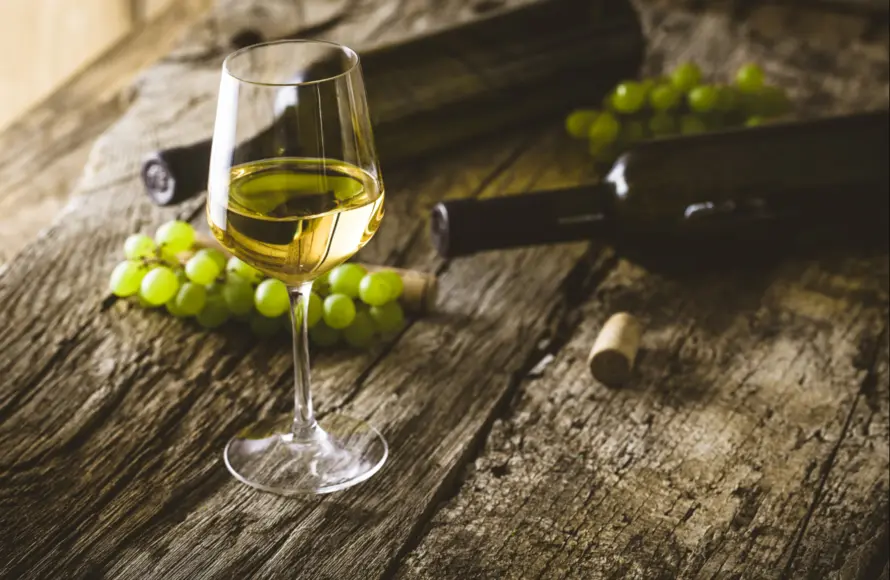
Lime, grapefruit and green apple, with white peach, white flowers and a stony, almost salty finish. It is light in body, bone dry and very high in acidity. After five years or more, the best Alto Adige bottles add honey, beeswax and the famous petrol note, which is a sign of age, not a fault.
Mostly in the mountains. Alto Adige, above all the Valle Isarco and Val Venosta, is the heartland, with Trentino next door. The Langhe in Piedmont has a small but serious pocket, and Lombardy's Oltrepo Pavese has grown it since the 1800s. Friuli, Garda and even Etna have a few rows. Italy has only about 450 hectares in total.
Longer than most Italian whites. Drink the everyday Alto Adige and Trentino bottles within three to five years for the lime and green apple. The top Valle Isarco and Val Venosta wines, from Abbazia di Novacella, Falkenstein or Cantina Valle Isarco, keep for ten years and gain honey and petrol notes. Serve at 8 to 10C and never decant.
Anything smoked, fried or spicy. In Alto Adige it is poured with canederli, speck and smoked trout. Its acidity cuts fried fish and prawn tempura. It is also one of the few Italian whites that stands up to chilli, so pad thai and a Thai green curry both work. Try a Langhe Riesling with vitello tonnato.
Start with Cantina Valle Isarco or Abbazia di Novacella from Alto Adige, both under 20 pounds. Falkenstein in the Val Venosta is the connoisseur's bottle at around 25 pounds. For a different style try Ettore Germano's Herzu from the Langhe, or Calatroni's Inganno, a traditional-method sparkling Riesling from the Oltrepo Pavese.
Prosecco is a sparkling wine from the Veneto made from the Glera grape, usually a touch off-dry. Riesling is a grape, and in Italy it makes mostly still, bone-dry whites in the mountains. The two meet only in the Oltrepo Pavese, where Riesling is sometimes made sparkling by the traditional method, the way Franciacorta is.
Explore by style
Jump to the editorial guide for each style this grape turns up in.
Keep exploring