Bibi Graetz's flagship Supertuscan: 100% old-vine Sangiovese from six Tuscan plots including Lamole, Vincigliata and Montefili on galestro soils. Spontaneous indigenous-yeast fermentation, two years in French barrique. Cherry, Virginia tobacco and le
Look at the front of almost any Italian bottle and one name sits in the largest type. Most people read it as the producer, and often it is. But the law only insists that the bottler can be traced. The label may show a company name, a 'bottled for ... by ...' line, or a code. If it shows a code, another name in the chain must appear in full. That is the rule in force in Britain today, carried over from the European wine regulation and kept after Brexit (assimilated Regulation 2019/33, Article 46).
Turn the bottle round
Three bottler lines, three owners. The small print on the back says who stands behind the name on the front.
01Estate wine
How the line reads
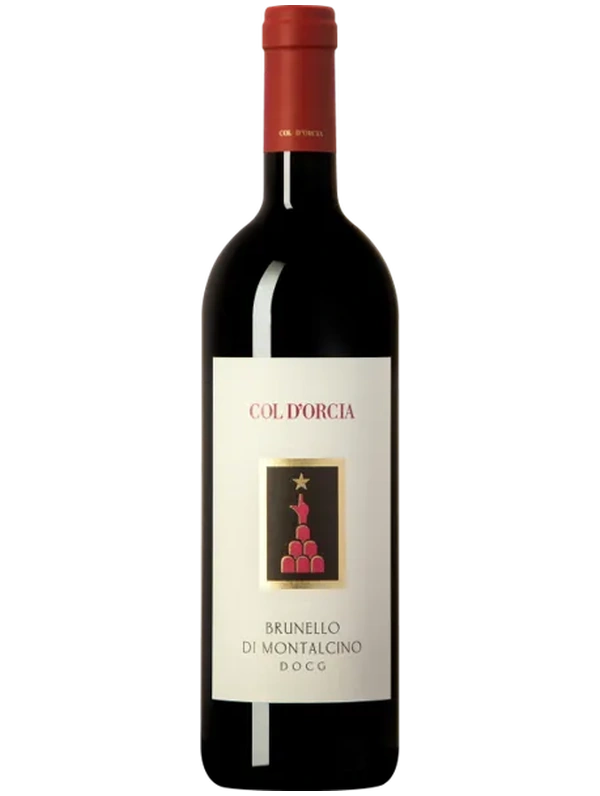
Imbottigliato all'origine da Col d'Orcia, Montalcino, Italia
The bottler is the estate named on the front, and 'all'origine' says the wine was bottled where it was made.
Bottled for Direct Wines Ltd, Theale, Berkshire, by UD 1234
The shop is named in full and the cellar is only a code: a province and a number that mark one bottling plant. Laithwaites is part of Direct Wines Ltd.
Specimen wording. The words on each bottle differ, and the plant code shown is not a real one. These are the three forms the rule allows.
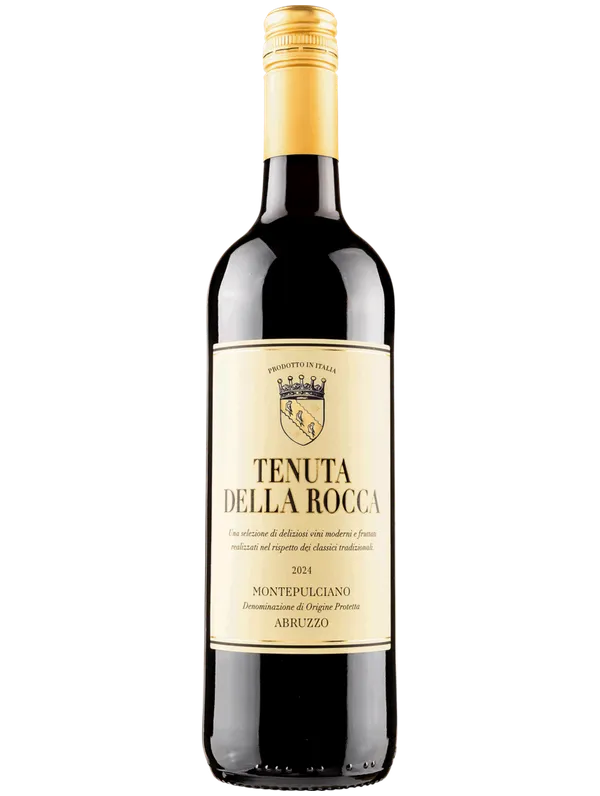
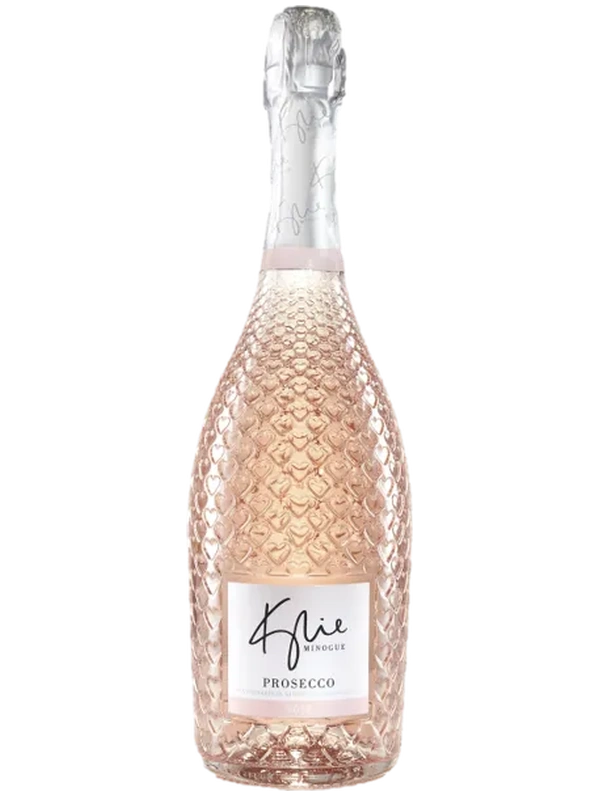
So the big name can belong to one of three owners. An estate wine carries the name of the winery that grew or made it. Col d'Orcia on its Brunello di Montalcino is one. A shop's own label carries a name created by or for the retailer. A producer makes the wine to the shop's brief: Visionario belongs to Laithwaites, Tenuta della Rocca to Virgin Wines. A brand label carries a name owned by a company that is not the estate. Doppio Passo belongs to the bottler Casa Vinicola Botter. Terre Forti belongs to the co-operative group Caviro. Kylie Minogue Prosecco is a licensed name made by Zonin.
Kind of name
Who owns it
What the name tells you
Estate wine
The winery that grew or made the wine
Where it comes from, who made it, and usually a place you can visit
Shop's own label
The shop that sells it: Laithwaites, Virgin Wines, vino.com, Majestic
The style and price the shop wanted; the maker only when the shop chooses to say
Brand label
A bottler, a co-operative group, a drinks company or a licensor
The company behind the name; rarely a vineyard, sometimes not even a region
None of the three is a mark of quality on its own. The same Prosecco DOC rules bind an estate, an own label and a brand alike. What changes is what you can know and what you can compare. The rest of this guide explains why British shelves lean so hard on the last two, and shows how our pages now mark them.
Estate wine Estate wines: the name is the maker
An estate wine is the simplest case. The winery grew the grapes, or bought them from growers it names. It made the wine and put its own name on the front. Italian labels have precise words for the strongest form of this claim. 'Imbottigliato all'origine' means bottled where it was made. 'Integralmente prodotto' means grown, made and bottled by the same hands. Our deep dive into Britain's own-label Italian wines decodes those phrases line by line, so this guide will not repeat them.
On our pages an estate wine wears its maker openly. The winery's name sits under the wine's name and, once we have built the estate's page, links to it. The map card pins the cellar in its village. The trust section says whether the tasting note came from us, the producer or the wider public. Col d'Orcia's Brunello is a good example. Its page names the Montalcino estate in Tuscany, pins it on the map and compares prices from several shops, which is only possible because many hands sell the wine.
The great majority of the wines we list are estate wines with a named maker. A few hundred are not, and the two kinds below account for most of them. Where the maker is a real estate whose page we have not built yet, the wine shows no mark at all. We would rather say nothing than guess.
Shop's own label Shop's own labels: the name belongs to the retailer
A shop's own label starts with the shop. Its buyers decide the style and the price. An Italian producer makes the wine to that brief, and the shop owns or commissions the name on the front. The producer's name appears only if the shop chooses to give it. Britain's mail-order wine clubs built their business on this model. Laithwaites began as Bordeaux Direct in 1969 and has run The Sunday Times Wine Club since 1973. Its 'exclusive special finds' were the pitch from the start, as Jancis Robinson noted in her profile of Britain's biggest wine company.
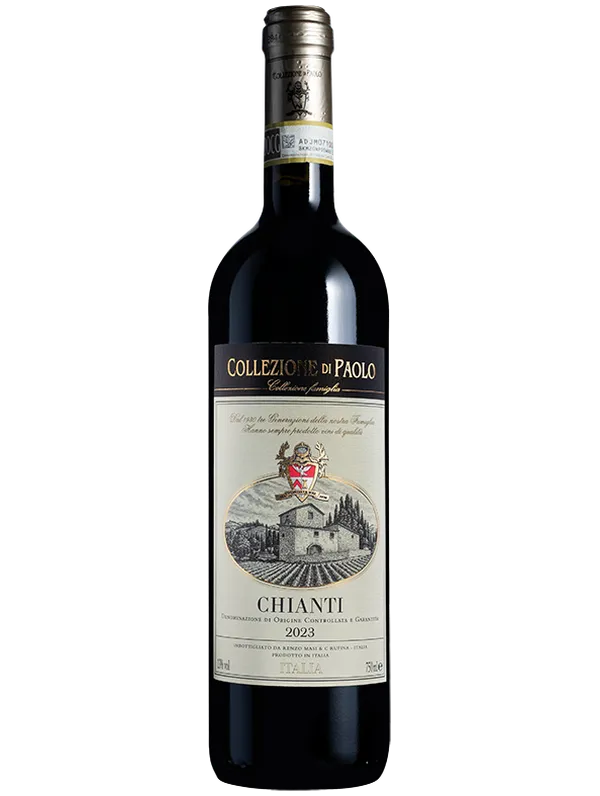
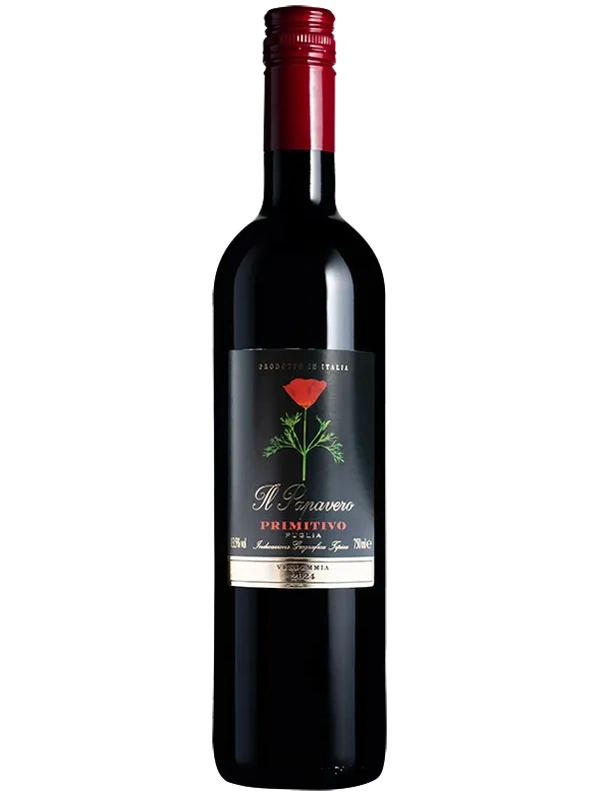
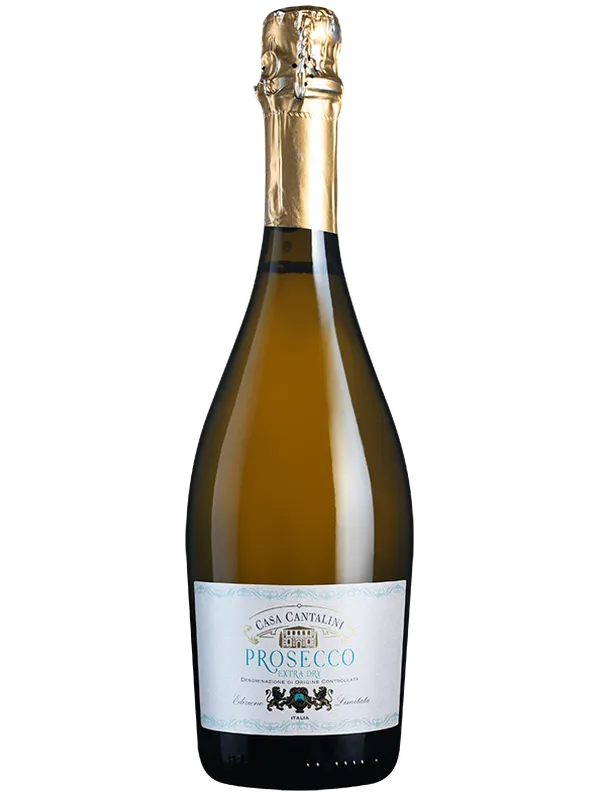
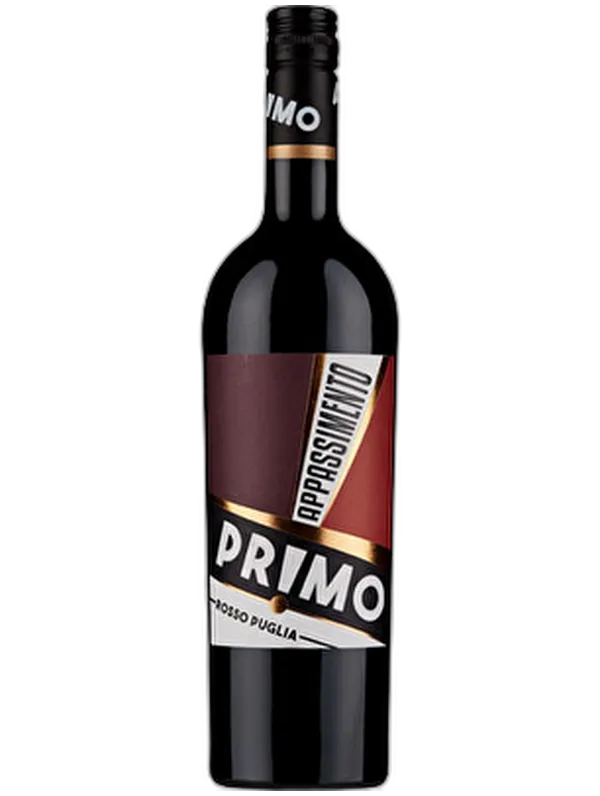
The pattern shows on our own shelves. Nearly half of the Laithwaites wines we list, and a quarter of Virgin Wines', name no producer we could confirm. Sometimes the shop names a winemaker rather than an estate. Laithwaites credits Alessandro Gallici for Visionario, Paolo Masi of Rufina for Collezione di Paolo and Scipione Giuliani for Il Papavero. It names the Tombacco family behind Brezza Bianca. Virgin Wines names Ivano Emiliani as the winemaker of Tenuta della Rocca, a label that sounds like an estate and is a brand name. Sometimes there is no name at all. Laithwaites' numbered Edizione Limitata series discloses nothing. Its Casa Cantalini Prosecco names no cellar, and Majestic's Primo names no cellar behind it.
The honest end of the model names the maker on the front. Majestic relaunched its Definition range in May 2024 with the producer's name beside its own. 'We work with some very good producers, so we want to talk about them', a spokesperson told The Drinks Business. Roberto Sarotto of Piedmont makes its Definition Barolo, Harpers reported. At the other end sit the house labels of vino.com, the Italian online shop. Blumenfeld, Borgo San Frediano, Campo al Faro, Sabaudo and Dal Moro read like estates. The European trade mark register lists them among more than twenty wine names owned by the retailer's own company.
One thing follows from all of this and matters more than any of it. A shop's own label has exactly one seller, by design. There is no second shop to undercut the price and no other listing to check the vintage against. There is rarely an independent tasting to weigh. That is neither good nor bad, but it changes how you should judge the price. The last section covers that.
Brand label Brand labels: bottlers, co-operative groups and licensed names
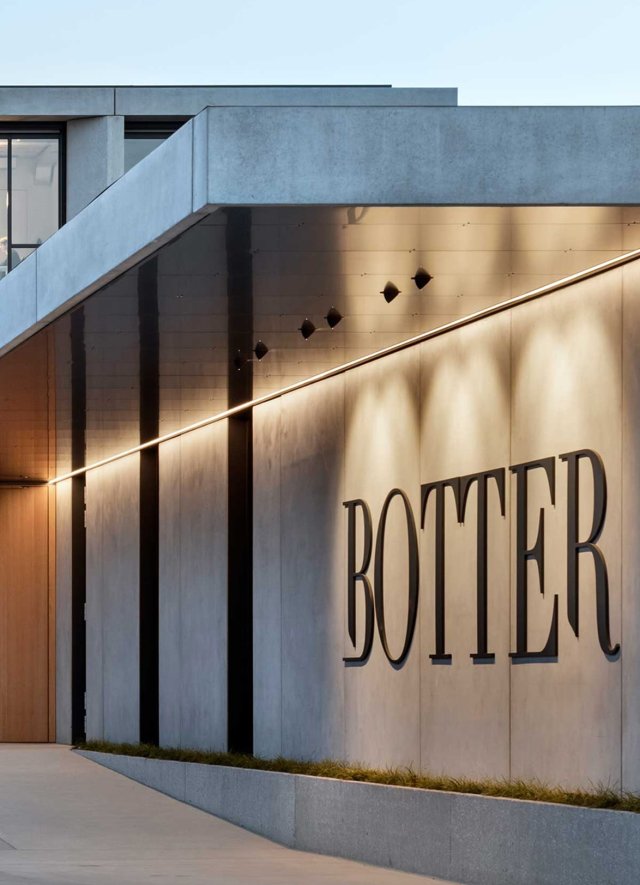
A brand label belongs to a company that is not the estate. Usually that company is one of Italy's big blending and bottling houses. They buy grapes and wine across several regions and sell them under names of their own. Casa Vinicola Botter of Fossalta di Piave, in the Veneto, is the archetype. It sources most of its grapes and wine from partner operations across Italy, alongside a few estates it owns, and has been part of the Argea group since 2022. Its names include Doppio Passo, Caleo and Tor del Colle. Argea reported revenues of 464 million euros in 2024.
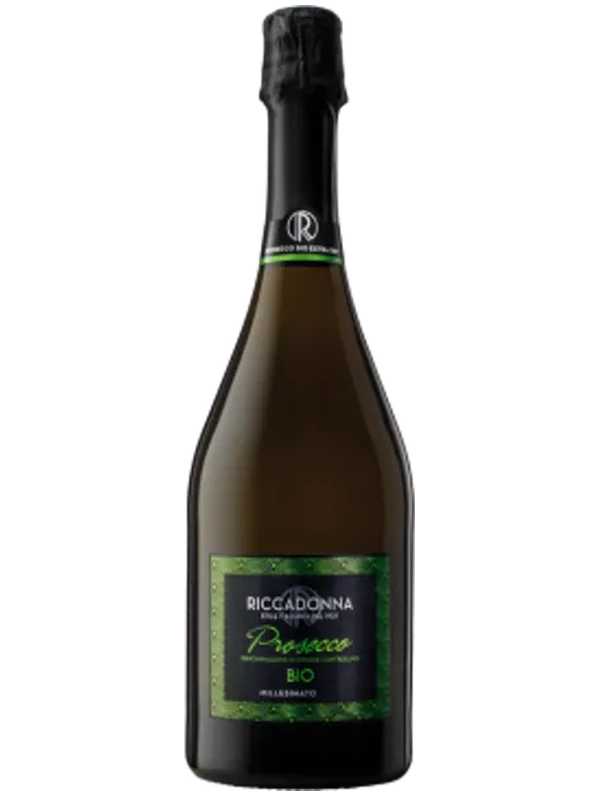
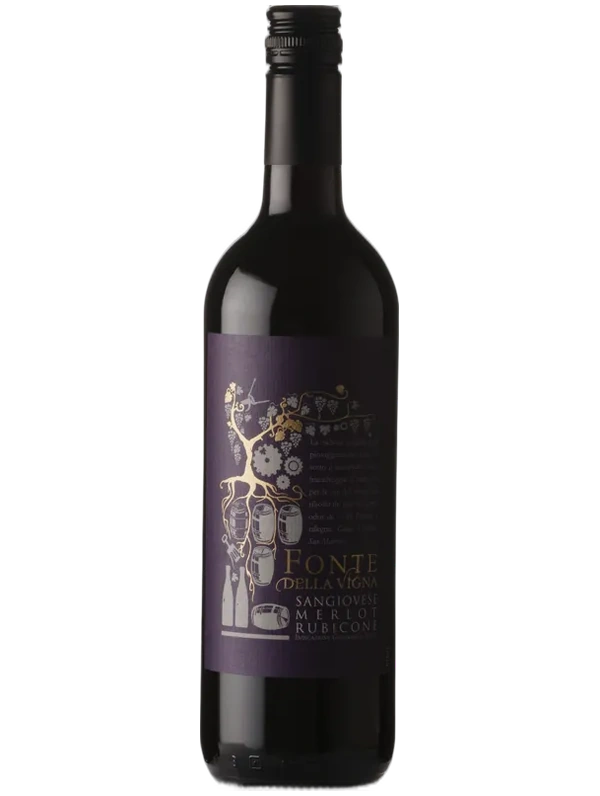
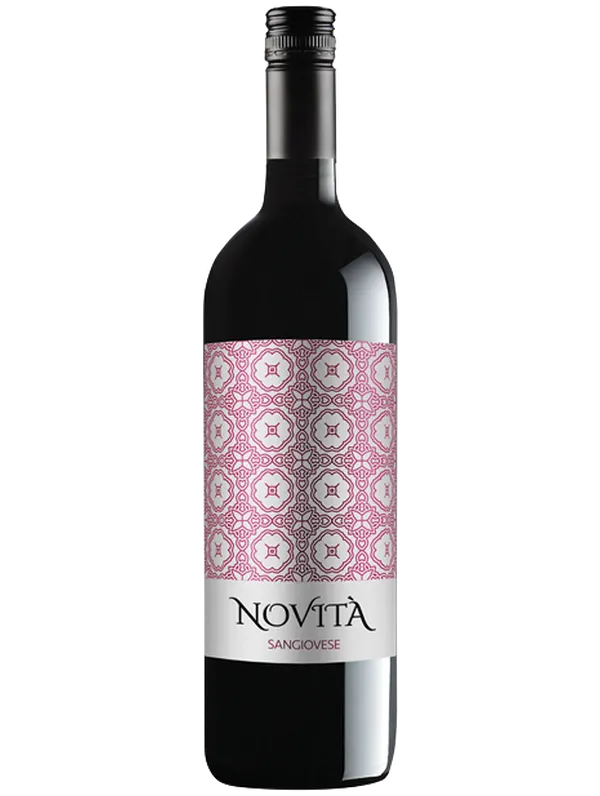
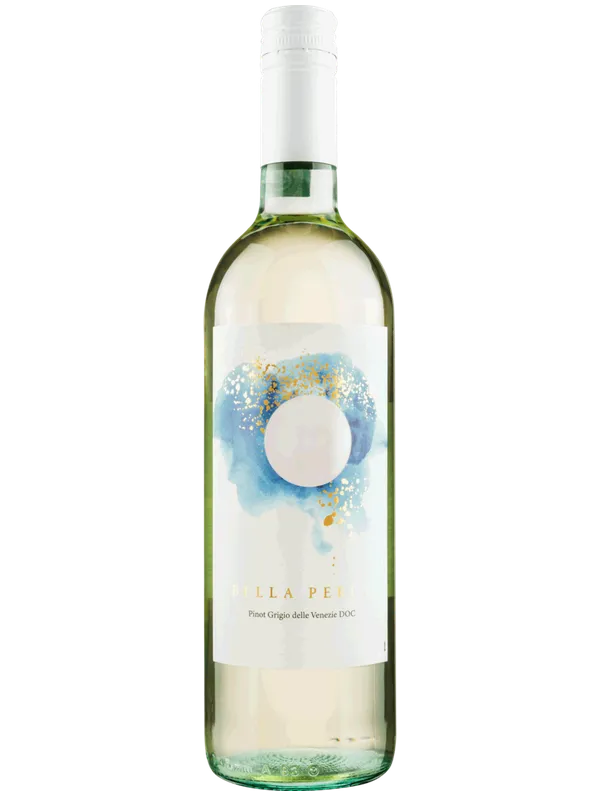
Co-operative groups do the same. Gruppo Caviro of Faenza sells Terre Forti and Fonte della Vigna. Gruppo Cevico of Lugo, in Romagna, sells Novità, Il Sacrato and Romandiola. The Collis group in the Veneto stands behind Bella Perla. Drinks companies join in. Riccadonna is a Campari Group name. The Spanish cava group Freixenet sells an Italian range under its own name. Italian Wine Brands, a group with 402 million euros of sales in 2024, owns lines such as Duca di Saragnano and Elettra.
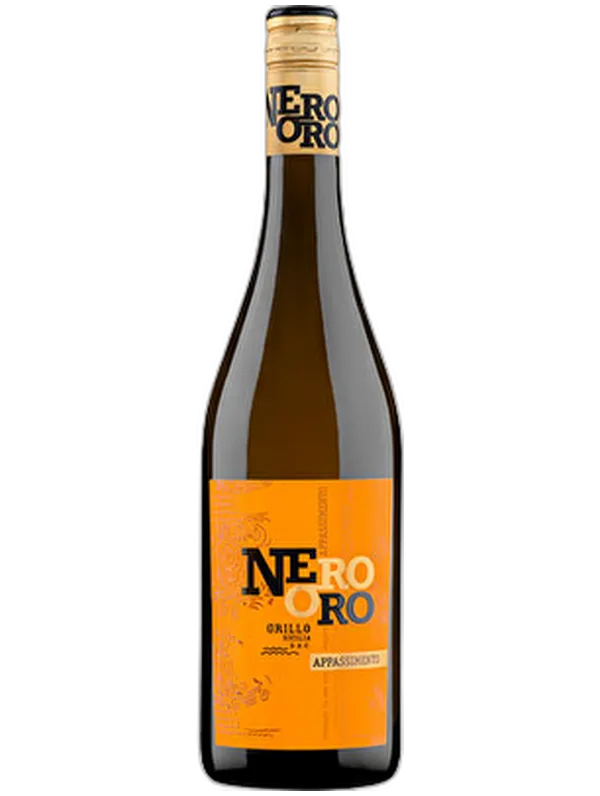
Then there are licensed names. Kylie Minogue Wines launched in May 2020 with the English distributor Benchmark Drinks. Its Prosecco is made by Zonin 1821 at Gambellara. The brand had passed fifteen million bottles by 2024, according to the Italian wine daily WineNews. The Wine People's Nero Oro is a merchant brand of the same kind, with no estate of origin.
What a brand label gives you is consistency and reach, not a place. A house that blends across Puglia, Sicily and the Veneto can keep a Primitivo tasting the same year after year. It does so at a price a single estate cannot match. What it cannot give you is a vineyard to picture or a cellar door to knock on. Our pages therefore say 'A brand of Casa Vinicola Botter, not an estate'. They never dress the company up as a winery.
Britain is own-label country. The Grocer's 2025 wine review, drawn from NIQ data, tells the story in three numbers. Own label added 29.2 million pounds of sales in still wine. Hardys lost 29.9 million and McGuigan 15.6 million. 'Every retailer is focused on it', the head of drinks at Marks and Spencer told the magazine. NielsenIQ's figures for the year to April 2026 show own-label still wine still edging up and beating the brands. The Italian daily Il Giornale put the picture bluntly in March 2025: more than half of the wine sold through British supermarkets is private label.
Italy is the mirror image. Private label took 15.1 per cent of supermarket wine by volume in 2024, according to Circana figures reported by Wine Pambianco. For sparkling wine the share was 7 per cent. Shoppers in Italy and elsewhere have never warmed to a chain's own name printed on the bottle, the chief executive of Italian Wine Brands told the same paper. 'I think of big names like Asda or Tesco', he said. Worldwide, wine's private-label share has hovered around 11 per cent for twenty years, according to Mintel. Britain is the outlier.
Two further things make British bottles harder to read. Since 1 October 2022 a wine sold in Great Britain must carry the name and address of a UK-based importer or bottler. The rules also allow the actual bottler to be shown as a code once another name in the chain appears in full. A back label can therefore show a shop's address in Berkshire and a bottling code, and nothing else about the cellar. The mail-order model then needs wines that no rival can price-match, which is exactly what an exclusive label provides. Direct Wines, the parent of Laithwaites, expected to sell 350 million pounds of wine in its fortieth year, 2009, Jancis Robinson reported. Its subscription club counts more than 100,000 members, the Financial Times said in 2024.
The cellars behind the names
Where we could establish the cellar behind a shop or brand name, we say so on the wine's page. Casa Vinicola Botter at Fossalta di Piave stands behind Caleo, Doppio Passo and Tor del Colle. Zonin 1821 at Gambellara makes the Kylie Minogue Prosecco. Barbanera at Cetona, in southern Tuscany, is part of the Italian Wine Brands group. It makes La Scelta di Sofia for Laithwaites, and the group's Duca di Saragnano wines are sold from Barbanera's own site. The Tombacco family's estate, 47 Anno Domini, stands at Roncade near Treviso. Laithwaites names the family as the makers of Brezza Bianca. Biscardo at Monteforte d'Alpone makes L'Ornato for Virgin Wines. Contri Spumanti at Cazzano di Tramigna owns the Conte di Campiano name.
Two habits let you do this yourself. Turn the bottle round and read the bottler line. The deep dive explains 'imbottigliato da', 'imbottigliato all'origine' and the ICQRF plant code that identifies a single bottling site. And note a change on the way. The European Parliament voted a reform of protected names in February 2024. It says the producer's or operator's name should appear in the same field of vision as the protected name. Gambero Rosso called it 'a boomerang for private labels'. How far it will reach wine on British shelves is not settled, but the direction of travel is towards names, not away from them.
Where we have established that a wine's name belongs to a shop or a brand, its page says so in two places at the top. A third place follows once we have written the page up in full. Beside the classification tag at the top of the page sits a second tag: 'Shop's own label', with a little storefront, or 'Brand label'. Under the wine's name, where an estate wine shows its winery, the page prints the owner instead. It reads 'Own label of Laithwaites', 'A brand of Casa Vinicola Botter, not an estate', or 'A shop's own label' when we know the kind but not the shop. When the maker is also known, the line adds 'made by' and the cellar's name.
On pages we have written up in full, the Sources and trust section adds a card headed 'Who owns this label' that spells it out in a sentence. It adds any note the shop's own page supports, such as 'Laithwaites names the Tombacco family as the makers'. For a one-seller wine it says plainly that there is no price comparison to make. The pricing boxes change too. Instead of a price spread of one number across one shop, the page shows 'Only sold by Laithwaites'. For a shop's own label it adds where the price sits against the other wines of the same appellation we track. Tenuta della Rocca, for instance, is cheaper than nine in ten of the Montepulciano d'Abruzzo we list.
We record an owner only when a source states it plainly. That means the shop's own page, a trade mark register, or a company registration that ties a brand's website to the retailer's. 'Probably' is not enough. A page with no tag is therefore one where the checking is not finished, or where we could not prove the case. Or the maker is a real estate whose page we have not yet built. It is never a page vouching for an estate we have not checked. As of this month 221 wines carry the mark, 84 as shop's own labels and 137 as brand labels.
How to judge the price of a one-seller wine
With one seller there is no cheaper shop to find, so the useful comparison is with the appellation, not the retailer. Two numbers help. The first is what the state takes. From 1 February 2026 UK duty on wine between 8.5 and 22 per cent alcohol is 30.62 pounds per litre of pure alcohol (HMRC). A 75cl bottle at 13 per cent therefore carries 2.99 pounds of duty before anyone has grown a grape. VAT then takes a sixth of the shelf price. On a six-pound own-label red that leaves about two pounds for the wine, the glass, the cork, the shipping and everyone's margin. On a twelve-pound bottle it leaves about seven. The liquid in the second bottle is not twice as expensive to make. It can be three times as expensive, which is why price bands mean more than price tags.
The second number is the appellation's own price band. Our pages put a shop's own label against every other wine of the same denomination we track. They say whether it is cheaper than nine in ten or dearer than seven in ten. A Chianti DOCG own label at fourteen pounds that sits in the middle of the Chianti band is priced as a Chianti. The same wine at twenty-two pounds is priced as an exclusive. The DOCG rules are identical either way, a point our guide to Italian wine classifications makes in detail.
Then use the one comparison a single seller cannot control. Put the bottle beside its appellation's price band on our page, and beside a named estate wine of the same denomination at the same price. If the own label sits at the top of the band with only its exclusivity to show for it, the name is doing the work. If it sits in the middle and drinks like its appellation, the shop has done its job. That is how an own label earns a repeat order, and how a brand label proves it deserves a place beside the estates.
Frequently asked questions
No. The same appellation rules apply. A big Veneto cellar bottling Prosecco DOC for a national wine club has the scale to keep the price keen. What you lose is knowledge, not quality. There is no vineyard to picture, usually no producer to look up, and no second shop to check the price against. Judge the wine against other bottles of the same denomination, which is what our pages now do for you.
Different cellars for different labels, and Laithwaites names some of them. Alessandro Gallici makes Visionario. Paolo Masi in Rufina makes Collezione di Paolo. Scipione Giuliani makes Il Papavero, and the Tombacco family of the Veneto makes Brezza Bianca. Others, such as the numbered Edizione Limitata series, name nobody. Where a maker is named on the shop's own page, our wine page repeats it in the 'Who owns this label' card.
Turn it round. The law requires the bottler to be traceable, by name or by a code. On a bottle sold in Britain a UK importer's or bottler's address must appear as well. That is why the shop's own name is often the biggest line on the back. For what each Italian phrase and code means, from 'imbottigliato da' to the plant code, read our deep dive into Britain's own-label Italian wines, which decodes them line by line.
Because only one shop sells them. A shop's own label is exclusive by definition, so there is no second retailer to compare. The page says 'Only sold by' that shop instead of pretending to show a spread. For a shop's own label it also places the price against every other wine of the same appellation we track. That is the comparison that tells you something.
That the name on the front belongs to a company that is not the estate. It may be a bottler such as Casa Vinicola Botter, or a co-operative group such as Caviro or Cevico. It may be a drinks company such as Campari, or a licensed name such as Kylie Minogue Wines. The wine may be good and consistent, but the name does not point to a vineyard. So we say 'A brand of Casa Vinicola Botter, not an estate' rather than dressing the company up as a winery.
Because we could not prove it, or because the maker is a real estate whose own page we have not built yet. We record an owner only when the shop's own page, a trade mark register or a company registration states it. A guess would be worse than silence. A page without the tag is not a page vouching for an estate. It is a page where the checking is not finished.
Yes. Chianti DOCG on a Laithwaites label answers to the same rulebook as Chianti DOCG from a Rufina estate: the same grapes, yields, zone and ageing. What differs is who put their name on the front and who answers for the wine. Our guide to Italian wine classifications explains what each tier guarantees. It applies to every bottle in this article.
They are shop's own labels in the same sense. The retailer owns the name and a producer makes the wine to its brief. British supermarkets have leaned on them for decades. That is why own label kept growing in still wine through 2025 while big brands shrank, as The Grocer reported. The back label still has to identify the bottler, by name or by code, and the same appellation rules apply.
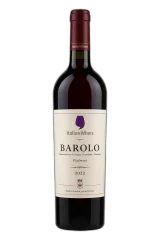
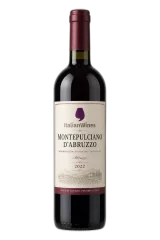
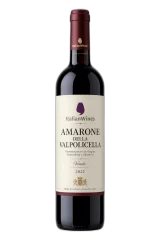
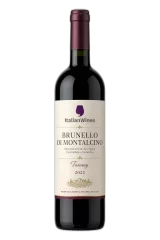
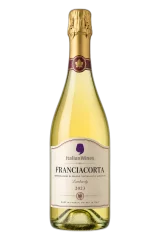
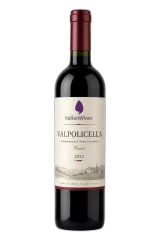
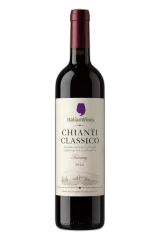
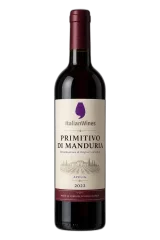





 Estate wine No tag. The winery's name sits under the wine's name and, once we have built its page, links to it.
 Shop's own label The name belongs to the shop that sells it. One seller, and the maker only when the shop says.
 Brand label The name belongs to a bottler, a co-operative group or a licensor, not to the estate.
 Estate wine
 Shop's own label
 Brand label
 Col d'Orcia Brunello di Montalcino
Made by Tenuta Col D’Orcia
Col d'Orcia Brunello di Montalcino
Made by Tenuta Col D’Orcia
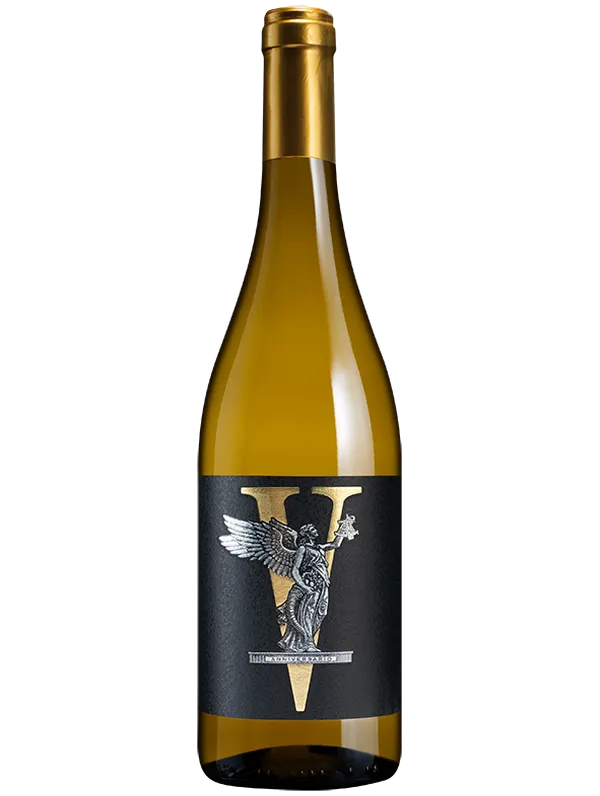 Visionario Anniversario
Own label of Laithwaites
Visionario Anniversario
Own label of Laithwaites
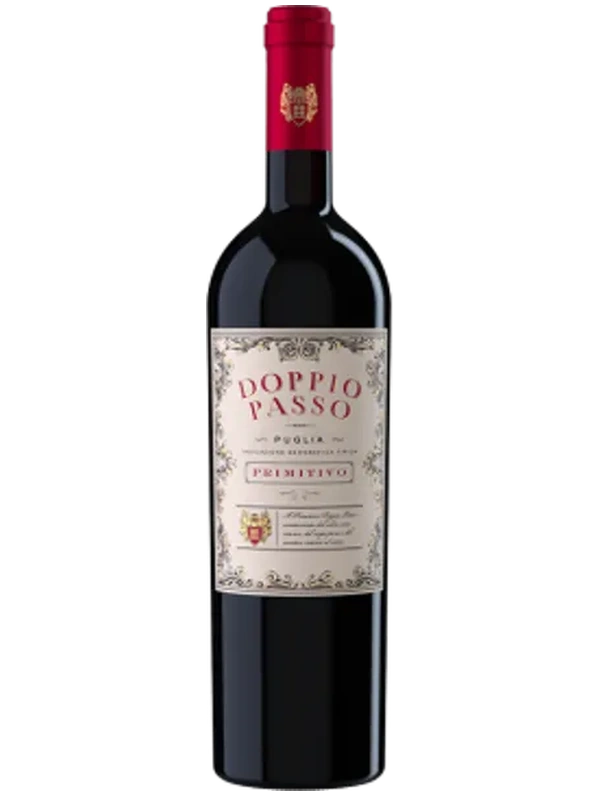 Primitivo - Doppio Passo
A brand of Casa Vinicola Botter, not an estate
Primitivo - Doppio Passo
A brand of Casa Vinicola Botter, not an estate
 51
51