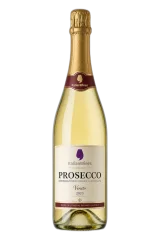
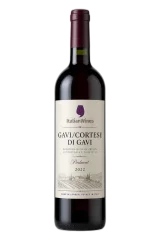
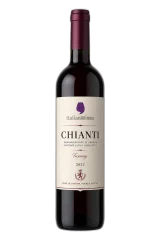
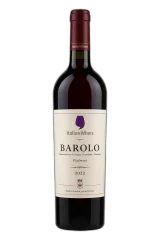
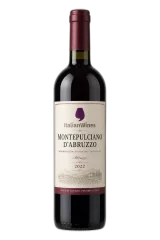
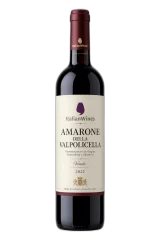
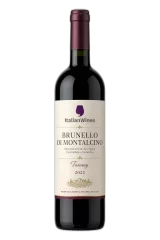
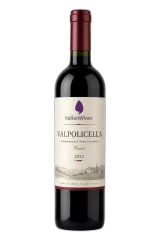
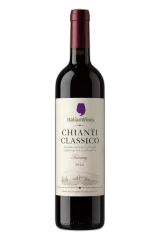
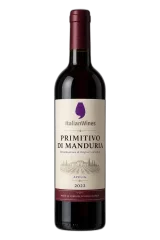
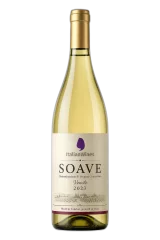
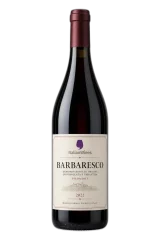
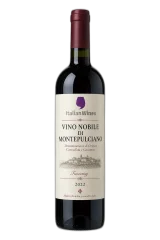
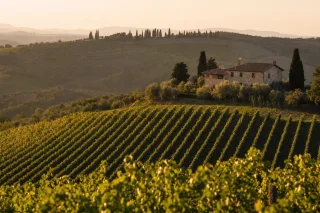
Sangiovese (san-jo-vay-zeh) is the undisputed king of red wines in central Italy.
Red Grape · Puglia
Susumaniello
Puglia's donkey grape: a deep, spicy black grape from Brindisi that was nearly lost in the 1990s and now makes some of Salento's freshest reds and saltiest rosés.
Susumaniello is Puglia's own black grape, born in the countryside around Brindisi. It makes deep, dark reds with black fruit and a spicy edge, and fresh, salty rosés. Growers nearly ripped it all out in the 1990s. Today it is one of the most exciting names in Salento, next to Negroamaro and Primitivo.
Welcome back
Your cellar, your trips, and the wines you've been tracking are right where you left them.
New here?
Create your account
Free, always. Education first, we'll never sell you anything you didn't ask to see.
Already have an account?
Reset your password
Enter the email you signed up with and we'll send a link to choose a new password.
Check your inbox
Setting it straight
More than meets the eye
- Picked from late September into October, later than Primitivo
- Keeps more acidity than most Puglian reds
- Thick blue-black skins give deep colour and ripe grip
- Also made as dry rosé and traditional-method sparkling
- Primitivo is the jammy one: riper, sweeter fruit, softer acidity
- Negroamaro is the bitter one: the name means black bitter
- Susumaniello sits between them: dark fruit, spice, grip and lift
The anchor fact: Susumaniello ripens late, from the end of September, and keeps more acidity than Primitivo or Negroamaro. Its reds taste darker and fresher, not sweeter.
Taste · Where it sits
What it’s actually like in the glass
Forget scores out of five. Here’s Susumaniello described against grapes you already know.
Fuller than an everyday Negroamaro, a step lighter than a 15% Primitivo di Manduria.
Grippier than Primitivo, softer than young Aglianico: the thick skins give tannin that ripens fully in the Brindisi heat.
Late ripening keeps the acidity, so it tastes darker and fresher than Primitivo or Negroamaro from the same plain.
Blackberry and plum rather than the raisiny sweetness of a hot-year Primitivo; the finish stays dry.
Key flavours
The map
Susumaniello is full-bodied, moderate grip, mapped against other red grapes you can buy. The closer a grape sits, the more its weight and grip resemble Susumaniello.
Is this for you?
An honest gut-check
Reach for it when…
A bold red that just works
- A dark, savoury red for grilled meat when Primitivo feels too sweet
- A Salento rosé with a salty edge for seafood and summer
- An Italian grape most of your friends have never tried
Maybe skip it if…
You’re after something else tonight
- You want soft, sweet-fruited comfort: that is Primitivo's job
- You want a light red to chill: Frappato does that better
- You need a big-name label: the best bottles come from small estates
Serving guide
Pour it at its best
Serve at
16-18°C
Warmer than 18C and the 14% alcohol shows; colder than 16C and the tannin turns hard.
Decant
30 minutes
Half an hour in a jug opens a young Torre Testa; the everyday IGT bottles only need a swirl.
Glass
Large Balloon Glass
A wide bowl lets the black fruit out and softens the pepper.
Drink within
3-5 days
Most Salento IGT bottles are at their best within two to eight years of the vintage.
Cellar
2-8 years
Only the old-vine Brindisi DOC reds, such as Torre Testa, reward a decade.
On the table
What to eat with Susumaniello
Start with the home-table matches that made the grape, then browse the full cuisine library.
Salento's octopus stew
Polpo alla pignata
Octopus cooked slowly in tomato and red wine turns rich and sweet. The grape's grip and freshness cut through it, and its black pepper meets the chilli in the pot.
Puglia's Sunday pasta
Orecchiette con cime di rapa
Bitter turnip tops, anchovy and garlic need a red with fruit but no sweetness; Susumaniello's dark berries carry the bitterness and its acidity handles the oil.
The barbecue bottle
BBQ ribs
Smoke, char and sticky glaze want a full-bodied red with ripe tannin; the tannin scrubs the fat and the plum fruit matches the sweetness of the sauce.
One for the rosé
Cozze arraganate
Baked mussels with breadcrumbs and pecorino are salty and rich; a dry Susumaniello rosé brings its own salty edge and enough fruit to stand up to the cheese.
Buy it · three to start with
Not sure which bottle? Start here
A curated trio across the price range, then every Susumaniello on sale in the UK right now.
Entry · everyday
1 retailer
Salento Susumaniello Rosso Agricole Vallone
Salento
1 retailer
£10.95
Why this one: A historic Salento estate inside the Torre Guaceto nature reserve, for about £11: juicy mulberry fruit, spice on the finish, easy to like.
The sweet spot
2 retailers
Salento IGP Susumaniello Susco San Marzano
Salento
2 retailers
£19.00
Why this one: San Marzano's Susco spends six months in barrel, which brings out the spice and balsamic notes while the wine stays fresh. Around £19.
Special occasion
1 retailer
Brindisi DOC Susumaniello Torre Testa Tenute Rubino
Brindisi
1 retailer
£48.00
Why this one: The wine that brought the grape back. Old vines at Jaddico, a year in French oak, a year in bottle: deep, spicy and built to keep.
12 of 22 bottles
2 retailers
Salento IGP Susumaniello Susco San Marzano
Salento
2 retailers
£19.00
1 retailer
Puglia IGT Susumaniello Selezione Luigi Losito & Guarini
Puglia
1 retailer
£10.70
1 retailer
Salento Susumaniello Rosso Agricole Vallone
Salento
1 retailer
£10.95
1 retailer
Salento Egoroseo Susumaniello Rosato Cantina Sampietrana
Salento
1 retailer
£11.90
1 retailer
Salento Susumaniello IGT Velarino
Salento
1 retailer
£13.40
1 retailer
Puglia IGT Morso Rosso Susumaniello Tenuta Viglione
Puglia
1 retailer
£13.90
1 retailer
Santa Gemma Susumaniello Manduria Consorzio Produttori Vini e Mosti Rossi
Salento
1 retailer
£14.50
1 retailer
Rosarina, Salento, Cantina Elia, Puglia, Italy
Salento
1 retailer
£14.95
1 retailer
Salento Susumaniello IGP Cantalupi Conti Zecca
Salento
1 retailer
£15.60
1 retailer
Ninino, Salento, Cantina Elia, Puglia, Italy
Salento
1 retailer
£15.95
1 retailer
Puglia IGP Susumaniello Pillastro
Puglia
1 retailer
£16.00
1 retailer
Salento IGT Susumaniello Rosso Oltremé Tenute Rubino
Salento
1 retailer
£17.20
£18.11
Denominations
Where it earns a name on the label
The appellations where Susumaniello plays a starring role.
Where it grows
Where Susumaniello grows in Puglia
Puglia
From Manduria's Primitivo bottlings to Salento's Negroamaro estates and Castel del Monte's Nero di Troia DOCG hills, Puglia offers Italy's deepest catalogue of warm-climate native reds.
The terroir
Almost every Susumaniello vine stands within an hour of Brindisi, but the coast and the inland plain give different wines.
Brindisi coast
Jaddico and San Vito dei Normanni
Sandy soils over limestone and a steady sea wind: the deepest, most structured reds, and the DOC blends with Negroamaro.
Salento plain
Mesagne, Cellino San Marco, San Donaci
The everyday IGT reds and most of the rosés: ripe, dark and made to drink within a few years.
Valle d'Itria and the Murgia
Higher, cooler ground inland
Allowed here only since 2003, so these are the newest plantings, sold under an open-ended IGT label.
Editorial
About Susumaniello
The name is the story. Somarello means little donkey in Italian. A young Susumaniello vine carries a huge crop, loaded like a donkey. As the vine ages the yield falls away, to under a kilo of grapes per plant at Puglia's best estates. That drop is why growers pulled it out in the early 1990s, when a big crop paid and a small one did not. It is also why the wine from old vines is so concentrated.
Somarello means little donkey. The young vine is loaded like one; the old vine gives less than a kilo of grapes and all of the flavour.
Tenute Rubino, the estate that brought Susumaniello backSusumaniello has been on Italy's national grape register since 1974, and its official description dates from 1960. DNA markers show that Sangiovese is one parent. The other is still unknown. Its home is the province of Brindisi: San Vito dei Normanni, Mesagne and Cellino San Marco. Only about 50 hectares are planted in the whole of Italy, roughly 70 football pitches, and nearly all of them are in Puglia.
The revival began at Jaddico, 8 kilometres north of Brindisi on the Adriatic coast. In the early 2000s Tenute Rubino replanted the grape from cuttings taken off a 75-year-old vineyard. Since 2003 Puglia has allowed it across the central Murgia too. So it now appears in Valle d'Itria IGT as well as Brindisi DOC and Ostuni DOC. In Brindisi it usually plays second fiddle to Negroamaro. Most bottles sold in the UK are Salento or Puglia IGT wines made from the grape alone.
In the glass, thick blue-black skins give deep colour and firm but ripe tannin. The grape ripens late, from the end of September, so it keeps more acidity than Primitivo. Expect blackberry, plum and mulberry, black pepper and a wet-earth note on the older wines. Picked early and pressed gently it makes a pale, salty rosé in the Italian rosato tradition. Tenute Rubino even makes a traditional-method sparkling wine from it. If you want to know how rosé is made, the Salento versions are a good place to start.
Good to know
Frequently asked
Susumaniello tastes of blackberry, plum and mulberry with black pepper and a touch of wet earth. The reds are deep in colour and full-bodied, with ripe tannin and more freshness than Primitivo. The rosé is dry, floral and a little salty.
Because somarello means little donkey in Italian. A young vine carries a crop so heavy it looks loaded like a donkey. As the vine ages the yield drops to under a kilo per plant, and that is when the wine gets serious.
It grows in the same part of Salento but tastes different. Primitivo is riper and sweeter in the fruit. Negroamaro is more bitter and savoury. Susumaniello sits between them: dark fruit, spice, grip and a fresher finish. In Brindisi DOC it is often blended with Negroamaro.
From the province of Brindisi in Puglia, around San Vito dei Normanni, Mesagne and Cellino San Marco. It has been on Italy's national grape register since 1974. DNA markers show Sangiovese is one parent; the other is still unknown.
Pale, dry and fresh, with floral notes and a salty edge. Tenute Rubino's Oltremé and San Marzano's Amai are the easiest to find in the UK. The grape also makes pét-nat and traditional-method sparkling rosé.
Serve the red at 16 to 18C in a large glass, and give a young bottle half an hour in a jug. Most Salento IGT bottles are best within two to eight years of the vintage. Old-vine wines such as Torre Testa can go longer.
Explore by style
Wine styles made from Susumaniello
Jump to the editorial guide for each style this grape turns up in.
Keep exploring