Red Grape · Trentino-Alto Adige

Lagrein

Bolzano's own red: inky, plummy and mineral, a cross of Schiava and Teroldego grown by monks since the 1500s. Also the source of Italy's best-kept-secret rosé, Kretzer.

Lagrein is the dark red grape of Bolzano, in the Alto Adige valleys of northern Italy. It makes an inky, plummy wine with real grip and a mineral edge, and a fragrant rosé the locals call Kretzer. A cross of Schiava and Teroldego, it has been grown by the monks of Gries since at least the 1500s.

55
Bottles live now
11
UK retailers
3
Denominations

Also known as

Same grape, many labels

Lagrein Dunkel / Scuro

The dark red. Dunkel is German for dark, Scuro the Italian; most labels now just say Lagrein.

Lagrein Kretzer / Rosato

The rosé, pressed quickly off the skins. Kretzer is the traditional Bolzano name; Rosato the Italian one.

Südtirol Lagrein

Same wine as Alto Adige Lagrein: the DOC carries both names and producers pick one for the label.

Grieser Lagrein

From Gries, the Bolzano district that is the grape's historic home and still its best site.

Lagrein Riserva

Aged at least two years before release; the bottles to keep for a decade.

Lagarino, Lagrain

Old spellings found in the register and in Goethe's 1876 vine catalogue; not the white Lagarino Bianco.

The anchor fact: One grape, two wines and two languages. Lagrein Dunkel or Scuro is the dark red and Lagrein Kretzer or Rosato is the rosé. Südtirol on the label means the same DOC as Alto Adige.

Taste · Where it sits

What it’s actually like in the glass

Forget scores out of five. Here’s Lagrein described against grapes you already know.

BodyFull, not heavy
LightFull

Much fuller than Schiava, its parent, and darker than Pinot Nero from the same valleys; close to Teroldego, its other parent, in weight.

TanninFirm, once rough
SoftGrippy

More grip than Teroldego or Schiava. The old wines were famously chewy, and shorter skin contact since the 1980s has tamed rather than removed it.

AcidityAlpine freshness
SoftZippy

Higher than most reds this dark: the cold Bolzano nights keep the acidity up, which is why a 14% Lagrein still tastes fresh.

Fruit & sweetnessPlum, bone dry
DrySweet

Plum and blackberry with no sweetness; the Kretzer rosé is drier than most Provence pinks.

Key flavours

Plum
The core of every Lagrein: ripe plum from the sun-trap gravel of the Bolzano basin. It is what Eric Asimov meant by plummy and chewy.
Blackberry
Wild dark berries sit beside the plum, clearest in the unoaked wines such as Hofstätter's.
Black cherry
A darker cherry than Schiava's red-cherry note; it is the fruit that carries into the Kretzer rosé.
Violet
The floral lift that producers from Andriano to Hofstätter put first on their tasting notes. It fades with long oak ageing, so look for it in the younger wines.
Chocolate
A dark-chocolate note appears in the Riserva wines after a year in barrique, as in Elena Walch's Castel Ringberg.
Forest Floor
The earthy, leafy note under the fruit that marks Lagrein out from the cleaner Pinot Nero of the same valleys.
Wet stones
The pronounced mineral edge of the gravel-floor vineyards, sharper in Gries than on the warmer slopes further south.
Structured · Tannic Soft · Approachable Light-bodied Bold · Full Sangiovese Nebbiolo Merlot Pinot Nero Cabernet Sauvignon Corvina
Lagrein

The map

Lagrein is full-bodied, firm tannin, mapped against other red grapes you can buy. The closer a grape sits, the more its weight and grip resemble Lagrein.

Lagreinfull-bodied, firm tannin
Sangiovesea close match
Nebbioloa close match
Merlota close match
Pinot Neromuch lighter, far softer
Cabernet Sauvignonfuller, firmer
Corvinalighter, softer

Is this for you?

An honest gut-check

Reach for it when…

A bold red that just works

  • A dark, full red for dumplings, stews and roast beef that does not weigh you down
  • The Kretzer rosé for speck, cheese and a mountain terrace
  • A Riserva from Gries to keep for ten years at half the price of Barolo

Maybe skip it if…

You’re after something else tonight

  • You want a soft, easy red: Schiava, from the same hills, is the gentle one
  • You want a big, sweet-fruited red: Lagrein is dry and firm
  • You cannot give it air: a young Lagrein needs half an hour in the glass

Serving guide

Pour it at its best

Serve at

16-18°C

16 to 18C for the red; too cold and the tannin hardens. The Kretzer rosé wants 10 to 12C.

Decant

30 minutes

Half an hour in a jug for a young red; a Riserva from Gries can take an hour.

Glass

Bordeaux Glass

A wide bowl lets the violet and plum out and softens the grip.

Drink within

3-5 days

Standard Lagrein within three to five years; Kretzer within two.

Cellar

3-10 years

Riserva bottles keep ten years; the tannin softens and the chocolate note comes forward.

Buy it · three to start with

Not sure which bottle? Start here

A curated trio across the price range, then every Lagrein on sale in the UK right now.

Entry · everyday

Trentino DOC Bottega Vinai Lagrein Cavit

Trentino DOC Bottega Vinai Lagrein Cavit

Trentino

2 retailers

£12.60

View Wine

Why this one: Cavit's Trentino Lagrein is the soft, early-drinking version from the Adige valley. Plum and spice without the Bolzano grip, in three UK shops at about £15.

The sweet spot

Südtirol - Alto Adige DOC Lagrein Hofstätter

Südtirol - Alto Adige DOC Lagrein Hofstätter

Alto Adige/Südtirol

3 retailers

£17.00

View Wine

Why this one: Hofstätter's is the classic Alto Adige style: dense, almost black, wild berries and violet over velvety tannin, around £17.

Special occasion

Südtirol - Alto Adige DOC Grieser Lagrein Riserva Prestige Cantina di Bolzano SAVE -20%

Südtirol - Alto Adige DOC Grieser Lagrein Riserva Prestige Cantina di Bolzano

Alto Adige/Südtirol

1 retailer

£34.40

£43.00

View Wine

Why this one: From Gries itself, the grape's home district: hand-picked, fermented in wood, a year in French barriques and big barrels. The benchmark, about £43.

12 of 52 bottles

Denominations

Where it earns a name on the label

The appellations where Lagrein plays a starring role.

Alto Adige/SüdtirolDOC TrentinoDOC Vigneti delle Dolomiti / Weinberg DolomitenIGT

Where it grows

Where Lagrein grows in Trentino-Alto Adige

Trentino-Alto Adige wine region

Trentino-Alto Adige

Italy's alpine wine country: Teroldego from the Piana Rotaliana, Trento DOC sparklers raised on dolomitic limestone, and Alto Adige whites perfumed by glacial air.

865 wines · 12 denominations
Explore the Trentino-Alto Adige guide

The terroir

Lagrein is a valley-floor grape. The difference between bottles is how warm the floor is and how long the wine sees oak.

Editorial

About Lagrein

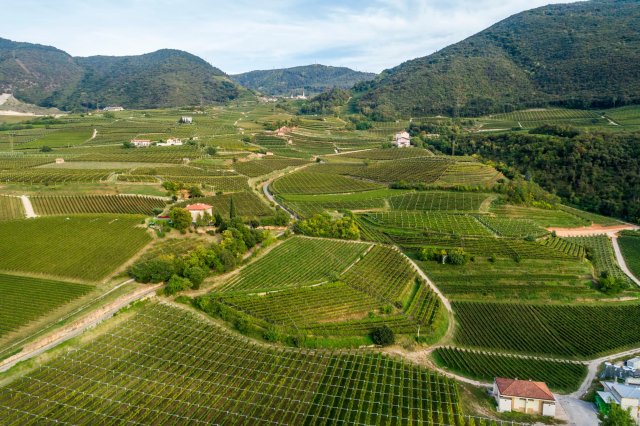
Lagrein grows on the floor of the Bolzano basin, where the Adige and Isarco valleys meet. The valley floor is deep sand and gravel that soaks up the sun. The district of Gries, now part of the city, is its historic home. The Benedictine monks of Muri-Gries were making it there in the 1500s, and their abbey cellar still does. About 650 hectares are planted, nearly all in Trentino-Alto Adige, with a few rows in Austria, Germany, California and Australia.

Deliciously plummy, earthy and chewy, dark and full-bodied but not heavy, with a pronounced minerally edge.

Eric Asimov, The New York Times, 2011

DNA work in 2006 settled its family tree. Lagrein is a natural cross of Schiava Gentile and Teroldego. That makes it a cousin of Syrah and Pinot Nero through Teroldego's side. It has been on Italy's grape register since 1970, and its official description dates from 1960. Medieval documents already name it, and by the late 1400s it appears as Lagreiner.

The grape comes in two colours of wine. Lagrein Dunkel, or Scuro, is the dark red: almost black in the glass, with plum, blackberry and violets. Oak adds a chocolate note. The tannin used to be rough. Since the 1980s growers have shortened the time on the skins and used gentler oak. The modern wines are dark and full without being heavy. Lagrein Kretzer, or Rosato, is the rosé, pressed quickly off the skins: fruity, dry and one of the best pink wines in Italy.

Almost every bottle is Alto Adige DOC, labelled in Italian or German. The best carry a village or a vineyard name: Gries above all. The Riserva wines age two years and keep for ten. In Trentino, to the south, Cavit and La Vis make softer, earlier-drinking versions from the Adige valley slopes. Lagrein also slips into Santa Maddalena, the light Schiava red of the same hills, as a colour-and-grip top-up.

Good to know

Frequently asked

Lagrein tastes of plum, blackberry and black cherry with violets, a chocolate note when it has seen oak, and an earthy, stony finish. It is dark, full-bodied and firmly tannic but not heavy, with fresh acidity from the alpine nights. The rosé, Kretzer, is dry and fruity.

From Bolzano in Alto Adige, northern Italy. Its historic home is Gries, a district of the city where Benedictine monks grew it in the 1500s. About 650 hectares are planted, almost all in Trentino-Alto Adige, on the sandy gravel of the valley floor.

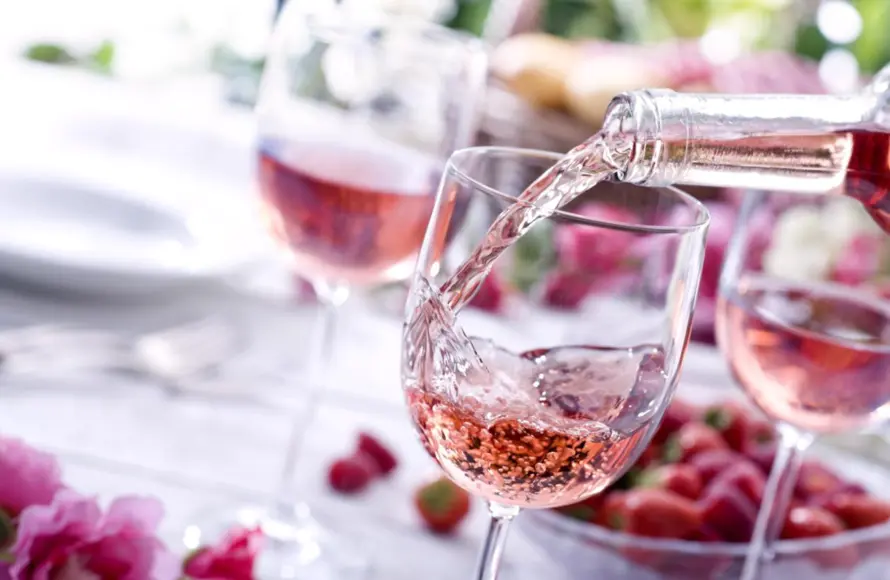
Kretzer is the local name for Lagrein rosé, also labelled Lagrein Rosato. The grapes are pressed soon after picking so the wine stays pink: dry, fruity and fresh. It is one of Italy's best rosés and the traditional summer wine of Bolzano.

Distantly. DNA tests show Lagrein is a cross of Schiava Gentile and Teroldego, and Teroldego is related to Syrah and Pinot Noir. So Lagrein is a cousin of Syrah, which fits its dark colour and peppery, plummy style.

A standard Alto Adige Lagrein is best within three to five years. Riserva wines, which age at least two years before release, keep for ten. Serve it at 16 to 18C and give a young bottle half an hour of air.

Cantina Bolzano's Grieser Riserva Prestige is the benchmark from Gries, and Muri-Gries is the abbey that started it all. Hofstätter, Elena Walch, Alois Lageder, Andriano, Tramin and Terlano all make good Lagrein at £15 to £25. Cavit and La Vis cover the Trentino style.

Explore by style

Wine styles made from Lagrein

Jump to the editorial guide for each style this grape turns up in.

Keep exploring

More red grapes