




Vegan Wine Explained: Is Italian Wine Vegan, and How to Tell
TL;DR
- Vegan wine is decided in the cellar, not the vineyard: it is wine clarified without animal-derived fining agents such as egg white, milk casein, isinglass or gelatine.
- Italian labels rarely say vegan, so look for a certification mark, treat a 'contains milk' or 'contains egg' line as a no, and check the producer's own statement.
- Plenty of Prosecco, Chianti Classico and Franciacorta already qualifies: Querciabella, Perlage, Pizzolato, La Gioiosa and Barone Pizzini all confirm their wines are vegan.

What makes a wine vegan, and what does not
Grapes, yeast and time are all vegan. So is fermentation. If wine were only crushed grapes turned into alcohol, every bottle would qualify and the question would never come up. It comes up because of one step near the end of how wine is made: clarification, which winemakers call fining.
A young wine is cloudy. It holds suspended yeast cells, grape proteins and tannins that can taste harsh now or throw a haze in the bottle later. Fining adds a small amount of a substance that binds to those particles so they clump together and sink; the wine is then racked off the sediment or filtered, and the fining agent leaves with it. Almost none stays in the finished wine, which is why the label so rarely mentions it.
For centuries the most convenient fining agents were animal proteins: egg white in the red-wine cellars of Tuscany and Piedmont, milk protein for whites, and fish gelatine for anything that needed to sparkle bright. A wine fined with any of them is not vegan, even though you will never taste the egg or the milk. A vegan wine is simply one where the winemaker chose a mineral, plant or synthetic alternative, or skipped fining altogether.
That is the whole definition. Vegan says nothing about the vineyard, the grape, the region or the quality. A supermarket Pinot Grigio can be vegan and a hand-tended Barolo can fail the test, or the other way round. The rest of this guide is about how to tell which is which.
The animal products that can end up in your glass
Five animal-derived fining agents matter in practice, each with a slightly different job, which is why traditional cellars kept several on the shelf. Dried blood, once used around the Mediterranean, is no longer permitted in the EU.
| Fining agent | Comes from | Job in the cellar |
|---|---|---|
| Egg white (albumin) | Hen's eggs | Softens tannin in young reds |
| Casein | Cow's milk | Clears browning and bitterness in whites |
| Isinglass | Fish swim bladders | Polishes whites and sparkling wines |
| Gelatine | Pork or beef skin and bone | Clears haze, strips excess tannin |
| Chitosan (shellfish type) | Crab and shrimp shells | Removes haze and spoilage yeasts |
Every agent is removed with the sediment, so a wine fined with egg white does not contain egg in any meaningful sense; the objection is ethical, not about what is in the glass. And the amounts are tiny: a few grams of egg white per hundred litres will soften a tank of Sangiovese.
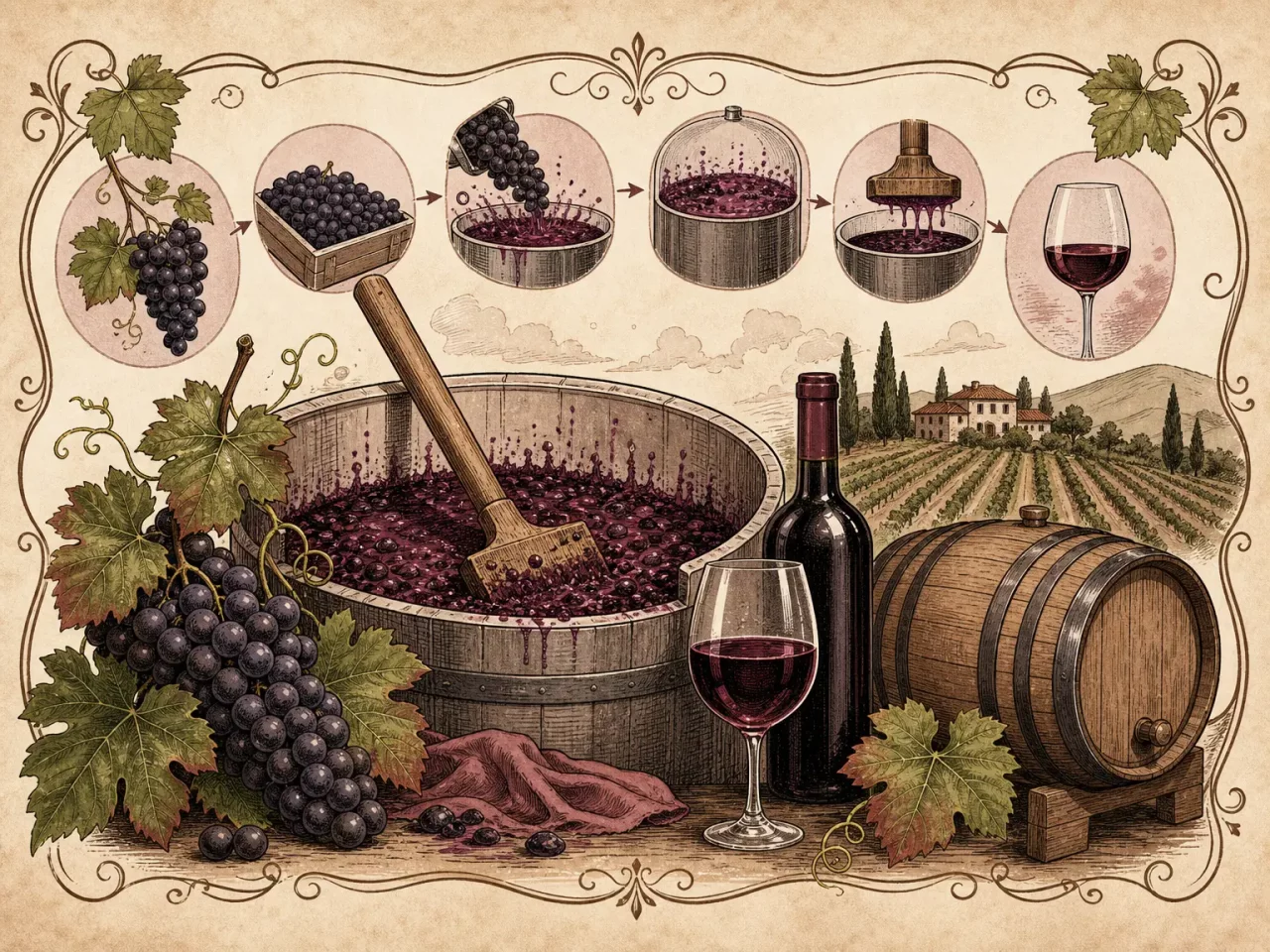
The tannin point matters for Italian reds. Tannins, the drying compounds that give structure to Nebbiolo and Sangiovese, bind to proteins, and egg white is a protein: it was the gentle, cheap way to round off a grippy young red at the fining stage of how red wine is made. Modern cellars get the same result with pea protein, or with more time in barrel.
The vegan alternatives Italian cellars use instead
The vegan toolkit is older and more varied than most drinkers expect.
- Bentonite, a clay formed from volcanic ash, is the workhorse for whites and sparkling wines. It pulls out the heat-sensitive proteins that would otherwise turn a Pinot Grigio hazy on a warm shelf, the stabilisation step of how white wine is made.
- Pea and potato protein do the tannin-softening work that egg white used to do in reds. Gambero Rosso notes that pea flour now stands in for albumin and potato protein for isinglass in vegan cellars.
- Fungal chitosan, grown from the Aspergillus mould rather than taken from crab shells, handles protein haze and spoilage yeasts and is vegan.
- PVPP, a synthetic polymer, removes bitterness and browning from whites.
- Activated charcoal and silica sol deal with colour faults and haze without any animal input.
- No fining at all. Many traditional and natural producers let gravity, cold and time do the work, then bottle the wine unfined and often unfiltered.
All of these are on the EU's list of permitted winemaking practices, the list our guide to wine additives walks through, and none changes a wine's character in a way you would notice. What changes is the paperwork: a producer using only bentonite and pea protein can call its wines vegan, and apply for a certification mark if it wants a logo on the label.
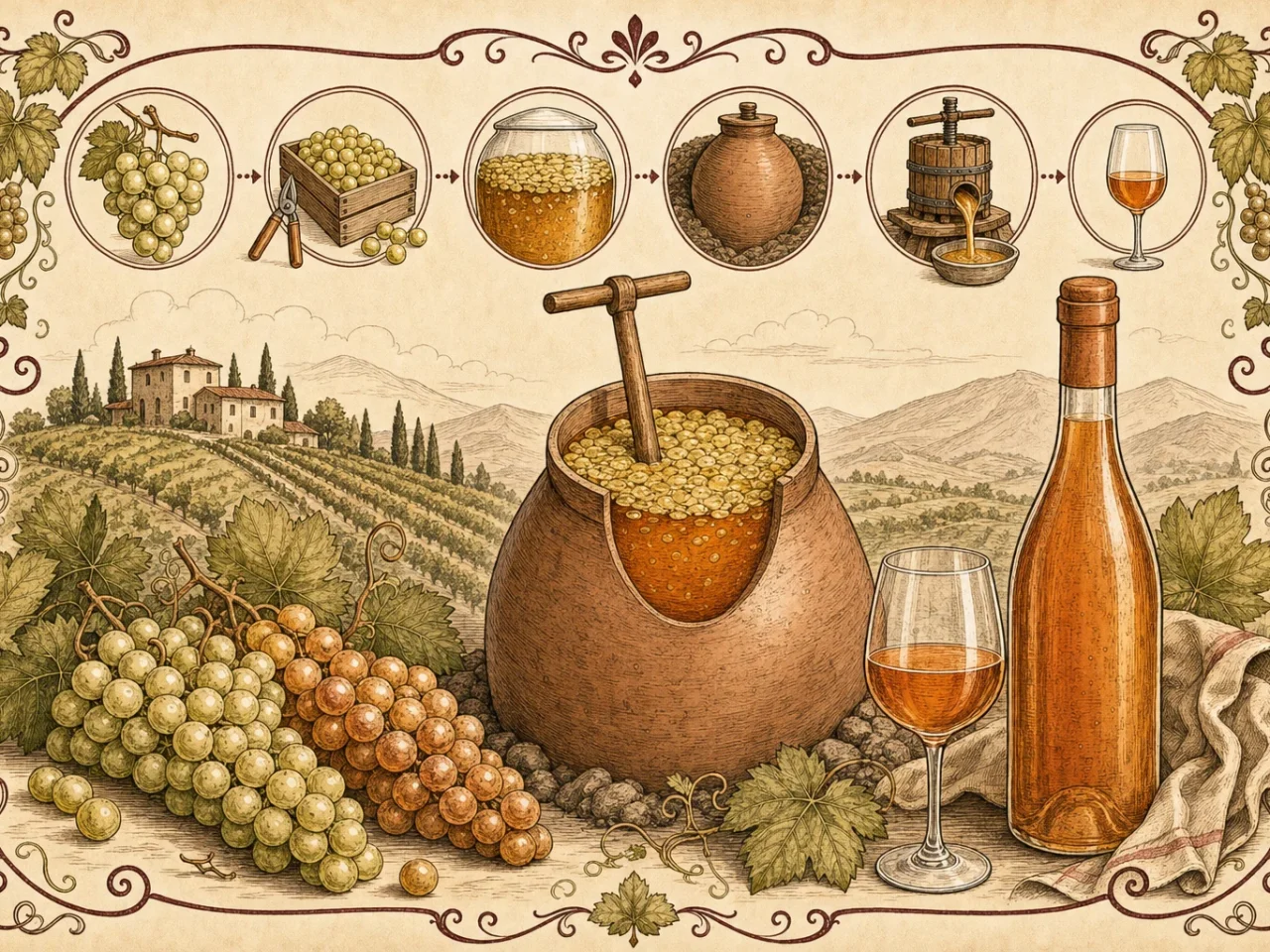
Unfined wines deserve one caution. They are almost always vegan as far as fining goes, and orange wines in particular are usually made with little or no fining. But unfined is a winemaking choice, not a vegan guarantee: other permitted additives, egg-derived lysozyme being the usual example, can still be animal products. The marks below exist to close that gap.
Why the label rarely tells you
Ask an Italian producer why the back label does not name the fining agent and you get the correct answer: fining agents are processing aids, not ingredients. They go in, do their job and leave with the sediment; ingredient lists cover what stays in the bottle.
There are two exceptions, and both work in your favour. Since 30 June 2012, EU rules have required wines fined with egg or milk products to say so on the label, but only when a laboratory test can still detect the residue in the finished wine (Regulation 579/2012). Regulation 2019/33 fixes the wording: "egg", "egg albumin", "egg lysozyme", "milk", "milk casein" or "milk protein", usually after the word "contains". The Wine Society puts the sensitivity of the official test at about 0.25 milligrams per litre, so a competent fining leaves nothing to declare. In plain terms, a "contains milk" or "contains egg" line proves a wine is not vegan, but its absence proves nothing.
The second exception is newer. Since 8 December 2023, EU wine labels must carry a full ingredients list and a nutrition declaration, printed on the label or placed behind a QR code (European Commission). The rule covers wines from the 2024 harvest onward, and allergens, including any egg or milk residue, must stay on the physical label rather than behind the code. What the list does not do is name processing aids, so scanning the code shows grapes, sulphites and perhaps a preservative, and still leaves the vegan question open.
There is also no legal definition of vegan wine, in Italy or anywhere in the EU. Organic wine is regulated by EU law with an official leaf logo; vegan is a voluntary claim backed, at best, by a private certification. Gambero Rosso puts it bluntly: the two are completely independent, and neither has any link to DOC, DOCG or IGP rules. A denomination tells you where a wine comes from, never how it was fined.
The vegan marks you will see on Italian bottles
Because the law stays silent, certification marks do the talking. Five appear regularly on Italian wine, and it helps to know who stands behind each one.
- VeganOK: Italy's own standard and the one you meet most often on Italian wine. Its rules ban animal-derived fining and stabilising agents, and also animal-derived glues, inks and lubricants on labels and closures. Its 2017 wine report found the certified estates concentrated in Tuscany (28%), Abruzzo (20%) and Piedmont (17%), and most certified wines were IGT rather than DOC or DOCG.
- V-Label: the yellow V of the European Vegetarian Union, seen across the EU, in vegan and vegetarian versions, so read the small print under the V.
- Qualità Vegetariana Vegan: the Italian Vegetarian Association's mark, inspected by CSQA, part of the same group that certifies many DOC and DOCG wines. Its checks run right through to label glue and box tape.
- The Vegan Society sunflower: the British trademark, founded in 1944, familiar from UK food packaging. Italian estates exporting to Britain often choose it; Barone Pizzini in Franciacorta was certified by the Society as an entirely vegan company.
- ICEA and the other organic inspectors: Italy's organic control bodies now certify vegan alongside the organic leaf, so the two logos often appear together.
One mark is enough; a producer is not more vegan for carrying three. The small estates behind some of Italy's best wine often carry none, because certification costs money and their production is unfined anyway. With no logo, the producer's website or a written reply is the next best evidence, and the Barnivore directory keeps a public record of those replies.
The demand is real: Italy's Eurispes report for 2024 found 9.5% of Italians avoiding meat or animal products, 2.3% of them fully vegan (figures reported by Gambero Rosso), and Virgin Wines reported UK vegan wine sales up 51% between 2019 and 2021.
Is Prosecco vegan? And Chianti, Pinot Grigio and Barolo?
Prosecco: usually yes, and more often than most wines. Prosecco is Glera made by the tank method, a quick, cool second fermentation in steel (see how sparkling wine is made). Freshness and clarity in a white sparkling wine call for bentonite, not egg white, and the big houses have said so in writing: La Gioiosa confirmed in 2024 that all its Proseccos are suitable for vegans, and Pizzolato and Perlage sell certified organic vegan Prosecco. Still check the specific bottle, because a house's rosé may be handled differently from its brut.
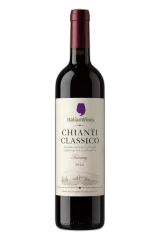
Chianti and Chianti Classico: a coin toss, tilting vegan. Chianti Classico is Sangiovese, a grape with plenty of tannin, and egg white was the classic Tuscan way to soften it. Many estates still use it; many more have switched to pea protein, bentonite or no fining. Querciabella has made every wine without animal products since 2010. The label will not tell you which camp an estate is in, so a producer statement earns its keep here.
Pinot Grigio: usually yes at the big cooperatives. North-eastern Pinot Grigio is made in volume and cleaned up with bentonite. Mezzacorona, the Trentino cooperative behind much of the Pinot Grigio on British shelves, told Barnivore in 2021 that its products contain nothing of animal origin, and in 2014 that bentonite is its only fining agent.
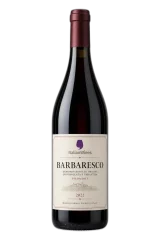
Barolo and Barbaresco: often yes, for an old-fashioned reason. Traditional Barolo spends years in large casks, and the long rest clarifies Nebbiolo naturally, so many traditionalists bottle unfined and unfiltered. Egg-white fining survives in some cellars, and a young, polished modern Barolo is likelier to have seen it than a rustic one.
Franciacorta: increasingly yes. Lombardy's bottle-fermented sparkling wine has a strong organic wing whose leading estates have gone vegan and say so; Barone Pizzini carries the Vegan Society mark on its Franciacorta.
Vegan, vegetarian, organic, natural: four labels that get confused
These four words describe different things, and a wine can carry any combination of them.
| Label | What it promises, and who checks | Vegan? |
|---|---|---|
| Vegan | No animal products in fining or stabilising (VeganOK also checks packaging). Private certifiers, no EU law | Yes |
| Vegetarian | No slaughter products, but egg white and milk casein allowed. Private certifiers | Not always |
| Organic (BIO) | Organic grapes, fewer additives, lower sulphites. EU law, leaf logo, inspectors such as ICEA | Not always |
| Natural | Minimal intervention, usually unfined and unfiltered. No official rules | Usually |
The organic row surprises people most. EU organic rules restrict how grapes are grown and cut the sulphite limit, but still allow egg albumin, casein, gelatine and isinglass in the cellar, so an organic Chianti can be fined with egg white and remain fully organic. Our guide to organic, biodynamic and natural Italian wine covers the vineyard side, and the BIO logo itself is explained in our labelling guide.
Biodynamic wine adds a twist. Classic biodynamic farming uses cow-horn manure preparations, so a biodynamic wine can be unfined yet still depend on animal products in the vineyard. Querciabella's answer was a plant-only biodynamics built on cover crops and green manure, hence its claim of vegan from vineyard to cellar.
Italian producers whose vegan claims we could verify
The list is short on purpose. Each producer carries a certification, states it on its own website, or has confirmed it in writing to the Barnivore directory, and we checked every source. Estates that merely appear on a retailer's vegan filter are left out.
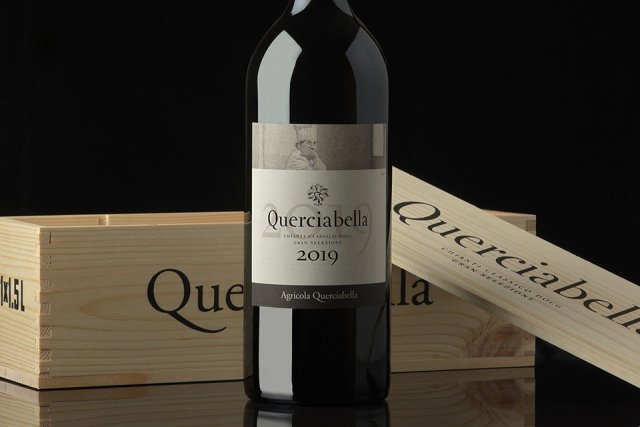
- Querciabella, Greve in Chianti, Tuscany: organic since 1988, certified in 2000, and free of animal products from vineyard to cellar since 2010. Chianti Classico, Camartina and Batàr, and the estate welcomes visitors.
- Perlage, Farra di Soligo, Veneto: organic Conegliano Valdobbiadene Prosecco since 1985, whole range certified vegan; it began work in 2012 on Sgajo, which it calls the first vegan-certified Prosecco, and clarifies with plant and yeast proteins.
- La Cantina Pizzolato, Villorba, Treviso: an organic pioneer certified since 1991, whose Prosecco DOC range, including the rosé, is certified organic and vegan.
- La Gioiosa, Crocetta del Montello, Veneto: one of the biggest Prosecco names in British supermarkets, which confirmed in February 2024 that all its Proseccos and sparkling rosés suit vegans, having stated in 2018 that it uses no casein, albumin or gelatine.
- Barone Pizzini, Provaglio d'Iseo, Lombardy: the organic Franciacorta specialist, certified by The Vegan Society as an entirely vegan company.
- Mezzacorona, Trentino: the cooperative behind much of Britain's Pinot Grigio, which uses bentonite as its only fining agent and confirmed in 2021 that its products contain nothing of animal origin.
 9
9





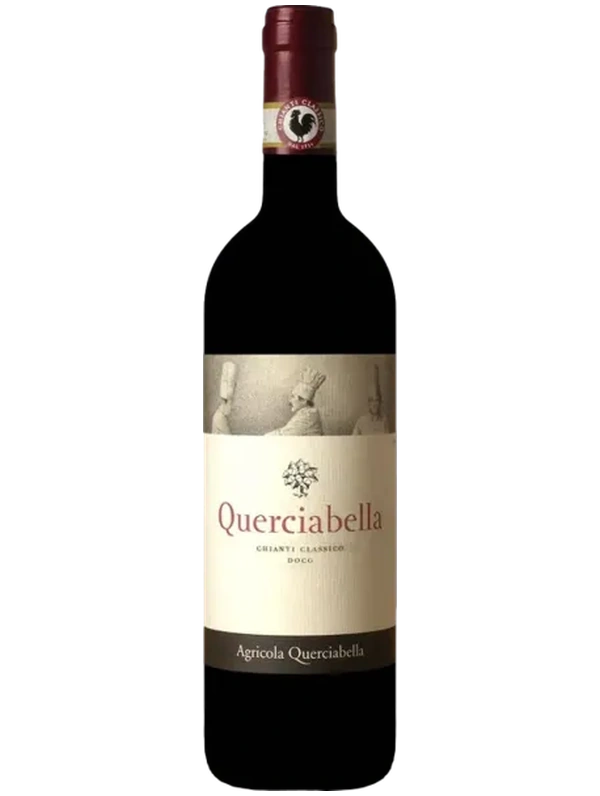
Querciabella Chianti Classico 2022
View Wine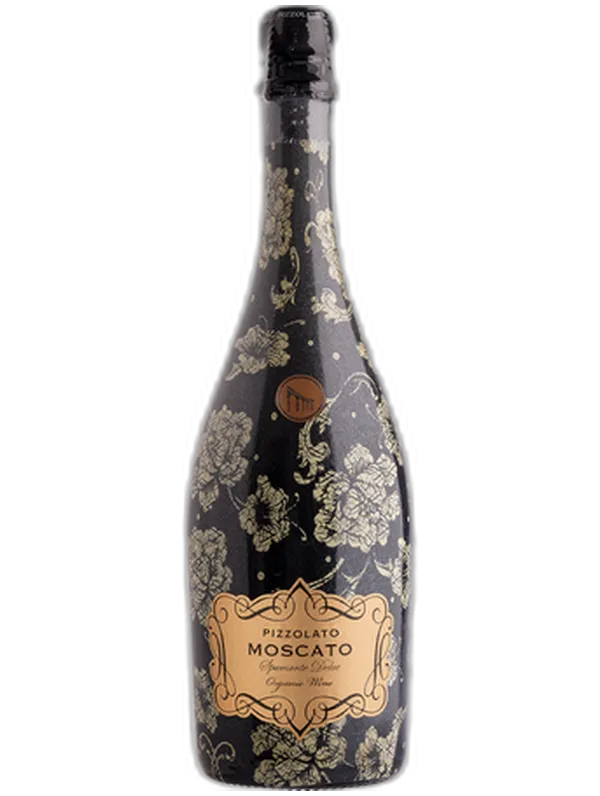
Pizzolato Moscato Spumante
View Wine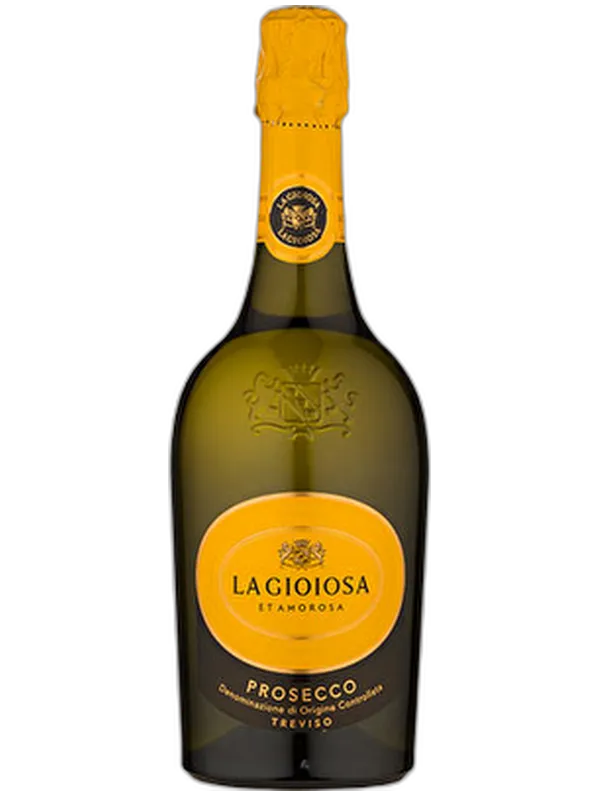
La Gioiosa Prosecco DOC, Treviso
View Wine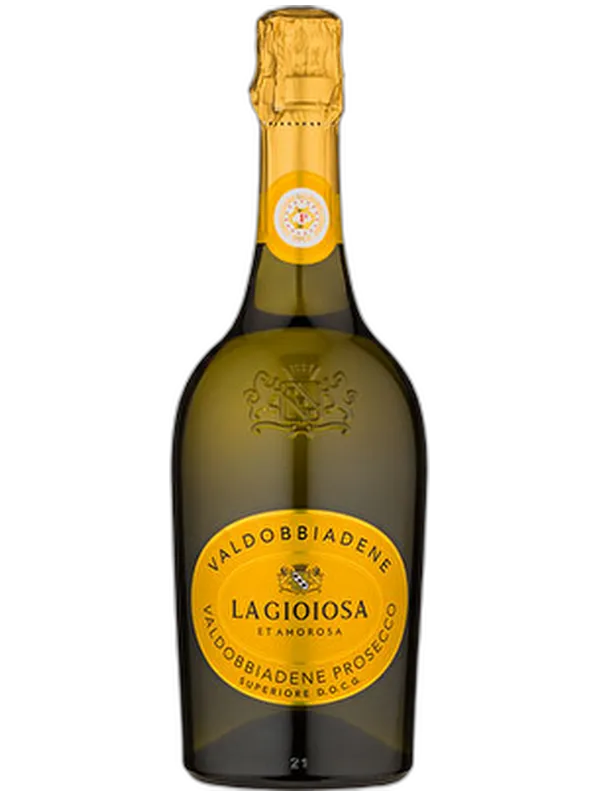
La Gioiosa Prosecco Valdobbiadene DOCG Superiore
View Wine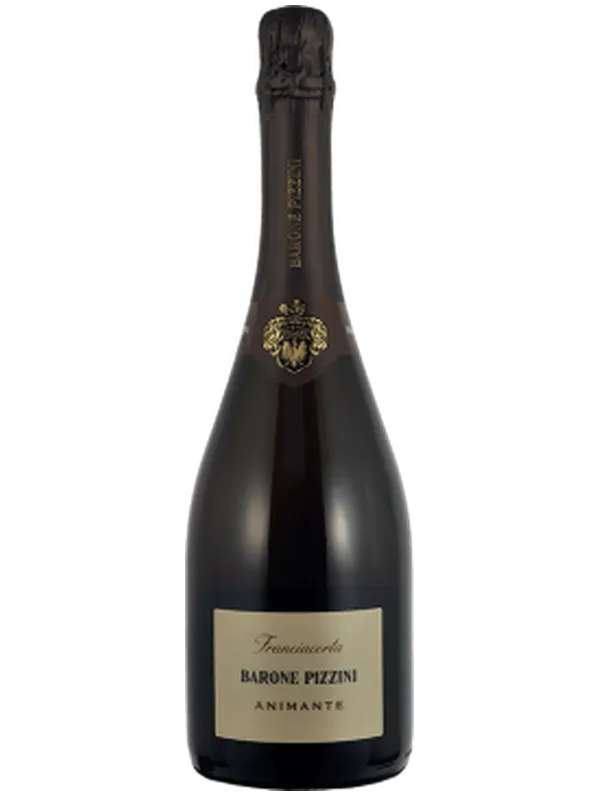
Franciacorta Zéro Dosage - Animante - Barone Pizzini
View Wine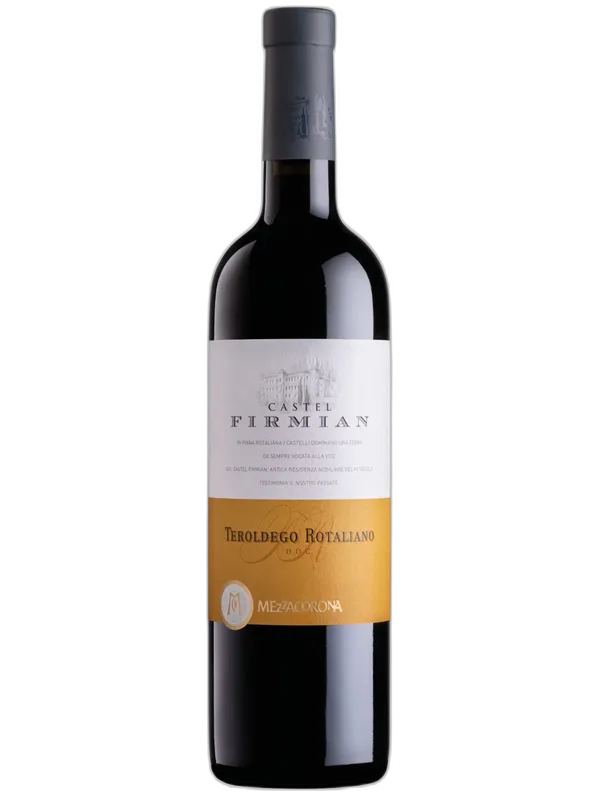
Teroldego Rotaliano DOC Castel Firmian Mezzacorona 2023
View Wine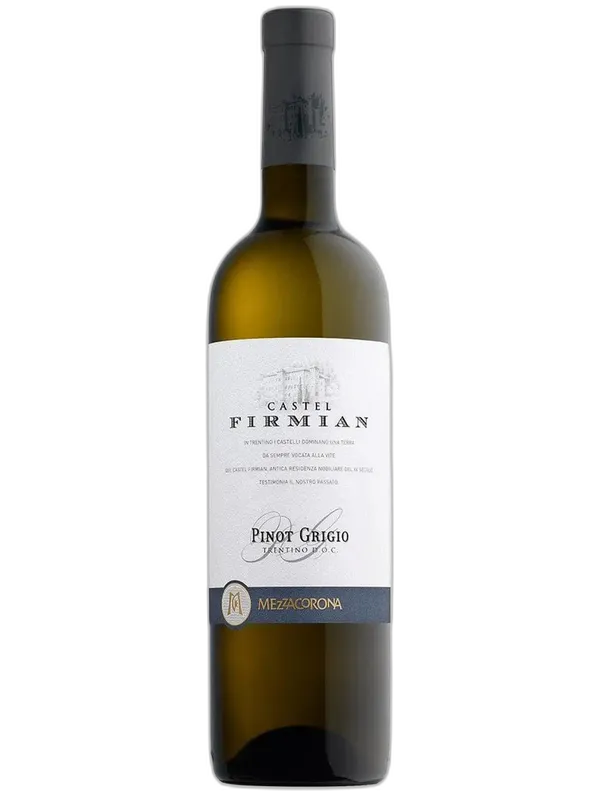
Castel Firmian Pinot Grigio,
View Wine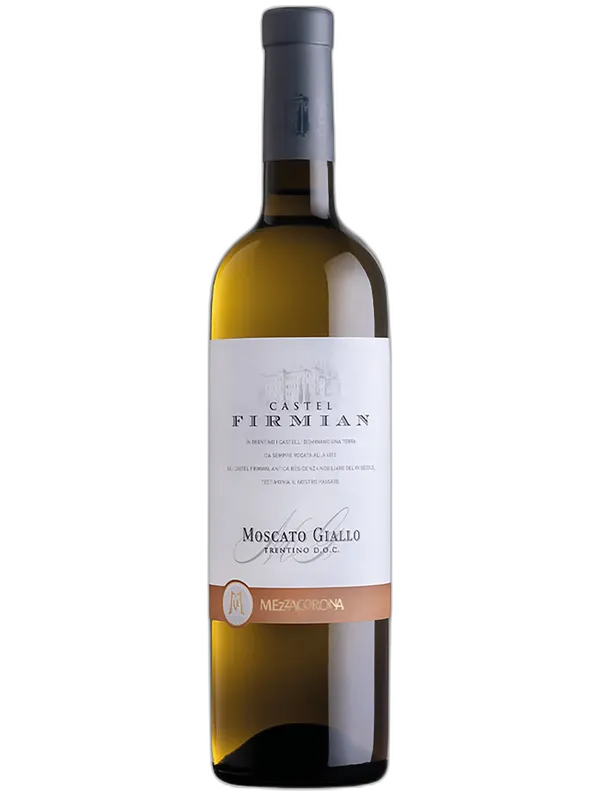
Trentino DOC Moscato Giallo Castel Firmian Mezzacorona 2025
View WineBeyond these, many of Italy's small natural-wine producers bottle unfined and unfiltered, from the amphora reds of south-east Sicily to long-aged Nebbiolo in the Langhe, and their wines are vegan in practice even if few carry a logo. The words non chiarificato (unfined) and non filtrato (unfiltered) on a back label are a strong hint.
How to buy vegan Italian wine in the UK
British shoppers have it easier than Italians. The big supermarkets and online merchants, Waitrose, Majestic and Asda among them, run dedicated vegan wine pages and tag bottles on the shelf, because the retailer has already asked the producer for you. Supermarket own-label Italian wines are usually tagged too; our guide to who makes Britain's own-label Italian wine explains where those bottles come from.
For any Italian bottle without a tag, run this five-step check.
- Look for a certification mark: VeganOK, the V-Label, the Vegan Society sunflower or Qualità Vegetariana Vegan.
- Read the allergen line. "Contains milk" or "contains egg", or the Italian contiene latte and contiene uovo, rules the bottle out. "Contains sulphites" is irrelevant, since sulphites are mineral.
- Look for non chiarificato or non filtrato, or the English "unfined" and "unfiltered".
- Check the producer's website or its Barnivore entry; most estates answer the question in a single line.
- If nothing turns up, ask the merchant. Italian importers keep a vegan list because restaurants demand one.
And do not let the hunt narrow your drinking. Vegan Italian wine spans every style, from sparkling to orange, and every region from Veneto to Sicily; the choice affects one cellar step, and the grape, the place and the vintage still do the talking in the glass.
Frequently asked questions
Most Prosecco is. Tank-method sparkling wine is clarified with bentonite clay rather than egg white or isinglass, and the largest houses confirm it: La Gioiosa says all its Proseccos suit vegans, while Perlage and Pizzolato sell certified organic vegan bottles. Because there is no legal rule, check each bottle rather than the brand, especially rosé versions. Our Prosecco page covers the styles and the bottles we list.
No. Italy permits the same animal-derived fining agents as the rest of the EU, and egg white in particular remains common in traditional red-wine cellars from Tuscany to Piedmont. A large and growing share is vegan, especially fresh whites, tank-method sparkling wine and anything bottled unfined, but the label usually will not say so. Treat every bottle as unknown until a mark or a producer statement settles it.
Fining agents are processing aids that leave with the sediment, so the EU does not treat them as ingredients, and neither Italy nor the EU has a legal definition of vegan wine. The only mandatory clue is the allergen line: since 2012 a wine with detectable egg or milk residue must say "contains egg" or "contains milk". Everything else depends on voluntary marks such as VeganOK. Our guide to reading an Italian wine label shows where to look.
Not in any way you could pick out blind. Fining removes haze and a little harshness, and bentonite or pea protein achieves the same result as egg white or isinglass. The one visible difference is in unfined wines, which may look slightly hazy or throw a deposit, neither of which is a fault. If you want to taste more carefully, compare an unfined and a fined Sangiovese side by side; the gap is smaller than the difference between two vintages.
No, and neither implies the other. Organic is an EU legal standard about grape growing and permitted additives, with an official leaf logo, and it still allows egg white, casein, gelatine and isinglass in the cellar. Vegan is a voluntary claim about fining and, under VeganOK, packaging. A wine can be organic and not vegan, vegan and not organic, or both. Our organic and biodynamic guide covers the vineyard side.
That the wine was fined with a milk or egg product and a laboratory test still found traces in the finished wine, at roughly 0.25 milligrams per litre or more. It is an allergen warning required by EU law since 2012, not a vegan statement, and its absence does not make a wine vegan, because a well-executed egg-white fining leaves nothing detectable. "Contains sulphites" appears on nearly every bottle and has nothing to do with animals.
Yes. Vegetarian wine avoids slaughter products, so no gelatine, isinglass or blood, but it allows egg white and milk casein, the two most common fining agents in Italian cellars. Vegan wine excludes all of them. The V-Label covers both and prints which version applies under the logo, so read the small print. In practice most certified Italian wines choose the stricter vegan route, since bentonite and plant proteins satisfy both.
Almost always as far as fining goes, but not by law. A wine can be unfined yet still use an animal-derived additive at another stage, egg lysozyme against bacteria being the usual example, and certification marks also check glues and inks on the packaging. If a bottle says non chiarificato and carries no "contains egg" line, it is very likely vegan; a VeganOK or Vegan Society mark removes the doubt. Many orange wines and traditional Barolos are bottled this way.