









 DOC


 Availability


Nose
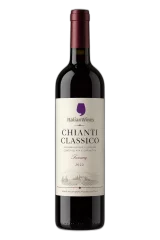
Cherry and small red fruits lead, with a faint green note behind them. DolceVera gives this Classico six months in steel, keeping oak out of the picture.
 Violet

 Black cherry
 Cherry
 Raspberry
 Red forest berries
Your cellar, your trips, and the wines you've been tracking are right where you left them.
New here?
Free, always. Education first, we'll never sell you anything you didn't ask to see.
Already have an account?
Enter the email you signed up with and we'll send a link to choose a new password.
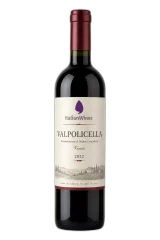
Cherry fruit, fresh acidity and gentle tannin shape this red from Villa di Negrar. DolceVera uses fresh grapes and rests the wine in steel for six months. Try it with tomato pasta, mild cheese or roast chicken.
When a UK shop starts selling it, its price will show here.
Not sold in the UK yet
We know the people who make it. Tell us how many bottles you would like and we will come back to you within two working days.
More about DolceVera WineryThank you, we have your question.
We will write to within two working days.
Other Valpolicella bottles with a live offer.
Based on DolceVera's own notes, this is a fresh-fruit red from Villa di Negrar. Six months in steel and three in bottle shape its path to release.
Cherry and small red fruits lead, with a faint green note behind them. DolceVera gives this Classico six months in steel, keeping oak out of the picture.
VioletBlack cherryCherryRaspberryRed forest berriesFresh acidity meets a soft feel, with just a little tannin. The fresh grapes from Villa di Negrar spend about ten days on their skins. The fruit stays clear and lively.
Cherry returns after the sip, with a gentle grip. It is the closing note in DolceVera's own account of this Classico.
This is the fresh-grape Classico in DolceVera's range, with red fruit at its heart. Choose it for a meal that calls for bright fruit and gentle tannin.
A compact view of what the Valpolicella denomination actually requires, and how this bottle sits inside it. Pulled from the official Italian disciplinare.
Corvina makes up half of DolceVera Classico. Corvinone, Rondinella and Molinara complete the blend, all grown on the hills at Villa di Negrar.
Italian wine law sorts bottles into a pyramid. DOCG sits at the top: tightly drawn boundaries, prescribed grapes, mandatory ageing, government tasting before release. DOC is the same idea with looser thresholds. IGT (Indicazione Geografica Tipica) is broader still, requiring only that 85% of the grapes come from the named territory.
Valpolicella is in the DOC tier. That is not a quality verdict, it is a description of how much freedom the producer has at vinification and ageing.
Valpolicella falls within Veneto, covering Verona: 19 communes from the Classico valleys through Valpantena to the Illasi hills. The denomination is further divided into 2 sub-zones.
Wine route
Half day · 5 stops
Open the driveWine route
1 day · 7 stops
Open the drive
Winery
Negrar di Valpolicella
Producer: DolceVera Winery, Negrar di Valpolicella. Directions
Wine routes in the zone: Valpolicella Classico Loop, Strada del Vino Soave.
Fresh acidity and mild tannin give DolceVera Classico room at the table. These food matches build on the balance in the producer's notes.
The fresh acidity in DolceVera Classico keeps pace with tomato sauce. Its cherry fruit brings a softer note to each bite.
Try with: Pizza Margherita · Pasta alla Norma · Pappa al Pomodoro · More pairings →
DolceVera Classico has enough acidity to refresh the mouth after rich salumi. Its mild tannin also leaves room for the gentle flavour of young cheese.
Try with: Soppressa · Young Monte Veronese · Salame Felino
The gentle tannin in DolceVera Classico suits meats that need little grip from the wine. Its fresh cherry note brings fruit without an oak-led taste.
Try with: Roast chicken · Coniglio alla ligure · Cotoletta alla Milanese · More pairings →
A faint green note in DolceVera Classico finds a link with herbs and leafy greens. Its soft feel suits cheese-filled dishes, while the acidity keeps each bite fresh.
Try with: Torta pasqualina · Strangolapreti Alla Potentina · Risi e bisi · More pairings →
The fresh acidity of DolceVera Classico can seem sharp beside a very sweet pudding. Cherry fruit is part of its flavour, so it is no guide to a dessert match.
Skip with: Sticky Toffee Pudding · Tiramisu · Gulab Jamun · Pairing guide →
DolceVera gives this fresh-grape red three months in bottle after its time in steel. Check the vintage on your bottle before making plans to keep it.
A short splash decant softens the first-pour edge and opens the aromatics.
Aim for the cooler end on a warm day; warmer end opens up more aromatics.
Based on the producer's published tasting notes.
Confidence · HighFrom the official Italian disciplinare for this denomination, cross-checked against the Ministry of Agriculture register.
Confidence · HighStyle guidance for this kind of wine at this price point. Treat it as advice, not a forecast for the bottle in your hand.
Confidence · MediumThe blend is 50% Corvina, 20% Corvinone, 25% Rondinella and 5% Molinara. All four grow at Villa di Negrar, on hills between 260 and 280 metres above sea level.
No. DolceVera ages this Classico for six months in steel tanks, then three months in bottle. The red-fruit flavour comes without an oak ageing stage.
No. This Classico uses fresh grapes picked by hand in the first ten days of October. They are the grapes left after the selection for Amarone and Recioto.
Expect cherry, small red fruits and a faint green note. Fresh acidity balances a soft feel, with mild tannin and cherry on the finish. This description draws on DolceVera's own notes.
Tomato pasta, mild cheese and roast chicken suit its fresh acidity and gentle tannin. Try Pizza Margherita for a tomato-led match, or rabbit for a softer meat dish.
The 2024 is 12.5% ABV, according to DolceVera's vintage details. The 2018 and 2019 are listed at 13%, so check the year and label on your bottle.
 5 retailers
Valpolicella
5 retailers
£11.00
+ delivery
 4 retailers
Valpolicella
4 retailers
£14.00
£21.00
+ delivery
 4 retailers
Valpolicella
4 retailers
£95.00
+ delivery
 4 retailers
Valpolicella
4 retailers
£95.00
+ delivery
Affiliate disclosure. Some links above are affiliate links. If you buy through them we may earn a small commission at no extra cost to you. Editorial coverage, ratings and tasting notes are written independently and a retailer cannot pay to be listed or to be ranked higher.
How retailer prices are sourced.
Prices and stock are read from each retailer’s public product page once a day. Outbound buy links carry rel="nofollow sponsored noopener". The list is sorted by price; we do not accept payment for placement.
What we will never do. Imply we tasted a bottle when we didn’t. Imply stock when a retailer is out. Imply independence on links that are paid affiliate links.


