







 740 wines
 31 denominations


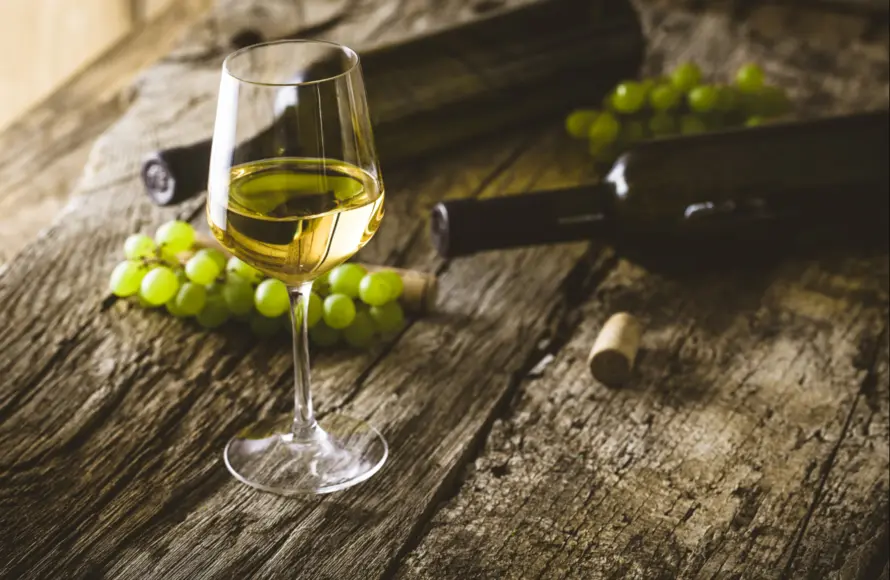





Chardonnay is a white grape with a clear Italian role.
Wines
626
Acidity
Body
White Grape · Sicily
Barely 53 hectares of it exist, almost all on two volcanic islands north of Sicily, and most of that crop is dried in the sun before it ever reaches a press.
Malvasia di Lipari is the golden-skinned white grape of the Aeolian islands. It grows on the terraced volcanic slopes of Salina and Lipari, off Sicily's northern coast. Italy holds barely 53 hectares of it. Almost all of that crop goes to the sun-dried passito that carries the islands' name.
Your cellar, your trips, and the wines you've been tracking are right where you left them.
New here?
Free, always. Education first, we'll never sell you anything you didn't ask to see.
Already have an account?
Enter the email you signed up with and we'll send a link to choose a new password.
Clearing it up
The grape
The denomination
The anchor fact: The grape is registered as Malvasia di Lipari; the wine is Malvasia delle Lipari. A 2018 ministerial decree also confirmed the grape is the same variety as Malvasia di Sardegna.
Taste · Where it sits
Forget scores out of five. Here’s Malvasia di Lipari described against grapes you already know.
Sun-drying does the work: the passito is thick and unctuous while the rare dry bottlings are lighter than Zibibbo from Pantelleria. Almost no other Italian white swings this far between its two styles.
Golden skins with no phenolic bite, even after drying. Unlike an orange-wine Catarratto, this grape is never vinified for grip.
Retains genuine freshness through the drying process, which is precisely what keeps the passito from cloying. Zibibbo relies on salinity for the same job; this grape has real acid.
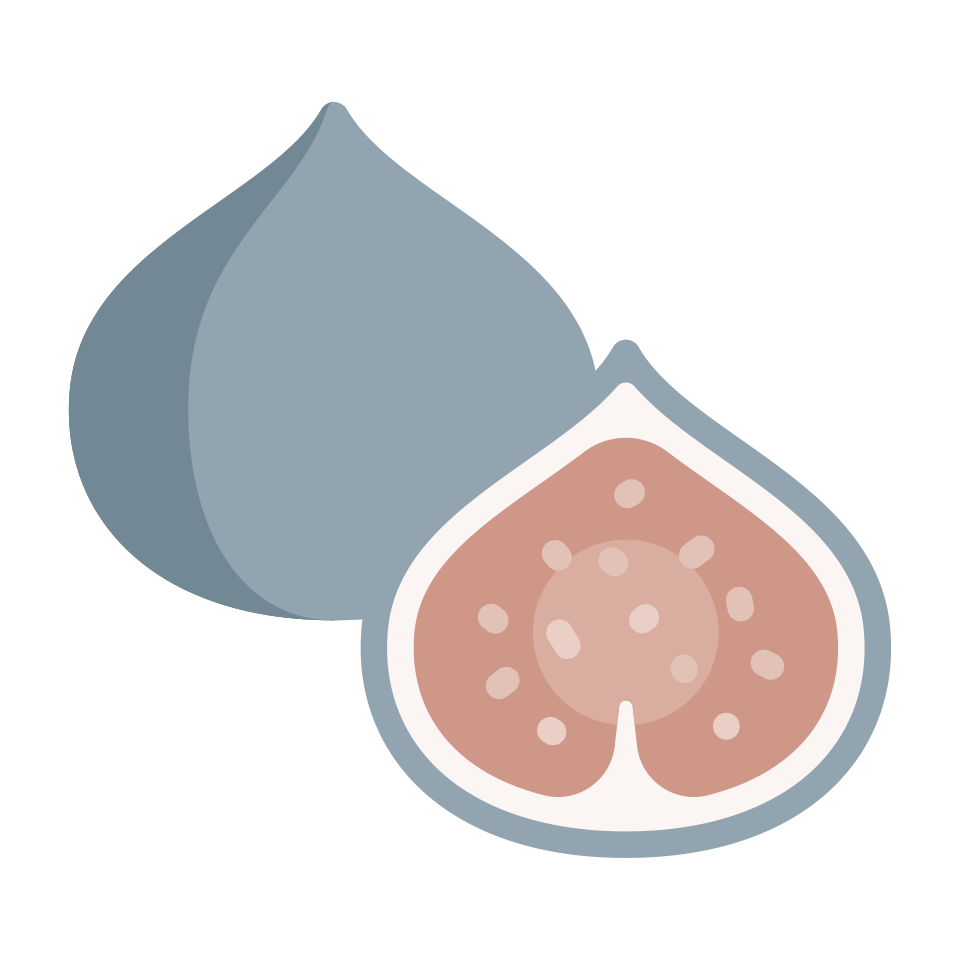
The register is dried apricot and fig rather than the fresh peach of a young Sicilian white, because most of the crop is laid out in the sun before pressing.
Key flavours



The map
Malvasia di Lipari is full-bodied, balanced acidity, mapped against other white grapes you can buy. The closer a grape sits, the more its weight and freshness resemble Malvasia di Lipari.
Is this for you?
Reach for it when…
Maybe skip it if…
Serving guide
Serve at
8-12°C
Serve it properly cold or the sugar dominates and the herbal lift disappears entirely.
Decant
Not needed
No. There is nothing to soften and the aromatics only suffer.
Glass
Standard Dessert Glass
A small dessert glass keeps the pour modest and concentrates the dried apricot.
Drink within
3-5 days
The passito is ready on release but gains complexity with a few years in bottle.
Cellar
3-10 years
Good passito holds for a decade or more; the dry version should be drunk young.
On the table
Start with the home-table matches that made the grape, then browse the full cuisine library.

Salt against sugar
The lively acidity that survives sun-drying is what lets this wine stand up to a salty blue, where a softer dessert wine would simply be swamped.

Honey meets honey
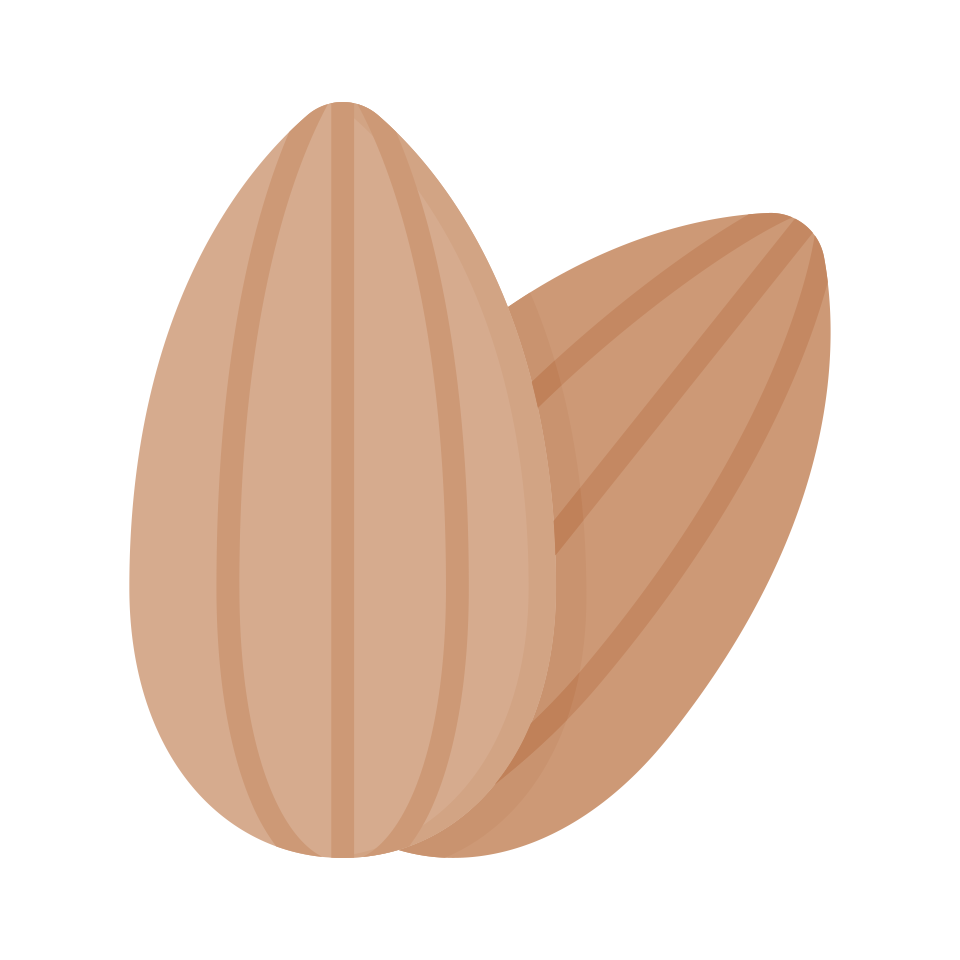
Nuts, honey and dried fruit run through both the pastry and the wine, a Mediterranean overlap that reflects the islands' long Greek connection.

Dark chocolate only
The dried-fig note has enough weight for bitter chocolate, though this is a less natural match than the almond pastries the islands actually serve.
Buy it · three to start with
A curated trio across the price range, then every Malvasia di Lipari on sale in the UK right now.
1 bottles
Where it grows

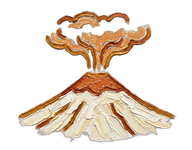
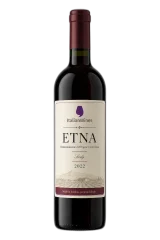
Volcanic Nerello on Etna's black terraces, sun-baked Nero d'Avola on the south-east coast, fortified Marsala in Trapani and UNESCO Zibibbo on Pantelleria: Sicily holds Italy's widest single-region wine map.
The terroir
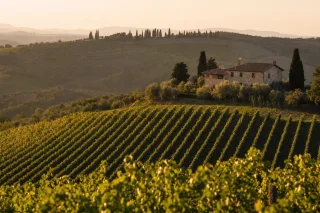
Everything about this grape is dictated by island geography: volcanic soils, terraced slopes, sea wind and enough summer sun to dry the fruit outdoors.
Salina
The greenest of the Aeolian islands
The heartland, with terraced volcanic slopes giving the most complete passito
Lipari
The largest island of the group
Warmer and drier sites, historically the trading centre that gave the wine its name
Vulcano and Stromboli
The outlying volcanic islands
Tiny parcels on active volcanoes, rarely bottled separately
Producers
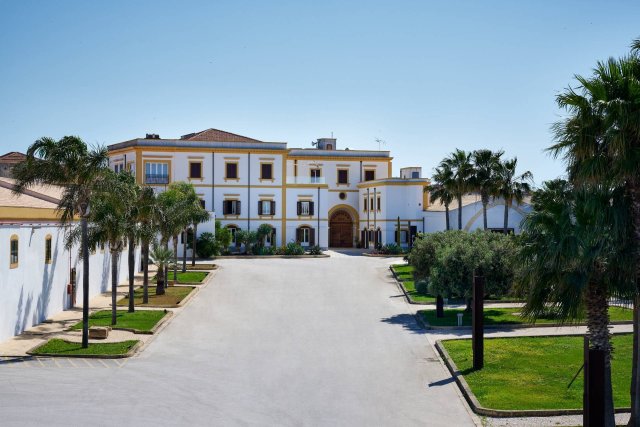
The one estate on the site that works with Malvasia di Lipari so far.
Editorial
Malvasia di Lipari entered Italy's national variety register in May 1970, under code 135. Tradition traces its arrival in the Aeolian archipelago to the late Greek or Byzantine period. The first reliable written mentions, though, come only in the late Middle Ages. In May 2018 a ministerial decree formally recognised it as the same vine as Malvasia di Sardegna. That settled a long-running question about whether the islands and Sardinia grew the same vine.
Italy grows around 53 hectares of Malvasia di Lipari, almost all of it on small volcanic islands with no room to expand.
On the scale of the Aeolian vineyardThe vine has medium-high vigour. Its leaves are medium-large, with three or five lobes. The bunch is cylindrical-conical, and the berries are large and round, with golden-yellow skins. Those skins are the point. Left to dry in the sun, they concentrate into a wine of real density. Dry bottlings are straw yellow. The passito turns golden amber. It smells of dried apricot, honey and dried figs, lifted by yellow flowers and aromatic herbs. Even at full sweetness the acidity stays lively. That is what separates it from a flat dessert wine.
The plantings are tiny, and they sit close together. Salina and Lipari hold most of the 53 hectares. Smaller parcels sit on Vulcano and Stromboli. All of them are volcanic islands in the province of Messina. The wines carry the Malvasia delle Lipari denomination, and the passito is by far the best known style. Within Sicily that puts it in the same company as the island's other sweet wines. It is far rarer than any of them.
The obvious comparison is Zibibbo on Pantelleria, Sicily's other volcanic-island sweet wine. The two make a useful pair. Zibibbo is muskier and more openly perfumed. Malvasia di Lipari is more about dried stone fruit and herbs. For the dry side of Sicilian white wine, see Grillo and Carricante. Our guide to Etna wines covers the volcanic thread that runs through all of them.
Good to know
It is the wine of the Aeolian islands, off northern Sicily. It is made from the Malvasia di Lipari grape. It is most famous as a passito, where the grapes are dried in the sun before pressing. The denomination covers vineyards on Salina, Lipari and the smaller islands. The wine's name uses delle Lipari. The grape itself is registered as Malvasia di Lipari.
Officially yes. A ministerial decree in May 2018 formally recognised the two names as synonyms. It confirmed that the vine on the Aeolian islands and the one in Sardinia are the same variety, under different regional names. Before that, the national register listed them separately. That is why older references treat them as distinct grapes.
Very. Italy grows around 53 hectares of it in total. Most of that sits on Salina and Lipari, with smaller parcels on Vulcano and Stromboli. For comparison, that is a fraction of the area planted to Frappato, itself counted as a niche Sicilian grape. The scarcity is partly geography. These are small volcanic islands, with limited terraced land and no room to expand.
It is golden amber in colour. The nose gives dried apricot, honey and dried figs, lifted by yellow flowers and aromatic herbs. The palate carries a lot of residual sugar, but it keeps a lively acidity. So it finishes clean rather than cloying. It is less musky and less grapey than a Zibibbo passito from Pantelleria. It leans more to dried stone fruit and Mediterranean herbs.
Yes, though it is much less common than the passito. Dry bottlings are straw yellow rather than amber, aromatic but not sweet. They suit the local cooking of capers, salt-cured fish and grilled seafood. They are worth seeking out. They show the grape's floral and herbal side, without the concentration that sun-drying brings.
Explore by style
Jump to the editorial guide for each style this grape turns up in.
Keep exploring