






Calabria · DOC
Cirò DOC Calabria's Ancient Gaglioppo Reds and Greco Bianco Whites
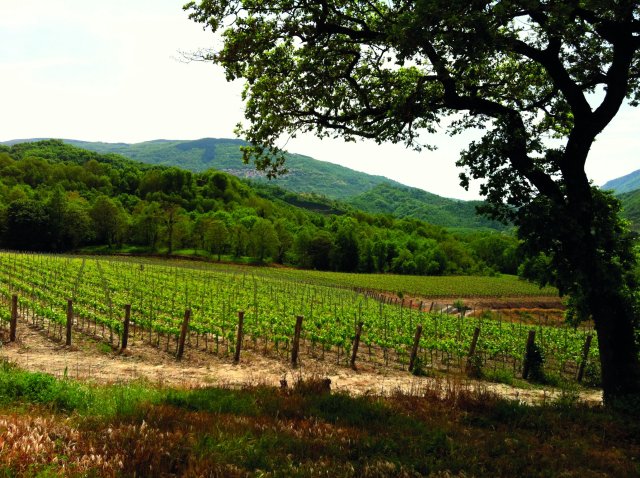
Cirò is Calabria's oldest DOC. The Ionian coast has grown wine here since before Rome. The zone lies in the province of Crotone and covers four towns: Cirò, Cirò Marina, Melissa and Crucoli. Three styles share the same rulebook. The rosso is a tannic Gaglioppo and the rosato a fragrant one. The bianco is a salty Greco Bianco.


In the glass
What it tastes like
Cherry


Rose petal
Almond

Leather

White peach
The disciplinare
The rules that define it
The same table on every denomination page, straight from the production rules.
 GaglioppoCirò Rosso and Rosato base; minimum 80 percent of the blendat least 80%
 Greco BiancoCirò Bianco base; minimum 80 percent of the blendat least 80%Trebbiano ToscanoPermitted complementary white in the bianco and small share of the redsup to 10%
Solid means the rules demand it. Striped means optional, up to that amount. The words on the right say the same rule.
Editor's cellar
Bottles to try, and what Cirò costs in the UK
Live prices, compared across 9 UK retailers.


Cellar doors · in Calabria
Estates you can visit
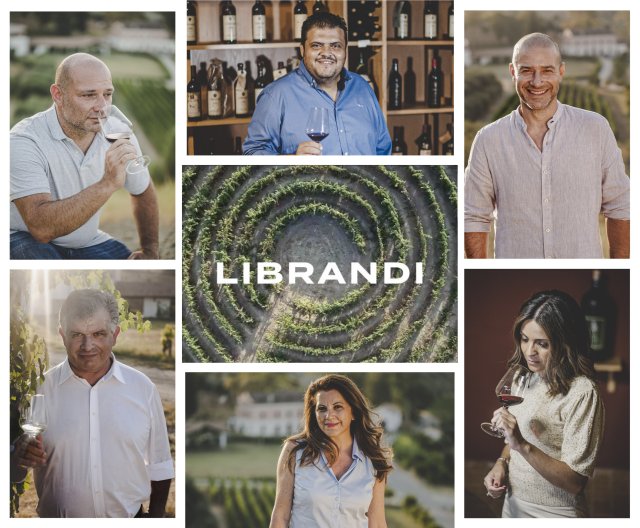
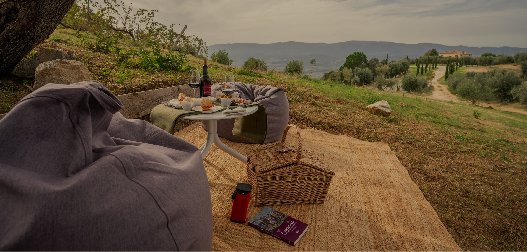
4 working estates with their gates open.


No estates match these filters. Clear a filter to see more.
Vintage provenance
Why there is no vintage chart
No denomination-wide vintage chart is currently published for Cirò DOC. Italian critics rate Calabria reds producer by producer rather than through a consorzio-level annata table, so quality reads through individual estates such as Librandi, Ippolito 1845 and A' Vita rather than across the appellation as a whole.
What to check instead
The producer: quality here is tracked estate by estate rather than year by year.
How Cirò is made
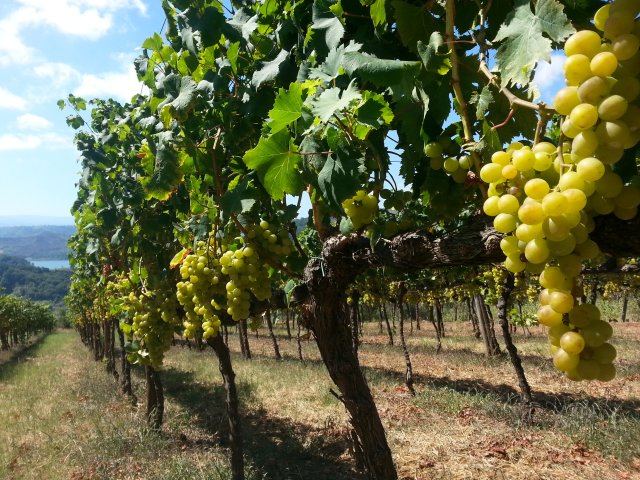
Three styles run through the Cirò rules. The rosso and the rosato are both at least 80 percent Gaglioppo. The bianco is at least 80 percent Greco Bianco. Trebbiano Toscano and Greco Nero can round out the reds and rosés, up to 10 percent. Minimum alcohol is 11 percent for the bianco and 12.5 percent for the rosato and rosso. The Superiore climbs to 13.5 percent. Yields are capped at 125 quintals per hectare for the bianco and 115 for the others. A quintal is 100 kilograms, so that is 12.5 tonnes of grapes and 11.5 tonnes. The Riserva must wait two years from the vintage. At least six months of that time goes in oak, per the consorzio's published practice. Many growers still train Gaglioppo as alberello basso. That is the low free-standing bush, rooted in the dry Ionian soils.
In depth
On the table
What to eat with Cirò
The home country leads; global pairings that genuinely work follow.


In-depth guide
Cirò, answered
Cirò Rosso DOC must be at least 80 percent Gaglioppo, the native red grape of Calabria. Up to 20 percent can be other approved red grapes. Of those, no more than 10 percent may be Barbera, Cabernet Franc, Cabernet Sauvignon, Sangiovese or Merlot. Most producers stay close to pure Gaglioppo.
The Rosso is a luminous ruby, turning garnet at the rim with age. It smells of marasca cherry, dried rose, blood orange, rhubarb and Mediterranean herbs. The tannins grip, and the finish is savoury with a hint of almond. The Rosato is rose petal and raspberry, fragrant, on a structured, salty frame. The Bianco, from Greco Bianco, is straw yellow, fresh and salty, driven by almond and citrus.
Cirò Classico DOCG was a named zone inside the base DOC until 2025, when it was promoted. The DOCG covers the historical Classico vineyards inside Cirò and Cirò Marina only. The base DOC extends across all four towns, including parts of Melissa and Crucoli. The grape rules are the same, but the DOCG carries stricter yield and ageing requirements.
The Gaglioppo-based Rosso pairs with Calabrian classics: capocollo di Calabria, 'nduja-glazed lamb, fileja with cinghiale ragù, melanzane alla parmigiana, and aged caciocavallo silano. The Rosato suits primi piatti with sardella or swordfish. The Bianco takes the same swordfish, grilled or al forno.
Cirò is one of the oldest documented wines in continuous production. Greek colonies at Krimisa and Sybaris stood on this Ionian coast in the eighth and seventh centuries BCE. They awarded Krimisa wine to victorious athletes at the ancient Olympics, a lineage still cited on labels. The modern DOC was created in 1969, as Calabria's first denomination of origin.
The Riserva cannot be released until two years after the vintage. At least six months of that goes in oak, per consorzio practice. In strong years the structured Gaglioppo Riservas from estates like Librandi, A' Vita and Cataldo Calabretta keep developing for a decade or more. They pick up mature notes of leather, blood-orange peel and dried herbs.
Cirò DOC sits on the eastern foothills of the Sila plateau, sloping down to the Ionian Sea. It lies in the province of Crotone, in Calabria. The four approved towns are Cirò, Cirò Marina, Melissa and Crucoli. The Classico DOCG covers the historical core inside Cirò and Cirò Marina only.
Explore more Calabria
Same region only: the denominations Cirò drinkers reach for next.

