







Calabria · DOCG
Cirò Classico DOCG Calabria's First DOCG, a Gaglioppo Red from the Ionian Coast
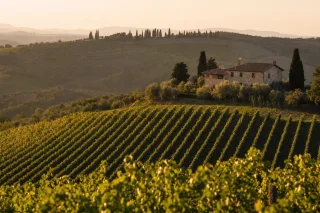
Cirò Classico is Calabria's first DOCG, the Gaglioppo red of the Ionian coast. It was promoted in 2025 from a named zone inside Cirò DOC. The wine is tannic and built to age, on at least 90 percent Gaglioppo. The grapes come from the historic vineyards of Cirò and Cirò Marina. There the Sila foothills meet the Ionian sea.


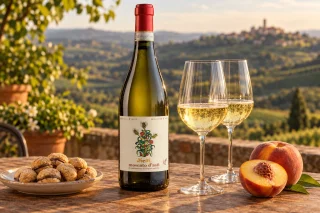
In the glass
What it tastes like
Cherry


Leather

Tobacco

Black pepper
Plum

Forest Floor
The disciplinare
The rules that define it
The same table on every denomination page, straight from the production rules.
 GaglioppoCirò Classico DOCG (2025) requires a minimum 90% Gaglioppo. Most labels are 100% Gaglioppo varietal.at least 90%Magliocco CaninoUp to 10% native blending grapes (Magliocco Canino and/or Greco Nero). The DOC's Cabernet/Merlot/Sangiovese supplements are excluded under DOCG.up to 10%
Solid means the rules demand it. Striped means optional, up to that amount. The words on the right say the same rule.

Every wine must pass a release tasting before it may carry the denomination.
Editor's cellar
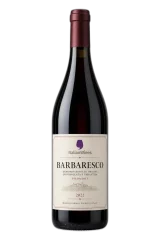
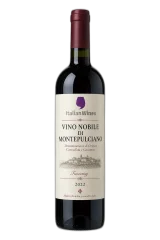
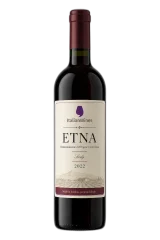
Bottles to try, and what Cirò Classico costs in the UK

Cellar doors · in Calabria
Estates you can visit
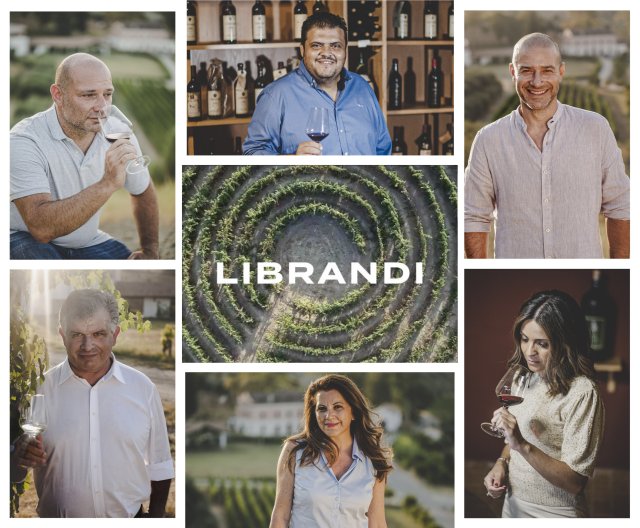
4 working estates with their gates open.


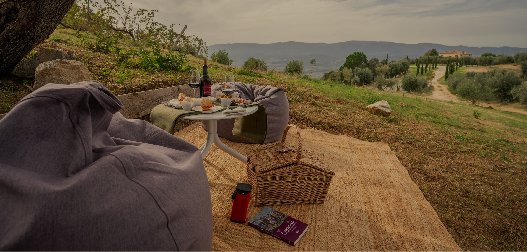
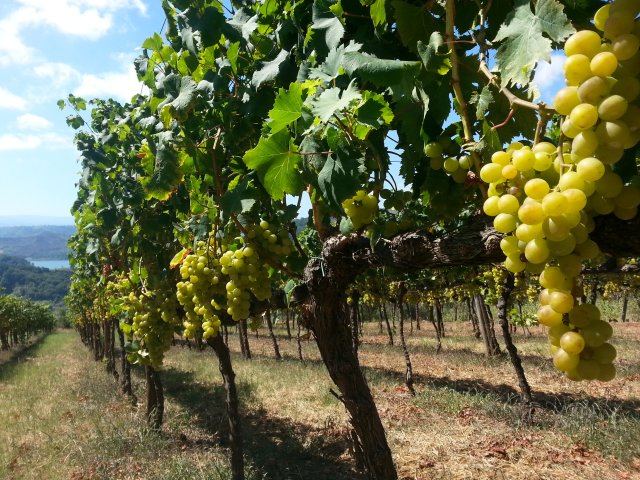
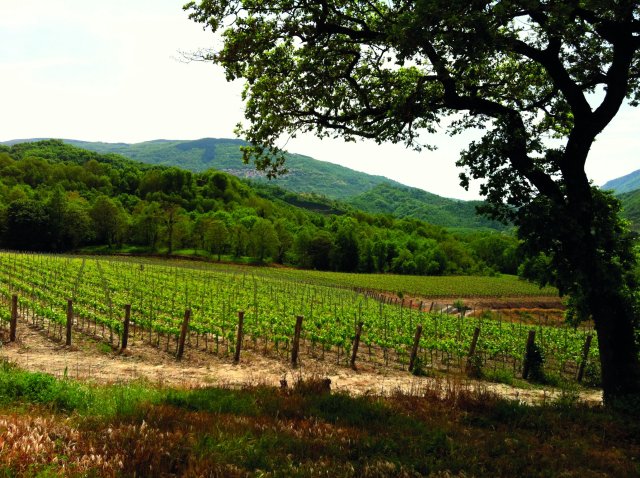
No estates match these filters. Clear a filter to see more.
Vintage provenance
Why there is no vintage chart
No annata-by-annata vintage chart has been published for Cirò Classico DOCG since its 2025 promotion. The underlying Cirò DOC is rated by individual critic reviews (Decanter, Vinous, Bibenda) on a per-bottle basis rather than through a maintained territory chart, so quality is best tracked producer by producer until the consorzio issues one.
What to check instead
The producer: quality here is tracked estate by estate rather than year by year.
How Cirò Classico is made
Cirò Classico DOCG has the strictest production rules in Calabria. The grapes must come from the Classico zone alone, which is the towns of Cirò and Cirò Marina. There, clay limestone hills tilt towards the Ionian. The blend is at least 90 percent Gaglioppo, with up to 10 percent Magliocco or Greco Nero. Cirò DOC once allowed Cabernet, Merlot and Sangiovese as top-ups. The DOCG does not. Minimum alcohol is 13.0 percent. Every bottle ages for at least 36 months, and at least 6 of those months are in wooden barrels. Release follows on 1 January of the third year after harvest. Leftover sugar is capped at 4 grams per litre, which keeps the wine bone-dry.
In depth
On the table
What to eat with Cirò Classico
The home country leads; global pairings that genuinely work follow.


In-depth guide
Cirò Classico, answered
It is the red wine made from grapes grown in the historic Classico zone of Cirò DOC. That zone is limited to the towns of Cirò and Cirò Marina, in Calabria. DOCG status was awarded in 2025, making it the region's first. The wine must be at least 90 percent Gaglioppo and aged for a minimum of 36 months. It is bottled at 13 percent alcohol minimum.
At least 90 percent Gaglioppo, with up to 10 percent Magliocco and/or Greco Nero as the only blending grapes. Cirò DOC permits Cabernet, Merlot and Sangiovese as top-ups, but the DOCG rules exclude them. Most producers bottle 100 percent Gaglioppo.
Cirò Classico DOCG is restricted to the Classico zone, the towns of Cirò and Cirò Marina. It demands at least 90 percent Gaglioppo, against 80 percent in the DOC. It excludes international grapes such as Cabernet and Merlot. It requires a minimum 13.0 percent alcohol and 36 months of ageing, including 6 months in wood. Cirò DOC accepts a wider zone, looser blends and shorter ageing.
The high tannin and savoury fruit of Gaglioppo suit the Calabrian table. The list runs capretto al forno (roast kid), fileja con la 'nduja, salsiccia calabrese, pasta al sugo di castrato and aged caciocavallo silano. Outside the regional table, it suits red-meat ragù, lamb shoulder and game birds.
The DOCG sets a minimum of 36 months from harvest, of which at least 6 must be in wooden barrels. Release follows on 1 January of the third year after harvest. Well-made examples from estates such as Librandi (Duca Sanfelice) and 'A Vita can drink well 15 to 20 years on from the vintage. That ageing curve is sometimes likened to Barolo.
Italian sommeliers including Andrea Eby of the Wine Scholar Guild draw the comparison. Gaglioppo shares Nebbiolo's pale garnet colour with an orange-tinged rim, its high tannin and its capacity to age. In style, Cirò Classico is leaner and more herbal than Barolo. Both reward patience and food.
Explore more Calabria
Same region only: the denominations Cirò Classico drinkers reach for next.

