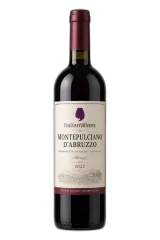
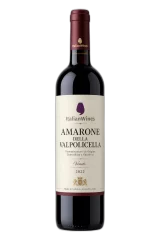
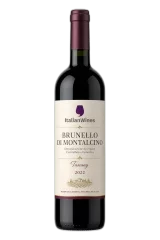
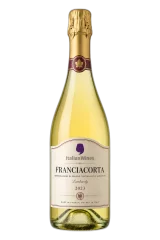







 DOCG


 Availability


Nose
Soft, ripe fruit and cherry, with a spicy note of vanilla.
Your cellar, your trips, and the wines you've been tracking are right where you left them.
New here?
Free, always. Education first, we'll never sell you anything you didn't ask to see.
Already have an account?
Enter the email you signed up with and we'll send a link to choose a new password.
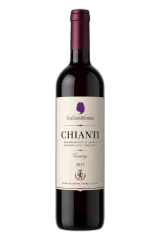
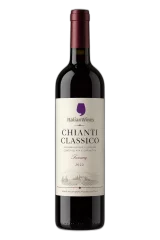
A partner winery makes this Chianti for the Villa Oppi label, from grapes grown at Montespertoli, in the Colli Fiorentini hills south-west of Florence. It blends Sangiovese with Canaiolo and Colorino, then spends about six months in oak casks.
When a UK shop starts selling it, its price will show here.
Not sold in the UK yet
We know the people who make it. Tell us how many bottles you would like and we will come back to you within two working days.
More about Villa OppiThank you, we have your question.
We will write to within two working days.
Other Chianti bottles with a live offer.
Based on the producer's published tasting notes.
Soft, ripe fruit and cherry, with a spicy note of vanilla.
Elegant, with excellent acidity and soft tannins.
It lasts well in the mouth.
A fairly pale, clear ruby red. An elegant Chianti of 13.5% alcohol from Montespertoli, near Florence, with 12 days on the skins.
A compact view of what the Chianti denomination actually requires, and how this bottle sits inside it. Pulled from the official Italian disciplinare.
Drink-now / hold guidance reflects general style cues for this wine, not a forecast for a specific bottle. Where vintage-level editorial notes exist, they appear above.
Italian wine law sorts bottles into a pyramid. DOCG sits at the top: tightly drawn boundaries, prescribed grapes, mandatory ageing, government tasting before release. DOC is the same idea with looser thresholds. IGT (Indicazione Geografica Tipica) is broader still, requiring only that 85% of the grapes come from the named territory.
Chianti is in the DOCG tier. That is not a quality verdict, it is a description of how much freedom the producer has at vinification and ageing.
Chianti falls within Tuscany, covering Arezzo · Firenze · Pisa · Pistoia · Prato · Siena. The denomination is further divided into 8 sub-zones.
Wine route
Full day, longer with tastings · 5 stops
Open the driveWine route
2 days · 7 stops
Open the driveWine route
Half a day to a full day · 4 stops
Open the driveProducer: Villa Oppi, Alseno.
Wine routes in the zone: Strada Chiantigiana SR 222, Strada del Vino Nobile, Brunello and Rosso loop.
Fresh acidity keeps pace with tomato and meat sauces.
Try with: Pappardelle with ragù, penne with tomato sauce
Soft tannins and cherry fruit suit grilled meat without weighing it down.
Try with: Grilled steak, lamb chops
Salty, mature cheese brings out the cherry fruit.
Try with: Aged pecorino toscano
A short splash decant softens the first-pour edge and opens the aromatics.
Aim for the cooler end on a warm day; warmer end opens up more aromatics.
Based on the producer's published tasting notes.
Confidence · HighFrom the official Italian disciplinare for this denomination, cross-checked against the Ministry of Agriculture register.
Confidence · HighAny advice here on keeping this wine is general, not a forecast for the bottle in your hand. Drinking years, where shown, belong to the vintage named beside them.
Confidence · MediumSoft, ripe fruit and cherry, with a spicy note of vanilla. Elegant, with excellent acidity and soft tannins.
Serve at 16-18°C. Use a Standard Balloon glass.
 7 retailers
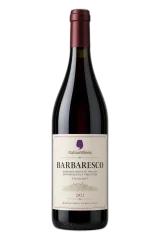
Chianti
7 retailers
£16.40
+ delivery
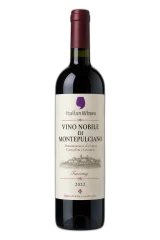
 7 retailers
Chianti
7 retailers
£30.90
£42.92
+ delivery
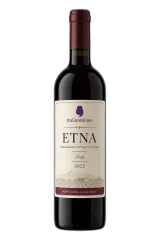
 5 retailers
Chianti
5 retailers
£13.00
+ delivery
 5 retailers
Chianti
5 retailers
£7.70
+ delivery
Affiliate disclosure. Some links above are affiliate links. If you buy through them we may earn a small commission at no extra cost to you. Editorial coverage, ratings and tasting notes are written independently and a retailer cannot pay to be listed or to be ranked higher.
How retailer prices are sourced.
Prices and stock are read from each retailer’s public product page several times a week. Outbound buy links carry rel="nofollow sponsored noopener". The list is sorted by price; we do not accept payment for placement.
What we will never do. Imply we tasted a bottle when we didn’t. Imply stock when a retailer is out. Imply independence on links that are paid affiliate links.


