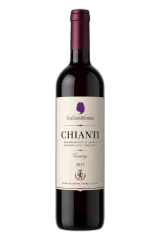
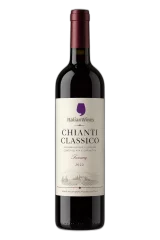


Fattoria Rodano Chianti Classico
Fattoria Rodano
- Grapes
- Sangiovese, Canaiolo
- Denomination
- Chianti Classico DOCG
- Region
- Tuscany
- ABV
- 14.5%
- Drink
- Now to 2029
Fattoria Rodano's Chianti Classico is 90% Sangiovese with a little Canaiolo and Colorino, aged 18 months mostly in big Slavonian oak casks. Cherry, violet and a leathery edge, with firm tannin. The 2024 costs about £17.58.
Prices read daily from 2 UK retailers. We earn a commission on some links; it never changes the order.
Where to buy Fattoria Rodano Chianti Classico
Stock is shown where the retailer publishes it, offers are sorted by price, and unavailable offers can’t be clicked.
No current retailer offer matches that combination.
Stock status is read from each retailer’s page once a day and may lag. Case and magnum listings show a per-bottle or per-litre equivalent and sit outside the best-price figure.
What Fattoria Rodano's Chianti Classico tastes like
Cherry and wild strawberry with a leathery, earthy edge. That is the house style of a Castellina estate that ferments with no added yeast and rests the wine 18 months in big Slavonian casks. The 2024 is a fresher, lighter year than the ones before it.
- Tasted by
- ItalianWines editorial
- Tasted on
- 17 October 2026
- Vintage in glass
- 2024
- Source
- Drinker consensus · confidence Medium
- Typical of Sangiovese
Cherry and wild strawberry lead, with a violet note and a leathery, earthy edge behind the fruit. The 2024 was a cool, rainy, long year in Chianti Classico, and that shows as lift and freshness rather than jammy ripeness. Tobacco and cedar sit at the back, from eighteen months in oak, most of it in large Slavonian casks.
Medium-bodied, with the bright acidity that the cool, wet 2024 pushed higher than usual across Chianti Classico. The tannin is firm but fine. A ferment of about twenty days on the skins with no added yeast, then a long rest in big casks, softens it. Plum and red cherry fill the middle, with dried herbs and a touch of pepper.
Long and savoury: the earthy, leathery side outlasts the fruit. The Pozzesi family bottle it without fining or filtering, so an older bottle may carry a little sediment.
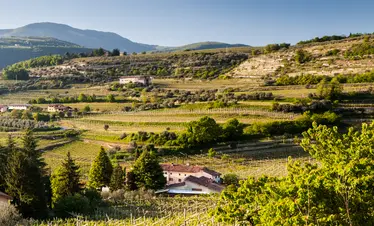
This is the estate's standard Chianti Classico, below the Riserva Viacosta. The Pozzesi family make it at Rodano near Castellina in Chianti and have sold their own bottles since 1967. Drink the 2024 from 2026 to 2029: a fresh, lighter year, so open it with food now rather than cellar it.
Buying the 2024: one shop, one price, plus a 2011 magnum
One shop sells the 2024 at about £17.58 for a 75 cl bottle, UK duty and VAT paid. There is no spread between shops to compare. The 2011 on this page is a 1.5 litre magnum from a second shop: a different size and a 15-year-old wine, not a cheaper or dearer version of the same bottle.
Other vintages and formats: 1 price line
Magnum 150cl · 2011: £42.00, 1 UK retailer
Where Rodano Chianti Classico fits: food first
Its strongest cards are Food and Beginner. Bright acidity and firm but fine tannin make sense at the table, in a style that reads as classic Chianti Classico from the first glass.
Bright Sangiovese acidity and firm but fine tannin make this a wine for the table: tomato sauces, roast and grilled meat, cured meat and hard cheese all work.
A classic Sangiovese expression from a family estate: cherry fruit, lively acidity, firm but fine tannin, 14.5%. Easy to understand with food, and the DOCG label says what it is.
The 2024 costs about £17.58 for a 75 cl bottle with UK tax paid. That is under what most family-estate Chianti Classico fetches in the UK.
About £17.58, 14.5% alcohol and a wine that likes food: midweek pasta rather than a cellar project, though the alcohol asks for a meal beside it.
Twelve months of required ageing, 14.5% alcohol and firm tannin give it a few years. Open the 2024 by 2029: it is a fresh year to drink young, not a Riserva to lay down.
A DOCG Chianti Classico from Castellina in Chianti carries some weight on a table, and the 2011 magnum sold here is a talking point. It is still the estate's standard wine, not its Riserva.
Scoring is rule-based and deterministic. The model and weightings are documented in our Wine Fit Score methodology.
Chianti Classico in five fields
A compact view of what the Chianti Classico denomination actually requires, and how this bottle sits inside it. Pulled from the official Italian disciplinare.
Rodano in 2024 and 2011: a cool wet year and a hot early one
In Chianti Classico, 2024 was rainy in spring and again in September, with a harvest that ran into October and wines lighter and fresher than usual. The 2011 was the opposite: a dry, warm year that started up to a month early and gave forward, fruit-led wines for early drinking.
- Best price
- £17.44
- Retailers
- 1 in stock
- ABV
- 14.5%
- Window
- Drink now through 2029
The 2024 was a cool, wet, late year in Chianti Classico: a rainy spring, rain again in late August and September, and a harvest that ran from mid September into October. The wines are fresher and lighter than recent years, and quality varies from estate to estate. Drink this one young, from 2026 to 2029.
- Best price
- £42.00 magnum
- Retailers
- 1 in stock
- ABV
- 14.5%
- Window
- Drink now through 2026
The 2011 was a hot, dry year in Chianti Classico that started up to a month early. It gave forward, fruit-led wines for early drinking, uneven from estate to estate. At fifteen years this is a bottle to open now rather than keep. It is sold here as a 1.5 litre magnum.
Drink-now / hold guidance reflects general style cues for this wine, not a forecast for a specific bottle. Where vintage-level editorial notes exist, they appear above.
Perfect Pairings
Dishes that go with this wine
Sangiovese acidity, Tuscan tannin: dishes that fit Rodano
The acidity cuts through tomato sauce and the tannin softens on grilled meat, which is why this Chianti Classico suits a ragù or a Fiorentina. Its earthy, leathery side after 18 months in oak also bridges to mushrooms and truffle.
Tomato-led pasta and pizza
Sangiovese's acidity matches the sharpness of a tomato sauce, so neither tastes sour next to the other. The cherry fruit in this Chianti Classico then reads sweeter against the tomato. A ragù or a Margherita is the classic Castellina table.
Try with: Ragu alla bolognese · Lasagna · Pizza Margherita · Pizza Marinara · More pairings →
Grilled and roast red meat
The firm Sangiovese tannin grips the protein in a steak and turns soft and silky. Fat from the meat does the rest, rounding the wine's edges. This is why a Chianti Classico works on a Fiorentina and a soft, low-tannin red just disappears.
Try with: Fiorentina steak · Sunday Roast Beef · Ribeye steak · Lamb chops
Cured meats and hard cheese
Salt in cured meat and aged cheese makes a dry red taste rounder and fruitier. Rodano's Chianti Classico, with its cherry fruit and earthy edge, meets salami and pecorino the way it would at the estate's own lunch table. Keep the cheese hard and salty; soft creamy cheese flattens the wine.
Try with: Pecorino sardo e pan carasau · Strong cheddar cheese · Cheese board · Melton Mowbray Pork Pie
Mushroom, truffle and feathered game
The leathery, earthy notes this wine picks up over eighteen months in big oak casks echo mushrooms and truffle. The bridge is aroma, not weight: a porcini risotto and a Chianti Classico smell of the same woodland floor. Pheasant sits in the same place.
Try with: Porcini mushroom risotto · Tagliatelle al tartufo di Acqualagna · Tajarin al Tartufo · Roast Pheasant · More pairings →
Slow-cooked and braised meat
A medium-bodied Chianti Classico weighs about the same as a braise, so neither one overpowers the other. The wine's acidity also lifts a rich, slow-cooked sauce that would make a heavier red feel tiring. Lamb shank or ossobuco shows it well.
Try with: Ossobuco alla Milanese · Spezzatino di pecora · Agnello Ragu Lucano · Lamb shank · More pairings →
Hot spice, sweet sauces and raw seafood
Chilli heat makes tannin taste harsh and the 14.5% alcohol burn, so a madras or a Sichuan dish fights this wine. Sweet sauces strip its fruit and leave only acid and tannin. Raw seafood and oysters bring out a metallic note from the tannin; pick a Vermentino di Sardegna, a crisp dry white, instead.
Skip with: Chicken madras · Szechuan chicken · Sweet and sour pork · Nigiri Sushi · Oysters · Pairing guide →
Keeping Rodano Chianti Classico: drink the 2024 by 2029
The 2024 is a fresh, lighter year: drink it from 2026 to 2029 rather than lay it down. The 2011 magnum comes from a hot, early vintage and is at the end of its run, so open it now. The wine is unfiltered: stand an older bottle up for a day before pouring.
Best in the years above; holds without falling over either side.
A short splash decant softens the first-pour edge and opens the aromatics.
Aim for the cooler end on a warm day; warmer end opens up more aromatics.
Twelve months of required ageing, 14.5% alcohol and firm tannin give it a few years. Open the 2024 by 2029: it is a fresh year to drink young, not a Riserva to lay down.
£17.44 for a 75cl bottle of the 2024, at Decantalo, is the best price we track, and we have no signal of further discounting.
Sources for this Fattoria Rodano page
Read directly from each retailer’s public product page once a day. Last refresh: 27 Oct 2026, 07:31 BST. We do not hold stock and we do not accept payment for placement.
Confidence · HighDrawn from published drinker ratings, summarised in our own words. A crowd read across many tasters, not a single critic.
Confidence · MediumFrom the official Italian disciplinare for this denomination, cross-checked against the Ministry of Agriculture register.
Confidence · HighOur reading of the price, drawn from the disciplinare, public UK duty rates, and typical landed-cost benchmarks. Not a quote from the producer or a retailer.
Confidence · MediumStyle guidance for this kind of wine at this price point. Treat it as advice, not a forecast for the bottle in your hand.
Confidence · MediumFattoria Rodano, Castellina in Chianti and Sangiovese: related pages
Common Questions
It is 90% Sangiovese with 10% Canaiolo and Colorino, the estate's traditional Chianti Classico blend. All three are Tuscan red grapes, and the Chianti Classico rules allow up to 20% of grapes other than Sangiovese.
The grapes ferment for about 20 days on their skins with no added yeast, then the wine spends 18 months in oak: 80% in large Slavonian casks and 20% in small barrels. It is bottled without fining or filtering, so an older bottle may carry a little sediment.
Cherry and wild strawberry, a violet note, then leather, earth and tobacco from 18 months in oak. It is medium-bodied with bright acidity and firm but fine tannin, at 14.5% alcohol. The 2024 is fresher and lighter than the warm years before it.
Drink the 2024 between 2026 and 2029. It comes from a cool, rainy year that gave fresher, lighter Chianti Classico, better young than cellared. The 2011, sold here as a magnum, is a hot, early year now at the end of its run: open it rather than keep it.
Decantalo sells the 2024 in 75 cl at about £17.58 with UK duty and VAT included, so there is no price to compare between shops. The 2011 on this page is a 1.5 litre magnum from Orchard Wines at about £42. That is a different size and a 15-year-old wine, so the two prices are not the same bottle.
The Pozzesi family, at Fattoria di Rodano near Castellina in Chianti. Carlo Pozzesi bought the farm in 1958 and began planting vineyards. The first bottles were sold in 1967, and his grandson Enrico runs the estate today. The late Giulio Gambelli, the Sangiovese specialist, was a friend and consultant.
You May Also Appreciate
9 retailers
Antinori Badia a Passignano Chianti Classico Gran Selezione
Chianti Classico
9 retailers
£43.83
+ delivery
9 retailers
Villa Antinori Chianti Classico Riserva
Chianti Classico
9 retailers
£24.00
+ delivery
7 retailers
Fontodi Vigna del Sorbo
Chianti Classico
7 retailers
£67.00
+ delivery
7 retailers
Barone Ricasoli Brolio Chianti Classico
Chianti Classico
7 retailers
£19.00
+ delivery
Affiliate disclosure. Some links above are affiliate links. If you buy through them we may earn a small commission at no extra cost to you. Editorial coverage, ratings and tasting notes are written independently and a retailer cannot pay to be listed or to be ranked higher.
How retailer prices are sourced.
Prices and stock are read from each retailer’s public product page once a day. Outbound buy links carry rel="nofollow sponsored noopener". The list is sorted by price; we do not accept payment for placement.
What we will never do. Imply we tasted a bottle when we didn’t. Imply stock when a retailer is out. Imply independence on links that are paid affiliate links.
