




Calabria · DOC
Bivongi DOC Calabria's Byzantine Mountain Reds, Stilaro Valley Heritage
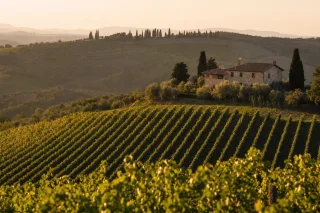
An ancient Byzantine vineyard hidden in Calabria's Stilaro valley. Bivongi DOC lies in south-east Calabria, where the Aspromonte foothills slope down to the Ionian Sea. The reds blend Gaglioppo, Greco Nero and Nocera into a savoury, sun-drenched style. The whites lean on Greco Bianco, Guardavalle and Montonico Bianco. Around nine producers work this small DOC. Their anchor is the medieval monastery of San Giovanni Theristis.
The boundary
Where it is
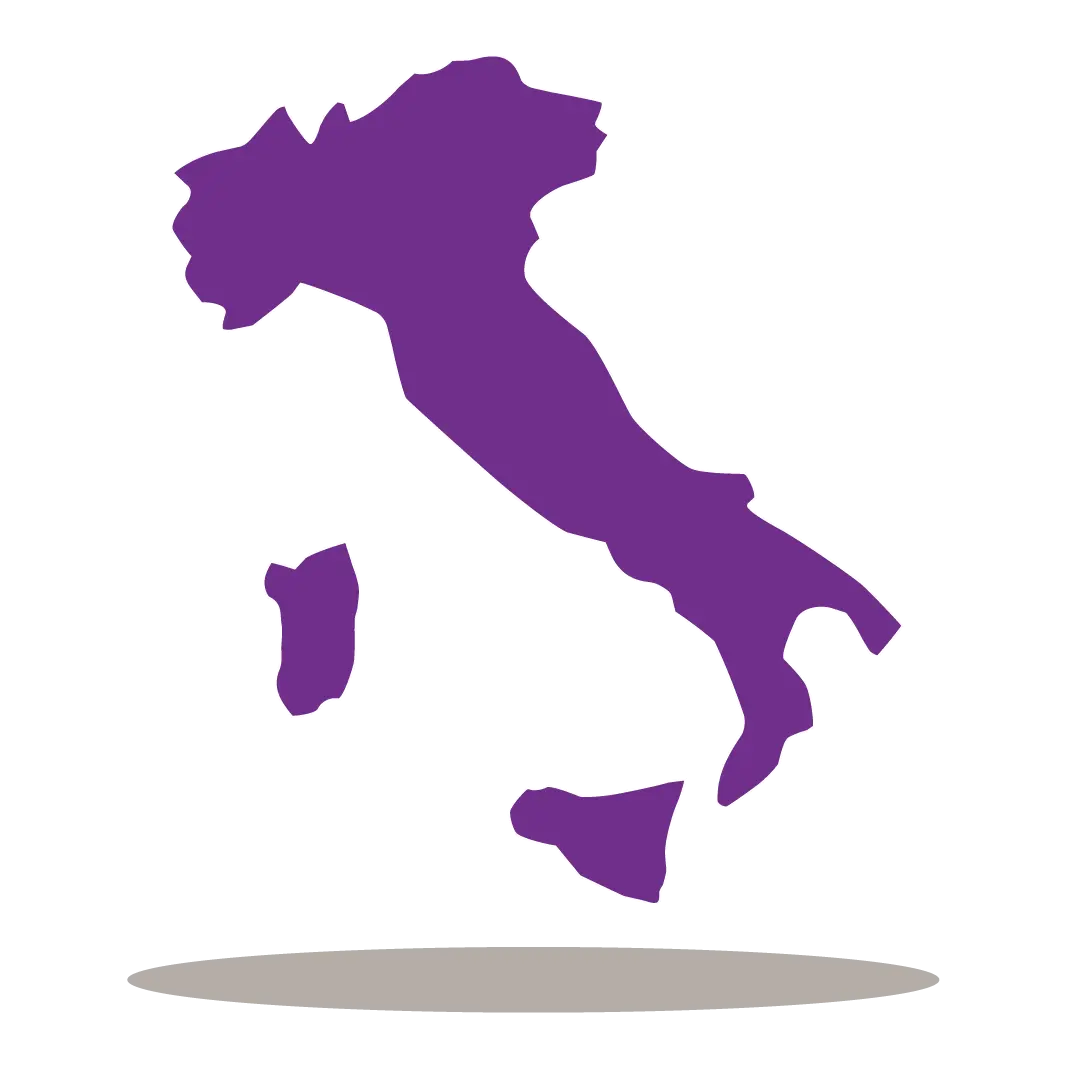
Everything on this page, the estates, the bottles, the sub-zones, sits inside this line.
In the glass
What it tastes like
Cherry

Plum
Liquorice
Black pepper

Leather
Fig
Tobacco
Almond
The disciplinare
The rules that define it
The same table on every denomination page, straight from the production rules.
 GaglioppoPrimary red grape: 30 to 50 percent combined with Greco Nero in Rosso, Rosato, Riserva and Novello.Not specified
 Montonico BiancoWhite blend primary, 30 to 50 percent combined with Greco Bianco and Guardavalle.Not specifiedMalvasia BiancaWhite support blend, 30 to 50 percent combined with Ansonica.Not specifiedCalabrese (Nero d'Avola)Calabrese is the local synonym for Nero d'Avola; red and rosato support blend, 30 to 50 percent with Nocera and Castiglione.Not specifiedCastiglioneRed and rosato support blend, 30 to 50 percent combined with Nocera and Calabrese.Not specifiedGuardavalleWhite blend primary, 30 to 50 percent combined with Greco Bianco and Montonico Bianco.Not specifiedGreco BiancoWhite blend primary, 30 to 50 percent combined with Guardavalle and Montonico Bianco.Not specifiedAnsonicaWhite support blend, 30 to 50 percent combined with Malvasia Bianca.Not specifiedNoceraRed and rosato support blend, 30 to 50 percent combined with Calabrese and Castiglione.Not specifiedGreco NeroRed and rosato blend: 30 to 50 percent combined with Gaglioppo in Rosso, Rosato, Riserva and Novello.Not specified
Solid means the rules demand it. Striped means optional, up to that amount. The words on the right say the same rule.
Vintage provenance
Why there is no vintage chart
No denomination-wide vintage chart is currently published for Bivongi DOC. The consorzio scale is too small to track per-vintage stelle, and pinnacle-tier sibling DOPs in the same Calabrian territory do not share grape DNA closely enough to act as a proxy. Vintage quality is tracked producer by producer rather than through a maintained annata table.
What to check instead
The producer: quality here is tracked estate by estate rather than year by year.
How Bivongi is made
A ministerial decree created Bivongi DOC on 24 May 1996. The rules in force today come from the update of 7 March 2014. They cover five styles: Rosso, Bianco, Rosato, Riserva and Novello. A Rosso takes 30 to 50 percent Gaglioppo and Greco Nero together. Another 30 to 50 percent comes from Nocera, Calabrese (Nero d'Avola) and Castiglione. Up to 10 percent may be other approved black grapes, and up to 15 percent white grapes. For the whites, Greco Bianco, Guardavalle and Montonico Bianco make up 30 to 50 percent. Malvasia Bianca and Ansonica take another 30 to 50 percent. The Rosso needs at least 12 percent alcohol. The Riserva needs 12.5 percent and at least two years of ageing. Growers may pick at most 120 quintals per hectare for reds and 130 for whites. In plain weight that is 12 and 13 tonnes of grapes. No more than 70 percent of that fruit may become wine.
In depth
On the table
What to eat with Bivongi
The home country leads; global pairings that genuinely work follow.


In-depth guide
Bivongi, answered
The Bivongi zone covers ten towns in south-east Calabria. Nine are in the province of Reggio Calabria: Bivongi, Camini, Caulonia, Monasterace, Pazzano, Placanica, Riace, Stignano and Stilo. The tenth is Guardavalle, in the province of Catanzaro. The vineyards sit in the Stilaro valley, between the Aspromonte foothills and the Ionian Sea.
The rules for Rosso ask for 30 to 50 percent Gaglioppo and Greco Nero together. Another 30 to 50 percent comes from Nocera, Calabrese (the local name for Nero d'Avola) and Castiglione. Up to 10 percent may be other approved black grapes, and up to 15 percent white grapes from Calabria.
The Riserva uses the same blend rules. It raises the minimum alcohol to 12.5 percent and asks for at least two years of ageing. Standard Rosso rests until the January after the harvest at the earliest.
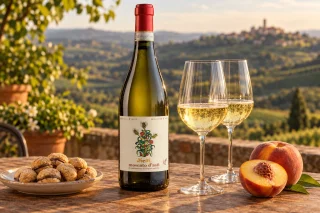
Bivongi Bianco is a dry Mediterranean white. It is built on Greco Bianco, Guardavalle and Montonico Bianco, with Malvasia Bianca and Ansonica in support. Tasting notes lean towards almond, citrus pith and salty herbs. It is made for antipasti, seafood primi and grilled fish, and it is served at 8 to 10 degrees Celsius.
Bivongi was raised to DOC by ministerial decree on 24 May 1996 (Gazzetta Ufficiale n. 131, 6 June 1996). The production rules in force today were approved by the decree of 7 March 2014, after revisions in 2005 and 2011.
Production centres on Enopolis Bivongi, founded in 2008 to succeed the Cantina Sociale di Bivongi cooperative of 1961. A small group of independent estates works terraced vineyards in the Stilaro and Allaro valleys. Around nine wineries currently bottle under the DOC label.
Explore more Calabria
Same region only: the denominations Bivongi drinkers reach for next.


