

IGT White

I Pastini Cupa Bianco d'Alessano Valle d'Itria IGP

I Pastini

Grape
Bianco di Alessano
Denomination
Valle d'Itria IGT
Region
Puglia
ABV
12%
Body
Full
Drink
Now to 2030

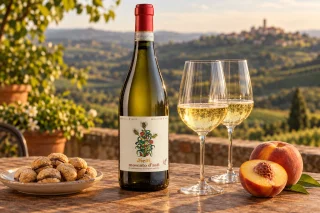
Cupa is I Pastini's single-grape Bianco d'Alessano from the Itria valley in Puglia. Pear, peach and delicate floral notes on a fresh, full-bodied dry white with a long, stony finish. The family says it ages well.

Price
£14.00

2025 · 75cl · checked 27 Oct · Delivery £8.90, free from £89

Prices read daily from 1 UK retailer. We earn a commission on some links; it never changes the order.

Where to buy I Pastini Cupa Bianco d'Alessano

£14.00 price · 1 retailer in stock · checked 27 Oct 2026

One shop sells this wine in the UK, so there is no price to compare between shops. Each price is the one on its page today, read daily.

Svinando Best price 2025 · 75cl · checked 27 Oct · Delivery £8.90, free from £89
Read from the retailer's page once a day. Confidence is low, so treat it as a guide and confirm at the retailer.
£14.00 £18.67/L

Stock status is read from each retailer’s page once a day and may lag.

Tasting Notes

Tasting I Pastini Cupa 2025: pear, peach and a stony finish

The 2025 Cupa is a dry, single-grape Bianco d'Alessano from the Carparelli family's vineyards in the Itria valley. It is fermented cool and kept in steel tanks for about five months before bottling.

Tasted by
ItalianWines editorial, from the producer's notes
Tasted on
28 May 2026
Vintage in glass
2025
Source
Producer notes · confidence High
Body
Full, from the producer's sheet
Typical of Bianco di Alessano
Tannins Smooth / Grippy
Sweetness Dry / Sweet
Acidity Soft / Crisp
Nose

Delicate floral notes, pear and peach: the white fruit the Carparelli family picks out in its own note on Cupa. The 2025 is straw yellow with green glints, as the wine is when young. It smells delicate rather than loud.

Citrusy fruitCitrusy fruit
GrapefruitGrapefruit
Green AppleGreen Apple
PeachPeach
PearPear
Wet stonesWet stones
Palate

Dry and fresh, with the weight of a full-bodied white at only 12% alcohol. Pear and peach carry the fruit, with a stony edge running through it. It is fermented cool and kept in steel tanks for about five months, which keeps it fresh and well balanced.

Finish

The 2025 finishes long, as the producer's own note promises, with pear and a stony freshness staying well after each sip.

Overall

Cupa is the estate's single-grape Bianco d'Alessano, grown on the family's vineyards between Locorotondo and Martina Franca. The family says it needs patience and ages exceptionally well, so we would drink the 2025 from 2026 to 2030. Drinkers pick out its peach and stony freshness most.

Drink now Best by 2030
Live UK pricing

Where to buy I Pastini Cupa 2025 in the UK

Only one UK shop sells Cupa, at £14 for the 2025, so there is no second price to compare. It is a 75 cl bottle of 12% dry white, made by the Carparelli family near Martina Franca in Puglia.

Best price · 75 cl · 2025 £14.00 at Svinando
75cl · 2025 available from Svinando £14.00, in stock
Vintages live 2025 Current release: 2025
Per-litre (75cl · 2025 basis) £18.67 Lowest current 75cl · 2025 offer
Last checked 27 Oct 2026 Refreshed once every 24 hours
Wine fit score

How I Pastini Cupa scores for food, value and everyday drinking

Best with food and Best everyday bottle are its strongest cards. Cupa is a fresh, dry 12% white with enough body for mussels, seafood pasta and mild cheese.

Best with food 8.2/10

Fresh acidity with a full body makes it flexible at the table. Mussels, seafood pasta, mild cheese and Puglia's vegetable pastas all suit it. Only red meat and rich beef sauces overwhelm it.

Best everyday bottle 7.4/10

At £14 and 12% alcohol, it is a fresh, dry white for weeknight fish, pasta and vegetable dishes.

Best value 7.2/10

At £14 it costs a little less than most Puglia whites in UK shops. That is fair for a single-grape wine from a small family estate, which says the wine ages well.

Best intro to this style 7.0/10

Easy to like, with pear, peach and fresh acidity at 12% alcohol. Bianco d'Alessano will be new to most drinkers, and this is a gentle way to try a rare grape from Puglia.

Best for cellar 4.5/10

The family says Cupa ages exceptionally well and needs patience, and it sells an older 2021 bottling. Still, this is a steel-aged 12% white: we would drink the 2025 by 2030.

Best for an occasion 3.5/10

A Valle d'Itria IGP white from a rare local grape is a talking point rather than a showpiece. Pick it for a seafood lunch, not a big celebration.

Scoring is rule-based and deterministic. The model and weightings are documented in our Wine Fit Score methodology.

Denomination Compliance Snapshot

Valle d'Itria in five fields

A compact view of what the Valle d'Itria denomination actually requires, and how this bottle sits inside it. Pulled from the official Italian disciplinare.

Allowed grapes
6 varieties listed
This bottle: Bianco di Alessano.
Minimum ageing
Recorded by producer
Disciplinare ageing rule not yet recorded.
Region / area
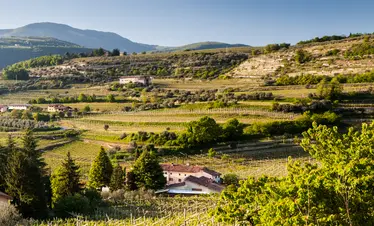
Eight communes of the Itria valley karst across Bari, Brindisi and Taranto provinces, Alberobello to Ostuni
Source: Disciplinare.
Style
IGT · Valle d'Itria
Classification
IGT (Indicazione Geografica Tipica)
Vintages

The 2025 vintage of Cupa and when to drink it

Early estimates put Puglia's 2025 crop about 17% above 2024, with water stored in spring helping vineyards through the summer heat. The family says Cupa needs patience, so we would drink the 2025 from 2026 to 2030.

2025 Current release
Best price
£14.00
Retailers
1 in stock
ABV
12.0%
Window
Drink now through 2030

Early estimates put Puglia's 2025 crop about 17% above 2024. Water stored in spring helped southern vineyards through the June and August heat waves. The producer says Cupa needs patience, so drink the 2025 from 2026 to 2030.

Drink-now / hold guidance reflects general style cues for this wine, not a forecast for a specific bottle. Where vintage-level editorial notes exist, they appear above.

The disciplinare, the place, the label

Bianco d'Alessano, the Itria valley's own white grape

Bianco d'Alessano is grown almost only in Puglia, mostly in the Itria valley, where writings from 1870 already record it. The Carparelli family took cuttings from very old local vines to plant their 18 hectares, about 25 football pitches.

01

DOC, DOCG, IGT: what the badges mean

Italian wine law sorts bottles into a pyramid. DOCG sits at the top: tightly drawn boundaries, prescribed grapes, mandatory ageing, government tasting before release. DOC is the same idea with looser thresholds. IGT (Indicazione Geografica Tipica) is broader still, requiring only that 85% of the grapes come from the named territory.

Valle d'Itria is in the IGT tier. That is not a quality verdict, it is a description of how much freedom the producer has at vinification and ageing.

02

The denomination rules, in detail

  • Allowed grapes. 6 varieties listed in the disciplinare
  • Yield ceiling. 22.0 tonnes per hectare
  • Tasting panel. No mandatory pre-release tasting
03

Region and area context

Valle d'Itria falls within Puglia, covering Eight communes of the Itria valley karst across Bari, Brindisi and Taranto provinces, Alberobello to Ostuni.

The zone the estate stands in The producer

Made at I Pastini, Martina Franca. Directions

04

Reading the label

  • I PastiniProducer / estate
  • Bianco di AlessanoGrape varieties
  • Valle d'Itria IGTGeographic indication and quality tier
  • 2025Vintage (year of harvest)
  • 12.0% volAlcohol by volume
05

What sits behind the price of I Pastini Cupa Bianco d'Alessano

Tracked from
£14.00
Direction
Mostly cost up
Drivers
4 up / 1 down
Main factor
UK duty and VAT on a 12% white
  1. 01

    Picked by hand in the early morning into small crates

    Cost up

    I Pastini picks its grapes by hand in the early hours and sorts the bunches into small crates so the berries do not split. That takes more people and time than machine picking.

  2. 02

    A rare local grape from a small family estate

    Cost up

    Bianco d'Alessano covered only about 411 hectares of Puglia in 2010, and the Carparelli family farms 18 in all. Small volumes of an uncommon grape cost more per bottle than a bulk white.

  3. 03

    Organic treatments and legume crops in the vineyard

    Cost up

    The family treats its vines with organic products only and feeds the soil by sowing legumes and turning them back in. That adds work in the vineyard.

  4. 04

    Steel tanks and a quick release instead of barrels

    Cost down

    Cupa spends about five months in steel tanks before bottling, and the 2025 was on sale in 2026. No barrels and no long cellar wait keep the price down.

  5. 05

    UK duty and VAT on a 12% white

    Cost up

    Of the £14 bottle, about £5.10 is tax: £2.76 of duty at 12% alcohol and about £2.33 of VAT.

01

Picked by hand in the early morning into small crates

Cost up

I Pastini picks its grapes by hand in the early hours and sorts the bunches into small crates so the berries do not split. That takes more people and time than machine picking.

Food Pairing

What to eat with I Pastini Cupa: seafood, pasta and mild cheese

The producer suggests starters, soups, first courses with fish or white meat, vegetables and mild cheeses. Fresh acidity and a full body let Cupa handle a bowl of seafood pasta as well as a plate of mussels.

Salt balance Strong match

Mussels and shellfish starters from the south

Salty shellfish softens the wine's acidity and brings out its pear and peach fruit. In turn, the freshness of this dry Bianco d'Alessano from Puglia keeps each mouthful of mussels clean. It has the body for breadcrumbs, garlic and olive oil too.

Try with: Cozze arraganate · Impepata di cozze · Fregula ai frutti di mare · More pairings →

Body matching Strong match

Seafood pasta and fish first courses

The producer suggests first courses with fish, and body is the reason. Cupa is a full-bodied dry white, so it stands up to pasta and rice without swamping a light seafood sauce. Its pear and peach fruit sits well beside clams and prawns.

Try with: Fregula ai frutti di mare · Linguine with clams · Seafood risotto

Acidity matching Good match

Puglia's pasta with greens and chickpeas

Fresh acidity lifts the olive oil in these pastas, and the wine's gentle fruit softens the bitter edge of turnip tops and broccoli. It is a local match: a dry Bianco d'Alessano from the Itria valley with pastas from the same region.

Try with: Orecchiette con cime di rapa · Cavatelli con broccoli · Ciceri e tria · More pairings →

Fat cutting Good match

Mozzarella, burrata and other mild cheeses

Fresh acidity cuts through the creamy fat of burrata and mozzarella, and the wine's gentle fruit does not bury their milky taste. Keep the cheese mild, as the producer advises. A strong blue would flatten this delicate Bianco d'Alessano.

Try with: Insalata Caprese · Burrata with tomatoes · Fresh ricotta

Body matching Good match

Roast chicken and other white meat

The producer calls Cupa full-bodied and lists white meat among its matches. That weight lets this dry Puglia white hold its own next to roast chicken or turkey. Its freshness keeps the plate from feeling heavy.

Try with: Roast chicken · Turkey escalopes with lemon · Chicken broth with pastina

Avoid Clash

Steak, ribs and rich beef dishes

Charred steak and rich beef sauces bury the delicate floral and white-fruit notes of this dry Bianco d'Alessano. The wine ends up tasting thin and sharp. Choose a soft, ripe Puglia red such as Primitivo for those dishes instead.

Skip with: Fiorentina steak · BBQ ribs · Beef stew · Pairing guide →

Drinking + cellar

Keeping I Pastini Cupa: a Puglia white the family says will age

The family says Cupa ages exceptionally well and needs patience. Each year the estate also makes a few bottles of patiently aged Cupa, such as the Cupa 2021. We would drink the 2025 from 2026 to 2030.

Drinking window
2026 → 2030

Best in the years above; holds without falling over either side.

Serving temperature
8-12°C

Aim for the cooler end on a warm day; warmer end opens up more aromatics.

Cellar potential
Medium

The family says Cupa ages exceptionally well and needs patience, and it sells an older 2021 bottling. Still, this is a steel-aged 12% white: we would drink the 2025 by 2030.

Buy now or wait?
Buy now

£14.00 for a 75cl bottle of the 2025, at Svinando, is the best price we track, and we have no signal of further discounting.

Sources & trust

Sources behind this I Pastini Cupa page

Prices & stock

Read directly from each retailer’s public product page once a day. Last refresh: 27 Oct 2026, 04:17 BST. We do not hold stock and we do not accept payment for placement.

Confidence · High
Tasting notes

Based on the producer's published tasting notes.

Confidence · High
Appellation rules & ageing

From the official Italian disciplinare for this denomination, cross-checked against the Ministry of Agriculture register.

Confidence · High
Why it costs what it costs

Our reading of the price, drawn from the disciplinare, public UK duty rates, and typical landed-cost benchmarks. Not a quote from the producer or a retailer.

Confidence · Medium
Drink window & cellar potential

Style guidance for this kind of wine at this price point. Treat it as advice, not a forecast for the bottle in your hand.

Confidence · Medium
Related

I Pastini, Valle d'Itria and Bianco d'Alessano: related pages

Producer
I Pastini Puglia
Grapes
Bianco di Alessano
Denomination
Valle d'Itria IGT

Common Questions

Cupa is made from 100% Bianco d'Alessano, an old white grape of Puglia. Writings from 1870 already record it around the Itria valley, and today it is grown almost only in Puglia.

Cupa is a dry, fresh white with pear and peach fruit, delicate floral notes and a long, stony finish. The producer calls it full-bodied and structured, at 12% alcohol.

No, Cupa is a Valle d'Itria IGP, a protected zone of eight towns in the Itria valley, with Martina Franca among them. Its rules let a white name its grape on the label, which is why Bianco d'Alessano appears there.

We would drink the 2025 from 2026 to 2030. The family says Cupa needs patience and ages exceptionally well, and each year it makes a few bottles of patiently aged Cupa, such as the 2021.

Mussels, seafood pasta, mild cheeses and vegetable pastas suit it best. The producer suggests starters, soups, first courses with fish or white meat, and cheeses with delicate flavours.

Svinando sells the 2025 at £14 a bottle. It is the only UK shop with the wine on this page, so there is no price to compare between shops.

You May Also Appreciate

Affiliate disclosure. Some links above are affiliate links. If you buy through them we may earn a small commission at no extra cost to you. Editorial coverage, ratings and tasting notes are written independently and a retailer cannot pay to be listed or to be ranked higher.

How retailer prices are sourced. Prices and stock are read from each retailer’s public product page once a day. Outbound buy links carry rel="nofollow sponsored noopener". The list is sorted by price; we do not accept payment for placement.

What we will never do. Imply we tasted a bottle when we didn’t. Imply stock when a retailer is out. Imply independence on links that are paid affiliate links.

I Pastini Cupa Bianco d'Alessano