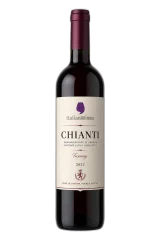
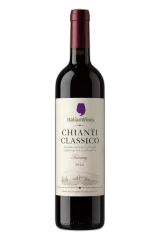









Exploring Chianti: The Quintessential Italian Red Wine for the British Palate
TL;DR
- Chianti is the everyday doorway into Sangiovese, with red cherry, herbs, acidity and enough grip for food.
- For UK shoppers, it is most useful when matched to tomato sauces, roast pork, pizza and midweek Italian meals.
- Trade up to Chianti Classico or Riserva when you want more structure, savoury depth and a bottle that can handle richer dishes.

Jump-Start Your Chianti Journey: Top Picks
Eager to dive straight into some bottle recommendations? We get it - sometimes you just want to get to the good stuff. Below, you'll find our hand-picked selection of Chiantis, ideal for complementing your next British meal. Cheers!

Frescobaldi Castiglioni Chianti 2025
Marchesi de' Frescobaldi's Chianti DOCG from the historic Tenuta Castiglioni estate. Sangiovese with a little Merlot, steel-aged and bright: cherry, strawberry, violet, soft tannin, fresh acidity. A versatile Tuscan red for pasta and roast meats.
View Wine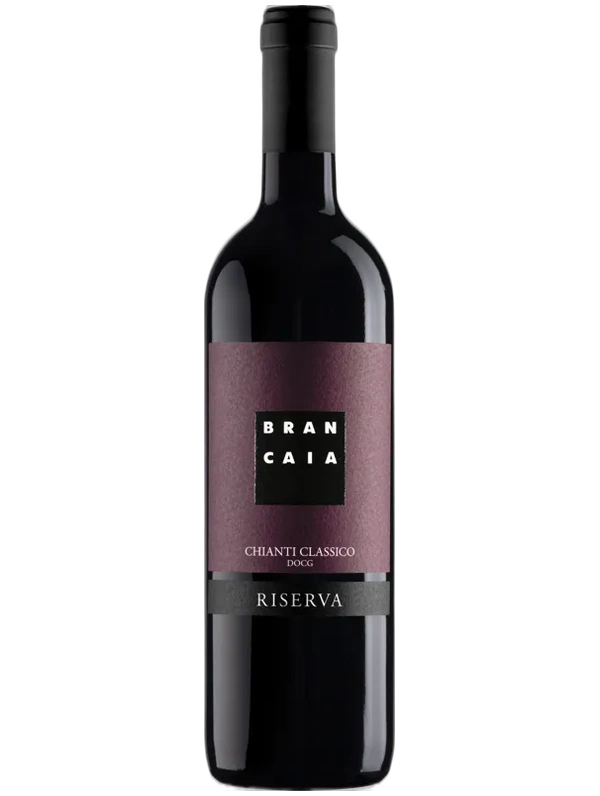
Casa Brancaia Chianti Classico Riserva 2022
Brancaia's Riserva blends 80% Sangiovese with 20% Merlot from Castellina and Radda in Chianti, aged 16 months in tonneaux and barriques. Cherry, leather and tar sit over sweet, ripe tannins: a structured Chianti Classico DOCG built to age.
View Wine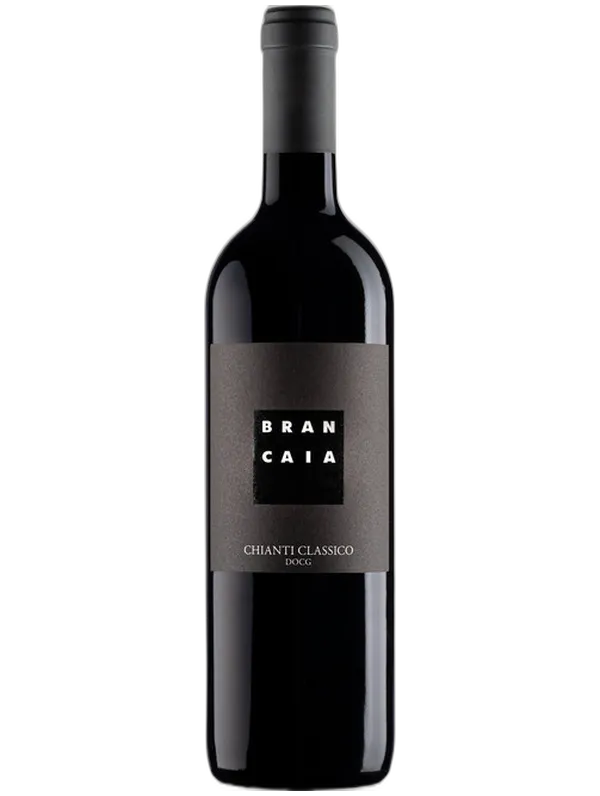
Casa Brancaia Chianti Classico 2024
Brancaia's single-variety Sangiovese from Castellina and Radda in Chianti, aged 12 months in steel and concrete with no oak. Bright cherry and violet, fresh acidity and supple tannin make this organic Chianti Classico a fine everyday Tuscan red.
View Wine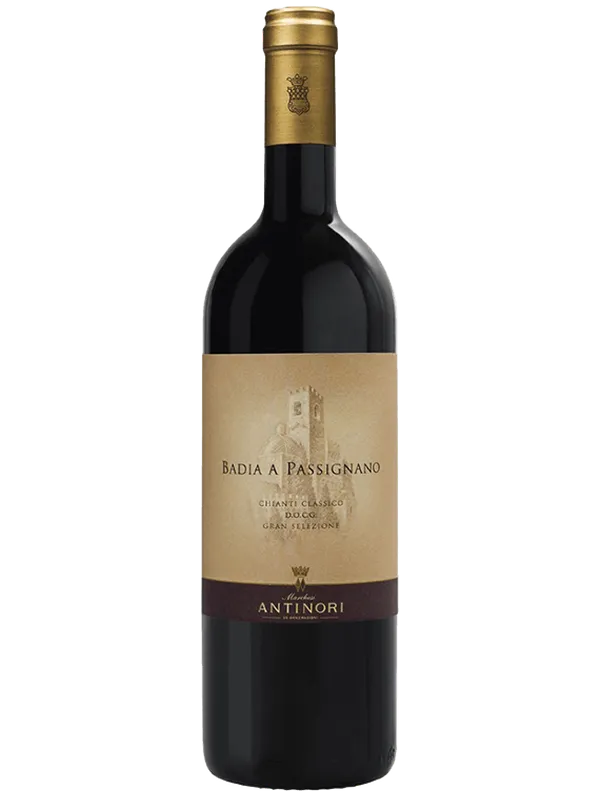
Antinori Badia a Passignano Chianti Classico Gran Selezione 2022
Antinori's single-vineyard Gran Selezione: 100% Sangiovese grown around the abbey of Passignano, aged in French and Hungarian oak. Firm, fine tannins and bright acidity frame ripe cherry, violet and leather. Built to cellar, made for red meat.
View Wine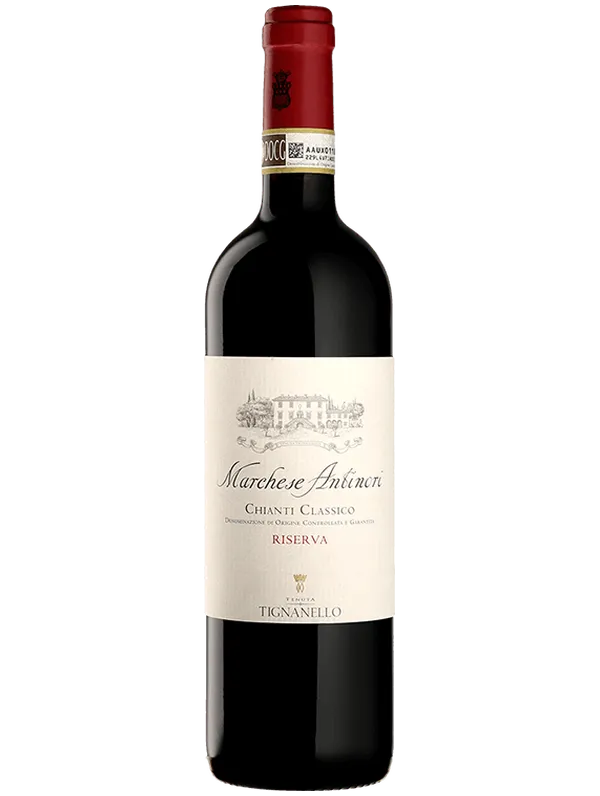
Marchese Antinori Chianti Classico Riserva Tenuta Tignanello 2023
Marchesi Antinori's historic Marchese Antinori Chianti Classico Riserva, sourced since 2011 entirely from the Tenuta Tignanello vineyard between the Greve and Pesa valleys. Mostly Sangiovese on alberese marl, aged in French and Hungarian oak barrique
View Wine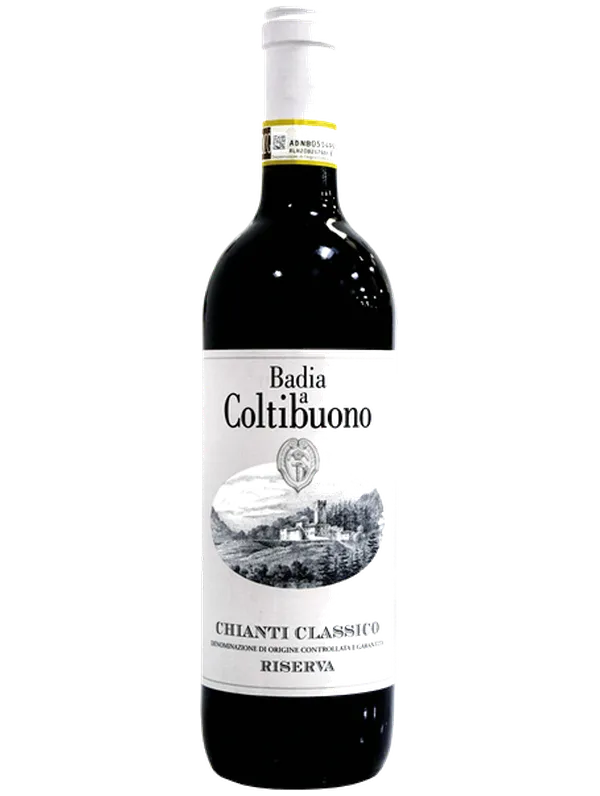
Badia a Coltibuono Chianti Classico Riserva 2021
Badia a Coltibuono's organic Chianti Classico Riserva: 90% Sangiovese aged about 24 months in large French and Austrian oak botti. Ruby red, with violet, brandied cherry, liquorice and balsamic depth over firm acidity and a long, savoury finish.
View Wine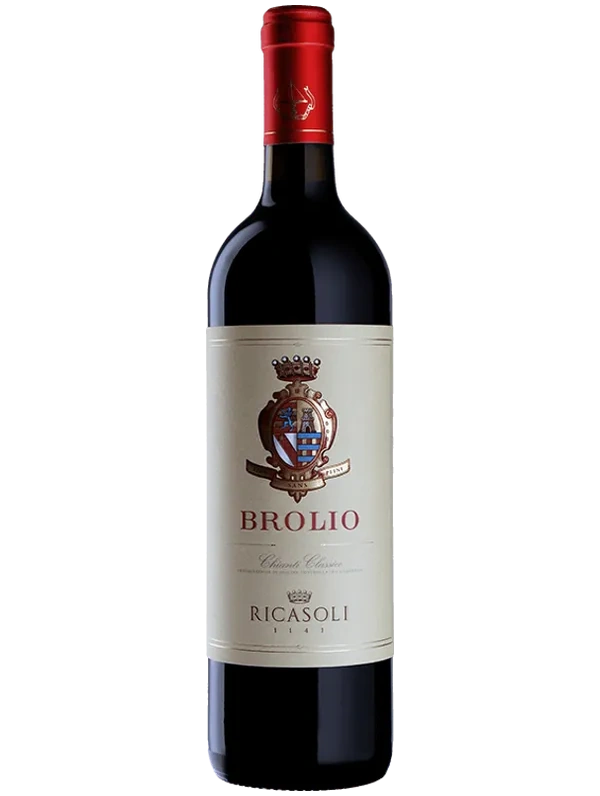
Barone Ricasoli Brolio Chianti Classico 2024
The everyday red from the Gaiole estate where Bettino Ricasoli wrote the first Chianti recipe in 1872. Sangiovese rested nine months in used oak, so the fruit leads. Sour cherry, violet and liquorice, firm but polite. Around £20 to £23.
View Wine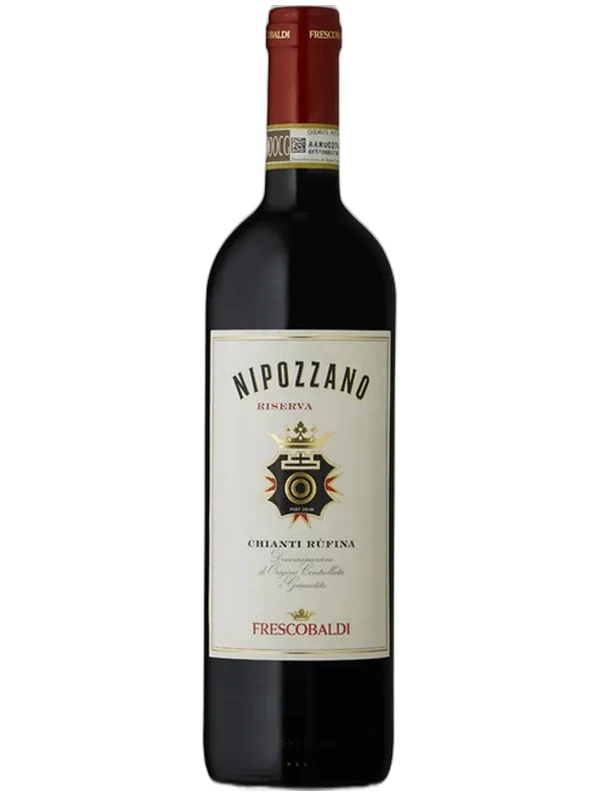
Frescobaldi Montesodi Chianti Rufina Riserva 2022
Frescobaldi's single-vineyard Sangiovese from a 400m schist plot on the Castello Nipozzano estate, named Chianti Rufina's first cru in 1974. Aged in 30hl French and Austrian oak botti, it pairs cherry and violet with leather, tobacco and silky tannin
View Wine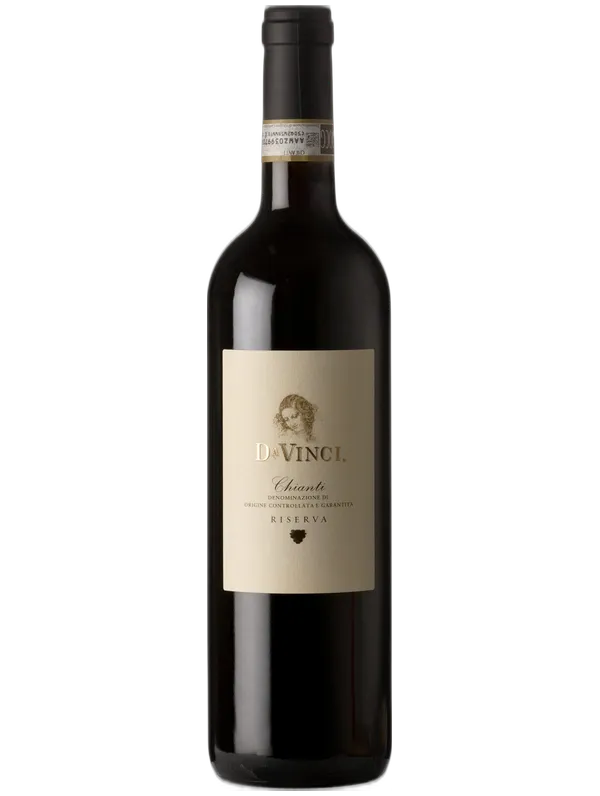
Da Vinci Chianti Riserva 2021
Sangiovese Chianti Riserva DOCG from the hills around Vinci, made by the Leonardo da Vinci co-op. Over two years in French and American oak give dark cherry, vanilla and cinnamon over soft tannins and a long, mineral finish. Easy, well priced, 13%.
View Wine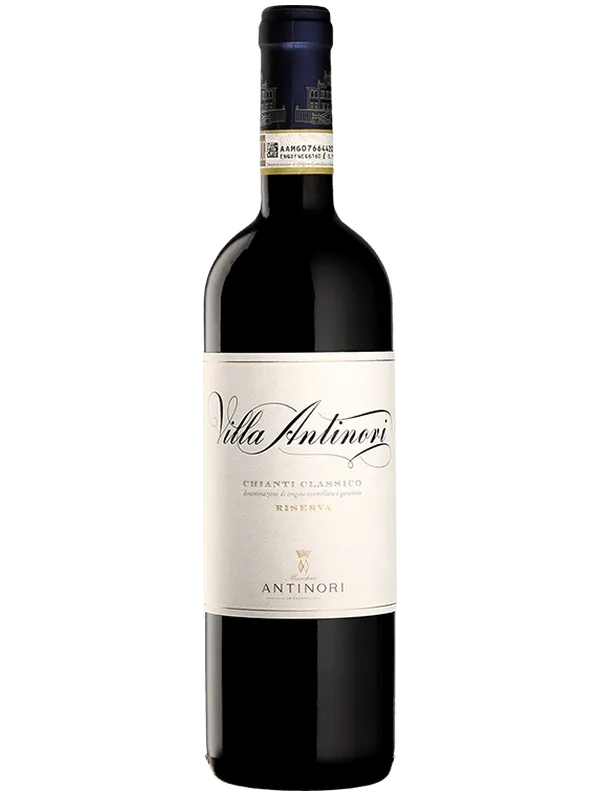
Villa Antinori Chianti Classico Riserva 2023
Antinori's Sangiovese-led Chianti Classico Riserva, made since 1928 and aged about 18 months in large oak and small barrels. Cherry, rose and liquorice, silky tannins, a long savoury finish. Around £24 to £34 from eight UK shops.
View WineHistory of Chianti
In the rolling hills of Tuscany, the tale of Chianti began in earnest during the 13th century, although viticulture in the region traces back to Roman times. The wine’s name derives from the Chianti region itself, once a medieval battleground between the rival cities of Florence and Siena. By the 18th century, Chianti was already being recognised for its quality, and regulations were set forth to define the wine's production zone.
But it wasn’t until the late 19th century that Baron Bettino Ricasoli formalised the 'Chianti recipe', predominantly featuring the Sangiovese grape. Since then, this historic blend has undergone several modifications and has even witnessed a 'Chianti Classico' renaissance aimed at elevating its status from 'just another Italian red' to a wine of significant stature.
As the British palate has increasingly gravitated towards more nuanced and terroir-driven wines, Chianti's focus on quality and heritage makes it an enticing option for UK consumers, far removed from the clichéd 'straw-flask' table wine many might initially picture.
Geography and Terroir
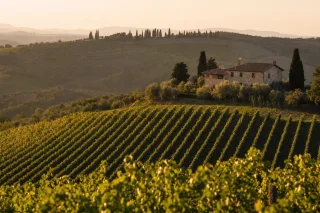
For the discerning British wine lover, terroir matters. A wine's roots, quite literally, shape its character. Chianti's heartland is nestled in the picturesque hills of Tuscany, stretching between Florence to the north and Siena to the south. The geography here is as varied as a British weather forecast - ranging from vineyards at higher altitudes with cooler temperatures to sun-drenched slopes that coax out the Sangiovese grape's fullest expressions.
Now, let's talk soil. Tuscany's diverse geological makeup includes limestone-rich clay, marl, and schist. These varied soils contribute to the wine’s complexity. You'll find that Chiantis from higher, rockier terrains often have brighter acidity and more floral notes, akin to the refreshing zing we Brits love in a chilled glass of gin and tonic.
Climate-wise, the region enjoys a Mediterranean climate with hot summers and cool, wet winters, not unlike the UK’s own variable climate. The area's unique combination of climatic conditions and varied elevations make for a Sangiovese grape that has both structure and finesse. In short, Chianti offers a terroir-driven experience that pairs exceptionally well with the British culinary landscape - from a hearty shepherd's pie to an elegant rack of lamb.
Whether you’re an aficionado or a casual sipper, Chianti offers a broad spectrum of tastes molded by its geography and climate, promising a rewarding experience that feels both exotic and comfortably familiar to the UK palate.
Grape Varieties
For many Brits, the term 'Sangiovese' may not roll off the tongue as easily as 'Cabernet Sauvignon' or 'Merlot,' but trust us, this grape is the soul of Chianti. Making up a minimum of 80% of the blend by regulation, Sangiovese brings a range of flavours from tart cherry to earthy leather, often graced with a touch of spice. It's the grape's naturally high acidity and medium to high tannin structure that make it such a good companion for our rich British fare, from a succulent beef roast to a cheesy lasagna.
Yet, Sangiovese doesn't work alone; it often gets a helping hand from other grape varieties such as Canaiolo, Colorino, and occasionally international varietals like Merlot and Cabernet Sauvignon. These 'supporting grapes' typically make up the remaining 20% of the blend, adding nuances of dark fruit, floral aromas, or a touch of softness to the wine.
Chianti Winemaking Techniques
Now, if you're a Brit, partial to the craftsmanship behind a good pint of ale or a bottle of single malt, you'll appreciate that Chianti also boasts a meticulous production process. It kicks off with a fermentation period where the Sangiovese grapes meet yeast in stainless steel or concrete tanks. This is the stage where the grape sugar turns into alcohol, producing those flavours and aromas that pair oh-so-well with a ploughman's lunch or a beef Wellington.
What sets Chianti apart, and what might particularly interest the UK consumer, is its ageing process. Chianti Classico, for instance, must age for at least a year, with Chianti Classico Riserva requiring two years and a minimum of three months in the bottle. Some producers also utilise oak barrels, bringing a complexity that can stand up to even the most robust British stews.
But here's the kicker: while oak ageing brings richer, deeper flavours, not all Chiantis go through this. Some stick to a 'fresh' style, ageing in stainless steel to preserve the grape's natural zest and tang. It's this diversity in ageing that gives you a range of Chianti options to suit different occasions, from a summer barbecue to a cosy, candlelit dinner.
Taste Profile
Taste Profile Alright, so you're probably wondering: what's a glass of Chianti actually going to taste like? No worries, we've got you covered. First off, let's talk about that fruitiness. Chianti often delivers a burst of red fruit flavors, particularly cherry and red plum, which can feel right at home with British fruit desserts or even a tangy redcurrant sauce. Now, don't let that fruit-forward start fool you; Chianti isn't a one-note wonder. Mid-palate, you'll often find herbal nuances - think dried oregano or thyme - that bring an almost savoury quality. These herbal notes can brilliantly complement a traditional British roast or a spiced pie.
-
 Red Forest Berries
-
 Cherry
-
 Plum
Plum
And we're not done yet! As you let the wine linger, you may detect hints of tobacco and leather, giving the wine an earthy finish. These flavours can be a smashing match for hearty British dishes like steak and kidney pie or a rich, meaty stew.
-
 Tobacco
-
 Leather
But Chianti's tannins and acidity, the backbone of this Italian gem, make it exceptionally food-friendly. These structural elements balance the wine, ensuring it's neither too heavy nor too light, and frankly, making it a solid choice for pretty much any British fare you can think of. So let's dive in how to pair chianti with food!
Food Pairing
Chianti's got the kind of character that knows how to hold its own at the dinner table - something we Brits can surely appreciate.
Picture this: you're sitting down to a classic Sunday roast. The wine's lively acidity is a perfect foil for the fatty richness of roast pork or beef, while its herbal undertones go beautifully with Yorkshire puddings and rosemary potatoes.
- Starter Welsh Rarebit Melted cheddar cheese spiced with Worcestershire sauce on toasted bread, a decadent start that’s uplifted by Chianti’s acidity.
- Main Beef Wellington A tender beef fillet wrapped in puff pastry, it’s rich and meaty - a prime candidate for Chianti’s tannic grip.
- Second Bangers and Mash Good old sausages with creamy mashed potatoes. The wine’s fruitiness complements the savoury sausages.
- Dessert Blackberry Cobbler A bit unconventional, but the wine’s berry notes really shine next to a fruity dessert.
Conclusion
As the UK continues to diversify its wine repertoire, the timely rediscovery of Chianti couldn't be more apt. This Italian stalwart offers not just a sip, but a gulp of culture, geography, and meticulous craftsmanship - qualities that resonate with British consumers who appreciate the nuances of a well-crafted drink. Whether it's the bold Sangiovese grape, the thoughtful blending, or the choice of ageing vessel, each bottle of Chianti invites you on a journey that complements the richness and diversity of the British culinary landscape. The flexibility of Chianti makes it a welcome guest at any UK dining table, proving that this iconic Italian wine is not just good; it's British-dinner-party good. So, the next time you're pondering over the wine list or browsing the aisles, remember that a bottle of Chianti could very well be the missing piece to your gastronomic puzzle. Cheers!