Red Grape · Aosta Valley

Prëmetta

Premetta is Valle d'Aosta's palest native red: the rare, red-berried cousin of white Prié Blanc, an alpine wine of wild strawberry, iris and gleaming acidity, edged with a bitter almond-skin tannin no true rosé ever has.

Prëmetta (Prié Rouge) is an indigenous red grape of Italy's Valle d'Aosta, grown mainly around Sarre and the central valley. It produces pale, perfumed reds bottled under the Valle d'Aosta DOC subzone of the same name. Thin-skinned bunches yield a light, fragrant Alpine wine in the Aostan style.

Setting it straight

More than meets the eye

vs
The reality

A red grape that just runs pale

  • Vinified as a red, not bled off earlyPremetta is made on its skins as a proper red wine; the coral colour is the pink grape's natural limit, not a rosé maker's decision to stop short.
  • It carries a tannin no rosé hasThose thin skins and a firmly tannic pulp leave a dry, faintly bitter, almond-skin grip on the finish, the clearest tell that you are drinking a red and not a blush wine.
  • The colour is baked into the berryThe pulp runs clear and rosy and the fruit is large and low in skin, so there is simply little pigment to give however long it soaks.
The myth

Just an Alpine rosé

  • It looks and drinks the partPale coral in the glass and served cold, all tangy strawberry and easy freshness, Premetta can pass for a mountain rosé at a glance.
  • But a rosé is a red held back on purposeA rosé is a dark grape stopped early to stay pink; Premetta reaches this same shade at full stretch, tannin and all, which no rosé can claim.

The anchor fact: Premetta's paleness is the grape's doing, not the winemaker's: thin, lightly pigmented skins over large, juicy berries leave almost no colour to extract, so even a full red vinification comes out only a few shades darker than rosé.

Taste · Where it sits

What it’s actually like in the glass

Forget scores out of five. Here’s Prëmetta described against grapes you already know.

BodyFeatherlight
LightFull

The weight of a cool mountain wine, barely more presence than a serious rosé; a chillable red you pour by the tumbler on a warm alpine afternoon, not one to brood over.

TanninLow but real
SilkyGrippy

The surprise of the wine: for something this pale the tannin genuinely bites, a dry, faintly bitter almond-skin tug drawn from the pink skins and tannic pulp, and the one thing that keeps it a red rather than a rosé.

AcidityGleaming
SoftRacy

Bright, tangy, high-altitude acidity sharpened by cold Aosta nights; it is the wine's whole spine, mouth-watering enough to read as sour and to beg for a wedge of Fontina or a handful of almonds.

Fruit & sweetnessBone dry
Bone drySweet

Bone dry and raised in steel, all tart wild strawberry and cranberry rather than any sweetness; the fruit is sour-edged and just-picked, never the jammy ripeness of a warm-country red.

Key flavours

Cherry
Sour red cherry rather than dark or sweet, tart and mountain-cool, part of the tangy red-fruit rush that carries this featherlight wine.
Raspberry
Fresh, just-picked raspberry is the signature aroma, tangy and lifted, the note tasters reach for first to pin down Premetta in the glass.
Strawberry
Small, sharp wild alpine strawberry is the dominant fruit, so vivid and sour-edged it is what makes this pale red taste almost like a serious rosé.
Violet
A sweeter spring note of violet threads through the red fruit, the fragrant, floral side of a grape grown high in cold mountain air.
Iris
A cool, powdery iris note, dried-flower and faintly cosmetic, lending the pale wine a delicate perfume above the sharp berry fruit.
Almond
The savoury sting in the tail, a blanched, faintly bitter almond note on the finish that comes straight off those thin pink skins, and the reason a handful of nuts or a wedge of alpine cheese sits so well beside the wine.
Structured · Tannic Soft · Approachable Light-bodied Bold · Full Sangiovese Nebbiolo Merlot Corvina Primitivo Barbera
Prëmetta

The map

Prëmetta is light to medium, soft tannin, mapped against other red grapes you can buy. The closer a grape sits, the more its weight and grip resemble Prëmetta.

Prëmettalight to medium, soft tannin
Sangiovesemuch fuller, far more tannic
Nebbiolomuch fuller, far more tannic
Merlotmuch fuller, far more tannic
Corvinafuller, firmer
Primitivomuch fuller, firmer
Barberamuch fuller, softer

Is this for you?

An honest gut-check

Reach for it when…

A bold red that just works

  • You love the pale, chillable edge of red wine, an Alto Adige Schiava or a light Frappato, and want the Alps' rarest and tangiest version of that idea.
  • You are eating Valdostan mountain food: a board of Fontina, Toma and mocetta, or plain alpine charcuterie, where the wine's acidity and almond-skin bite cut clean through the fat.
  • You collect near-extinct native grapes and want a genuine rarity, a Prié Rouge pulled back from disappearing and grown on only a handful of Aosta Valley hectares.

Maybe skip it if…

You’re after something else tonight

  • You want a dark, warming, tannic red for a cold night; this is pale, light and refreshing, far closer to a rosé than to a Barolo or a southern Italian red.
  • Sour, tangy red fruit and a faintly bitter finish are not your thing; Premetta's charm is its alpine tartness, not sweet, ripe, easy fruit.
  • You are looking for a bottle to cellar; it is made in steel to drink young and fresh, while its wild-berry fruit still gleams.

Serving guide

Pour it at its best

Serve at

14-16°C

Serve it cool, around 14 to 16C, the temperature of a mountain cellar rather than room warmth; too warm and the delicate strawberry fruit and gleaming acidity go flat.

Decant

No

No need to decant. There is nothing heavy here to soften, and air only tires the fragile berry-and-floral perfume of so pale a red.

Glass

Burgundy Glass

A wide Burgundy bowl gives the shy strawberry-and-iris aromatics the room they need to gather and lift toward the nose.

Drink within

2-3 days

Once opened it holds its bright, tangy fruit for two or three days in the fridge; this is not a wine that needs long air to show its best.

Cellar

2-4 years

Drink it inside two to four years of the vintage. Steel-raised on fruit and acidity, Premetta is built for freshness and gains nothing from a long spell in the cellar.

Where it grows

Where Prëmetta grows in Aosta Valley

Aosta Valley wine region

Aosta Valley

Italy's smallest wine region clings to terraces between 500 and 1,200 metres, where Prie Blanc, Petit Rouge and Picotener (Nebbiolo) catch the alpine sun.

1 denominations
Explore the Aosta Valley guide

The terroir

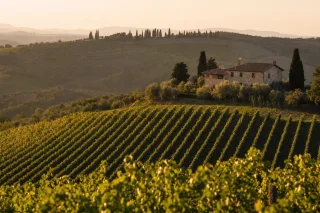
Premetta belongs to one narrow strip of the Alps and nowhere else, the central Valle d'Aosta, where some of Italy's highest vineyards climb the valley sides beneath the peaks. An early-ripening pink grape suits this cold, short-season place, finishing before the mountain autumn closes in, and its wine carries that altitude in its featherlight frame and gleaming acidity.

Aymavilles and the old vines

The terraced slopes around Aymavilles, just west of Aosta, holding the valley's oldest surviving Premetta parcels.

The grape's historic heart, where a near-lost vine clung on in old mixed vineyards; the wild-strawberry, almond-edged fruit grown here is the benchmark for what Premetta should taste like.

From Aosta down to Avise

The sunnier central corridor of the valley, running west from the town of Aosta toward Avise.

A thin scatter of plots on warm, stony alpine soils where these fragile pink grapes can just ripen; between them they add up to only a few hectares, most famously vinified in purity as a varietal Valle d'Aosta DOC Premetta.

Editorial

About Prëmetta

Prëmetta is the Valdostan name for Prié rouge, an indigenous red grape registered in the Italian National Catalogue under code 312. The variety is genetically distinct from Prié blanc, the high-altitude white of Morgex and La Salle, despite sharing the historic local term Prié. Documentation reaches back to the 1838 ampelographic work of L. F. Gatta on Valle d'Aosta vines and to the 1877 Catalogo dei vitigni of the Provincia di Torino.

Premetta came within a few rows of vanishing altogether. Prone to rot and fussy about the exact day it is picked, it survives on only a handful of Aosta Valley hectares, kept going by a small band of growers, and above all by one family, Grosjean, who vinify it on its own and have put the grape's old name, Prié Rouge, back onto a DOC label.

Premetta's near-extinction and quiet comeback

Prëmetta is grown in a narrow strip of the central Aosta valley, with the heart of production around Sarre and small plantings in adjacent communes. It rarely travels beyond the regional border. Bunches are small and tightly packed, with thin, lightly pigmented berry skins; this morphology drives the wine's pale ruby colour and its restrained tannin.

In the glass, Prëmetta is light-bodied and aromatic, leaning on red-fruit notes of cherry and wild strawberry with a perfumed floral lift of violet and iris. The palate is bright and saline, with refreshing acidity and a slightly bitter-almond finish. The grape lends itself to early-drinking, lightly chilled reds; some Aostan producers also use it for rosato and, in a small share, for sparkling wine where its acidity supports a metodo classico base.

Prëmetta is bottled under the Valle d'Aosta DOC, both as part of the umbrella appellation and as a named varietal subzone. It sits alongside Petit Rouge, Cornalin, Fumin and Vien de Nus in the regional red-wine palette, and is one of the building blocks of Valdostan wine identity.
Good to know

Frequently asked

Prëmetta is grown almost exclusively in Italy's Valle d'Aosta, with the heart of production in the central valley around Sarre and a handful of neighbouring communes.

Yes. Prëmetta is the Valdostan name for Prié rouge, the variety's official entry in the Italian National Catalogue. The grape has no direct genetic relationship to Prié blanc despite the shared Prié name.

Prëmetta wines are pale ruby and light-bodied, with cherry and wild strawberry fruit, a perfumed lift of violet and iris, bright Alpine acidity and a slightly bitter-almond finish.

Prëmetta pairs with cool-mountain Aostan cooking: seupa à la valpellinense, carbonade valdostana, chestnut soups, alpine charcuterie and Fontina cheese.

Serve Prëmetta lightly chilled, around 14 to 16 degrees Celsius, to highlight its perfumed aromatics and bright acidity.

Yes. Prëmetta is bottled under the Valle d'Aosta DOC, both as part of the umbrella appellation and as a named varietal subzone alongside Petit Rouge, Fumin, Cornalin and Vien de Nus.

Prëmetta is built for early drinking. Most bottles are at their best within two to four years of the vintage, while their fruit and floral character is fresh.

Explore by style

Wine styles made from Prëmetta

Jump to the editorial guide for each style this grape turns up in.

Keep exploring

More red grapes

Sangiovese

Sangiovese (san-jo-vay-zeh) is the undisputed king of red wines in central Italy, virtually present in every area of the country Thanks to its many clones and surprising versatility, Sangiovese can create a wide range of wines: from young and fresh Chiantis to complex and full-bodied Brunellos.

Wines 302
Tannin
Body

Explore Sangiovese

Nebbiolo

Nebbiolo (Nay-bee-OH-lo) is a native Italian variety cultivated in the northern regions, whose name derives from the word “Nebbia” which is Italian for fog.

Wines 245
Tannin
Body

Explore Nebbiolo

Merlot

Merlot is a red grape with a serious Italian footprint: Bolgheri DOC, Bolgheri Rosso, Cortona DOC, Suvereto DOCG, Rubicone IGT and Montello Rosso DOCG form its Italian map.

Wines 126
Tannin
Body

Explore Merlot

Corvina

Corvina is the principal red grape of Verona's wine country, forming the backbone of Valpolicella DOC, Amarone della Valpolicella DOCG, and Recioto della Valpolicella DOCG.

Wines 74
Tannin
Body

Explore Corvina