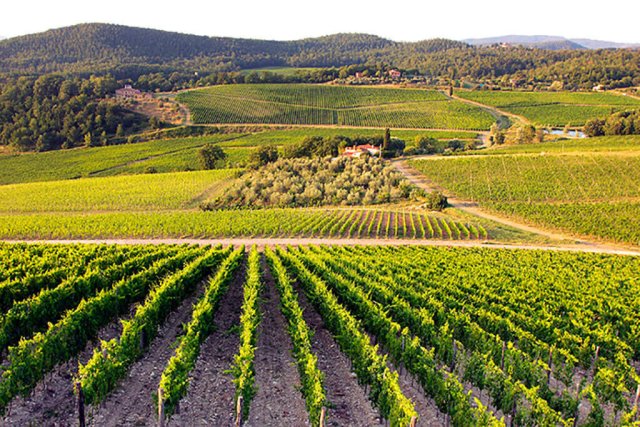
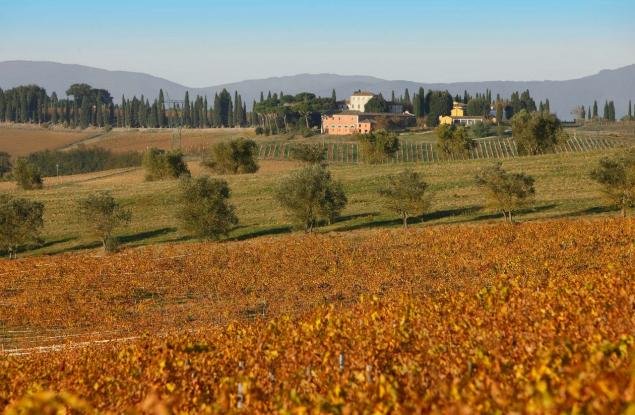
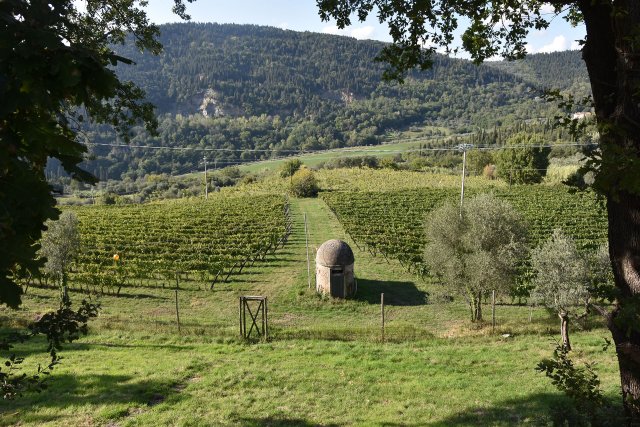
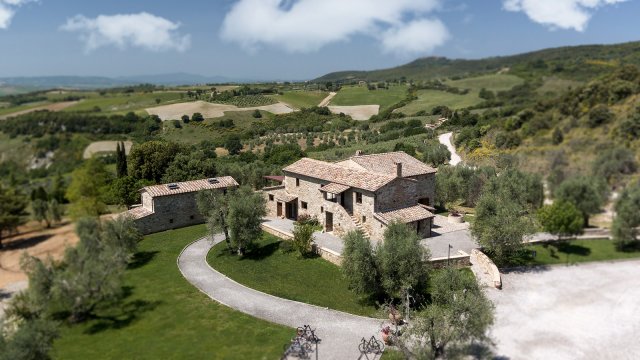
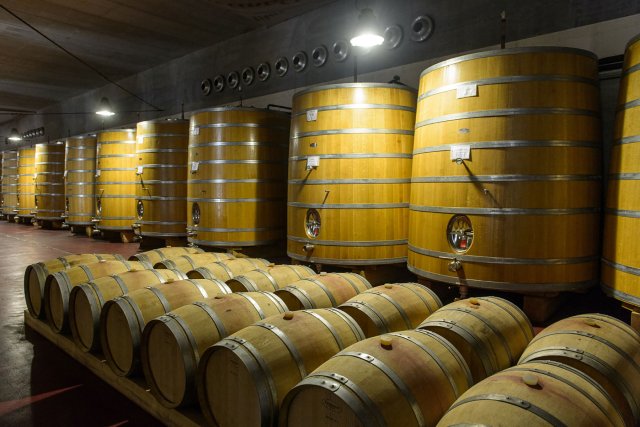
The Antinori name first appears in Florentine wine records in 1385, when Giovanni di Piero Antinori was admitted to the Arte Fiorentina dei Vinattieri, the city's winemakers' guild. In 1506 Niccolò di Tommaso Antinori bought what is now Palazzo Antinori on the piazza of the same name, and the family has steered the business from that address ever since. Twenty-six generations is an unusual run by any measure; the Antinori are routinely cited as Italy's longest-standing wine family in continuous operation. The operational heart of the estate sits half-buried in a Chianti hillside at Bargino, near San Casciano val di Pesa. The Antinori nel Chianti Classico cellar was designed by Marco Casamonti of Archea Associati, completed in 2012, and roofed with a working vineyard so the whole building reads as a slow incision in the landscape. Terracotta surfaces, raw wood, corten steel and gravity-flow vinification rooms are arranged around a spiral staircase that links three levels and an open-air terrace looking out over the Sangiovese rows. Production spans nine Italian estates. Tignanello and Solaia, both bottled as IGT Toscana from the Tignanello estate in Chianti Classico, helped define the Super Tuscan category in the late 1970s. Chianti Classico itself is anchored by the Marchese Antinori Riserva, the Pèppoli estate wine, the Villa Antinori range and the Gran Selezione Badia a Passignano. In Bolgheri, Tenuta Guado al Tasso produces the eponymous Bolgheri Superiore alongside the second wine Il Bruciato. Pian delle Vigne handles Brunello di Montalcino, and the Umbrian Castello della Sala makes the Chardonnay-Grechetto white Cervaro della Sala. Antinori is enrolled in the VIVA Sustainable Wine programme, the Italian Ministry of the Environment's vineyard sustainability protocol, and runs precision viticulture across its sites with multispectral drones, weather stations and Vitibot vineyard robots. Castello della Sala in Umbria and Fattoria La Parrina in Maremma carry organic certification, and the Pèppoli estate's olive oil has been CCPB-certified organic since 1996, with several other vineyards farmed organically across the group. The business is led by Marchesa Albiera Antinori, who has been president since 2017, with her sisters Allegra and Alessia working alongside her in the 26th generation. Three estates are organised for visitors. The Bargino cellar runs three core tours, the Tinaia, the Bottaia and the seven-wine CRU experience, the last finishing with lunch at the rooftop restaurant Rinuccio 1180. Badia a Passignano offers guided cellar visits beneath a tenth-century Vallombrosan abbey, and Tenuta Guado al Tasso pairs tastings with lunch at Osteria del Tasso. Tavarnelle's Osteria di Passignano and the Trattoria della Fonte in Montefiridolfi extend the dining footprint, while the Fonte de' Medici Country Relais offers stays in the Chianti Classico hills.
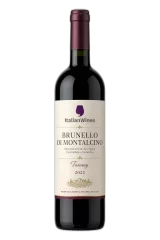
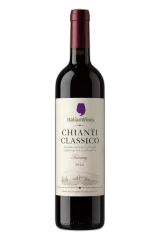






 Tuscany, Italy


 Est. 1385
  21 wines
  Tastings
 Tours
Tours
 Accommodation
 Booking required