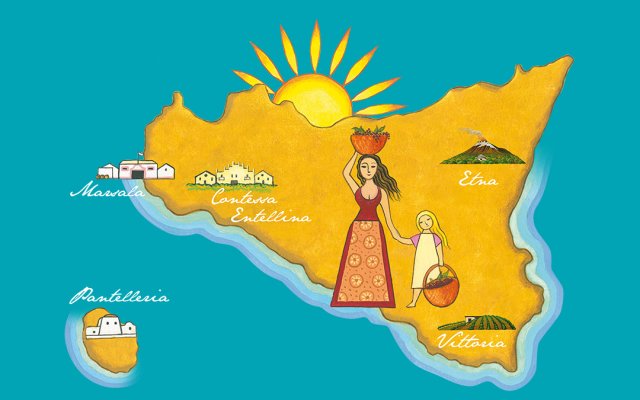
The story behind Cusumano begins with two brothers and a deliberate Sicilian mosaic. Diego and Alberto Cusumano took over from their father Francesco in 2001 and chose to build the estate as a network of single properties rather than one central farm. Today their land sits across Tenuta San Carlo at Partinico, Tenuta Ficuzza at Piana degli Albanesi at seven hundred metres, Tenuta San Giacomo at Butera in central Sicily, Tenuta Presti e Pegni and Tenuta Monte Pietroso at Monreale, and the Alta Mora estate on the northern slopes of Etna.
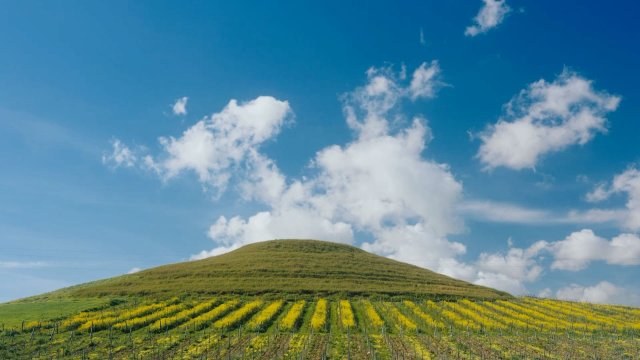
Each tenuta has its own grape and its own wine. Sàgana, the producer's most awarded Nero d'Avola, comes from white tufa soils at Tenuta San Giacomo in the Butera hills. Noà, a Sicilian Bordeaux blend of Nero d'Avola, Merlot and Cabernet Sauvignon, is grown at Tenuta Presti e Pegni outside Monreale. Angimbé, the Insolia and Chardonnay white, sits on stony soils at higher altitude, while 700slm, the Brut Metodo Classico, is sourced from Ficuzza at exactly seven hundred metres above sea level. Single-vineyard Moscato dello Zucco continues an old western Sicilian tradition revived by the family.
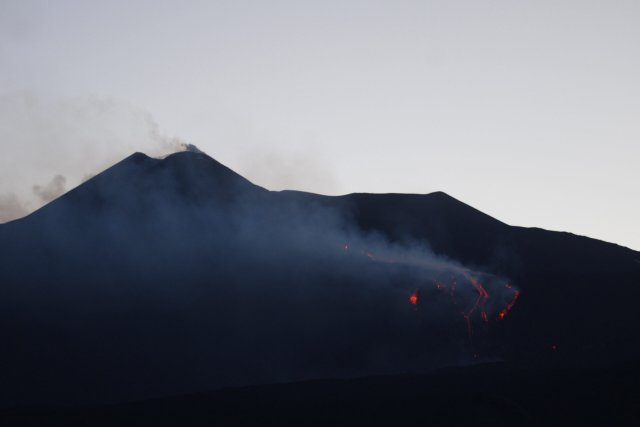
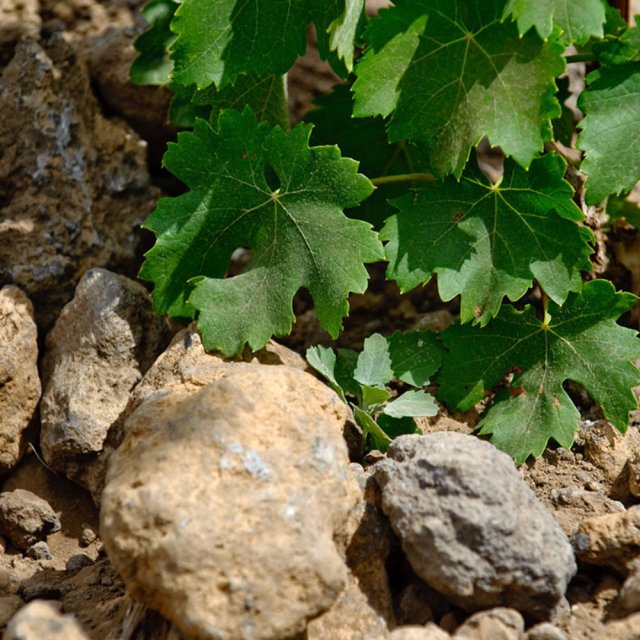
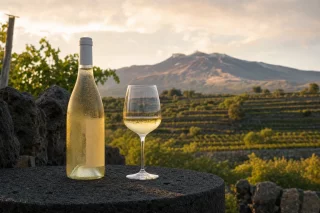
The Etna chapter opened in 2013, when the brothers acquired three contrade on the volcano's northern flank under the Alta Mora name. The Etna cellar, designed in hypogean architecture and powered by biomass energy, vinifies hand-picked grapes without pumps and without added yeast. Guardiola, Feudo di Mezzo, Pietramarina, Solicchiata and Verzella each anchor a different Etna Rosso, Rosato or Bianco DOC bottling driven by Nerello Mascalese and Carricante.
Sustainability sits at the centre of the estate's identity. Cusumano belongs to the SOStain Sicilia programme, which audits renewable energy use, biodiversity protection through winter cover crops, low total sulphur in the finished wine, and the publication of an annual sustainability report. The double-certification badge, issued in partnership with V.I.V.A. Sustainable Wine, appears on the back label of every Cusumano bottle.
For an Italian-wine reader looking to understand modern Sicily in two pours, a glass of Sàgana from Butera and a glass of Alta Mora Guardiola from the northern Etna covers the island's two most important reference styles. Few Sicilian estates carry both white-soil interior and volcanic black slopes under one family ownership.





 Sicily, Italy


 Est. 2001
  15 wines
  Tastings
 Tours
Tours
 Accommodation
 Booking required