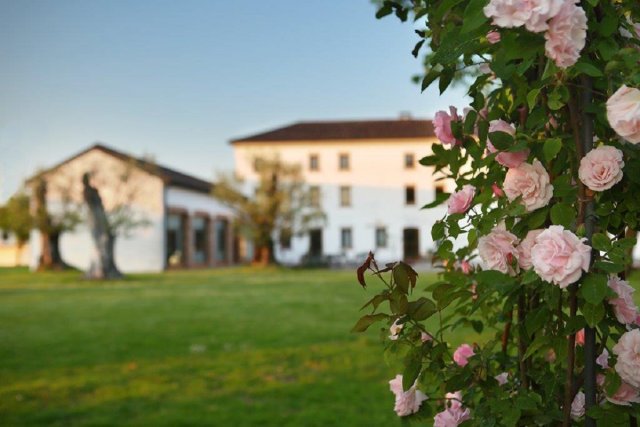
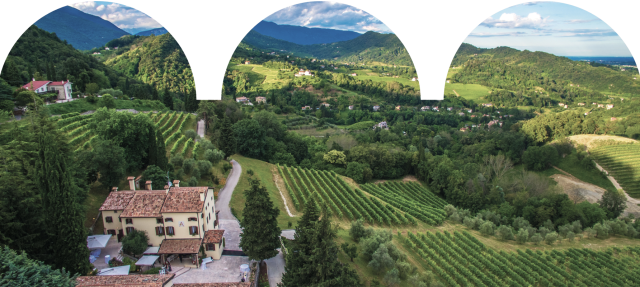
The Dal Forno family had been farming vineyards in Val d'Illasi for generations before Romano Dal Forno bottled his first vintage in 1983. The decisive turn came at age 22, when Romano met Giuseppe Quintarelli in nearby Negrar; the introduction reset his ambitions for what a Valpolicella estate could be. Through the 1980s Romano worked from modest home equipment, and in the 1990s he committed the estate to the cellar that now sits at Loc. Lodoletta, designed around appassimento, vacuum-sealed tanks and long barrel ageing.
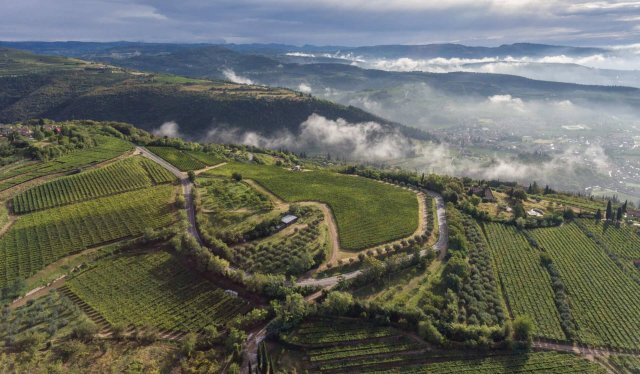
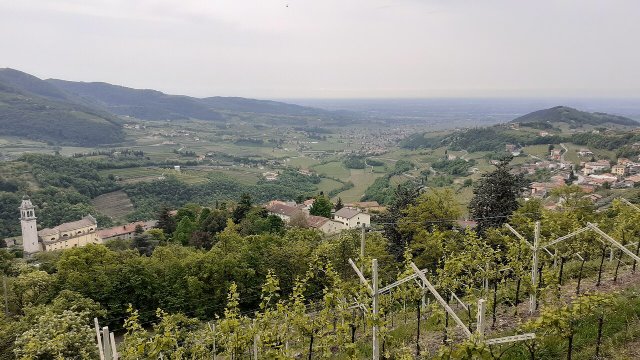
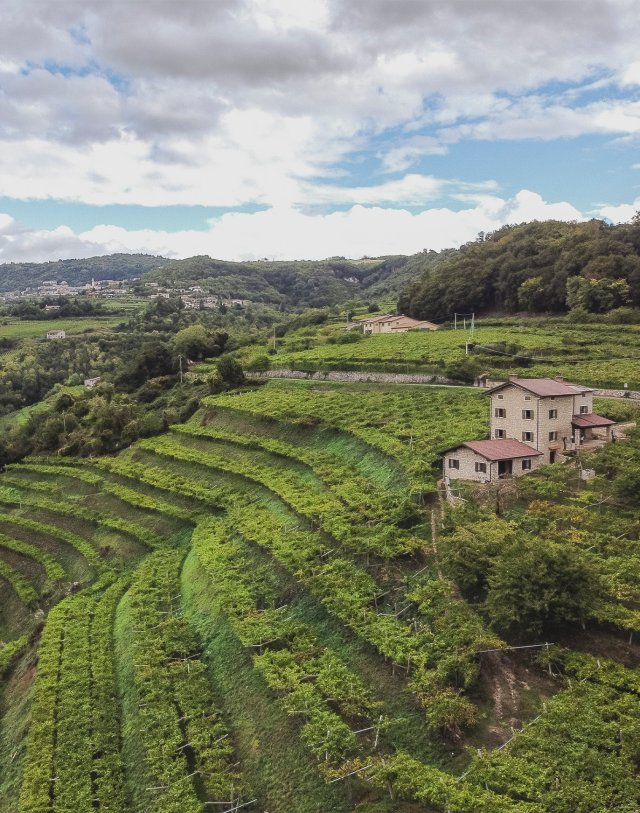
The 34 hectares of estate vineyards sit at 280 to 350 metres on alluvial soils that are roughly 70 percent gravel, 15 percent silt and 15 percent clay. Eighteen hectares are owned outright. Vines are planted at almost 13,000 per hectare, far higher than Valpolicella's usual densities, with low yields per plant to push concentration. Eight named parcels, including Vigna Lodoletta, Vigna Seré, Vigna Castagnini and Vigna Mezzomonte, are farmed as a closed system, with composition of the soil, biodiversity and insect populations monitored as part of routine work.
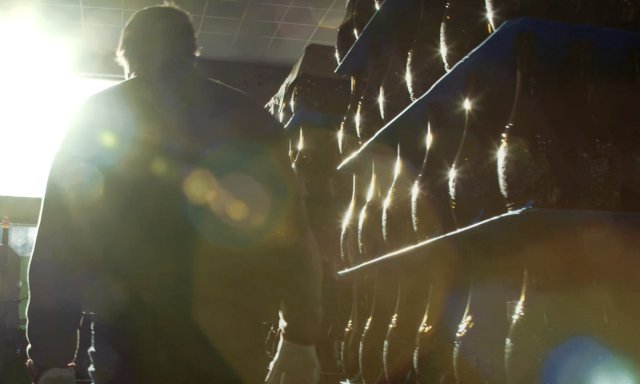
Drying is handled in a custom fruttaio fitted with banks of fans on sliding tracks; air direction inverts every five minutes, and computer-controlled windows manage humidity rather than humidifiers. Valpolicella Superiore grapes spend roughly six weeks drying, Amarone three months, Vigna Seré up to four. Fermentation runs in stainless steel at controlled 28°C, with fifteen days of punch-downs and maceration. Tanks and the press operate under vacuum; wine is bottled under vacuum to limit oxidation. Ageing is in new barriques, currently 70 percent French and 30 percent American oak for Valpolicella Superiore and a 50/50 split for Amarone, for 24 to 48 months depending on vintage.
Annual production across all three labels totals around 5,000 cases. The same blend, roughly 60 percent Corvina, 10 percent Corvinone, 5 percent Rondinella, 15 percent Croatina and 10 percent Oseleta, runs through every wine; the difference comes from vine age and drying length. Vigna Seré is released only in the most exceptional vintages, with 1988, 1990, 1994, 1997, 2003 and 2004 the bottlings to date. Since the 2003 vintage the wine has carried the Veneto IGT Passito tier rather than Recioto della Valpolicella DOC, a deliberate choice to step outside the appellation rules.
Forty years on, Dal Forno Romano remains a reference point for collectors who want a modern, concentrated reading of Valpolicella, often grouped with Quintarelli, Gaja and Biondi-Santi as one of Italy's iconic small estates. The cellar is still strictly family-run, with Romano on hand and Marco leading day-to-day work, and the estate's wines anchor the eastern Valpolicella DOC zone in our wider Veneto coverage.









 Veneto, Italy


 Est. 1983
  2 wines
  Tastings
 Tours
Tours
 Accommodation
 Booking required