The Lungarotti family produced wine and oil in the Middle Tiber Valley as far back as the 1700s, but the modern winery dates from 1962, when Giorgio Lungarotti consolidated several family holdings around Torgiano and switched to scientific grape selection and vinification. Two years later he bottled the first Rubesco Riserva from a single hilltop vineyard called Monticchio, planted to Sangiovese with a smaller share of Canaiolo. By 1968 Torgiano had become Umbria's first DOC, in 1970 Rubesco was already on UK shelves, and in 1990 Torgiano Rosso Riserva was elevated to DOCG, the region's first.
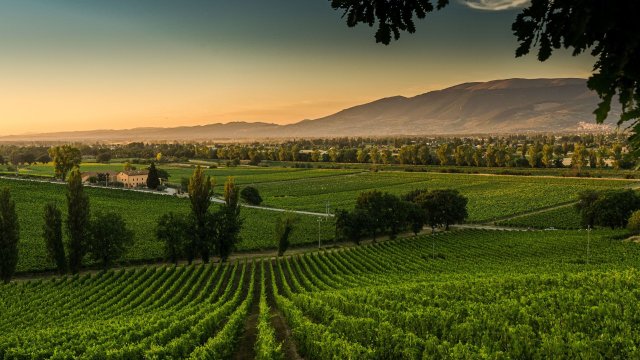
The estate now covers around 250 hectares of vineyards split between two operations. The Torgiano hills remain the heart, with Sangiovese, Canaiolo and Trebbiano on the slopes between the Tiber and the Chiascio, alongside Vigna Il Pino for the cru Torre di Giano and Vigna Monticchio for the Riserva. From 2000 the family built a second cellar at Localita Turrita in Montefalco, where Tenuta Brancalupo works the Sagrantino DOCG terraces and the Trebbiano Spoletino vines, and Tenuta Pometo bottles a younger, more accessible range from Grechetto, Vermentino and Sangiovese.
Three wines anchor the cellar's identity. Rubesco Rosso di Torgiano DOC remains the everyday reference, balanced and ruby with red-fruit, pepper and tobacco notes. Rubesco Riserva Vigna Monticchio is the long-aged single-vineyard expression that critics have used as a yardstick for Sangiovese-led Umbrian reds since the 1977 vintage won Vinarius Wine of the Year. Aurente sits beside them as the estate Chardonnay from Torgiano, with Torre di Giano Vigna Il Pino as the white of greater structure and the Trebbiano-Grechetto base of the everyday Torre di Giano.
Sustainability here is a documented programme, not a tagline. Lungarotti was the ninth Italian wine company to achieve VIVA certification, the Italian Ministry of Environment scheme that audits Carbon Footprint, Water Footprint, vineyard practice and territorial impact, and was the first VIVA estate in Umbria. The estate also carries the regional Green Heart Quality mark, runs photovoltaic energy, manages a microclimate lake at Laghetto alla Palla and continues a programme of mechanical weed control without chemical fertilisers or herbicides.
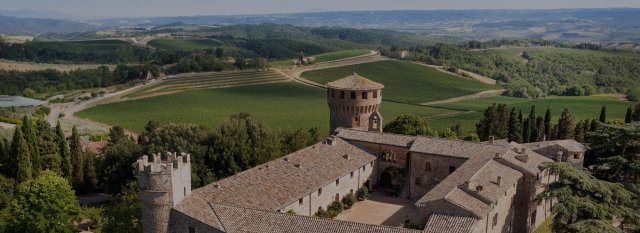
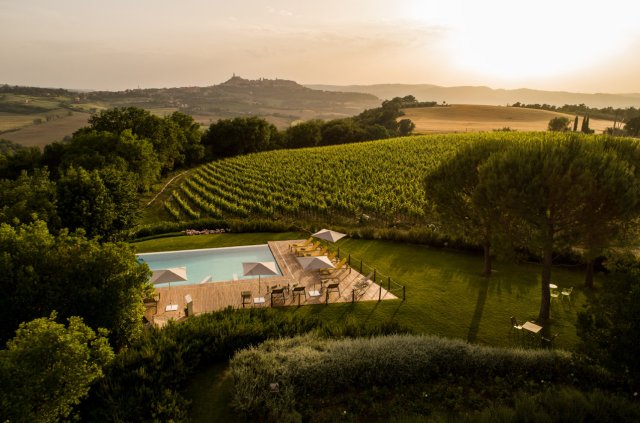
The site is built around visiting. Two bookable estates, each with a tasting room that seats up to 60, sit alongside the MUVIT Wine Museum that Maria Grazia Marchetti Lungarotti opened in 1974 inside a 16th-century palace, the Olive Oil Museum next door, and the family-owned Le Tre Vaselle relais with its bellaUve vinotherapy spa and the Poggio alle Vigne agriturismo set in vineyard countryside. Run today by Chiara as CEO, Teresa as marketing and communications lead and one of the first Italian women enologists, with their mother Maria Grazia at the Foundation and Teresa's children Francesco and Gemma in the next generation, Lungarotti is one of the clearest examples of an Italian winery built on three pillars at once: wine, culture and hospitality.
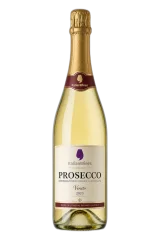
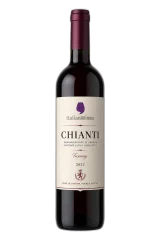
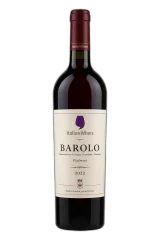
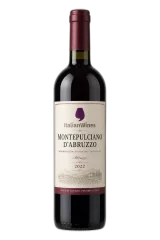





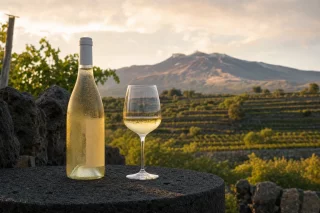



 Umbria, Italy


 8 wines
  Tastings
 Tours
Tours
 Accommodation
 Walk-ins welcome