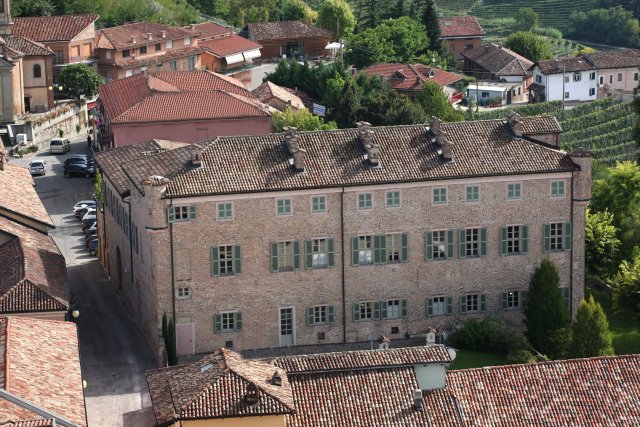
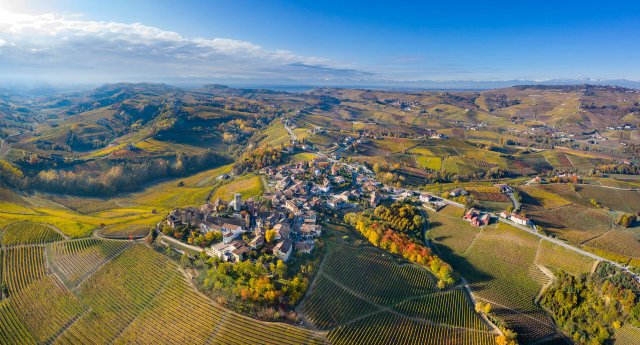
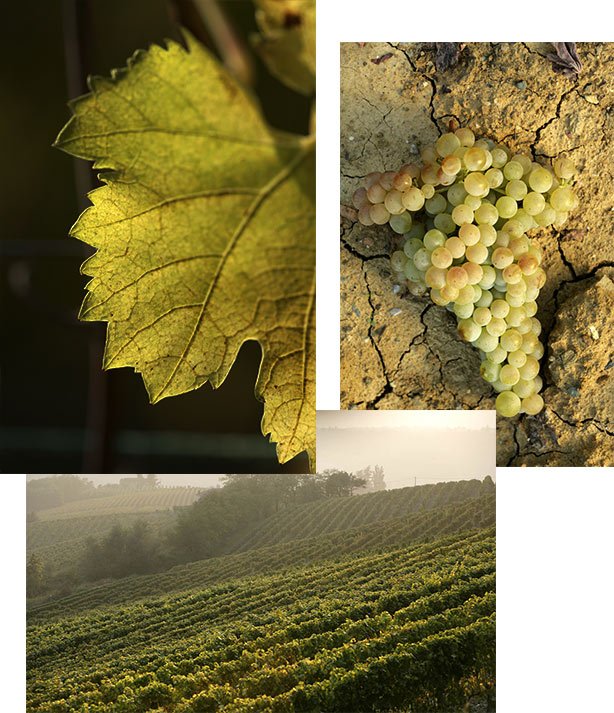
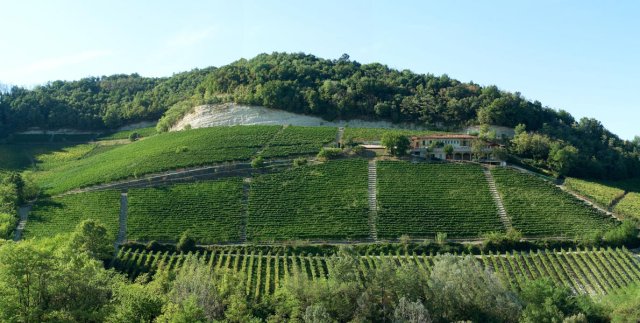
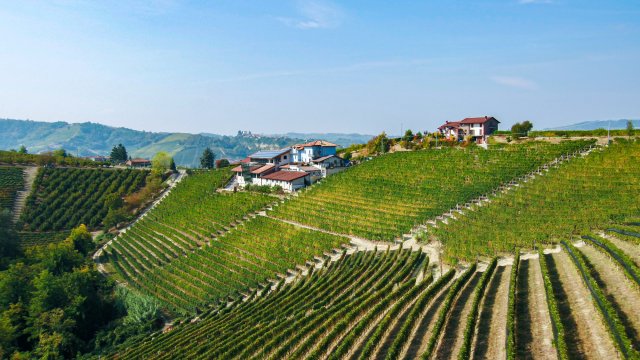
The Altare family bought their farm in Frazione Annunziata, just below the church of La Morra, in 1948. Grandpa Giuseppe had come down from Dogliani; the original estate counted around five hectares of nebbiolo, barbera and dolcetto interleaved with peach, hazelnut and apple trees, in years when fruit paid better than wine. La Morra still defines the cool, perfumed style on the western half of the Barolo zone, and Altare's plots in Arborina, Brunate, Cerretta and Cannubi sit firmly inside that vocabulary.
Elio Altare took over in the late 1970s after a January 1976 trip to Burgundy that, in his own telling, was a revelation. He came home, took a chainsaw to the old wooden tanks, replanted to higher densities, and started using small French oak. The decision tore the family apart: his father Giovanni disinherited him, and Elio spent years buying the property back from his siblings. That break, repeated by a small group of growers around La Morra in the 1980s, became known as the modernist or Barolo Boys revolution; Wikipedia's Barolo entry names Altare alongside Ceretto, Cordero di Montezemolo and Renato Ratti as the producers who brought shorter macerations, smaller barrels and an international audience to the appellation.
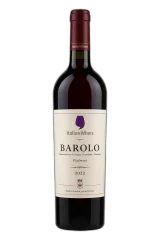
The estate today farms about 10 hectares for an average production near 70,000 bottles. The lineup leads with five Barolo DOCG bottlings (Barolo, Arborina, Cannubi, Unoperuno and the Cerretta Vigna Bricco Riserva), plus a Brunate Riserva. Around them sit the Langhe Rosso reds Larigi (old-vine Barbera), Giarborina (Nebbiolo from Arborina) and La Villa, the L'Insieme blend that funds the Barolo growers' charity association Elio co-founded in 1997, and the more everyday Dolcetto d'Alba, Barbera d'Alba and Langhe Nebbiolo. Three of those wines are stocked on this site at the moment: the Barolo, the Barbera d'Alba and the Dolcetto d'Alba.
Vineyard work is deliberately stripped back. Altare's published philosophy uses only copper and copper sulphate in the vineyard, fertilises with cow manure, and avoids systemic chemicals. In the cellar fermentation runs on indigenous yeasts, malolactic happens naturally, the wines are not filtered or fined, and sulphur is held well below the legal Italian ceiling. The family is explicit that they do not follow biodynamic protocols; the framing is closer to a low-intervention farming ethic, without any third-party certification.
The azienda is registered today as Azienda Agricola Elio Altare di Silvia Altare. Silvia, Elio's eldest, joined full-time around the turn of the 2000s and now runs the day-to-day, while her sister Elena imports the wines into Germany. Elio still oversees vineyard and cellar work and has parallel projects in Cinqueterre on the Ligurian coast, plus a cheesemaking and herb garden venture in Castelmagno in the Piedmontese Alps. The cellar in La Morra is open to the trade by appointment only; visits are grouped by language, capped at ten people, and the estate is closed during harvest in September and October.


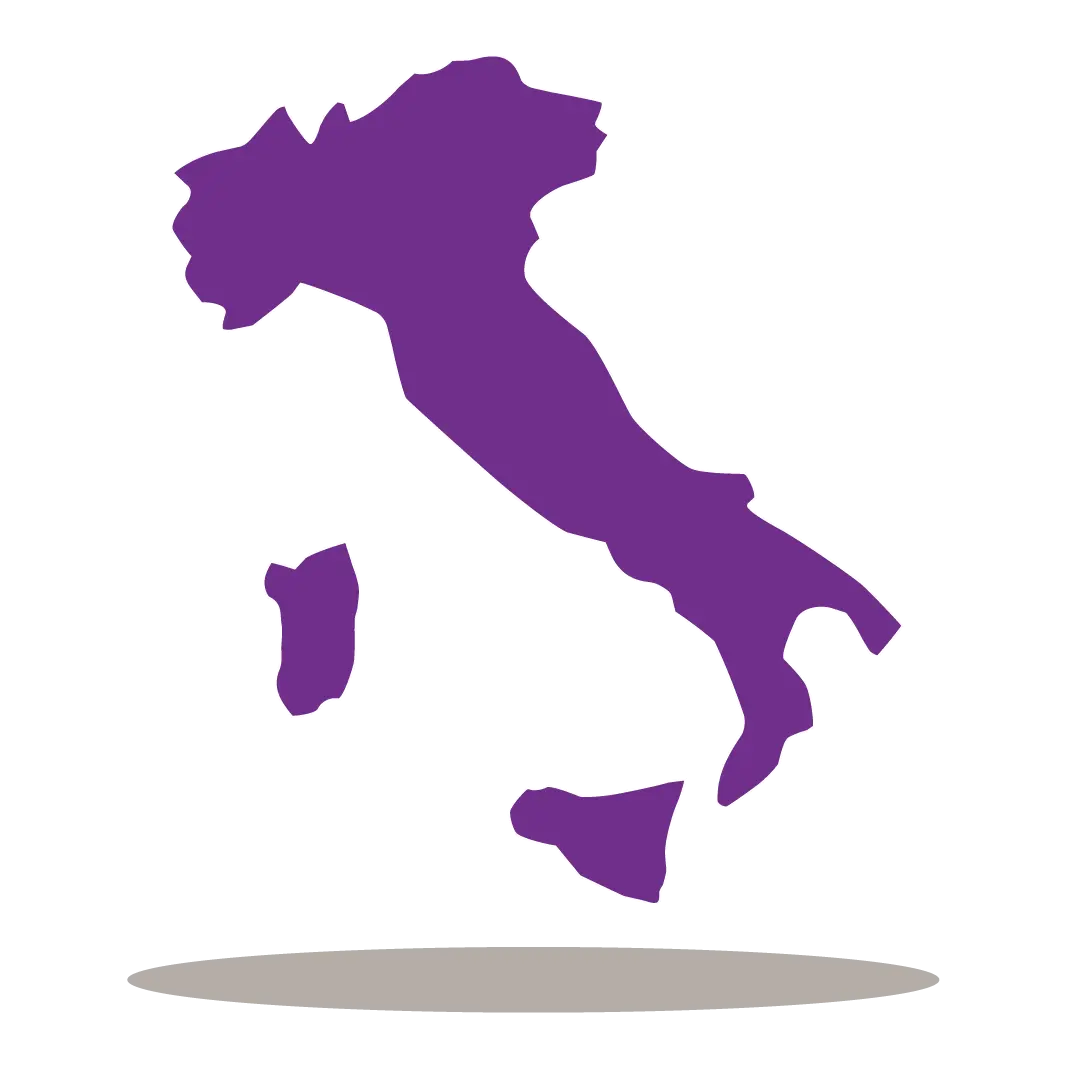


 Piedmont, Italy


 5 wines
  Tastings
 Tours
Tours
 Accommodation
 Walk-ins welcome